










Howea forsteriana: The Complete Guide to Kentia Palm
Introduction and Overview
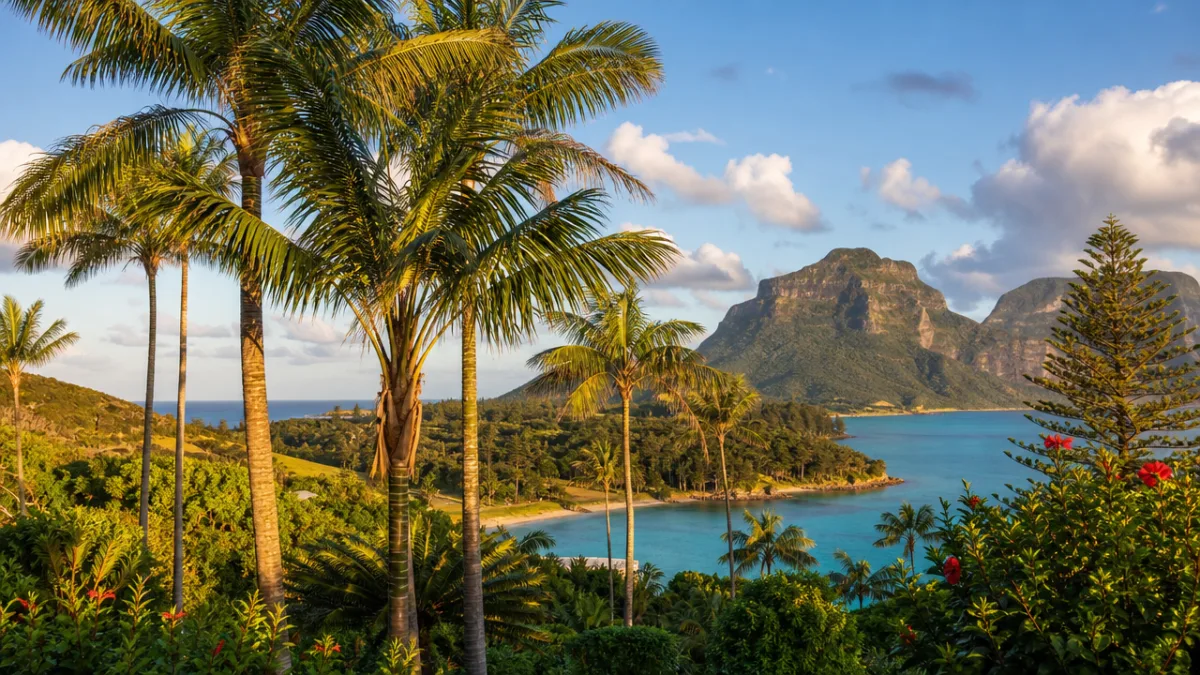
Howea forsteriana, commonly known by a variety of evocative names including the Kentia Palm, Forster Sentry Palm, Paradise Palm, Sentry Palm, and Thatch Palm, is one of the most celebrated and widely cultivated palms in the world of indoor and outdoor horticulture. Native exclusively to Lord Howe Island, a small volcanic island located in the Tasman Sea between Australia and New Zealand, this elegant palm has captured the hearts of plant enthusiasts, interior designers, and botanical gardens alike for well over a century. Its graceful arching fronds and stately upright growth habit make it an unmistakable presence in any setting where it is grown.
The botanical name honors William Forster, a British statesman and politician of the nineteenth century, reflecting the Victorian-era tradition of naming newly discovered plants after notable figures of the time. Lord Howe Island itself is a UNESCO World Heritage Site, and the Kentia Palm holds a place of enormous ecological and economic importance there. The island remains one of the few places on Earth where this palm is grown commercially from seed, with the industry representing a significant portion of the local economy and a point of cultural pride for its residents. Seeds and young plants are exported globally to nurseries and growers eager to cultivate this iconic species.
What distinguishes Howea forsteriana from many other palms is its extraordinary adaptability and tolerance for conditions that would diminish or kill less resilient species. It thrives in low light environments, tolerates infrequent watering, and endures the often harsh and dry air conditions found in heated or air-conditioned interior spaces. These qualities, combined with its undeniable aesthetic beauty, have made it a fixture in hotel lobbies, office buildings, Victorian conservatories, and private homes around the world. Understanding the full scope of this plant’s characteristics, requirements, and history enriches the experience of growing it considerably.
Natural Habitat and Geographic Origin
The natural habitat of Howea forsteriana is remarkably restricted, confined almost entirely to Lord Howe Island, which lies approximately 600 kilometers east of Port Macquarie on the New South Wales coast of Australia. The island covers only about 11 square kilometers in total, making it one of the most geographically limited natural ranges of any widely cultivated ornamental plant. Within this small island, the Kentia Palm grows in dense stands across various elevations, from the coastal lowlands up into the lower mountain slopes, adapting to a range of soil types and microclimatic conditions found across the terrain.
The climate of Lord Howe Island is subtropical, characterized by warm, humid summers and mild, relatively dry winters. Rainfall is distributed fairly evenly throughout the year, and the island benefits from the moderating influence of the surrounding ocean, which prevents temperature extremes. These conditions have shaped the Kentia Palm into the resilient and adaptable species it is today, capable of tolerating fluctuations in moisture and temperature that would challenge many tropical palms. The island’s volcanic soils are well-draining yet fertile, and the palm has evolved to thrive in these conditions over thousands of years of isolation.
Interestingly, Howea forsteriana shares its native island with a close relative, Howea belmoreana, commonly known as the Curly Palm or Belmore Sentry Palm. The two species occupy slightly different ecological niches on the island, with H. forsteriana generally preferring lower elevations and H. belmoreana found more commonly at higher altitudes. Despite their similar origins and appearances to untrained eyes, careful observation reveals meaningful differences in frond shape, growth habit, and overall form. The coexistence of these two closely related species on such a small island provides a fascinating case study in ecological differentiation and speciation within a confined geographic area.
Physical Characteristics and Growth Habit
Howea forsteriana is a single-trunked palm that can reach impressive heights of 10 meters or more in its natural habitat and ideal outdoor conditions, though indoor specimens typically grow much more slowly and remain considerably more compact. The trunk is slender, elegant, and ringed with distinctive grey scars left by fallen fronds, giving it a bamboo-like appearance that adds to its ornamental appeal. In younger plants, the trunk is not yet apparent, and the palm presents as a rosette of arching fronds emerging directly from a central growing point at ground level, gradually elevating as the plant matures over many years.
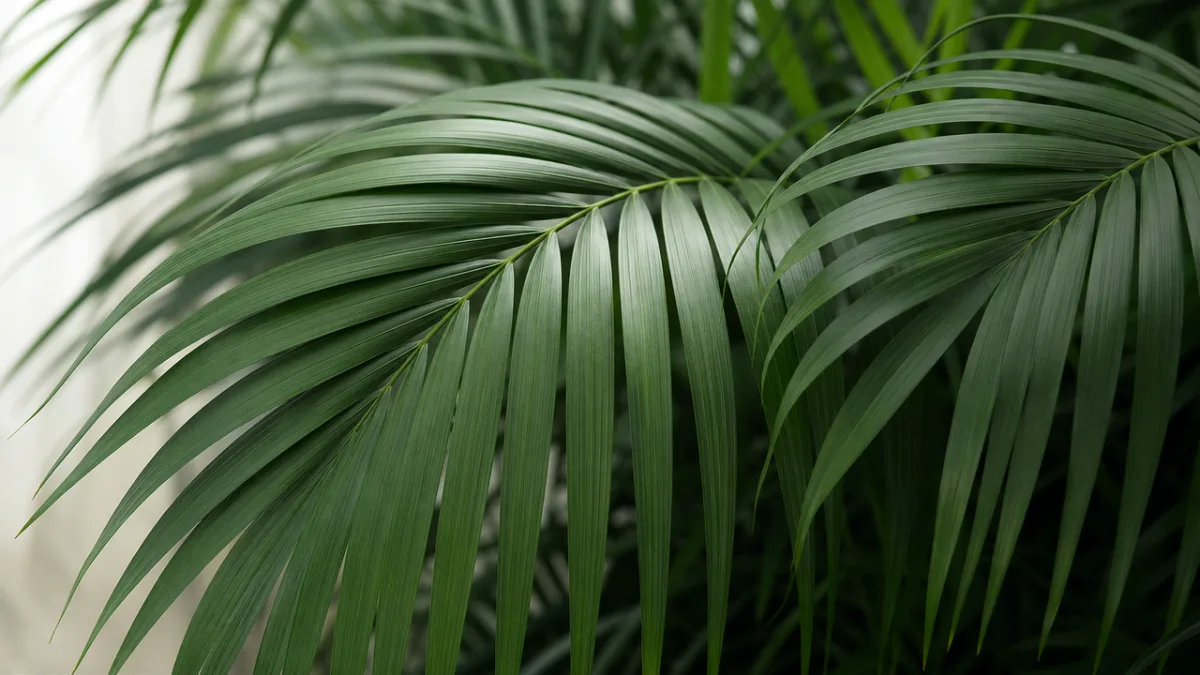
The fronds themselves are pinnate, meaning they are feather-like in structure, with numerous individual leaflets arranged along either side of a central rachis or midrib. Each frond can reach lengths of up to 3 meters in mature outdoor specimens, with the individual leaflets growing to approximately 60 centimeters in length. The leaflets are a deep, glossy green on their upper surfaces and slightly paler below, with a graceful droop that contributes to the palm’s characteristic weeping, arching silhouette. This combination of scale and elegance is one of the primary reasons the Kentia Palm has remained so popular in ornamental horticulture for so long.
Growth in Howea forsteriana is notably slow, particularly when grown indoors or in suboptimal conditions. A palm may produce only two to five new fronds per year under typical indoor cultivation, meaning that large, impressive specimens represent significant investments of time and care spanning many years or even decades. This slow growth, while requiring patience from the grower, also means that the plant remains manageable in size for extended periods, making it suitable for interior spaces that cannot accommodate faster-growing, larger-scaled plants. Outdoors in suitable climates, growth accelerates somewhat, but even then the Kentia Palm is not considered a fast-growing species by any measure.
Cultivation and Care Requirements
Growing Howea forsteriana successfully requires an understanding of its preferences and tolerances across several key environmental parameters. In terms of light, the Kentia Palm is remarkably adaptable, capable of surviving in conditions ranging from bright indirect light to quite low interior light levels. However, it performs best and grows most vigorously in bright, filtered light that mimics the dappled conditions found beneath the forest canopy of its native habitat. Direct, intense sunlight, particularly through glass windows, can scorch the fronds and cause unsightly yellowing or browning, so some degree of protection or diffusion is advisable in very sunny situations.
Watering is perhaps the most critical aspect of Kentia Palm care, and the most common source of problems for growers. The palm prefers a consistent moisture regime where the growing medium is allowed to partially dry between waterings, but never becomes completely desiccated for prolonged periods. Overwatering is considerably more damaging than underwatering, as the roots are susceptible to rot in waterlogged or poorly draining conditions. A well-draining potting mix, combined with containers that have adequate drainage holes, helps prevent the accumulation of excess moisture around the root zone. During winter months or periods of slower growth, watering frequency should be reduced accordingly.
Fertilization supports healthy growth and maintains the rich green color of the foliage. A balanced, slow-release palm fertilizer applied two to three times during the growing season provides the essential macro and micronutrients this palm requires. Kentia Palms are sensitive to fluoride and excess salt accumulation in the soil, which can cause tip burn on the fronds — a common complaint among growers who use heavily fluoridated tap water or over-fertilize. Using filtered or rainwater where possible, and periodically flushing the potting mix thoroughly with water to leach accumulated salts, helps prevent these issues. The following care summary provides a useful reference:
- Light: Bright indirect light preferred; tolerates low light conditions indoors.
- Watering: Allow the top inch or two of soil to dry between waterings; reduce in winter.
- Humidity: Appreciates moderate to high humidity; mist occasionally or use a pebble tray.
- Temperature: Prefers 18–27°C (65–80°F); protect from frost and cold drafts.
- Fertilizer: Balanced palm fertilizer two to three times during the growing season.
- Repotting: Every two to three years when roots become crowded; prefers to be slightly root-bound.
- Soil: Well-draining palm or general-purpose potting mix with added perlite for drainage.
Temperature and humidity are additional factors that influence the health and appearance of the Kentia Palm. While it is more cold-tolerant than many tropical palms, it should be protected from temperatures below 10°C (50°F) and from frost, which can cause serious damage or death to the plant. In terms of humidity, it appreciates moderate to high atmospheric moisture, and in dry indoor environments, supplemental humidity through misting, grouping plants together, or placing the pot on a tray filled with pebbles and water can make a meaningful positive difference. Air conditioning and central heating both reduce indoor humidity significantly, so awareness of this factor is important for growers in climate-controlled spaces.
Landscape and Interior Design Applications
The Kentia Palm has enjoyed an enduring popularity in both landscape design and interior decoration that spans more than 150 years. During the Victorian era, it became the fashionable palm of choice for grand interior settings across Europe and North America, prized for its ability to survive the dimly lit, gas-lit rooms of the period when other tropical plants would quickly decline. Photographs and illustrations from the late nineteenth century frequently show Kentia Palms gracing the drawing rooms, conservatories, and hotel lobbies of the era, and this association with elegance and refinement has never entirely faded from collective cultural memory.
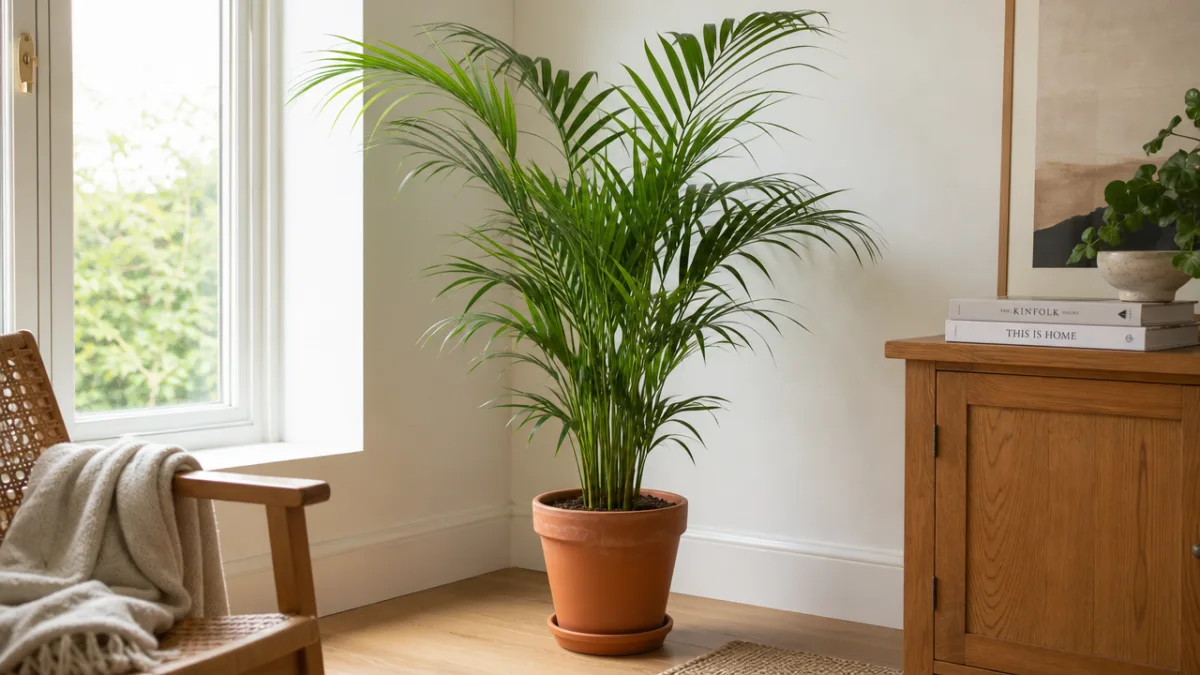
In contemporary interior design, the Kentia Palm continues to be one of the most sought-after large foliage plants for both residential and commercial spaces. Its tall, architectural form and gracefully drooping fronds provide a sculptural quality that few other houseplants can match, and its ability to thrive in lower light conditions makes it genuinely practical for interiors that lack abundant natural sunlight. Interior designers frequently use mature Kentia Palms as focal points or statement pieces in lobbies, living rooms, dining areas, and retail environments, where their presence conveys a sense of tropical lushness and refined taste simultaneously. The plant photographs exceptionally well, contributing to its widespread popularity on social media platforms dedicated to home décor and interior styling.
In outdoor landscape applications, Howea forsteriana is suited to USDA Hardiness Zones 9b through 11, performing beautifully as a specimen tree in gardens across coastal California, Florida, Hawaii, and similar mild-climate regions around the world. It is particularly well-suited to coastal gardens, where it demonstrates good tolerance for salt-laden air that damages many other ornamental plants. When planted in groups, Kentia Palms create a dramatic tropical effect reminiscent of their native island habitat, and they combine beautifully with other shade-tolerant understory plants such as ferns, bromeliads, and shade-loving flowering perennials. As a street tree or avenue planting, the species has been used effectively in suitable climates to create elegant, tropical streetscapes.
Pests, Diseases, and Common Problems
Despite its reputation for toughness and resilience, Howea forsteriana is susceptible to a range of pests and diseases that can compromise its health and appearance if not managed appropriately. Among the most common insect pests are spider mites, which tend to proliferate in warm, dry indoor environments with low humidity. These tiny arachnids feed on the undersides of fronds, causing a characteristic stippled or bronzed discoloration that reduces the plant’s aesthetic appeal and, in severe infestations, its overall vigor. Regular inspection of the foliage, particularly the undersides of fronds, combined with periodic wiping of the leaves with a damp cloth, helps detect and manage spider mite populations before they become problematic.
Scale insects and mealybugs are additional pests that commonly affect the Kentia Palm in indoor cultivation. Scale insects appear as small, brown, shell-like bumps adhered to the stems and undersides of fronds, while mealybugs present as cottony white clusters in the joints between fronds and the central stem. Both pests feed on plant sap and excrete a sticky substance known as honeydew, which can encourage the growth of sooty mold fungus on the foliage. Treatment options include manual removal with a cotton swab dipped in isopropyl alcohol, application of insecticidal soap or neem oil spray, or in severe cases, systemic insecticide treatments. Isolating affected plants from other houseplants during treatment is strongly advisable to prevent the spread of infestation.
Disease problems in Howea forsteriana most commonly relate to root rot caused by overwatering and poorly draining growing conditions, and to fungal leaf spot diseases that can occur when foliage remains wet for extended periods in poorly ventilated environments. The following list summarizes the most common problems and their likely causes to assist growers in accurate diagnosis and prompt remediation:
- Yellowing lower fronds: Often a natural process of old frond senescence; can also indicate overwatering or nutrient deficiency.
- Brown frond tips: Commonly caused by low humidity, fluoride sensitivity, salt accumulation, or underwatering.
- Pale or washed-out frond color: Usually indicates too much direct sunlight or nutrient deficiency, particularly nitrogen.
- Soft, mushy stem base: Classic symptom of root rot resulting from overwatering or poor drainage; often fatal if advanced.
- Slow or absent new growth: May indicate insufficient light, cold temperatures, root-bound conditions, or pest infestation.
- Stippled or bronzed foliage: Strongly suggests spider mite infestation; check undersides of fronds carefully.
Preventing most problems before they arise is considerably easier than treating them once established. Maintaining appropriate watering practices, providing adequate light and humidity, ensuring good air circulation around the plant, and conducting regular inspections for early signs of pest activity are the foundational practices of successful Kentia Palm cultivation. When problems do occur, early detection and prompt, appropriate intervention give the plant the best chance of full recovery without lasting damage to its appearance or long-term health. A proactive approach to plant health monitoring is always preferable to reactive treatment of advanced problems.
Propagation and Commercial Production
Howea forsteriana is propagated exclusively from seed, as it is a single-stemmed palm that does not produce offshoots, suckers, or divisions that could be used for vegetative propagation. This reliance on seed propagation, combined with the slow germination time and long period required to grow plants to marketable size, is one of the primary reasons why large, mature Kentia Palms command substantial prices in the horticultural marketplace. Seeds must be fresh to germinate well, as viability decreases significantly with age and improper storage. Even under optimal conditions, germination can take anywhere from three months to over a year, requiring considerable patience and controlled environmental conditions from commercial growers.
The commercial palm seed industry on Lord Howe Island represents a fascinating and historically significant chapter in the global ornamental plant trade. By the late nineteenth century, seed collection and export from the island had become a well-organized and economically important enterprise, with millions of seeds being shipped annually to nurseries in Europe, the United States, and beyond. The industry has persisted into the present day, though on a more regulated and sustainable basis given the protected status of the island and its unique ecosystem. Seeds are collected from wild trees under permit, cleaned and processed, and then exported to specialist nurseries worldwide that have the facilities and expertise to germinate and grow the seedlings to saleable sizes.
For the home grower interested in attempting propagation, fresh seeds should be soaked in warm water for two to three days to soften the outer seed coat and improve germination rates. They should then be sown in a warm, humid environment with bottom heat if possible, using a well-draining seed-raising mix. Temperatures of 25–30°C (77–86°F) are ideal for germination, and the medium should be kept consistently moist but not waterlogged throughout the germination period. Seedlings emerge slowly and should be potted on gradually as they develop, taking care not to damage the sensitive young root system during transplanting. Growing a Kentia Palm from seed to a substantial specimen is a long-term project measured in years rather than months, but one that many dedicated growers find deeply rewarding.
Cultural Significance and Historical Legacy
The cultural significance of Howea forsteriana extends well beyond its role as an ornamental plant. During the Victorian and Edwardian eras, the Kentia Palm became a powerful symbol of wealth, sophistication, and tropical exoticism, appearing in the grand interiors of the wealthy and powerful across Europe and North America. Its presence in a room communicated refinement and worldliness to contemporary observers, and it became closely associated with the aesthetic sensibilities of the Belle Époque period. The palm’s image appeared in paintings, photographs, and decorative arts of the period, embedding it deeply into the visual culture of the late nineteenth and early twentieth centuries.
The Kentia Palm has also played a notable role in the history of cinema and photography as a backdrop and prop. Its distinctive silhouette and lush tropical appearance have made it a recurring presence in films, television productions, and advertising imagery seeking to evoke tropical paradise, luxury, or exotic settings. Beyond its visual contributions, the palm holds deep cultural significance for the community of Lord Howe Island, where it has shaped the economy, landscape, and identity of the island for generations. The sustainable management of the palm seed industry is a point of ongoing local pride and an example of how communities can develop economically while stewarding their natural heritage responsibly.
Today, the Kentia Palm’s legacy continues to evolve. It remains one of the top-selling large houseplants globally, beloved by a new generation of plant enthusiasts who may know nothing of its Victorian associations but who are drawn to its elegant beauty and forgiving nature. Its continued popularity in the age of social media and the indoor plant renaissance of the twenty-first century speaks to something timeless in its appeal — a combination of architectural grace, adaptability, and an evocation of tropical beauty that transcends any particular era or aesthetic fashion. For as long as people seek to bring nature’s elegance into their living and working spaces, Howea forsteriana will almost certainly remain among their most treasured and admired choices.








What do you think?
It is nice to know your opinion. Leave a comment.