










How to Grow Exotic Plants in August: A Complete Guide
Understanding the August Growing Environment
August represents one of the most dynamic months in the gardening calendar, sitting at the peak of summer heat while quietly hinting at the seasonal transitions ahead. For exotic plant enthusiasts, this duality makes August both an exciting and demanding time. The long daylight hours, intense solar radiation, and typically warm nighttime temperatures create conditions that mirror the tropical and subtropical climates from which many exotic species originate. Understanding how to read and respond to these environmental cues is the foundation of successful exotic plant cultivation during this month.
Temperature management becomes critically important in August, as many exotic plants thrive within very specific thermal ranges. Species like bird of paradise, plumeria, and various tropical ferns evolved in environments where temperature fluctuations are minimal and warmth is consistent. When cultivating these plants in temperate climates, gardeners must work strategically to replicate those conditions, whether through microclimate selection, container placement, or supplemental heating systems for greenhouse setups. A thermometer and a detailed log of your garden’s daily temperature swings can provide invaluable insight into where your exotic plants will perform best.
Humidity is another critical environmental factor that defines the August growing experience for exotic species. Many tropical plants require relative humidity levels between 50 and 80 percent to truly thrive, a range that can be difficult to maintain in drier continental climates. Grouping plants together, using humidity trays filled with pebbles and water, or investing in a small misting system can dramatically improve the microclimate around your exotic specimens. Even in naturally humid regions, gardeners should monitor conditions carefully, as heatwaves can paradoxically dry out the air and stress plants that are otherwise well-suited to warm temperatures.
Selecting the Right Exotic Plants for August Cultivation
Choosing the appropriate species for August cultivation requires an understanding of each plant’s native climate and growth cycle. Plants that originate from regions with long, warm summers tend to be the strongest performers during this month. Heliconia, with its spectacular waxy blooms, reaches its peak growth phase in late summer and rewards attentive gardeners with dramatic tropical color. Similarly, cannas, gingers, and elephant ears are all enthusiastic August growers that can transform a garden bed or patio container display into something that feels genuinely exotic and lush.
For those interested in rarer species, August is an excellent time to work with bromeliads, anthuriums, and certain orchid genera. Bromeliads, in particular, are remarkably forgiving for beginners while still offering the visual drama that exotic plant lovers seek. Their cup-like central rosettes collect water naturally, reducing the risk of root rot that plagues many tropical species when overwatered. Anthuriums, with their waxy spathes in vivid reds, pinks, and whites, benefit from the warm August temperatures and can be transitioned from indoor cultivation to sheltered outdoor spaces during this month for accelerated growth.
When selecting plants, it is worth considering not just visual appeal but also the resources each species demands. Some exotic plants, like the corpse flower or certain pitcher plants, require highly specialized care that may be challenging to provide consistently. A more practical approach for most gardeners is to build a collection around a core of adaptable exotics, adding more demanding species incrementally as experience grows. Starting with robust performers like mandevilla, bougainvillea, or tropical hibiscus gives you the confidence and observational skills needed to tackle more sensitive specimens down the line.
Soil Preparation and Potting Mixes for Exotic Species
The growing medium you choose for exotic plants is arguably as important as the climate conditions you provide. Most tropical and subtropical species have evolved in soils that drain quickly while still retaining sufficient moisture and nutrients to support vigorous growth. Standard garden soil or generic potting mix rarely meets these requirements adequately. For container-grown exotics, a custom blend incorporating coarse perlite, orchid bark, coconut coir, and a small proportion of high-quality compost will create a well-aerated, moisture-retentive environment that many exotic roots absolutely thrive in.
pH levels deserve careful attention when preparing growing media for exotic plants. While many tropicals prefer a slightly acidic to neutral pH range of 5.5 to 7.0, some species have more specific requirements. Gardenias and certain bromeliads perform best in more acidic conditions around pH 5.0 to 6.0, while others tolerate a broader range. Testing your soil or potting mix with an inexpensive pH meter and adjusting it using horticultural lime to raise pH or elemental sulfur to lower it can make a measurable difference in nutrient availability and overall plant vigor. Many exotic plants struggle not because of incorrect watering or temperature but because their roots cannot access locked-up nutrients in a poorly calibrated soil environment.
For in-ground planting of exotic species, soil amendment before planting is essential in most temperate garden settings. Heavy clay soils need to be broken up and enriched with organic matter to improve drainage, while sandy soils benefit from the addition of compost and water-retaining amendments to prevent the rapid moisture loss that stresses tropical roots. Raised beds are an excellent solution for gardeners dealing with difficult native soils, as they allow complete control over the growing medium from the outset. Filling a raised bed with a custom exotic mix and lining the sides with reflective material can also help maintain the elevated soil temperatures that many heat-loving species require to perform at their best in August.
Watering and Fertilization Strategies in the Peak Summer Heat
Watering exotic plants during August requires a nuanced understanding of each species’ moisture needs combined with awareness of the accelerated evaporation rates that peak summer heat creates. A general rule of thumb is to water deeply and less frequently rather than shallowly and often, encouraging roots to grow downward in search of moisture rather than clustering near the surface where they are more vulnerable to temperature extremes. For most tropical exotics in containers, checking soil moisture by inserting a finger two inches deep before watering helps prevent both underwatering and the far more damaging practice of chronic overwatering.
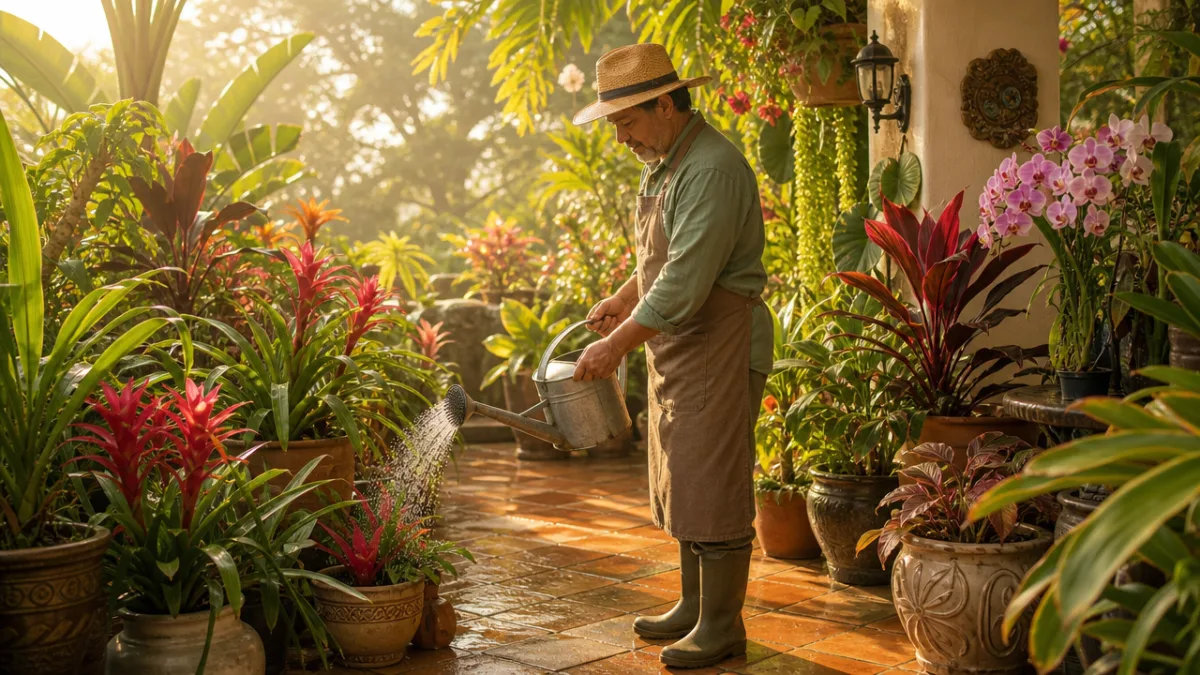
The timing of watering sessions significantly impacts plant health in August. Early morning is widely considered the optimal time, as it allows moisture to reach the root zone before the hottest part of the day causes rapid evaporation, while also ensuring that foliage dries completely before evening, reducing the risk of fungal diseases. Evening watering, while convenient, can leave foliage wet overnight and create ideal conditions for pathogens like powdery mildew and botrytis, which can devastate exotic specimens quickly. Drip irrigation systems, which deliver water directly to the root zone while keeping foliage dry, are an excellent investment for serious exotic plant growers.
Fertilization in August should be approached with both generosity and precision. Because exotic plants are actively growing during this warm period, their nutrient demands are at their highest. A balanced slow-release granular fertilizer applied at the beginning of the month provides a steady nutrient baseline, while supplemental liquid feeding every two weeks with a bloom or growth formula tailored to the specific plant type can push performance to another level. Key nutrients to prioritize include nitrogen for leafy growth, phosphorus for root development and flowering, and potassium for overall plant strength and disease resistance. Micronutrients like magnesium, calcium, and iron are equally important for exotics, many of which display deficiency symptoms quickly in suboptimal conditions.
Some exotic plants have highly specific fertilization requirements that diverge from standard horticultural practice. Carnivorous plants like pitcher plants and sundews, for example, have evolved in nutrient-poor environments and can be harmed or even killed by conventional fertilizers. Orchids generally prefer diluted, balanced fertilizers applied more frequently rather than strong doses at intervals. Bromeliads absorb nutrients primarily through their central cups and foliar surfaces rather than roots, making liquid foliar feeding particularly effective for this family. Taking time to research the specific nutritional needs of each species in your collection will pay significant dividends in plant health and flowering performance throughout August.
Pest and Disease Management for Exotic Plants
August’s warm, humid conditions that benefit exotic plant growth also create ideal circumstances for a range of pests and pathogens. Spider mites are among the most common and damaging pests of tropical plants in summer, thriving in hot, dry conditions and multiplying with alarming speed. Early detection is critical; look for fine webbing on the undersides of leaves and a characteristic stippled or bronzed discoloration on the upper leaf surface. A strong spray of water can dislodge early infestations, while neem oil or insecticidal soap applied regularly provides effective ongoing control without damaging the beneficial insects that populate a healthy garden ecosystem.
Scale insects, mealybugs, and whiteflies are also persistent threats to exotic plants in August. Mealybugs, identifiable by their cottony white masses in leaf axils and stem joints, are particularly problematic on succulents and tropical foliage plants. Isopropyl alcohol applied with a cotton swab is a precise and effective treatment for small infestations, while systemic insecticides can be warranted for more widespread problems. Whiteflies, which congregate on the undersides of leaves and rise in clouds when disturbed, are best managed with yellow sticky traps combined with regular insecticidal soap applications. Maintaining good air circulation around plants and avoiding excessive nitrogen fertilization, which promotes the soft new growth that pests prefer, are important preventive measures.
Fungal diseases represent a significant threat during August, particularly in humid climates or when plants are crowded together. Root rot caused by Phytophthora and Pythium species is the leading killer of container-grown exotic plants, invariably linked to overwatering or poorly draining growing media. Preventing these diseases through appropriate watering practices and well-structured potting mixes is far more effective than attempting to treat established infections. For foliar diseases like anthracnose or cercospora leaf spot, removing affected material promptly, improving air circulation, and applying copper-based fungicides can halt the spread of infection and give the plant a chance to recover.
Propagation Techniques for Late Summer Growth
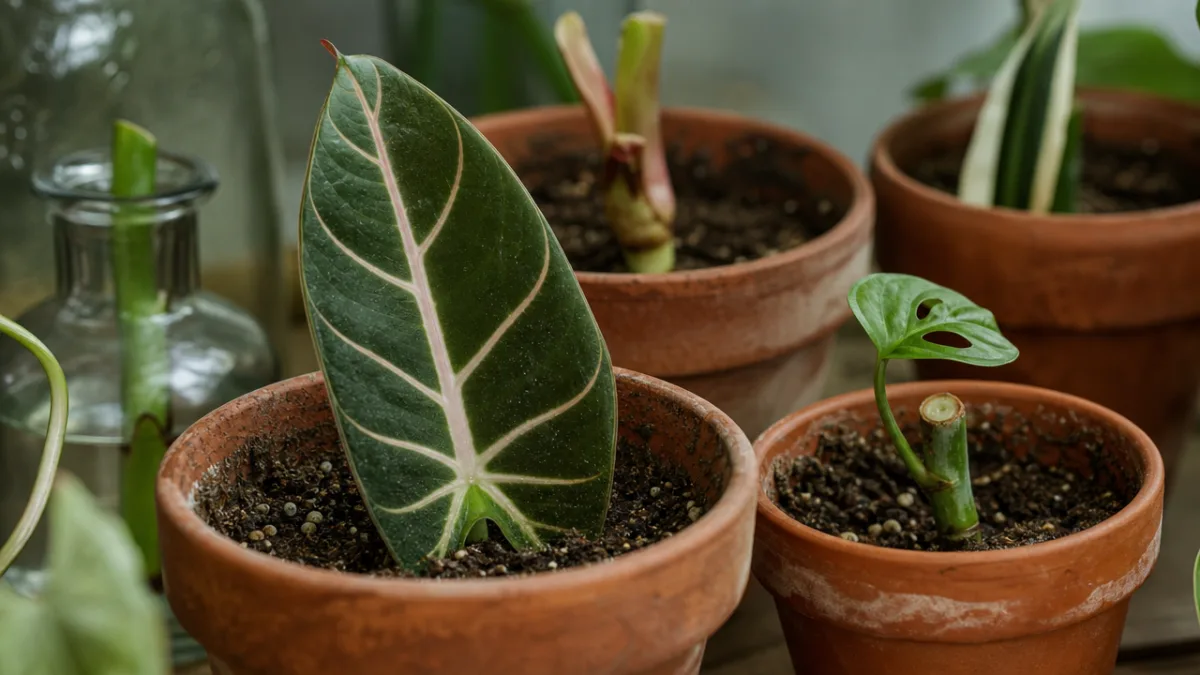
August is a rewarding month for propagating many exotic plant species, as the combination of warmth, humidity, and long days provides near-ideal conditions for rooting cuttings and establishing new divisions. Stem tip cuttings taken from healthy, actively growing plants and treated with rooting hormone before insertion into a well-draining propagation mix will often root within two to four weeks under the right conditions. Maintaining a consistent temperature of around 70 to 80 degrees Fahrenheit in the propagation area and covering cuttings with a clear plastic dome or humidity tent to retain moisture significantly improves success rates for tropical species.
Division is an excellent propagation method for clump-forming exotics like bird of paradise, canna, and ginger. When dividing plants in August, select vigorous outer sections of the clump with healthy roots and emerging growth points, discarding any old or diseased central material. Dust cut surfaces with powdered cinnamon or sulfur as a natural antifungal treatment before potting divisions into fresh growing media. Water new divisions carefully in the first week, prioritizing humidity over soil saturation, and provide bright indirect light rather than direct sun until new root growth has been established and the plant shows signs of resumed growth.
Air layering is a sophisticated but highly effective propagation technique particularly well-suited to woody exotic plants like rubber trees, crotons, and tropical magnolias. The process involves wounding a stem, applying rooting hormone to the wound, and encasing it in moist sphagnum moss wrapped in plastic film until roots develop at the wound site. In August’s warmth, roots often develop within four to six weeks, at which point the rooted section can be severed and potted as an independent plant. This technique produces larger, more established plants far more quickly than cuttings and is invaluable for propagating species that are difficult to root by conventional methods.
Seed propagation, while slower, opens up access to a vast range of exotic species that are not readily available as cuttings or divisions. Many tropical seeds require specific pre-treatment to germinate successfully, including scarification of hard seed coats, soaking in warm water for 24 to 48 hours, or stratification at specific temperatures. August’s warmth means that a heated propagation mat is often unnecessary for germinating seeds of tropical origin, making the process simpler and more energy-efficient. Keeping a detailed journal of germination dates, conditions, and success rates for different species will build a valuable personal reference database that improves your results season after season.
Transitioning Exotic Plants as Summer Ends
As August draws to a close, forward-thinking exotic plant growers begin preparing their collections for the seasonal transition ahead. For gardeners in temperate climates, this means developing a clear plan for which plants will overwinter indoors, which will be protected in place with mulch and frost cloth, and which are hardy enough to remain in the open garden unprotected. Creating an inventory of your collection with notes on each species’ cold hardiness, size, and container versus in-ground status will help you allocate time and resources effectively when the cooler days of September begin to arrive more frequently.
For container-grown exotics that will move indoors, August is the time to begin the acclimatization process gradually. Plants that have spent the summer in full outdoor sun should be moved to a spot with increasing shade over two to three weeks before being brought inside, preventing the shock of suddenly reduced light levels from triggering significant leaf drop. This is also an excellent time to inspect plants carefully for any pest or disease issues that could spread to houseplants once the collection is brought inside. A prophylactic treatment with neem oil or insecticidal soap before the transition indoors provides valuable protection during the more stressful period of adjustment to interior conditions.
For plants that will remain outdoors, late August is the ideal time to apply a generous layer of organic mulch around the root zones of established in-ground exotics. Mulching with shredded bark, straw, or well-composted leaf mold conserves soil moisture, moderates temperature fluctuations, and will provide critical insulation as cooler weather arrives. Reducing or stopping fertilization by the end of August allows plants to begin hardening off their growth naturally, producing more robust stem tissue that is better able to withstand the stresses of autumn and winter. With thoughtful late-summer management, even relatively tender exotic species can be carried through to another growing season in better condition than most gardeners believe possible.








What do you think?
It is nice to know your opinion. Leave a comment.