










Micranthemum sp. Monte Carlo: The Ultimate Guide to This Stunning Aquarium Foreground Plant
Introduction to Micranthemum sp. Monte Carlo
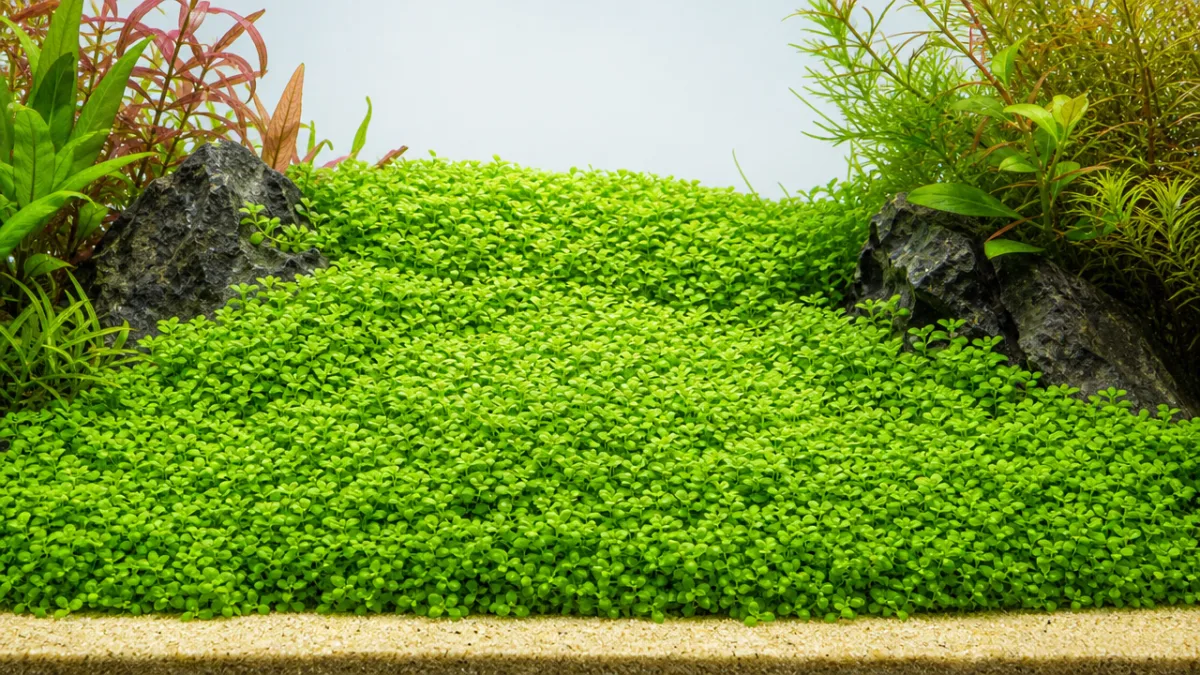
Micranthemum sp. Monte Carlo is one of the most beloved and widely cultivated foreground plants in the aquascaping hobby today. Originating from Argentina, this delicate yet resilient plant has taken the planted aquarium world by storm since its commercial introduction, offering aquarists a lush, carpet-like groundcover that rivals even the most demanding aquatic plants in terms of sheer visual beauty. Its tiny, rounded leaves and creeping growth habit make it an exceptional choice for creating naturalistic aquatic landscapes.
Unlike many foreground plants that require extremely specialized conditions, Monte Carlo occupies a sweet spot that appeals to both beginners and experienced aquascapers alike. It is considerably easier to cultivate than the famous Hemianthus callitrichoides Cuba, yet produces a similarly stunning carpet effect. The plant spreads horizontally by sending out runners across the substrate, gradually filling available space with a dense, bright green mat that gives any aquarium a pristine, professionally designed appearance.
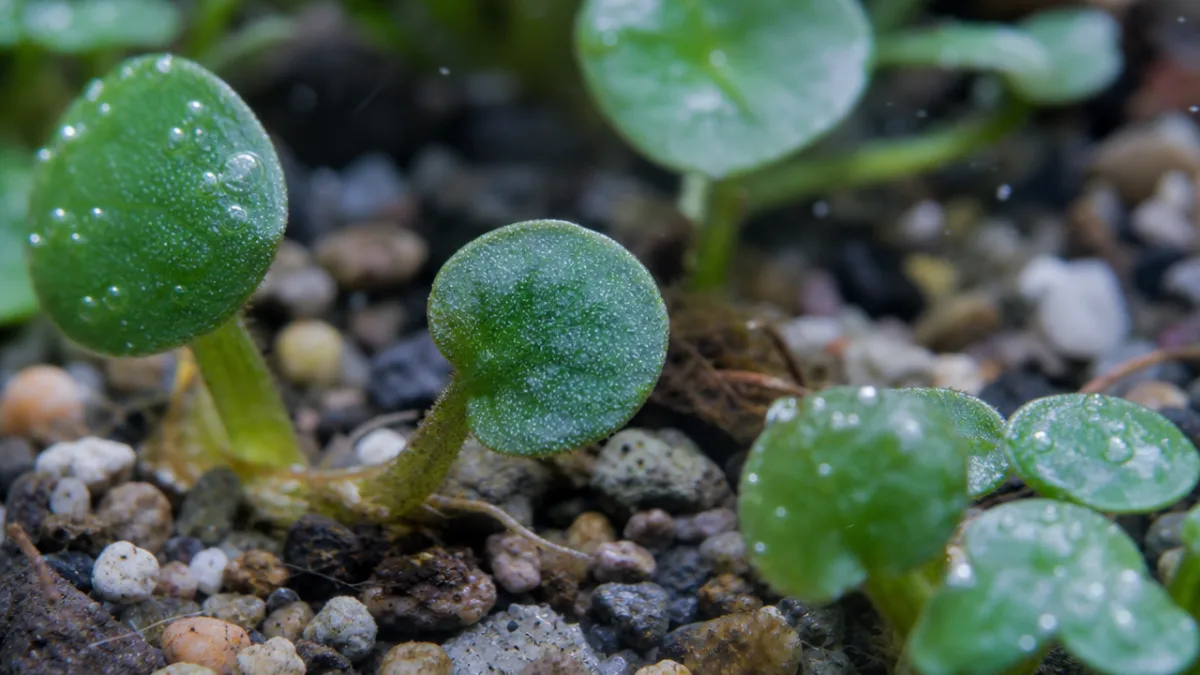
The plant’s botanical classification places it within the family Linderniaceae, and while it shares visual similarities with other small-leaved carpet plants, it possesses its own unique charm. The leaves are slightly larger than those of HC Cuba, which paradoxically makes the carpet easier to establish and maintain. Dutch and Nature-style aquascapers have both embraced Monte Carlo as a go-to foreground solution, and its popularity continues to grow exponentially throughout aquarium communities worldwide, from Europe’s thriving aquascape scenes to North American hobbyist groups and Asian competitive aquascaping circuits.
Natural Habitat and Origin
Micranthemum sp. Monte Carlo was first discovered in the Rio Monte Carlo region of Argentina, hence its colloquial name. In its natural environment, this plant thrives in shallow, clear-water streams and riverbanks where light penetration is strong and water movement is gentle. The subtropical climate of Argentina provides the plant with warm temperatures and nutrient-rich sediment, conditions that aquarists can replicate within the controlled environment of a planted aquarium. Understanding its natural origins is essential for successfully cultivating it in an artificial setting.
In the wild, Monte Carlo grows in areas where water levels fluctuate seasonally. During drier periods, the plant may even grow partially emersed, emerging above the waterline and adapting its form accordingly. This amphibious capability is one reason the plant transitions well between the tissue culture pots commonly sold in aquarium shops and the fully submerged conditions of a home aquarium. Its adaptability across wet and dry growth stages makes it far more resilient than many purely aquatic species, giving hobbyists greater flexibility during the initial planting and establishment phase.
The geological and ecological context of its native habitat also explains Monte Carlo’s somewhat flexible nutrient requirements. Argentine streambeds are characterized by varied mineral content, occasionally nutrient-rich and occasionally more spartan, which has conditioned the plant to cope with a range of water chemistries. This is why Monte Carlo can succeed in both heavily fertilized high-tech planted tanks and in moderately maintained low-tech setups, provided that a few core requirements — particularly light and CO2 — are adequately addressed. This ecological versatility is a defining trait that separates it from many more temperamental aquatic plants.
Water Parameters and Tank Requirements
To cultivate Micranthemum sp. Monte Carlo successfully, aquarists must pay careful attention to several key water parameters. The ideal temperature range falls between 20°C and 28°C (68°F to 82°F), making it suitable for a wide variety of tropical and temperate planted tank setups. Water hardness can range from soft to moderately hard, with a general hardness (GH) of 4 to 12 dGH considered acceptable. The pH should ideally be maintained between 6.0 and 7.5, though the plant has been observed thriving slightly outside this range when other conditions are optimal.
Lighting is arguably the single most important factor when cultivating Monte Carlo. The plant performs best under medium to high light intensities, typically measured at 30 to 50+ PAR (Photosynthetically Active Radiation) at the substrate level. Insufficient light is the most common reason Monte Carlo fails to carpet properly, causing it to grow vertically toward the light source rather than spreading horizontally across the substrate. Aquarists using quality LED fixtures from reputable brands or T5 fluorescent systems generally achieve the best results, with photoperiods of 8 to 10 hours per day producing consistent growth without triggering excessive algae outbreaks.
CO2 injection is highly recommended for Monte Carlo, though not absolutely mandatory in every setup. Injected CO2, maintained at approximately 20 to 30 mg/L, dramatically accelerates growth rate and encourages the dense, low-growing carpet that makes this plant so desirable. Without CO2, growth is significantly slower and the carpet may appear less compact. For those running low-tech tanks without CO2 injection, success is still achievable with high-quality lighting and a nutrient-rich substrate, but patience is essential as the establishment phase can take two to three times longer than in a CO2-supplemented system.
Planting Techniques and Substrate Considerations
The method used to plant Monte Carlo has a profound impact on how quickly and evenly the carpet establishes itself. The most popular approach among experienced aquascapers involves dividing the plant into small portions and planting them in a grid-like pattern across the foreground substrate, spacing each clump approximately 2 to 3 centimeters apart. Using aquascaping tweezers to push the roots and lower stems firmly into the substrate ensures that the plant anchors properly and begins sending out runners without floating free during water changes or from fish activity in the early stages.
Substrate choice is critical for long-term Monte Carlo success. Active plant substrates such as ADA Amazonia, Tropica Aquarium Soil, or equivalent nutrient-rich granular media provide the ideal rooting medium. These substrates are slightly acidic, which complements the plant’s preferred pH range, and their porous structure allows roots to penetrate deeply while storing nutrients available for gradual uptake. Inert substrates like plain gravel or sand can work but will require more intensive liquid fertilization to compensate for the absence of substrate-based nutrition. A substrate depth of at least 5 to 7 centimeters is recommended to support healthy root development.
An alternative planting technique that has gained popularity is the “dry start method” (DSM), in which Monte Carlo is planted in a moist but not fully flooded tank and allowed to establish in emersed conditions for several weeks before water is slowly introduced. This approach takes advantage of the plant’s natural amphibious growth habit and can result in a remarkably dense, even carpet before the aquarium is even filled. DSM plants often transition to submerged growth with minimal melt or setback, making the method particularly attractive for large aquascapes where achieving full foreground coverage quickly is desirable.
When planting Monte Carlo purchased as tissue culture (TC) specimens, which is the most common commercial form available in European aquarium shops including those in the Netherlands, it is important to rinse the plant thoroughly in clean water to remove the agar gel medium used in the laboratory cultivation process. Agar left on the plant can promote bacterial and fungal growth in the aquarium. After rinsing, the plants should be separated into small portions and planted promptly. TC plants are among the cleanest, pest-free, and most disease-free forms of Monte Carlo available, making them the preferred choice for scrupulously maintained planted tanks.
Fertilization and Long-Term Maintenance
A consistent and well-planned fertilization regimen is essential for maintaining a healthy, vibrant Monte Carlo carpet over the long term. The plant requires all essential macro and micronutrients, with particular demand for nitrogen (N), phosphorus (P), potassium (K), and iron (Fe). Aquarists following the Estimative Index (EI) dosing method or using commercially prepared all-in-one liquid fertilizers such as those from Tropica, Seachem Flourish, or similar brands typically achieve excellent results. Yellowing of older leaves often signals a nitrogen or iron deficiency, while stunted growth may indicate insufficient potassium or micronutrient availability.
Regular maintenance trims are necessary to keep the Monte Carlo carpet dense and low-growing. Over time, the carpet can develop multiple layers as older growth is overlaid by newer runners, creating a thick mat where the lower portions may receive insufficient light and begin to decay. Trimming the carpet to approximately 1 to 2 centimeters above the substrate every three to four weeks encourages lateral runner production and maintains the characteristic tight, even carpet appearance. Sharp, flat-ended aquascaping scissors make this task straightforward and allow for clean, precise cuts without disturbing the surrounding substrate.
Water changes are another integral component of long-term Monte Carlo maintenance. Regular water changes of 25 to 50 percent weekly help prevent the accumulation of inhibitory waste compounds, dilute excess nutrients that might otherwise trigger algae outbreaks, and maintain stable water chemistry. During water changes, aquarists should take care not to disturb the foreground carpet with strong siphon action, as Monte Carlo’s runners can become dislodged before they are fully anchored in newly established sections. A gentle, directed siphon technique focused on open water areas rather than directly over the carpet minimizes this risk considerably.
Common Problems and Troubleshooting
Despite its relative hardiness, Monte Carlo is not immune to the challenges that affect planted aquariums generally. Algae overgrowth is among the most frequently reported problems, particularly green spot algae (GSA) on the leaves and green thread algae growing through the carpet. GSA is typically linked to low phosphate levels or excessively long photoperiods combined with high light intensity. Adjusting the fertilization regimen to ensure adequate phosphorus availability and keeping photoperiods controlled at 8 hours or less during the initial tank cycling period usually resolves or prevents this issue. Thread algae can often be addressed by introducing algae-grazing fauna such as Amano shrimp or Otocinclus catfish.
Melting, or the rapid deterioration of leaves after initial planting, is another common concern that alarms many first-time Monte Carlo growers. This melting phenomenon is a normal adaptive response that occurs when plants transition from emersed to submerged growth forms, or when tissue culture plants acclimate to aquarium conditions after the sterile agar environment in which they were cultivated. New submersed leaves typically emerge from healthy root systems within one to three weeks, and the plant will generally recover fully without any intervention beyond maintaining stable water parameters and appropriate lighting. Premature removal of melting plants is a mistake many novice aquarists make, depriving themselves of plants that would have recovered and thrived.
Uneven carpet growth, where some areas establish quickly while others remain sparse or fail to fill in, is usually a consequence of inconsistent light distribution or substrate irregularities. Checking PAR values across the foreground area of the tank with a PAR meter can identify shadowed zones that require lighting adjustments. Repositioning light fixtures or adding supplementary lighting over problematic areas typically resolves uneven growth. Filling gaps manually by transplanting runners from dense sections to sparse areas is also effective and can accelerate the achievement of a fully carpeted foreground.
Root rot, characterized by blackening of stems at the substrate level and the plant floating free from the substrate, is a more serious issue usually caused by anaerobic conditions in compacted or overly deep substrate. Ensuring adequate substrate depth without over-compaction, and occasionally gently stirring the substrate near the roots during water changes to release trapped gases, helps prevent this condition. Choosing a high-quality granular substrate with good porosity rather than fine-grained sand is a preventive measure worth taking from the outset of a Monte Carlo project.
Compatibility with Fish, Invertebrates, and Other Plants
One of Monte Carlo’s great strengths as an aquarium plant is its compatibility with a wide range of tank inhabitants. Nano fish species are ideal companions, as their small size means they move through and above the carpet without causing the kind of substrate disturbance that larger, more boisterous fish would create. Popular choices include:
- Ember tetras (Hyphessobrycon amandae) — tiny, vibrant orange fish that contrast beautifully against the green carpet
- Boraras brigittae (chili rasboras) — peaceful micro-fish ideally suited to nano planted tanks
- Green neon tetras (Paracheirodon simulans) — schooling fish that complement the natural aesthetic
- Pygmy corydoras (Corydoras pygmaeus) — bottom-dwelling fish that animate the foreground without disturbing it
- Celestial pearl danios (Danio margaritatus) — striking small fish that thrive in similar water parameters
Invertebrates are among the best companions for a Monte Carlo carpet tank. Neocaridina and Caridina shrimp species not only add visual interest but actively graze on biofilm and microalgae that accumulate on plant surfaces, serving as a natural cleaning crew that keeps the carpet looking pristine. Nerite snails are similarly beneficial, consuming algae from leaves and hardscape without damaging the plant tissue itself. Mystery snails can be kept but should be monitored, as they occasionally nibble on delicate plant matter, though Monte Carlo is generally robust enough to withstand light snail grazing without significant damage.
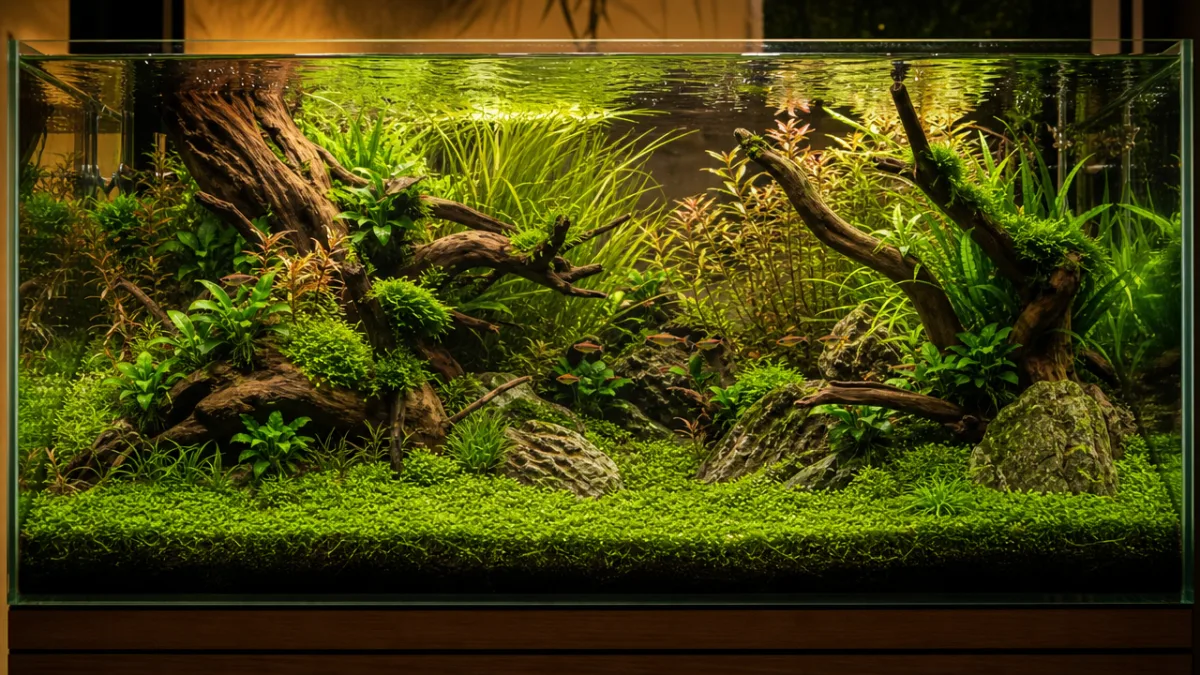
When pairing Monte Carlo with other aquatic plants, the key consideration is that foreground carpets require unobstructed light access. Tall background plants should be positioned carefully so they do not cast shadows over the Monte Carlo foreground during the photoperiod. Midground plants like Anubias nana petite or Bucephalandra species placed on hardscape rather than the substrate can complement Monte Carlo beautifully without competing for light or rooting space. Stem plants in the background, such as Rotala rotundifolia or Ludwigia palustris, provide color contrast and vertical interest that enhances the visual impact of the low, horizontal Monte Carlo carpet in the foreground.
Monte Carlo in Aquascaping Styles and Design
Micranthemum sp. Monte Carlo has established itself as a cornerstone plant in multiple major aquascaping design philosophies. In the Nature Aquarium style pioneered by Takashi Amano and popularized by ADA (Aqua Design Amano), Monte Carlo serves as the quintessential foreground carpet, replicating the appearance of a mossy forest floor or a sunlit meadow in miniature. Its uniformly small leaves and consistent growth height create the sense of scale and depth that Nature Aquarium compositions depend on for their immersive, landscape-mimicking aesthetic. When paired with natural driftwood and volcanic rock hardscape, Monte Carlo anchors compositions with an undeniable organic quality.
In the Dutch Aquarium style, Monte Carlo occupies a different but equally important role. Dutch aquascaping emphasizes meticulous plant arrangement in defined rows or groups with strong use of color and texture contrast. Monte Carlo’s bright, uniform green provides a visually quiet foreground zone that allows the more dramatic colors and textures of the background and midground plant groups to stand out. Its low, even growth also respects the strict visual lines that Dutch style demands, and its long-term manageability through regular trimming makes it a practical choice for maintaining the precise compositions that Dutch aquascaping competitions require.
For Iwagumi aquascapes — a minimalist style characterized by carefully arranged stone groupings and a single, dominant carpet plant — Monte Carlo has become a popular alternative to the more demanding Eleocharis acicularis (hair grass) or HC Cuba. The simplicity of an Iwagumi composition means the carpet plant must be flawless, and Monte Carlo’s dense, uniform growth delivers the pristine green expanse that this style requires. Its slightly larger leaf size compared to HC Cuba gives Iwagumi aquascapes a somewhat softer, more accessible appearance that many aquarists find more approachable while still achieving competition-level visual impact.








What do you think?
It is nice to know your opinion. Leave a comment.