










How to Grow and Care for Larch Trees: A Complete Guide
Introduction to Larch Trees
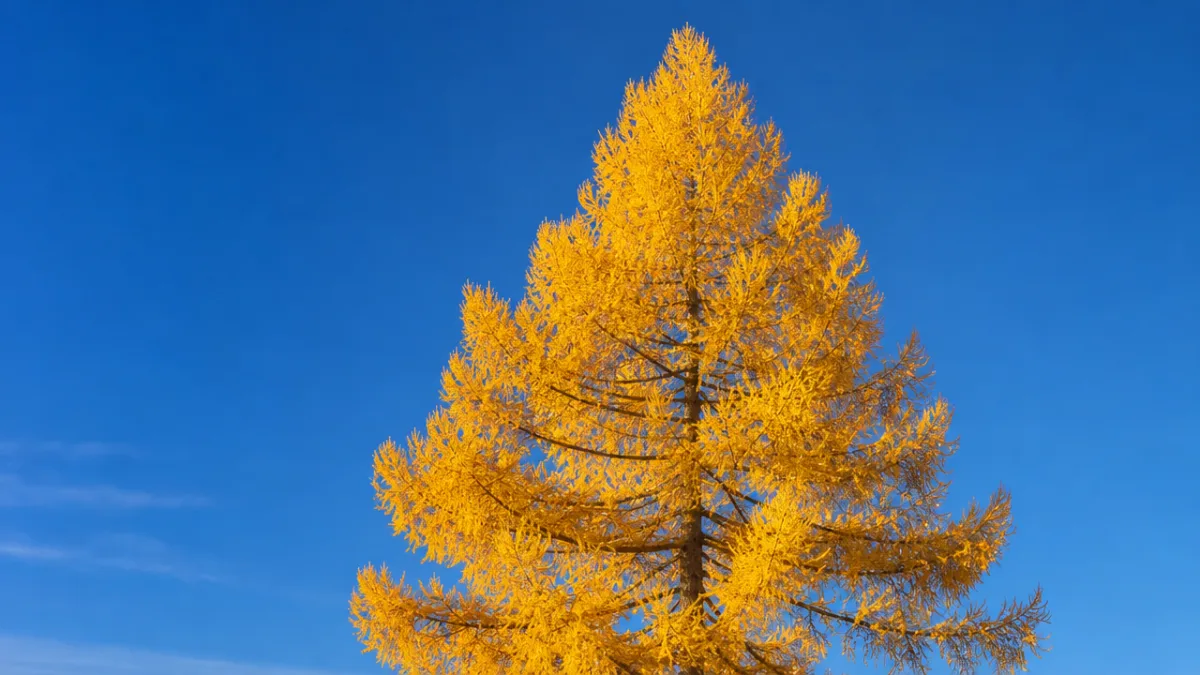
Larch trees are among the most fascinating and distinctive conifers in the plant kingdom, celebrated for their unusual characteristic of being deciduous — unlike most needle-bearing evergreens, larches shed their needles every autumn in a breathtaking display of golden color. Belonging to the genus Larix within the family Pinaceae, these stately trees are native to the cooler temperate and boreal regions of the Northern Hemisphere, including North America, Europe, and Asia. Their combination of rugged beauty and seasonal drama makes them a compelling addition to any landscape.
There are approximately ten to fifteen recognized species of larch worldwide, with some of the most commonly cultivated being the European larch (Larix decidua), the Japanese larch (Larix kaempferi), and the American native tamarack (Larix laricina). Each species brings its own subtle distinctions in needle color, growth habit, and cone structure, yet all share that signature autumn transition from soft green to vivid gold before the needles drop. gardeners who discover larches often become devoted enthusiasts, captivated by a tree that behaves like a deciduous hardwood yet carries the architecture of a pine.
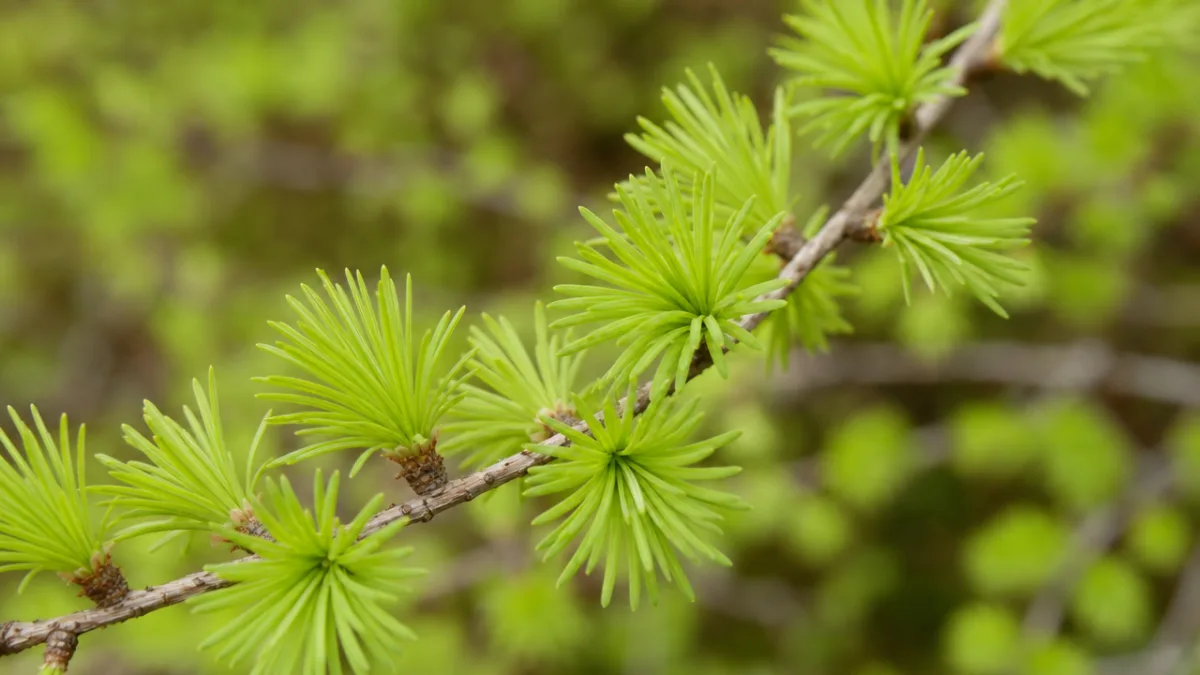
Beyond their aesthetic appeal, larch trees serve important ecological roles. They provide habitat for numerous bird species, particularly crossbills and siskins that feed on their small cones. Their wood is extraordinarily durable and rot-resistant, historically prized for boat building, fencing, and structural timber. In garden settings, larches offer year-round visual interest through their spring lime-green emergence, summer fullness, autumn gold, and dramatic bare winter silhouette, making them a four-season performer few other trees can match.
Choosing the Right Larch Species for Your Garden
Selecting the appropriate larch species for your specific growing conditions is the first and arguably most important step toward success. The European larch (Larix decidua) is perhaps the most widely planted ornamental species, known for its graceful, slightly pendulous branch tips and its ability to reach impressive heights of 100 feet or more in ideal conditions. It thrives across a broad range of climates and is an excellent choice for gardeners in USDA hardiness zones 2 through 6, tolerating harsh winters with remarkable resilience while producing attractive small cones that persist on the branches through winter.
The Japanese larch (Larix kaempferi) is another superb ornamental choice, valued for its broader crown, slightly bluish-green needles, and the distinctive recurved bracts visible on its cones. It grows somewhat faster than its European cousin and tends to be more tolerant of slightly humid conditions, making it popular in the United Kingdom and Pacific Northwest regions. For North American gardeners in the northeast and upper Midwest, the native tamarack offers a particularly sustainable option, as it has co-evolved with local wildlife and is naturally adapted to cold, boggy conditions where few other trees can survive.
Dwarf and weeping cultivars have expanded the possibilities for smaller gardens considerably. Varieties such as Larix decidua ‘Pendula’ offer the signature golden autumn display in a dramatically weeping form that suits smaller spaces and specimen planting. Larix kaempferi ‘Blue Dwarf’ provides a compact, mounding shape ideal for rock gardens or containers. When choosing a cultivar, consider not just mature size but also growth rate, since standard larches can expand rapidly and may quickly outgrow a modest garden if not planned for carefully from the start.
Planting Larch Trees: Site Selection and Soil Preparation
Larches are sun-loving trees that perform best in locations receiving full sun for at least six hours per day. Insufficient light leads to sparse foliage, weak growth, and increased susceptibility to disease. When scouting for a planting site, also consider the mature canopy spread of your chosen species and ensure there is adequate clearance from buildings, overhead utilities, and other large trees. Good air circulation around the planting site also helps prevent fungal issues, which can occasionally trouble larches in persistently damp, stagnant conditions.
Soil quality and drainage are critically important factors for larch establishment and long-term health. While larches are adaptable to a range of soil types including sandy loams, clay-based soils, and even mildly acidic peaty grounds, they universally demand good drainage. Waterlogged soil — except in the case of the naturally wetland-adapted tamarack — leads to root rot and rapid decline. Before planting, test your soil’s pH, aiming for a slightly acidic to neutral range of 5.5 to 7.0. If your soil is compacted clay, incorporate generous amounts of coarse grit and organic compost to improve both drainage and aeration.
Planting time matters significantly for larch establishment. Bare-root specimens are best planted during dormancy in late autumn or early spring before bud break, when the tree’s energy reserves are available to support root development without the simultaneous demands of foliage production. Container-grown plants offer more flexibility and can be installed from spring through early autumn, provided they receive consistent watering during their establishment period. Dig a planting hole two to three times the width of the root ball but no deeper than necessary — setting the tree at the same depth it was growing in the nursery is essential to avoid collar rot.
Watering, Fertilizing, and General Maintenance
Newly planted larch trees require consistent moisture during their first two to three growing seasons as they establish their root systems. During dry spells, deep watering once or twice per week is far more beneficial than frequent shallow irrigation, as it encourages roots to grow deeper into the soil profile where moisture is more stable. A two to four inch layer of organic mulch applied around the base of the tree — kept a few inches away from the trunk itself — helps retain soil moisture, moderate temperature extremes, and suppress competing weeds during this critical establishment window.
Once established, larches are notably drought-tolerant and require minimal supplemental irrigation in most climates. Mature trees in average rainfall regions typically need no additional watering unless faced with prolonged drought. Overwatering is actually a more common mistake than underwatering with established larches, as chronically saturated soil suffocates roots and invites disease. Gardeners in arid climates may need to provide supplemental irrigation during summer dry periods, but should always allow the soil to partially dry between watering sessions to maintain appropriate soil oxygen levels.
Fertilization requirements for larches are generally modest. In nutrient-poor soils, an application of a balanced slow-release fertilizer in early spring as new growth emerges can support vigorous development. However, in reasonably fertile garden soils, annual fertilization is often unnecessary and can in fact cause problems by promoting overly lush, soft growth that is more vulnerable to pest damage and environmental stress. If a soil test reveals specific deficiencies — iron chlorosis causing yellowing needles is occasionally seen in alkaline soils — targeted amendments such as chelated iron or sulfur applications to lower pH will address the issue more precisely than broad-spectrum feeding.
Pruning larches is rarely necessary for their health and natural form, but light corrective pruning can be done in late winter while the tree is dormant. Remove any dead, damaged, or crossing branches using clean, sharp tools to maintain good structure and airflow. Avoid heavy pruning of mature specimens, as larches do not regenerate readily from old wood. Shaping young trees during their first few years to encourage a single dominant leader and well-spaced lateral branches will pay dividends in structural integrity as the tree matures into its full size.
Common Pests and Diseases Affecting Larch Trees
Larch trees, while generally robust and long-lived, are susceptible to a number of pests and diseases that gardeners should be aware of. The larch casebearer (Coleophora laricella) is one of the most recognized insect pests, a tiny moth whose larvae mine individual needles from the inside, causing a characteristic bronzing and browning of the foliage in late spring and early summer. Infestations can cause significant aesthetic damage and, in severe repeated cases, weakened growth. Natural predators including parasitic wasps often keep populations in check, but targeted insecticidal treatments may be warranted when outbreaks are severe.
Woolly larch aphids (Adelges strobilobius) can also appear, particularly on young trees, producing distinctive woolly white tufts at the base of needle clusters. While a light infestation rarely causes lasting harm to an otherwise healthy tree, heavy populations can cause needle distortion and premature drop. Larch needle cast, caused by various fungal pathogens including Meria laricis and Mycosphaerella laricina, produces browning and early shedding of needles during wet spring and summer conditions. Improving air circulation, avoiding overhead irrigation, and applying copper-based fungicides preventatively in persistently wet seasons helps manage this fungal challenge.
Perhaps the most serious disease threat facing larches today is Phytophthora root rot, caused by water mold pathogens that thrive in poorly drained soils. Affected trees show progressive dieback from the top down, yellowing needles, and resinous lesions at the base of the trunk. Prevention through proper site selection and soil preparation is far more effective than any chemical treatment once infection is established. Additionally, larch canker caused by the fungus Lachnellula willkommii can girdle branches and trunks, producing sunken, resin-soaked lesions. Prompt removal of infected material and maintenance of overall tree vigor through appropriate care are the best defenses against this pathogen.
Larch Trees in Landscape Design and Special Uses
Few trees offer the design versatility of the larch. As a large specimen tree, a mature larch creates a dramatic focal point in any landscape, its pyramidal form and seasonal color transitions commanding attention throughout the year. In naturalistic plantings and woodland gardens, larches combine beautifully with other acid-loving plants such as rhododendrons, heathers, and ferns, providing filtered light beneath their canopy that many shade-tolerant woodland species appreciate. Their open branch structure even in full leaf allows sufficient light penetration that the ground beneath need not remain bare.
Larch trees have a long and distinguished history in the Japanese art of bonsai, where their elegant needle clusters, attractive small cones, and willingness to be shaped through careful pruning and wiring make them ideal subjects. The Japanese larch in particular is a favorite among bonsai practitioners worldwide, celebrated for the way its delicate spring foliage and autumn golden color are miniaturized yet fully expressed in a container planting. For those interested in bonsai, larches offer a forgiving introduction to the art, as they are vigorous growers that recover well from styling work when done correctly.
In commercial forestry contexts, larches — particularly the hybrid Dunkeld larch (Larix × eurolepis), a cross between European and Japanese larches — are valued for their exceptionally fast growth rate and the outstanding quality of their timber. Larch wood is dense, naturally resistant to decay, and takes preservatives well, making it highly sought after for outdoor construction, cladding, decking, and heavy structural applications. The resinous properties of larch timber have historically made it a preferred material for shipbuilding and water-contact applications where durability under wet conditions is paramount.
For gardeners interested in wildlife-friendly planting, few trees reward the effort of establishment with as rich a return in ecological benefit as the larch. The cones provide an important food source for red squirrels and various finch species through autumn and winter. The open, branching structure provides ideal nesting sites for numerous songbirds, while the leaf litter of fallen needles creates habitat for ground-dwelling invertebrates. Planting a larch is not merely an aesthetic decision — it is an investment in a living ecosystem that will continue to develop and diversify in biological richness over the decades and centuries of the tree’s potential lifespan.

Propagation and Long-Term Care of Mature Larch Trees
Larches can be propagated by seed, and this remains the most reliable method for producing vigorous, true-to-species specimens. Collect cones in autumn just as they begin to open naturally, then allow them to dry in a warm location until the seeds fall freely. Larch seeds benefit from a period of cold stratification — approximately six to eight weeks at around 34 to 41 degrees Fahrenheit — before sowing in spring. Sow seeds in well-draining, slightly acidic seed compost and maintain consistent moisture. Germination is generally reliable, and seedlings grow quickly in their first season if kept in a bright, airy location.
Grafting is the standard method for propagating named cultivars and weeping forms, ensuring that the distinctive characteristics of the parent plant are preserved in offspring. This is typically performed by specialist nurseries rather than home gardeners, as the technique requires skill and appropriate rootstock. Cuttings from larches are generally difficult to root successfully, unlike many other conifers, which is why grafted nursery plants represent the most practical route for gardeners seeking specific cultivars. When purchasing grafted specimens, inspect the graft union carefully for any signs of incompatibility or disease before planting.
As larch trees mature into their second and third decade of growth, their care requirements shift. The deep, extensive root system of a well-established larch makes the tree highly self-sufficient in terms of water and nutrients, and intervention in its growing environment should be minimal. Avoid disturbing the soil within the drip line through heavy construction, soil compaction, or grade changes, as these can fatally damage the feeder roots that sustain the tree. If structural concerns arise with very large, aging specimens — particularly regarding proximity to buildings or paths — consult a qualified arborist rather than attempting significant pruning work independently.
The longevity of larch trees is one of their most remarkable attributes. Under favorable conditions, larches can live for several centuries, with some European specimens recorded at over 500 years old. This long lifespan means that planting a larch is genuinely an act of generational gardening — a gift to future inhabitants of the land as much as to the present gardener. Watching a larch grow from a slender whip into a majestic, towering specimen over the course of a human lifetime is one of the profound rewards of working with these extraordinary trees, connecting the gardener to both the ancient landscape traditions and the living future of the natural world.








What do you think?
It is nice to know your opinion. Leave a comment.