










Origanum Dictamnus: Complete Guide to Growing Dittany of Crete in Your Garden
Introduction to Origanum Dictamnus: A Herb Steeped in History and Beauty
Origanum dictamnus, commonly known as Dittany of Crete or Cretan dittany, is one of the most enchanting and historically significant herbs you can cultivate in your garden. Native to the rocky mountainous regions of Crete, Greece, this remarkable plant has captivated botanists, healers, and gardeners for thousands of years. Its silver-white woolly leaves and delicate pink to purple flower spikes create a visual spectacle that few other herbs can rival, making it both a functional and ornamental treasure for any thoughtful gardener.
The plant carries an extraordinary mythological legacy. In ancient Greek and Roman literature, Dittany of Crete was celebrated as a wound-healing miracle herb, reportedly used by goddess Aphrodite herself to heal Aeneas after battle. Aristotle and Theophrastus both wrote of its incredible properties, and it was so prized in antiquity that gathering it from the sheer cliff faces of Mount Dicte was considered a feat of extraordinary bravery. This rich heritage adds a layer of romance and depth to every plant you grow, connecting your garden to centuries of human fascination.
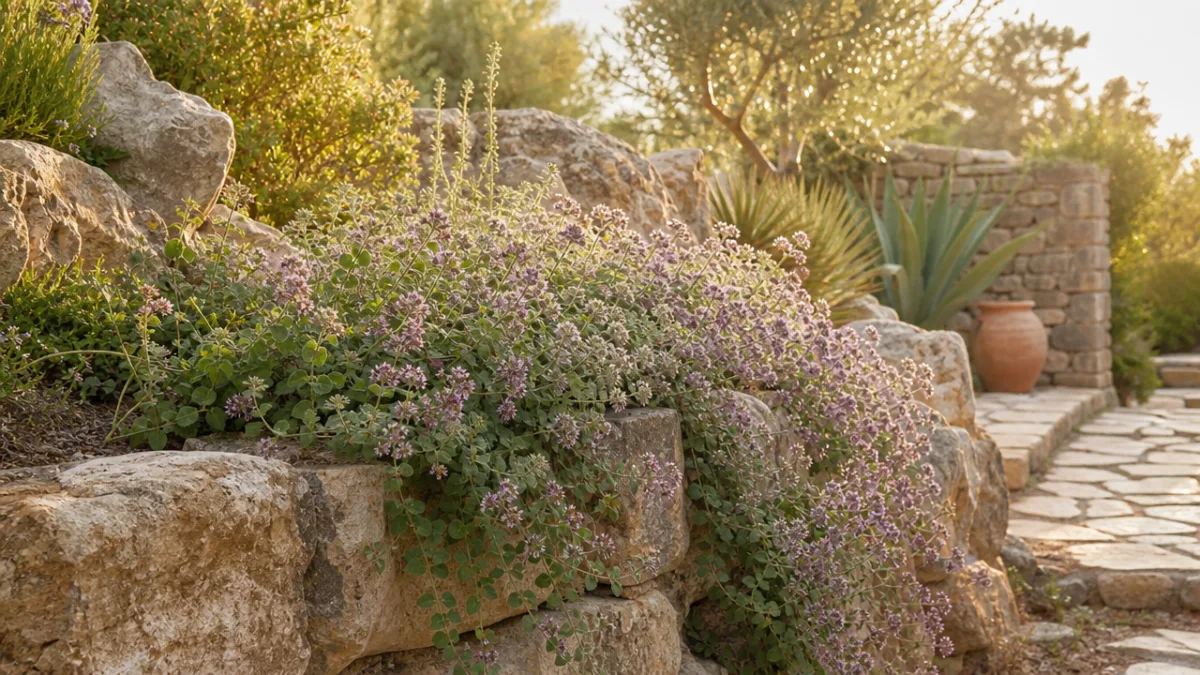
Beyond its storied past, Origanum dictamnus offers modern gardeners a genuinely rewarding experience. The plant thrives in conditions that many other herbs struggle with, including rocky, poor soil and intense Mediterranean-style heat. Its aromatic foliage releases a warm, oregano-like fragrance when brushed, and its trailing growth habit makes it equally suited to container gardening, rock gardens, hanging baskets, and terrace plantings. Whether you are an experienced horticulturist or an enthusiastic beginner, incorporating this herb into your garden design will reward you season after season with beauty, fragrance, and versatility.
Understanding the Plant’s Unique Characteristics and Growth Habits
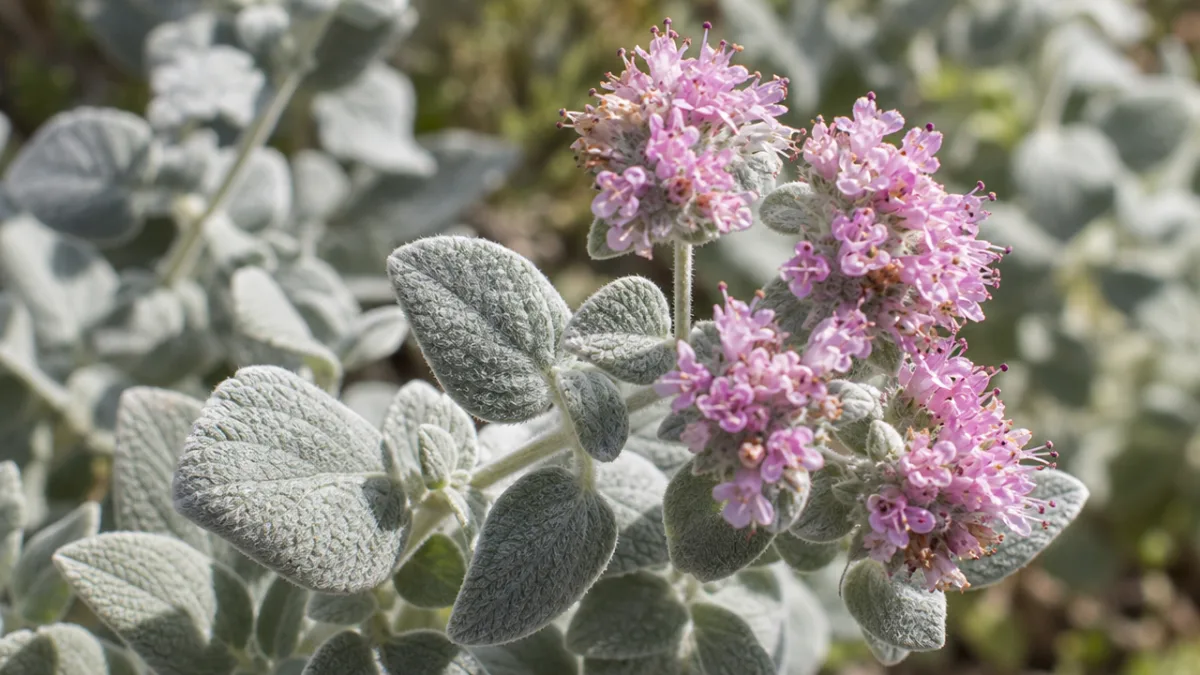
Origanum dictamnus is a compact, semi-woody subshrub that typically reaches between 20 and 30 centimeters in height, though its trailing stems can spread considerably wider, giving it an elegant cascading appearance when planted in elevated containers or along the edges of raised beds. The most immediately striking feature of the plant is its foliage — round, soft leaves densely coated in fine white woolly hairs that give the entire plant a silvery, almost luminous appearance. This dense coating serves a vital ecological function, protecting the plant from intense sunlight and reducing water loss in its native arid habitat.
The flowering period, which typically runs from late spring through summer, produces one of nature’s most charming botanical displays. Slender, arching stems emerge from the foliage and bear hop-like clusters of overlapping green to pink bracts, from which tiny tubular pink to purple flowers emerge. These nodding flower clusters dangle gracefully like delicate earrings, swaying gently in the breeze and attracting bees, butterflies, and other beneficial pollinators. The combination of the silver foliage and the rose-tinted flower clusters creates a color palette that is soft, romantic, and deeply appealing in garden design.
Understanding how this plant grows naturally helps you replicate its ideal conditions in cultivation. In the wild, it clings to limestone cliffs and rocky slopes where drainage is absolute and rainfall is seasonal. The plant has adapted over millennia to periods of drought followed by occasional moisture, and it has developed a root system that searches deep into crevices for water and nutrients. This means that in cultivation, the greatest mistake a gardener can make is overwatering or planting in heavy, compacted soils. Respecting its natural growth habits is the single most important principle in growing Origanum dictamnus successfully.
Ideal Growing Conditions: Soil, Sun, and Climate Requirements
Origanum dictamnus demands well-drained, alkaline to neutral soil above all else. In its native Crete, it grows in limestone crevices where water drains away almost immediately after rain. When cultivating this plant in garden beds, you must replicate this condition as closely as possible. Sandy loam or gritty soil mixed generously with perlite, coarse sand, or fine gravel will provide the fast drainage the plant requires. If your native soil is heavy clay or retains moisture for extended periods, growing the plant in raised beds or containers with specialist free-draining compost is strongly advisable. Poor soil fertility is actually beneficial, as rich, nutrient-heavy soil encourages lush but weak, disease-prone growth.
Full sun exposure is non-negotiable for this plant to thrive. Origanum dictamnus evolved under the blazing Mediterranean sun, and it genuinely needs six to eight hours of direct sunlight daily to maintain its characteristic compact shape, dense woolly coating, and vigorous flowering. In shadier conditions, the plant becomes leggy and stretched, loses its appealing silvery density, and flowers poorly. If you are gardening in a climate with milder summers and less intense sunshine, choose the sunniest, most sheltered spot available — ideally against a south-facing wall that reflects heat and provides additional warmth through the growing season.
In terms of climate hardiness, Origanum dictamnus is moderately frost-tolerant but benefits from winter protection in colder regions. It generally survives light frosts down to approximately minus five degrees Celsius if planted in very well-drained soil, since it is excess moisture combined with cold that causes the most damage. In USDA hardiness zones 7 through 10, it can often be grown as a perennial outdoors year-round. In colder zones, many gardeners treat it as a tender perennial, bringing containers indoors to a cool, bright position for winter or taking cuttings in late summer to overwinter young plants as insurance against losses in the main garden.
Planting, Propagation, and Establishment Techniques
Growing Origanum dictamnus from seed is possible but requires patience and attention to detail. Seeds are tiny and benefit from surface sowing on a gritty, well-draining seed compost without covering them, as they need light to germinate. Germination is somewhat irregular and can take anywhere from two to four weeks under warm conditions of around 18 to 22 degrees Celsius. A propagator or warm windowsill is ideal for encouraging consistent germination. Once seedlings are large enough to handle, they should be pricked out carefully and potted into small individual containers filled with a free-draining mix, where they will develop into sturdy young plants over several months before being transplanted to their final positions.
Vegetative propagation through stem cuttings is generally more reliable and produces plants that mature and flower more quickly than those grown from seed. Take softwood cuttings of around 5 to 8 centimeters in length from non-flowering shoots in late spring or early summer. Remove the lower leaves, dip the cut end in hormone rooting powder, and insert the cuttings into small pots of perlite and peat-free compost in equal parts. Place in a warm, bright location out of direct sun and keep the medium barely moist. Rooting typically occurs within three to five weeks, after which the young plants can be gradually acclimatized to full sun conditions before planting out.
When it comes to spacing and establishment, giving each plant adequate room to develop its characteristic spreading growth is important. Space plants approximately 30 to 40 centimeters apart to allow good air circulation, which helps prevent the fungal issues that can affect densely planted specimens in humid climates. Water newly planted specimens regularly for the first few weeks while they establish their root systems, then progressively reduce watering frequency as the plants settle in. Adding a layer of grit or gravel mulch around the base of the plant helps keep the crown dry, reflects heat upward into the foliage, and discourages slug damage — a combination of benefits that significantly improves long-term plant health.
Watering, Feeding, and Ongoing Care Through the Seasons
Once established, Origanum dictamnus is a remarkably low-maintenance plant in terms of watering. The single most important rule is to water deeply but infrequently, allowing the soil to dry out almost completely between waterings during the growing season. This approach encourages the plant to develop a deep, extensive root system that makes it increasingly drought-tolerant over time. During the cooler months of autumn and winter, watering should be reduced dramatically — in most temperate climates, rainfall alone will provide more than sufficient moisture during this period, and additional irrigation can cause the root rot that is the most common cause of failure with this species.
Feeding requirements are minimal, which is one of the many practical advantages of growing this herb. In its native habitat, Origanum dictamnus survives in nutrient-poor rocky soils, and replicating this lean diet in cultivation produces stronger, more compact, and more aromatic plants. If you feel your plants would benefit from supplemental feeding, a light application of a low-nitrogen, high-potassium liquid feed — such as a tomato fertilizer diluted to half strength — applied once or twice during the growing season is sufficient. Avoid nitrogen-rich fertilizers entirely, as these promote the soft, lush growth that makes the plant susceptible to disease and reduces its characteristic woolly silver appearance and intense fragrance.
Pruning is an important aspect of ongoing care that keeps plants shapely and productive over multiple seasons. After flowering, trim the plant back by approximately one third to encourage fresh basal growth and maintain a compact mounding habit. Avoid cutting back into old, bare woody stems, as this part of the plant often fails to regenerate reliably. In early spring, remove any winter-damaged or dead growth and give the plant a light tidy. In climates where the plant faces harsh winters, a light covering of dry mulch or horticultural fleece applied in late autumn can provide valuable insulation without trapping the moisture that would be damaging to the crown and root system.
Culinary, Medicinal, and Aromatic Uses of Origanum Dictamnus
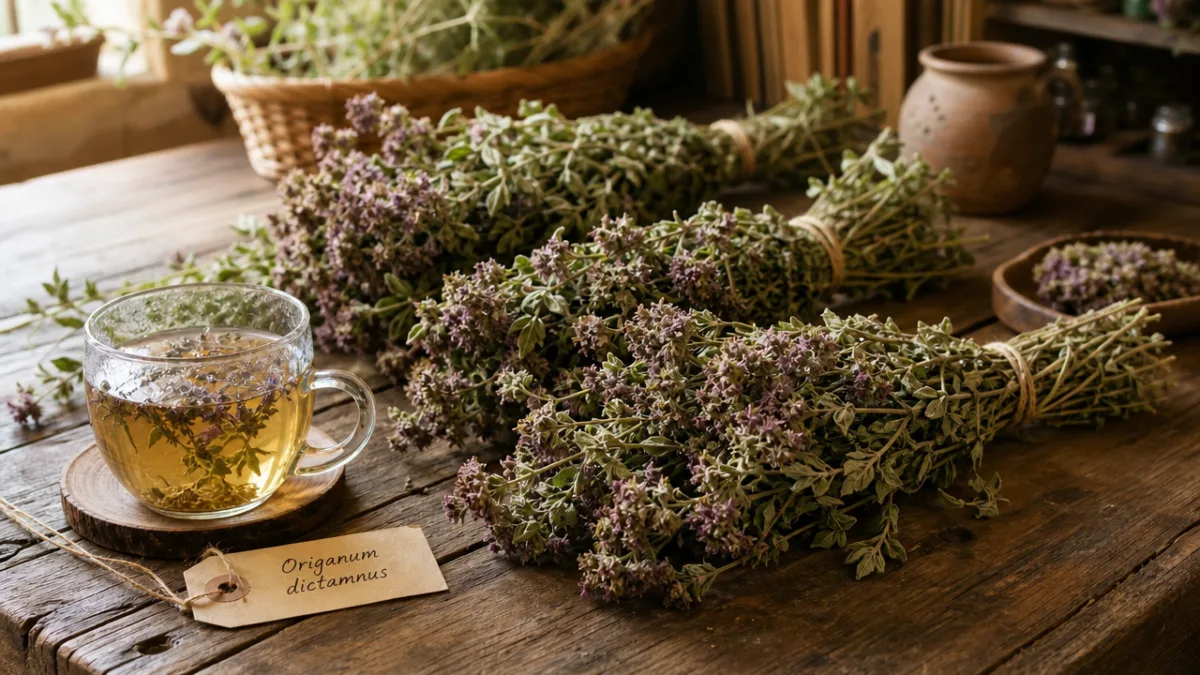
Origanum dictamnus has a long and distinguished history of use in traditional herbal medicine and cooking, particularly in Crete, where it remains an important part of local culture and cuisine. In the kitchen, the dried leaves and flowering tops are used to make a popular herbal tea known locally as “dictamo” tea, which has a pleasant, mildly oregano-like flavor with delicate floral notes. It is commonly enjoyed with honey and lemon as a soothing, warming drink. The fresh or dried herb can also be used sparingly in cooking as a flavoring for meats, sauces, and vegetable dishes, contributing a subtle, aromatic quality that is less pungent than common culinary oregano.
The medicinal properties attributed to this plant are extensive and have been recognized since antiquity. Traditional herbalists have used Dittany of Crete preparations to address a wide range of conditions, and modern phytochemical research has identified several bioactive compounds in the plant that may support these traditional uses. The plant contains notable levels of carvacrol and thymol — potent antimicrobial phenolic compounds also found in common oregano — as well as various flavonoids and antioxidants. Research has explored its potential anti-inflammatory, antioxidant, and antimicrobial activities, lending scientific credibility to its long-standing reputation as a medicinal herb.
Some of the most commonly cited traditional and contemporary uses of Origanum dictamnus include the following areas of application:
- Digestive support: Herbal tea preparations have traditionally been used to ease indigestion, stomach discomfort, and nausea, and the carminative properties of its essential oils may help relieve bloating and gas.
- Respiratory health: Steam inhalation using the herb and warm teas have been used traditionally to soothe coughs, colds, and mild respiratory congestion, with the aromatic essential oils believed to have a beneficial effect on the airways.
- Wound healing: True to its ancient reputation, topical preparations have been used to support the healing of minor wounds, bruises, and skin irritations, a use that may be supported by the plant’s documented antimicrobial properties.
- Antioxidant benefits: Regular consumption of Dittany of Crete tea has been associated in traditional practice with general health maintenance, and its significant antioxidant content makes it a subject of ongoing scientific interest in the context of age-related health conditions.
- Aromatic and therapeutic bathing: Bundles of the fresh herb placed in bathwater are a traditional Cretan practice believed to relieve fatigue, muscle soreness, and stress, taking advantage of the plant’s rich volatile essential oil content.
Beyond these practical applications, Origanum dictamnus holds considerable value simply as an aromatic garden plant. The woolly foliage releases its warm, complex fragrance most generously when gently touched or when the plant is warmed by sunlight. Positioning it near a garden path, seating area, or entrance where you will brush against it regularly allows you to enjoy this sensory experience throughout the growing season. Dried bunches of the flowering herb retain their fragrance well and make beautiful additions to dried flower arrangements, herb wreaths, and decorative displays indoors — a final gift from a plant that continues giving long after the growing season ends.
Pest, Disease, and Troubleshooting Common Problems
One of the great practical advantages of growing Origanum dictamnus is its relative resistance to pests and diseases when cultivated in appropriate conditions. The dense woolly coating on its leaves acts as a physical deterrent to many common insect pests, and the high concentration of aromatic essential oils in the plant’s tissues makes it unattractive to many herbivores, including rabbits and deer that might otherwise graze on garden herbs. In a well-sited garden with good air circulation and appropriate soil drainage, you may find that this plant requires very little intervention to remain healthy and productive through multiple growing seasons.
The most significant threat to Origanum dictamnus in cultivation is root rot caused by overly wet soil conditions, particularly during cooler months when the plant’s growth slows and its ability to take up moisture is reduced. Affected plants typically show yellowing, wilting foliage despite adequate soil moisture, and the base of the stems may become soft or discolored. Prevention through appropriate soil preparation and disciplined watering is far more effective than treatment once root rot has taken hold. If caught early, allowing the soil to dry completely and improving drainage may save an affected plant, but severely affected specimens are often better replaced with healthy new plants grown from cuttings.
In humid climates or during periods of wet, overcast summer weather, botrytis — a gray mold fungus — can occasionally affect the dense woolly foliage, particularly if plants are crowded or poorly ventilated. Improving air circulation by thinning surrounding plantings, removing affected foliage promptly, and avoiding overhead watering are the most effective management strategies. Aphids and whitefly occasionally target young growth in spring and early summer, but healthy, well-established plants generally outgrow minor infestations without intervention. A sharp spray of water or the application of an organic insecticidal soap solution will address more persistent infestations without compromising the plant’s culinary or medicinal value or harming the beneficial pollinators that are so attracted to its flowers.








What do you think?
It is nice to know your opinion. Leave a comment.