










Cactus in Bloom: A Complete Guide to the Marvel of Flowering Cacti
The Extraordinary Phenomenon of a Blooming Cactus
Few events in the plant world are as dramatic and surprising as a cactus bursting into flower. To the uninitiated, the cactus is nothing more than a spiny, silent sentinel of dry landscapes — patient, stoic, and seemingly indifferent to beauty. Yet beneath that armored exterior lies the biological machinery for some of the most spectacular blooms in the entire plant kingdom. When a cactus flowers, it does so with an extravagance that feels entirely out of character, as if the plant has been saving every drop of energy precisely for this moment of glory.
The flowers of cacti are not merely decorative afterthoughts. They are evolutionary masterpieces, shaped over millions of years to attract specific pollinators, resist harsh environmental conditions, and maximize reproductive success in landscapes where resources are scarce and competition is fierce. The vivid yellows, electric pinks, deep crimsons, and pure whites of cactus blooms serve a precise biological purpose, acting as signals to bees, hummingbirds, bats, and moths that a reward of nectar awaits. Understanding this deeper purpose transforms the experience of watching a cactus bloom from simple aesthetic pleasure into something approaching genuine wonder.
For gardeners and plant enthusiasts across the world, the flowering of a cactus they have tended for years — sometimes for a decade or more — is a milestone moment. It represents the meeting point between patience and reward, between the long quiet work of care and the brief, brilliant payoff of bloom. Many cactus species flower only once a year, and some only once in their entire lives, making the event all the more precious. This guide explores everything you need to know about flowering cacti: their biology, their care requirements, the most spectacular blooming species, and how to encourage your own cacti to produce their extraordinary flowers.
The Biology Behind Cactus Flowers
Cactus flowers are botanical engineering at its finest. Unlike many other plants that produce relatively simple flower structures, cacti typically develop blooms with numerous petals arranged in complex, layered formations, surrounded by an equally large number of stamens that can number in the hundreds. This abundance of stamens is not accidental — it dramatically increases the likelihood that a visiting pollinator will pick up pollen, improving the odds of successful fertilization in environments where pollinator visits may be infrequent. The entire structure is designed for efficiency and redundancy in equal measure.
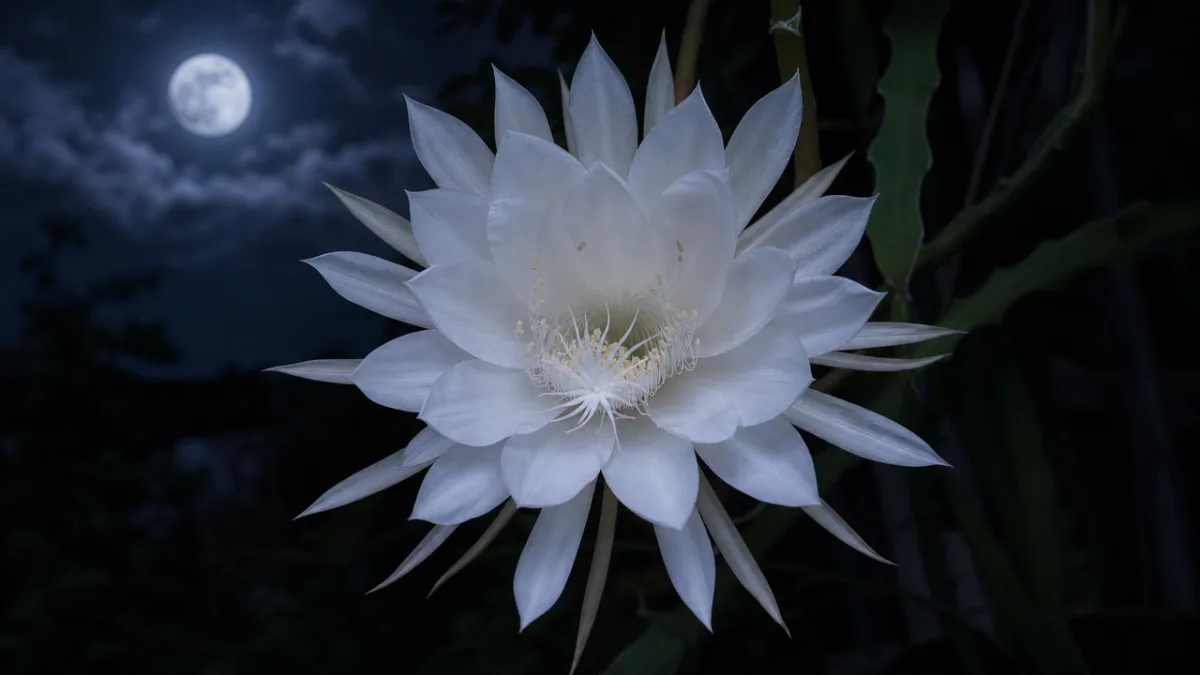
One of the most fascinating aspects of cactus flower biology is the timing of bloom. Many cacti are synchronized with specific environmental cues — temperature fluctuations, day length, rainfall events — that trigger flowering at precisely the moment when their preferred pollinators are most active. Night-blooming cacti like the famous Queen of the Night (Selenicereus grandiflorus) open their enormous white flowers after sunset and close them before dawn, perfectly timed for nocturnal moth and bat pollinators. Conversely, day-blooming species time their opening to coincide with peak pollinator activity during morning hours, when bees are most energetic and temperatures have not yet become prohibitive.
The physical structure of cactus flowers also reflects remarkable adaptations to heat and aridity. The thick, waxy petals of many species resist desiccation even in direct sunlight. The nectar produced by cactus flowers is often more concentrated than that of plants from wetter climates, offering a richer energetic reward to pollinators that make the trip. Some species have developed tubular flower shapes that exclude all but a single specialized pollinator species, creating intimate ecological partnerships that have persisted for thousands of generations. This biological precision is what makes cactus blooms not just beautiful, but genuinely fascinating from a scientific perspective.
The Most Spectacular Blooming Cactus Species
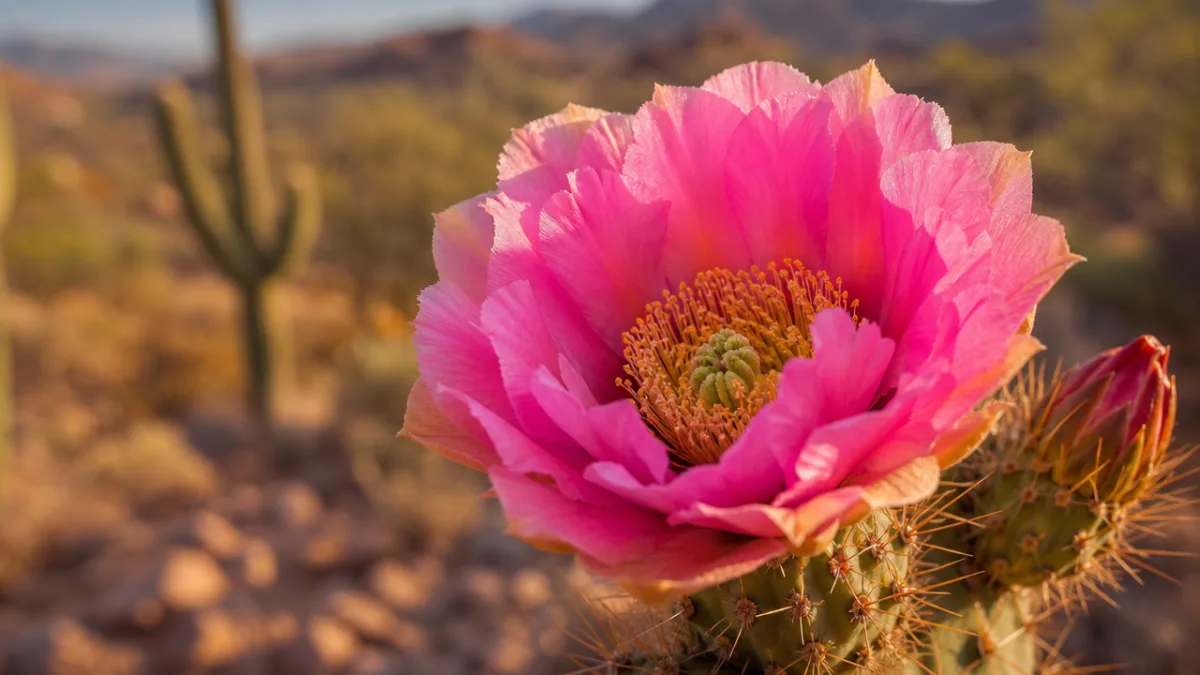
The cactus family, Cactaceae, contains over 1,750 species, and a remarkable number of them produce flowers of outstanding beauty. Among the most celebrated is the Echinopsis genus, sometimes called the hedgehog or Easter lily cacti, which produce enormous, trumpet-shaped flowers in shades of white, pink, red, orange, and yellow. These flowers can measure fifteen centimeters or more in diameter, emerging seemingly overnight from the sides of relatively modest-looking, globular plants. The contrast between the spiny, unassuming body and the extravagant bloom is one of the most visually striking phenomena in the plant world.
The Prickly Pear (Opuntia) family offers blooms of a different character — cup-shaped, silky flowers in brilliant yellows and oranges that stud the flat pads of these iconic desert plants. The Barrel Cactus (Ferocactus) produces rings of small, jewel-like flowers around its crown, while the Saguaro (Carnegiea gigantea), the giant of the Sonoran Desert, produces creamy white flowers near its apex that are so important ecologically they have been designated the state wildflower of Arizona. The diversity of form, color, and timing across these species means that a dedicated cactus collector could arrange to have something in bloom for much of the growing season.
Among the most beloved by collectors are the following particularly spectacular blooming species:
- Gymnocalycium mihanovichii — Known as the moon cactus, it produces delicate pink and red blooms and thrives in partial shade, making it an excellent choice for indoor growers who want flowering color without intense sun exposure.
- Mammillaria bocasana — A clustering species that produces rings of tiny, star-shaped pink or white flowers in spring, giving the plant a lace-like appearance that has made it enormously popular with collectors worldwide.
- Cereus repandus — A columnar giant that produces large, fragrant white flowers exclusively at night, with individual blooms lasting only a single evening before closing forever as dawn arrives.
- Echinocereus triglochidiatus — The Claret Cup cactus, beloved for its clusters of brilliant scarlet flowers that hummingbirds find irresistible and that can transform an entire hillside into a sea of red in spring.
- Astrophytum asterias — The star cactus, a nearly spineless species that produces delicate yellow flowers with red throats and is considered one of the most elegant and sought-after cacti in cultivation.
Beyond these species, countless hybrids have been developed by dedicated cactus breeders over the past century, combining the flowering traits of multiple species to produce plants that bloom more freely, in unusual color combinations, or with greater cold tolerance than their wild ancestors. The Echinopsis hybrids in particular have been developed into an extraordinarily diverse group, with blooms available in nearly every color of the spectrum and plants that can flower multiple times in a single growing season under the right conditions. For anyone interested in growing flowering cacti, these hybrids represent one of the most accessible and rewarding entry points into the hobby.
How to Encourage Your Cactus to Bloom
Persuading a cactus to flower requires understanding and replicating the conditions that trigger blooming in its natural habitat. For the vast majority of cacti, the most critical factor is a proper winter rest period — a season of cool temperatures, minimal watering, and reduced light that mimics the dormant phase these plants experience in their native environments. Many cactus owners unknowingly prevent their plants from ever flowering by keeping them in warm, consistently lit indoor environments year-round, depriving them of the seasonal contrast that tells the plant it is time to prepare for reproduction.
The winter rest period for most cacti should involve temperatures between 8°C and 15°C (approximately 46°F to 59°F), very infrequent watering (perhaps once a month or less, depending on the species), and placement in a bright but cooler space such as an unheated greenhouse, a cool windowsill, or even a sheltered outdoor position if frost is not a risk. This period should last from approximately October through February in the Northern Hemisphere. When spring arrives and temperatures begin to rise, gradually resuming watering and moving plants to their warmest, brightest positions will often trigger the formation of flower buds within weeks. The contrast between the cool dry rest and the warm moist growing season is frequently the key that unlocks flowering.
Light is the second most critical factor. Most flowering cacti require intense, direct sunlight — ideally six or more hours of direct sun per day during the growing season. Cacti grown in insufficient light will often remain healthy and even continue growing, but they will rarely flower, instead channeling their energy into elongated, pale growth as they stretch toward the light source. A south-facing windowsill in the Northern Hemisphere is the minimum for most species indoors; outdoor growing during summer months is even better. Supplemental grow lights can help in very northern latitudes or apartments with limited natural light, provided the light is of sufficient intensity and spectrum.
Nutrition also plays a role, though cacti are far less demanding in this regard than most flowering plants. During the active growing season, a monthly application of a low-nitrogen, high-phosphorus fertilizer (such as a product formulated for cacti or tomatoes) can encourage bud formation without stimulating excessive vegetative growth. Soil composition matters too — a very well-draining cactus mix that prevents water from sitting around the roots is essential, as root rot is both the most common cause of cactus death and a reliable preventive of flowering. Choosing the right container size is also important; many cacti actually bloom more readily when they are slightly root-bound, so resist the urge to move your plant into a dramatically larger pot.
Growing Flowering Cacti Indoors: Practical Guidance
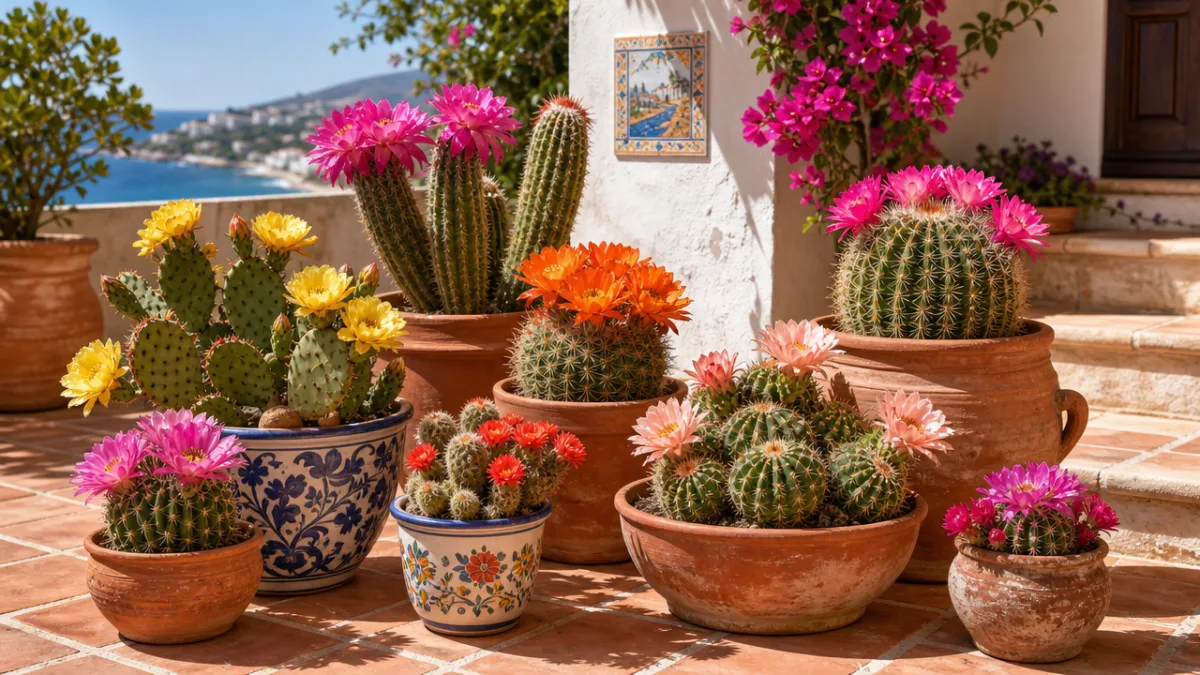
Growing cacti indoors successfully requires adapting the care routine to the specific constraints of an interior environment while still meeting the plants’ fundamental needs. The single greatest challenge for indoor cactus growers is light. The light intensity inside even a very bright room is dramatically lower than what these plants receive in their native habitats, where they are exposed to direct, unfiltered sunlight for the entire day. Placing your cactus as close as possible to your brightest window — ideally within thirty centimeters of the glass — and rotating the pot regularly to ensure even light exposure on all sides will help compensate for indoor conditions.
Watering discipline is equally important indoors, where the absence of wind and the typically higher humidity of interior spaces means that soil dries more slowly than it would outdoors. The golden rule for indoor cactus watering is to water thoroughly when the soil is completely dry, then wait until it is completely dry again before watering once more. The frequency will vary dramatically with the season — weekly or even more often in hot summer conditions, monthly or less in winter dormancy. Always water at the base of the plant rather than overhead, and ensure that water drains freely through the pot rather than pooling at the bottom, which can be avoided by using pots with drainage holes and avoiding saucers that allow water to collect.
Pests are a relatively minor concern for indoor cacti compared to many other houseplants, but several species deserve attention from growers. Mealybugs, recognizable by their cottony white appearance at the base of spines or in crevices of the plant body, are the most common pest of indoor cacti. Spider mites can be a problem in very dry, warm conditions. Scale insects occasionally appear on the stems of columnar species. All of these pests can be treated effectively with isopropyl alcohol applied carefully with a cotton swab, repeated applications of insecticidal soap, or neem oil spray. Regular inspection of your plants — which can naturally accompany the pleasure of observing their growth and development — is the best early detection system available.
Repotting is a task that indoor cactus growers often approach with trepidation due to the obvious hazard posed by spines, but it is a necessary part of long-term care. Most cacti benefit from repotting every two to three years, or when roots begin emerging from drainage holes. The process is made considerably more comfortable with the right tools and techniques. Thick leather gloves offer good protection, but many experienced growers prefer to handle cacti using folded newspaper or foam pipe insulation wrapped around the plant body, which provides a secure grip without compressing the spines into the hands. Always repot into fresh cactus mix rather than reusing old soil, as depleted and potentially pathogen-contaminated compost can compromise plant health even when the cactus appears otherwise unaffected.
The Cultural Significance of Blooming Cacti
The flowering cactus holds a special place in the cultural imaginaries of the many human communities that share their landscapes with these plants. In the desert cultures of the American Southwest and Mexico, the blooming of the Saguaro has for centuries marked the beginning of the Tohono O’odham new year and the beginning of the harvest season for saguaro fruit, a culturally vital food source that is still harvested today using traditional long poles made from the dried ribs of dead saguaros. The fruit is fermented into a ceremonial wine used in rain-calling rituals, making the bloom of the cactus not merely a botanical event but the beginning of a cycle of cultural and spiritual significance that connects human communities to the rhythms of the desert year.
In the contemporary world of plant collecting and cultivation, the flowering cactus has become a subject of passionate community engagement. Social media platforms host thriving communities of cactus enthusiasts who share images of their flowering plants, exchange cultivation advice, trade seeds and cuttings, and celebrate each other’s successes with genuine enthusiasm. The appearance of flower buds on a long-cultivated specimen is frequently treated as a communal event, with growers sharing anticipatory photographs as buds develop and then dramatic reveal images when the bloom finally opens. This community aspect of cactus cultivation has transformed what might otherwise be a solitary hobby into a richly social activity that connects people across continents and cultures through shared appreciation of these remarkable plants.
Flowering cacti have also inspired significant artistic traditions. The vivid blooms of desert cacti appear throughout the folk art traditions of Mexico and the American Southwest, rendered in textile, ceramic, and paint with an exuberance that reflects genuine cultural affection for these plants. Contemporary botanical artists and photographers have made flowering cacti a major subject, drawn by the extraordinary visual drama of enormous blooms emerging from armored, sculptural bodies. The contrast between spiny exterior and silken flower has a metaphorical resonance that has made the blooming cactus a recurring symbol in poetry and literature — representing hidden beauty, resilience, the capacity for tenderness within apparent toughness, and the reward that comes to those patient enough to wait for the right season.
The blooming cactus also carries growing significance in conversations about ecology, conservation, and the future of desert landscapes. Many cactus species are threatened by habitat destruction, illegal collection, and the increasingly severe droughts associated with climate change. Conservation organizations around the world are working to protect wild cactus populations and restore damaged desert ecosystems, efforts that the flowering of cacti in cultivation can help support by reducing demand for wild-collected specimens and by raising awareness of the beauty and ecological importance of these plants. Every cactus garden, every enthusiastically shared photograph of a spectacular bloom, and every conversation sparked by the unexpected beauty of a flowering cactus contributes in a small but genuine way to the broader project of ensuring that these extraordinary plants continue to brighten the world’s dry places for generations to come.








What do you think?
It is nice to know your opinion. Leave a comment.