










Beautiful Lantana Camara Flower – Nature’s Colorful Wild Beauty
Introduction to Lantana Camara: A Wildflower Like No Other
Lantana camara is one of the most visually striking flowering plants found across tropical and subtropical regions of the world. Known for its vibrant, multi-colored flower clusters that seem to shift and blend like a painter’s palette, this plant has captivated gardeners, botanists, and nature lovers for centuries. Its ability to thrive in challenging environments while producing such extraordinary blooms makes it a subject of endless fascination and admiration among those who encounter it in the wild or in cultivated gardens.
Originally native to the tropical Americas, Lantana camara has spread to nearly every warm corner of the globe, naturalizing across Africa, Asia, Australia, and parts of Europe. This remarkable adaptability is one of the plant’s defining characteristics. Whether growing along a dusty roadside in rural India, cascading over a garden wall in Florida, or bursting into color on a sun-drenched hillside in South Africa, Lantana seems equally at home in almost any setting it finds itself in. This global presence has made it one of the most recognized wildflowers on the planet.
Beyond its visual appeal, Lantana camara occupies a fascinating and somewhat controversial space in the natural world. It is simultaneously beloved as an ornamental garden plant and listed among the world’s most invasive species by environmental organizations. This duality makes it a compelling subject for anyone interested in the intersection of beauty, ecology, and human interaction with the natural world. Understanding Lantana fully means embracing both its stunning aesthetic qualities and its complex ecological footprint, a story that is far richer than its cheerful blooms might initially suggest.
The Stunning Appearance and Unique Color Characteristics
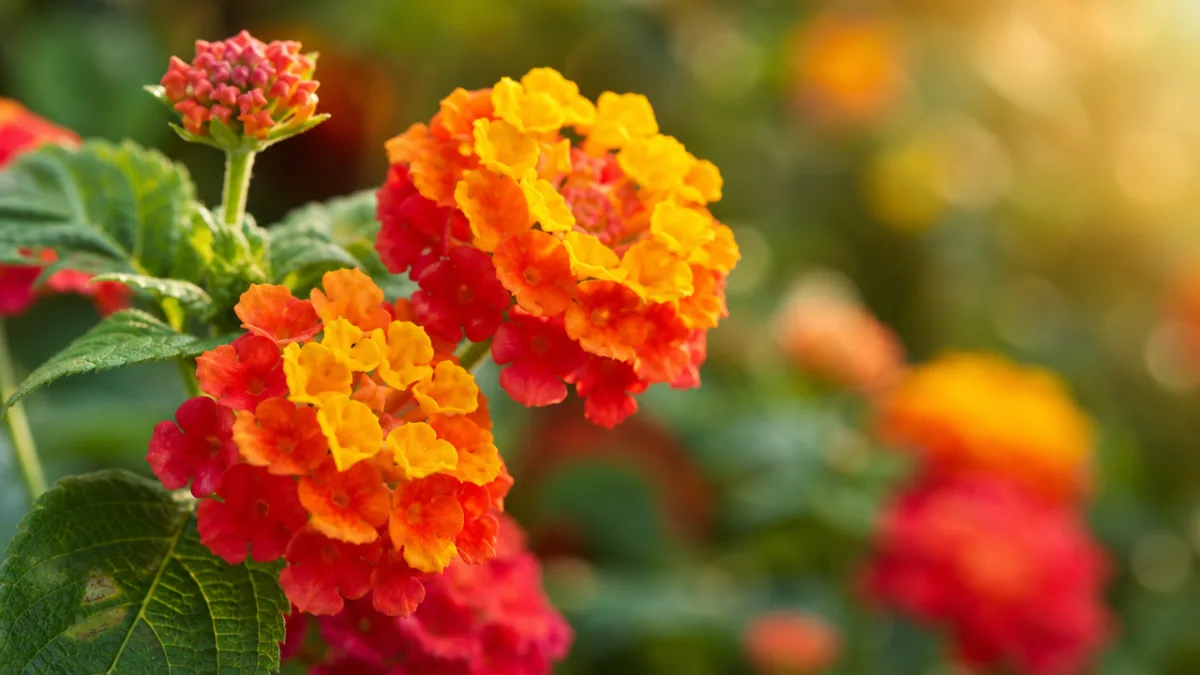
What makes Lantana camara immediately unforgettable is its extraordinary use of color. The flower heads, known botanically as umbels, are composed of dozens of tiny individual florets clustered tightly together into a rounded, domed shape. What sets these clusters apart from virtually any other flowering plant is the way the florets change color as they age, creating a single flower head that can simultaneously display two, three, or even four distinct colors ranging from bright yellow and vibrant orange to deep red, rich pink, and soft lavender all at once.
This color-changing phenomenon is not merely decorative — it serves a critical ecological function. Young, newly opened florets at the center of the cluster are typically yellow or white, while older florets toward the outside transition through orange, red, and eventually purple as they age and are pollinated. This gradient acts as a sophisticated signal to pollinators, particularly butterflies, which can detect these color shifts and instinctively understand which florets still contain nectar and which have already been visited. The plant has essentially evolved a built-in navigation system for its pollinators, a marvel of natural engineering.
The foliage of Lantana camara is equally distinctive, though far less celebrated than its flowers. The leaves are dark green, somewhat rough and textured to the touch, and strongly aromatic when crushed, releasing a sharp, pungent scent that many people find either pleasantly herbal or distinctly off-putting. The stems are square in cross-section, a feature shared with other members of the Verbenaceae family, and often carry small, fine prickles that can snag clothing and skin. The overall plant form ranges from a compact, mounding shrub to a sprawling, semi-climbing specimen that can reach several meters in height when conditions allow.
Ecological Role and Relationships with Wildlife
Lantana camara functions as a critical ecological resource for a remarkable diversity of wildlife, particularly in the regions where it has become naturalized. The plant is an extraordinarily productive nectar source, flowering almost continuously in warm climates throughout the year without significant dormancy periods. This constant availability of nectar makes it an indispensable food source for butterflies, bees, hummingbirds, and a wide range of other nectar-feeding insects and birds, particularly during dry seasons when other flowering plants have ceased blooming and food resources become scarce.
Butterflies are among the most enthusiastic visitors to Lantana flowers, and a mature plant in full bloom can attract dozens of different butterfly species simultaneously, creating a spectacular living display that many gardeners specifically cultivate the plant to encourage. Species such as the painted lady, the monarch, swallowtails, and numerous tropical species are regularly observed feeding on Lantana nectar in significant numbers. This relationship benefits both parties — the butterflies receive a reliable and abundant food source, while the plant achieves pollination and genetic mixing across wide areas, enhancing its reproductive success and genetic diversity.
The small, fleshy berries that follow Lantana’s flowers are consumed eagerly by birds, particularly fruit-eating species like thrushes, bulbuls, and mockingbirds. While the berries are toxic to most mammals, including humans and livestock, birds appear to process them without harm, and in doing so they become unwitting agents of the plant’s dispersal. Seeds pass through the bird’s digestive system intact and are deposited far from the parent plant, sometimes many kilometers away. This bird-mediated seed dispersal is a primary mechanism behind Lantana’s impressive ability to colonize new territories rapidly and is central to understanding its invasive spread across the globe.
Cultural Significance and Traditional Uses Across the World
Across the many cultures and societies that have encountered Lantana camara, the plant has accumulated a rich tapestry of traditional uses, symbolic meanings, and folkloric associations. In various parts of sub-Saharan Africa, the plant’s aromatic leaves have long been used in traditional medicine, with preparations made from the foliage employed to treat conditions including fevers, coughs, skin infections, and respiratory ailments. Healers in different regions have independently discovered and utilized the plant’s medicinal properties, a convergence that speaks to both the plant’s widespread distribution and the universality of human curiosity about the natural world.
In India, where Lantana has been naturalized for several centuries following its introduction during the colonial period, the plant holds a particularly complex cultural position. Rural communities have found numerous practical applications for the plant, using its woody stems to make baskets, furniture, and small household implements, taking advantage of the material that grows in abundant, essentially inexhaustible supply around villages and farmland. At the same time, farmers in many regions regard the plant as a serious agricultural pest, recognizing that its spread reduces the grazing land available to livestock and competes aggressively with food crops.
In the realm of ornamental horticulture, Lantana camara has been cultivated and hybridized for centuries, resulting in an enormous variety of named cultivars that are sold worldwide for use in gardens, hanging baskets, and container plantings. Breeders have developed forms in nearly every conceivable color combination, including pure white, deep red, soft peach, and bicolored varieties that dramatically emphasize the natural color-change characteristic of the species. The plant’s tolerance of heat, drought, and poor soil conditions makes it an especially popular choice for low-maintenance gardens in warm climates, and it remains one of the top-selling annual and perennial flowering plants in the global horticultural trade.
- Traditional medicinal use for fever and respiratory conditions in African herbal medicine
- Stem wood used for basket weaving and lightweight furniture construction in rural India
- Ornamental cultivation in gardens across tropical and subtropical regions worldwide
- Symbolic association with resilience and endurance in several folk traditions
- Use as a companion plant to attract beneficial pollinators in agricultural settings
The Invasive Species Debate: Beauty With a Complex Legacy
The story of Lantana camara’s global spread is inseparable from the history of colonialism and the deliberate, large-scale movement of ornamental plants across continents during the 18th and 19th centuries. European colonizers introduced Lantana to numerous tropical territories as a garden ornamental, attracted by its striking flowers and easy cultivation. Within decades of its introduction to regions including South Asia, East Africa, Southeast Asia, and Australia, the plant had escaped garden boundaries and begun spreading aggressively into native ecosystems, a pattern that would repeat itself wherever the species was introduced and that continues to unfold in new territories today.
The ecological damage caused by invasive Lantana populations is well documented and substantial. In its introduced range, the plant forms dense, impenetrable thickets that shade out native ground flora, prevent the regeneration of native trees and shrubs, and significantly reduce biodiversity in affected areas. In parts of Australia, India, and South Africa, millions of hectares of native woodland, grassland, and forest understory have been transformed into near-monocultures of Lantana, with devastating consequences for the native species that once inhabited those habitats. Controlling established Lantana infestations is enormously expensive and labor-intensive, requiring sustained, long-term effort with no guarantee of permanent success.
Scientists and land managers continue to explore biological control methods as a more sustainable approach to managing invasive Lantana populations, recognizing that chemical and mechanical control alone cannot contain the plant at landscape scales. Several insect species, including specific moth and mite species that feed on Lantana in its native range without significantly affecting other plants, have been studied and in some cases released as biological control agents. The results have been mixed, reflecting the inherent complexity of introducing one species to control another and the difficulty of predicting outcomes in complex ecological systems. This ongoing research underscores the importance of viewing Lantana not simply as a beautiful flower but as a plant with profound and lasting ecological consequences.
Growing Lantana in Your Garden: Practical Tips and Best Practices
For gardeners in non-invasive regions, or those committed to managing the plant responsibly, Lantana camara offers extraordinary value as a garden plant. It is among the most heat-tolerant and drought-resistant flowering plants available to warm-climate gardeners, capable of thriving in conditions that would defeat most other ornamentals. Once established, a Lantana plant requires minimal irrigation, tolerates poor and rocky soils, and will continue flowering prolifically through the hottest and driest parts of summer when many other plants struggle to survive, let alone bloom. These qualities make it particularly valuable in water-conscious garden design and xeriscaping projects.
Planting Lantana successfully begins with choosing the right location, since the plant’s one non-negotiable requirement is full sun. At least six to eight hours of direct sunlight per day is essential for vigorous growth and abundant flowering — plants grown in partial shade will survive but will produce significantly fewer flowers and become straggly and less attractive over time. Soil preparation should focus on ensuring good drainage rather than enriching the soil with organic matter, since Lantana actually performs better in lean, well-drained soil than in rich, moisture-retentive ground. Overwatering and overfertilizing are among the most common mistakes gardeners make with this plant, leading to excessive leafy growth at the expense of flowers.
Responsible cultivation of Lantana in regions where it has invasive potential involves a few practical measures that can significantly reduce the risk of unwanted spread. Deadheading spent flower clusters before they develop into berries prevents seed formation and eliminates the primary pathway for naturalization outside the garden. Selecting sterile hybrid cultivars, which are incapable of producing viable seeds, is an even more reliable preventive measure and is increasingly recommended by horticultural and environmental organizations in regions where Lantana poses an ecological risk. With these precautions in place, gardeners can enjoy the extraordinary beauty of Lantana while acting as responsible stewards of the landscapes around them.
- Plant in full sun with a minimum of six to eight hours of direct sunlight daily
- Ensure excellent soil drainage and avoid overwatering or overfertilizing
- Deadhead spent blooms regularly to prevent berry and seed formation
- Choose sterile hybrid cultivars where invasive spread is a local concern
- Prune back hard in late winter or early spring to encourage vigorous new growth
- Monitor for common pests including whiteflies and spider mites during hot weather
Conclusion: Celebrating and Respecting a Remarkable Plant
Lantana camara stands as one of the natural world’s most compelling paradoxes — a plant of breathtaking beauty that carries with it a genuinely complex and sometimes troubling ecological legacy. Its flowers represent some of the most sophisticated and visually arresting color displays found anywhere in the plant kingdom, and its relationship with butterflies, bees, and birds is a vivid illustration of the intricate, mutually beneficial partnerships that evolution has woven into every ecosystem on earth. To encounter Lantana in full bloom, alive with the movement of butterflies and the hum of bees, is to witness nature at its most extravagantly generous and inventive.
At the same time, engaging honestly with Lantana means acknowledging the environmental challenges its spread has created across so much of the world. The plant’s story is in many ways a microcosm of the broader story of human movement and ecological disruption across the globe — a reminder that beauty and harm are not mutually exclusive, and that our interventions in natural systems can have consequences far beyond what we imagine or intend. Approaching Lantana with this awareness does not diminish the pleasure of its flowers but enriches our understanding of the complex world those flowers inhabit and helps us make more thoughtful choices as gardeners and environmental citizens.
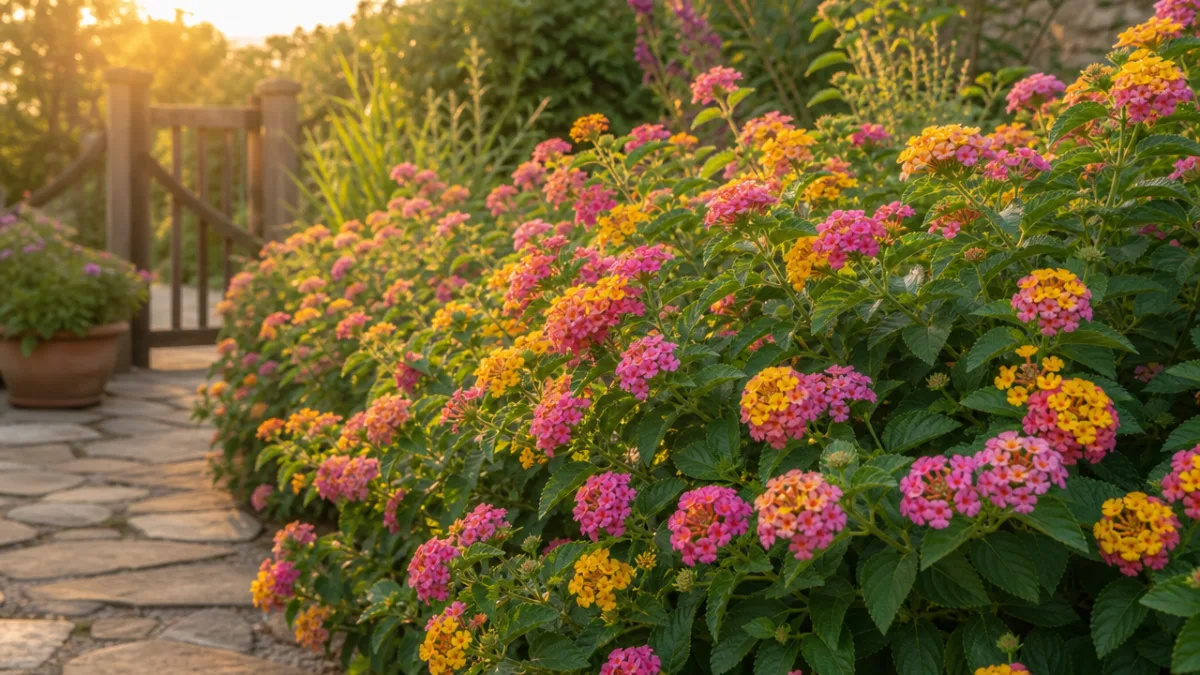
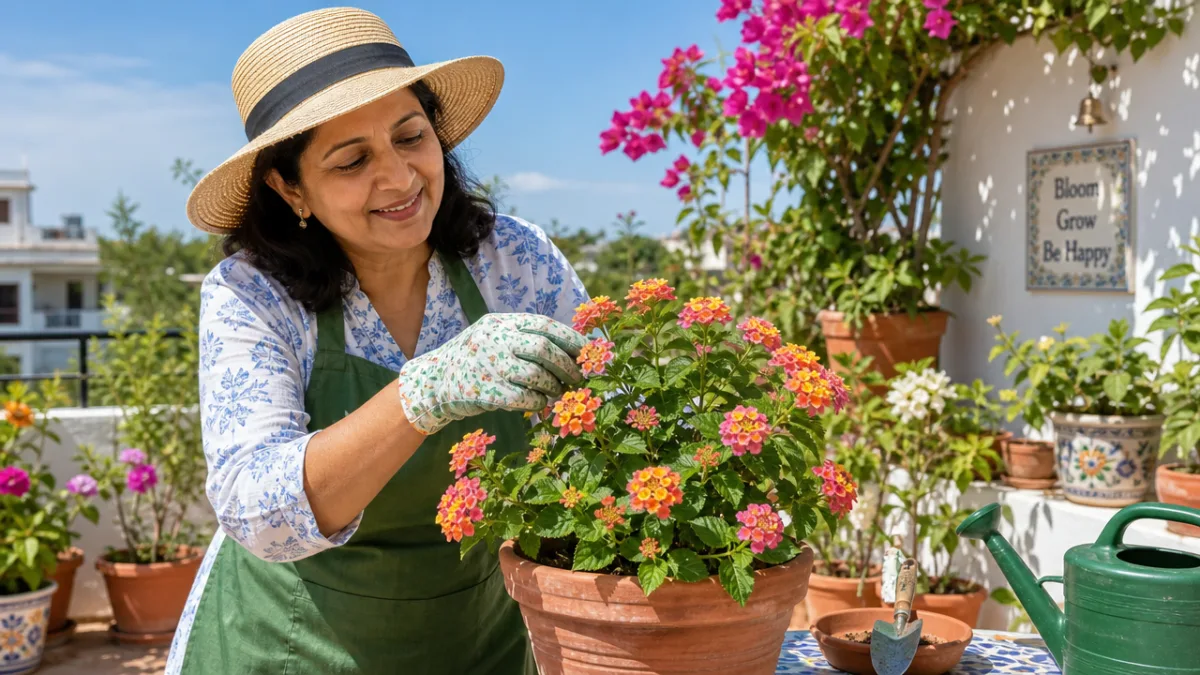
Whether you encounter Lantana camara tumbling over a garden wall in brilliant shades of orange and pink, thriving in a terracotta pot on a sunlit balcony, or blazing across a wild hillside in riotous natural abundance, take a moment to appreciate the full depth of what you are seeing. Here is a plant that has crossed oceans and continents, shaped ecosystems and economies, fed countless millions of butterflies and birds, filled the medicine bundles of traditional healers, and inspired gardeners on every inhabited continent. Lantana camara is far more than a pretty face — it is one of nature’s most vivid, complex, and endlessly fascinating stories, written in living color across the landscape of the world.








What do you think?
It is nice to know your opinion. Leave a comment.