










10 Vertical Garden Ideas to Grow More in Less Space
Why Vertical Gardening Is Transforming Small-Space Growing
Vertical gardening has emerged as one of the most exciting and practical revolutions in modern horticulture, offering a powerful solution for anyone who dreams of growing their own food or cultivating a lush garden but simply does not have the ground space to do it. Whether you live in a compact urban apartment, a house with a small backyard, or a rental property with limited outdoor access, vertical growing systems allow you to reclaim unused wall space, fences, railings, and even ceilings as productive growing areas. The shift in thinking from horizontal to vertical opens up an entirely new dimension of gardening possibility.
The beauty of vertical gardening lies not only in its space efficiency but also in its visual impact. A well-designed vertical garden transforms a bare concrete wall or a dull wooden fence into a living, breathing tapestry of greenery and color. From cascading herbs and vibrant strawberries to trailing flowers and compact vegetable varieties, these gardens become focal points in any outdoor or indoor environment. They add texture, life, and a sense of natural abundance to spaces that might otherwise feel stark and uninspiring, making them as much a design choice as a practical one.
Beyond aesthetics and space savings, vertical gardens offer measurable growing advantages. Plants grown vertically often receive better air circulation, which reduces the risk of fungal diseases that can devastate ground-level beds. Many vertical setups also allow for easier pest management and more convenient harvesting since plants are positioned at eye level or within comfortable arm’s reach. For gardeners with mobility concerns or back issues, this ergonomic benefit alone can make vertical gardening a genuinely life-changing approach to cultivating plants.
Pallet Gardens: The Ultimate Budget-Friendly Vertical Planter
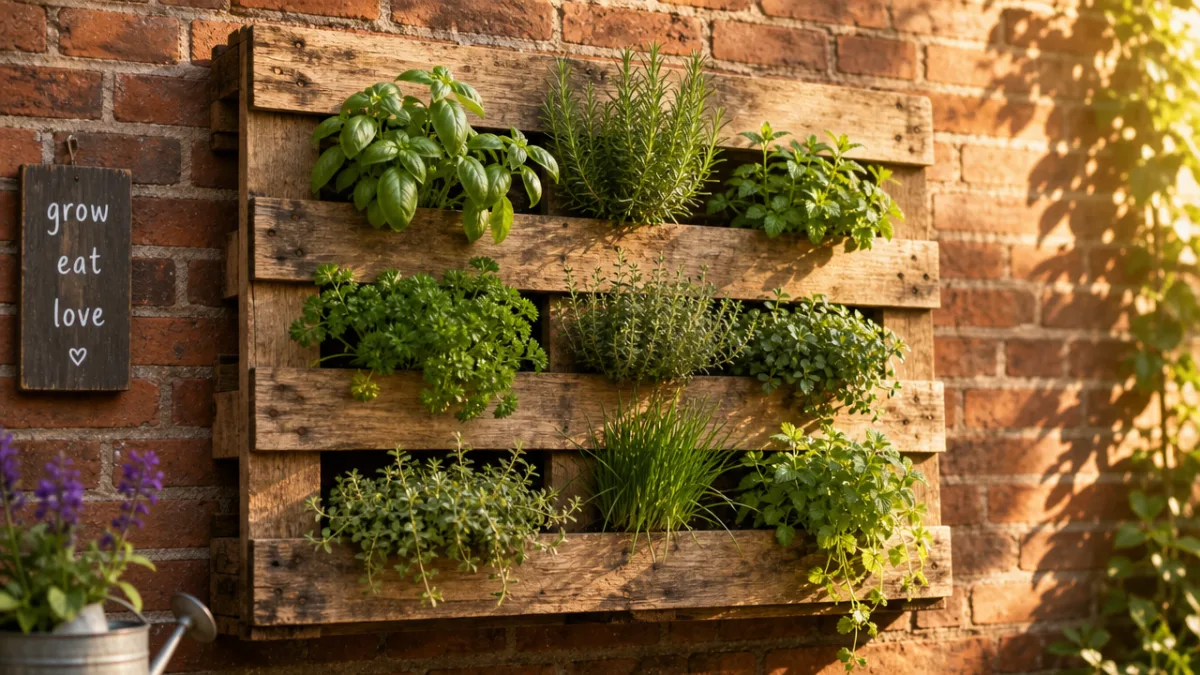
One of the most popular and cost-effective vertical gardening methods involves repurposing wooden pallets into functional and charming planters. Pallets are widely available for free or at very low cost from local businesses, warehouses, or online marketplaces, making this approach accessible to virtually anyone regardless of budget. With a little preparation — sanding rough edges, applying a weather-resistant sealant, and stapling landscape fabric to the back and base — a standard pallet can be transformed into a vertical planting structure capable of holding dozens of plants simultaneously.
The horizontal slats of a pallet create natural pockets ideal for planting herbs, succulents, strawberries, and shallow-rooted annuals. Gardeners typically fill these pockets with a rich, well-draining potting mix and then plant seedlings or seeds directly into each slot. As the plants establish their roots and begin to grow, they form a dense, cascading display that completely conceals the wooden structure beneath. Varieties like thyme, oregano, mint, lettuce, and pansies are particularly well-suited to this format because of their compact root systems and their tendency to trail or spread attractively.
To maximize the longevity and productivity of a pallet garden, choosing heat-treated (HT) pallets over those treated with methyl bromide (MB) is essential for food safety. Positioning your pallet garden against a south- or east-facing wall ensures adequate sunlight for most edible plants. Watering consistently is critical because pallet gardens can dry out quickly due to their shallow soil depth and good drainage. Installing a simple drip irrigation line threaded through the pockets makes maintenance dramatically easier, especially during hot summer months when daily watering might otherwise become burdensome.
Tower Planters and Stackable Pots: Growing Upward With Efficiency
Tower planters represent an elegant and highly efficient approach to vertical growing, designed specifically to maximize yield per square foot of floor or ground space. These purpose-built structures consist of a central column — often made from PVC pipe, terracotta sections, or purpose-molded plastic — with planting pockets or holes arranged around the exterior at multiple levels. A single tower planter with a footprint no larger than a dinner plate can accommodate twenty or more individual plants, making it an extraordinary tool for growing herbs, strawberries, lettuce, and compact vegetables in balconies, patios, or small yards.
Many commercially available tower planters are designed with integrated watering systems that allow water and liquid fertilizer to flow from the top of the tower downward through the central column, distributing moisture evenly to every level of the planting pockets. This gravity-fed irrigation system dramatically reduces water waste compared to traditional ground gardening and ensures that even plants at the lower levels of the tower receive consistent hydration. Some advanced systems incorporate wicking materials or reservoir bases that further regulate moisture delivery, reducing the frequency of watering needed throughout the growing season.
Stackable pot systems offer a more modular alternative to purpose-built towers, allowing gardeners to customize the height and configuration of their vertical planters based on available space and growing goals. These interlocking containers can be added to or reduced in number as the season progresses or as different crops are rotated in and out of production. They are particularly popular for growing strawberries in succession, where new plants can be introduced at the top of the stack while established fruiting plants occupy the lower, more accessible levels. Their lightweight construction makes them easy to reposition to follow sunlight patterns throughout the day.
Living Walls and Pocket Panel Systems
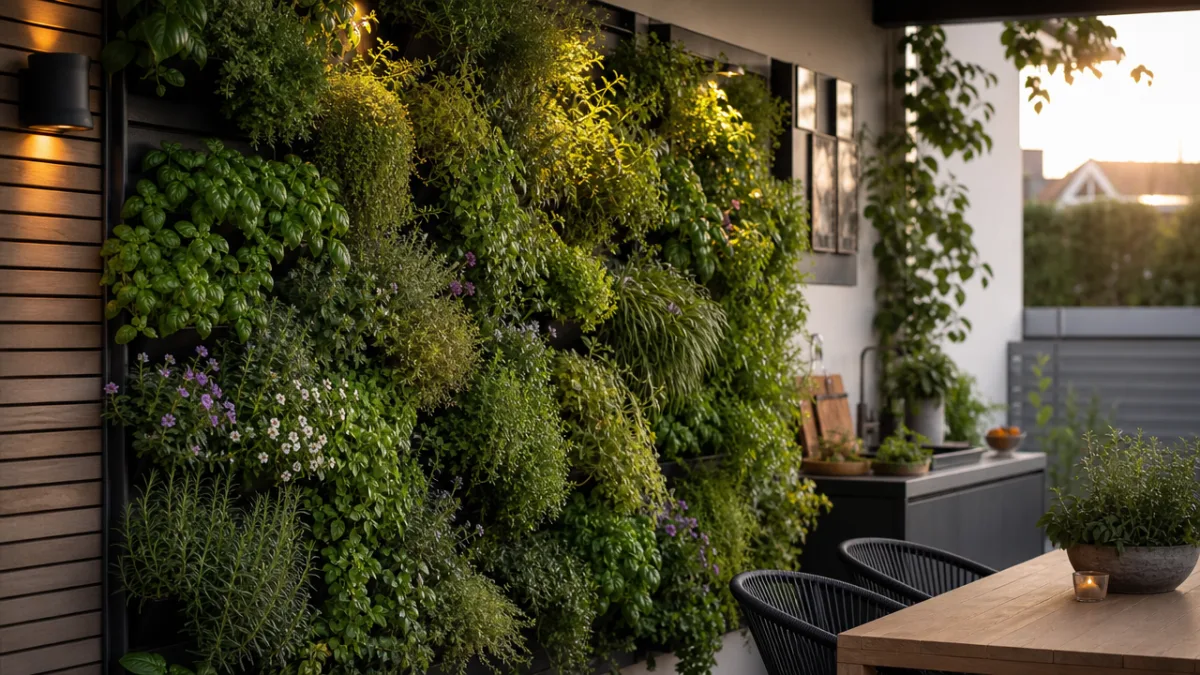
Living walls, sometimes called green walls or vertical planting panels, represent the most dramatic and architecturally striking expression of vertical gardening. These systems use modular felt or fabric pocket panels, rigid plastic planting cells, or specialized frames affixed directly to walls or freestanding structures to create dense, uniform plantings across large vertical surfaces. Originally popularized in commercial and public spaces such as hotels, restaurants, and urban streetscapes, living wall technology has become increasingly accessible to home gardeners through affordable DIY kits and creative repurposing of materials like shoe organizers and felt garden panels.
Felt pocket panels are among the simplest and most affordable living wall solutions available to home gardeners. These panels, typically made from durable UV-resistant felt or recycled fabric material, feature evenly spaced pockets that can each hold a small plant with its root ball wrapped in growing medium. Hung from a fence, wall, or freestanding frame using hooks or grommets, they create an immediate and impressive green surface that can be planted with herbs, edible flowers, succulents, or colorful annuals. Their flexibility also means they can be folded up and stored during winter months, extending their usable lifespan considerably.
For gardeners interested in a more permanent living wall installation, rigid modular systems with built-in irrigation and drainage offer a sophisticated and long-lasting solution. These systems typically consist of interlocking plastic or metal cells filled with a lightweight growing medium such as rockwool, coconut coir, or a perlite-enriched potting mix. A drip irrigation manifold delivers water and nutrients automatically on a programmable timer, ensuring that every section of the wall receives consistent care with minimal ongoing effort. While the initial investment is higher than simpler alternatives, the visual impact and growing capacity of a well-maintained permanent living wall is truly extraordinary.
Trellis Systems and Climbing Plants: Harnessing Vertical Growth Naturally
One of the most time-honored and naturally elegant approaches to vertical gardening involves training vining and climbing plants up trellises, arches, pergolas, and wire support systems. Plants such as cucumbers, pole beans, peas, tomatoes, squash, and a wide range of flowering vines have evolved specifically to grow upward toward light, using tendrils, suckers, or twining stems to anchor themselves to any nearby structure. By providing appropriate support, gardeners can direct this natural growth habit into a productive and beautiful vertical display that makes the most of every inch of available overhead and lateral space.
The range of trellis materials and styles available to home gardeners is vast, from simple bamboo cane structures and cattle panel arches to decorative wrought iron obelisks and custom-built wooden frames. The choice of material should reflect both the weight and vigor of the plants intended to grow on the structure and the aesthetic character of the surrounding garden space. Heavy-cropping plants like indeterminate tomatoes and winter squash require robust support capable of bearing significant weight as the season progresses, while lighter crops like peas and sweet potatoes can thrive on more delicate bamboo or string trellis arrangements.
Beyond their practical function, trellis systems create dynamic spatial structure within a garden, dividing areas into distinct zones, creating shaded retreats beneath their canopies, and providing privacy screening in exposed spaces. A well-positioned trellis planted with a productive climbing crop can simultaneously increase growing area, reduce the need for chemical pest management by improving air flow, and create a visually compelling garden feature that changes dramatically with the seasons. Training young plants onto their supports early and consistently ties them in as they grow to prevent wind damage and encourage an even, well-distributed coverage of the available growing surface.
Hanging Baskets, Rain Gutters, and Creative DIY Solutions
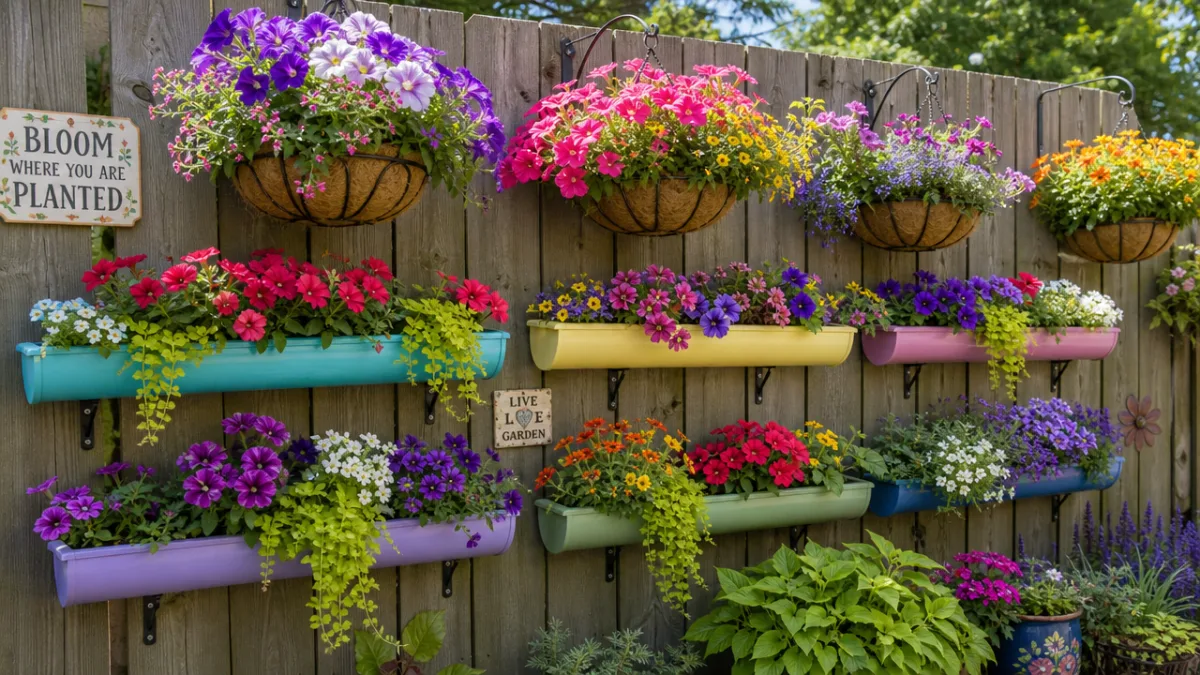
Some of the most inventive and effective vertical gardening setups require nothing more than imagination, a few basic materials, and a willingness to experiment. Repurposed rain gutters, for example, have become a popular choice for growing shallow-rooted crops like lettuce, spinach, radishes, and herbs in long horizontal rows mounted at multiple heights on a wall or fence. By drilling drainage holes in the base of each gutter length and filling them with a lightweight potting mix, gardeners create a layered system of growing channels that can produce a surprisingly generous harvest from a very compact footprint.
Hanging baskets represent one of the oldest forms of vertical gardening and remain one of the most versatile and effective. Modern hanging basket designs go far beyond the traditional moss-lined wire bowls of garden centers past. Today’s gardeners are using deep-sided fabric grow bags, repurposed colanders, recycled plastic bottles, and even old boots and kitchen colanders as hanging planters, suspending them from brackets, pergola beams, or even overhead clothes lines to create multi-level planting displays. Trailing edibles like tumbling tomatoes, strawberries, and trailing varieties of courgette are particularly well suited to hanging arrangements where their natural downward growth habit becomes an asset.
When exploring DIY vertical gardening solutions, the following approaches have proven especially popular and productive among home gardeners working with limited space and budgets:
- Repurposed wooden ladders leaned against a wall and fitted with planter boxes or hanging pots at each rung level, creating a charming tiered display that is easy to rearrange seasonally.
- Shoe organizer pocket planters hung from fence rails or balcony railings, each pocket filled with potting mix and planted with individual herb or lettuce seedlings for a compact herb wall that requires minimal investment.
- Mounted PVC pipe planters with holes cut along their length and capped at each end, filled with growing medium and positioned at an angle to allow water to flow from one end to the other as a simple self-watering system.
- Stacked terracotta pot towers with offset planting holes cut into the sides of each pot before stacking, allowing plants to emerge from multiple directions at multiple heights for a sculptural and productive display.
- Fence-mounted planter boxes attached directly to the faces of timber or metal fencing, turning a boundary structure into an edible perimeter garden that produces food while also softening the visual hardness of a solid fence line.
The key to success with any DIY vertical gardening system lies in careful attention to the fundamental needs of the plants you intend to grow. Drainage is paramount — any container or channel that retains too much moisture will lead to root rot and plant failure regardless of how creative or attractive the design may be. Equally important is the choice of growing medium: a lightweight, porous mix enriched with slow-release fertilizer will support healthy root development far better than heavy garden soil, which compacts quickly in containers and starves roots of the oxygen they need to function effectively. Regular feeding with a balanced liquid fertilizer every two to three weeks during the active growing season will ensure that plants in any vertical system continue to thrive and produce abundantly throughout the season.
Choosing the Right Plants for Your Vertical Garden
Selecting appropriate plant varieties is arguably the single most important factor in the success of any vertical gardening project. Not every plant thrives when grown vertically, and matching plant characteristics to the specific growing format you have chosen will make the difference between a productive, attractive garden and a struggling, disappointing one. As a general rule, plants with compact root systems, a natural tendency to trail or climb, and a tolerance for the slightly drier and warmer conditions typical of container and wall-mounted growing are the best candidates for vertical garden settings.
Among edible plants, herbs are consistently among the most successful and rewarding choices for vertical gardens of all types. Basil, thyme, oregano, parsley, chives, mint, and cilantro all thrive in relatively small pockets of growing medium and appreciate the excellent drainage and air circulation that most vertical systems provide. Leafy greens including lettuce, spinach, kale, and Swiss chard are also excellent choices, particularly for shadier vertical positions where fruiting crops would struggle to perform. Their relatively fast growth and cut-and-come-again harvesting habit makes them particularly productive in limited space settings.
For gardeners hoping to grow fruiting crops vertically, strawberries remain the undisputed star, combining compact growth habit, attractive appearance, and delicious productivity in a package perfectly suited to pocket panels, tower planters, and hanging baskets. Among vining crops, bush cucumber varieties, dwarf pea cultivars, climbing beans, and compact cherry tomato varieties trained up a trellis or cage can produce remarkable yields from a surprisingly small footprint. When selecting any plant for vertical growing, reading variety descriptions carefully and choosing compact, dwarf, or container-specific cultivars over standard garden varieties will consistently produce better results and a more manageable, attractive garden throughout the growing season.








What do you think?
It is nice to know your opinion. Leave a comment.