










Neobenthamia gracilis: The Elegant Reed Orchid of East Africa
Introduction and Botanical Overview
Neobenthamia gracilis is one of the most captivating and underappreciated orchids in the world of horticulture and botanical science. Native to the coastal forests and upland regions of East Africa, particularly Tanzania, this remarkable species belongs to the tribe Epidendreae within the vast family Orchidaceae. Its genus name honors George Bentham, the influential nineteenth-century British botanist who made extraordinary contributions to plant taxonomy and classification, while the species epithet gracilis — meaning slender or graceful in Latin — perfectly captures the plant’s elegant, reed-like stature and refined floral presentation.
As the sole species within its genus, Neobenthamia gracilis holds a unique position in the orchid world. It is a monotypic genus, meaning there is only one species bearing the Neobenthamia name, which makes every individual plant a living representative of an entire evolutionary lineage. This botanical rarity lends the species a particular fascination among orchid collectors and researchers alike. The plant’s position within orchid phylogenetics has been subject to ongoing study, with molecular analyses refining our understanding of how it relates to neighboring genera and tribes within the enormous Orchidaceae family.
First formally described in the scientific literature during the nineteenth century, Neobenthamia gracilis has since accumulated a devoted following among specialist orchid growers around the world. Its combination of architectural elegance, reliable blooming habit, and relatively manageable cultivation requirements make it a prized specimen in private collections, botanical gardens, and orchid society exhibitions. Understanding the full scope of this plant’s biology, ecology, natural history, and cultural requirements is essential for anyone who wishes to appreciate it fully or grow it successfully.
Natural Habitat and Geographic Distribution
Neobenthamia gracilis is endemic to a relatively restricted range along the eastern coast of Africa, with its primary stronghold in Tanzania, including the Usambara Mountains, the Uluguru Mountains, and coastal forest remnants stretching toward the Zanzibar archipelago. These regions lie within the Eastern Afromontane biodiversity hotspot, one of the most biologically rich and threatened ecosystems on the planet. The forests here are characterized by a complex mosaic of altitude, rainfall patterns, and soil types that have driven extraordinary levels of plant and animal speciation over millions of years of relatively stable climatic conditions.
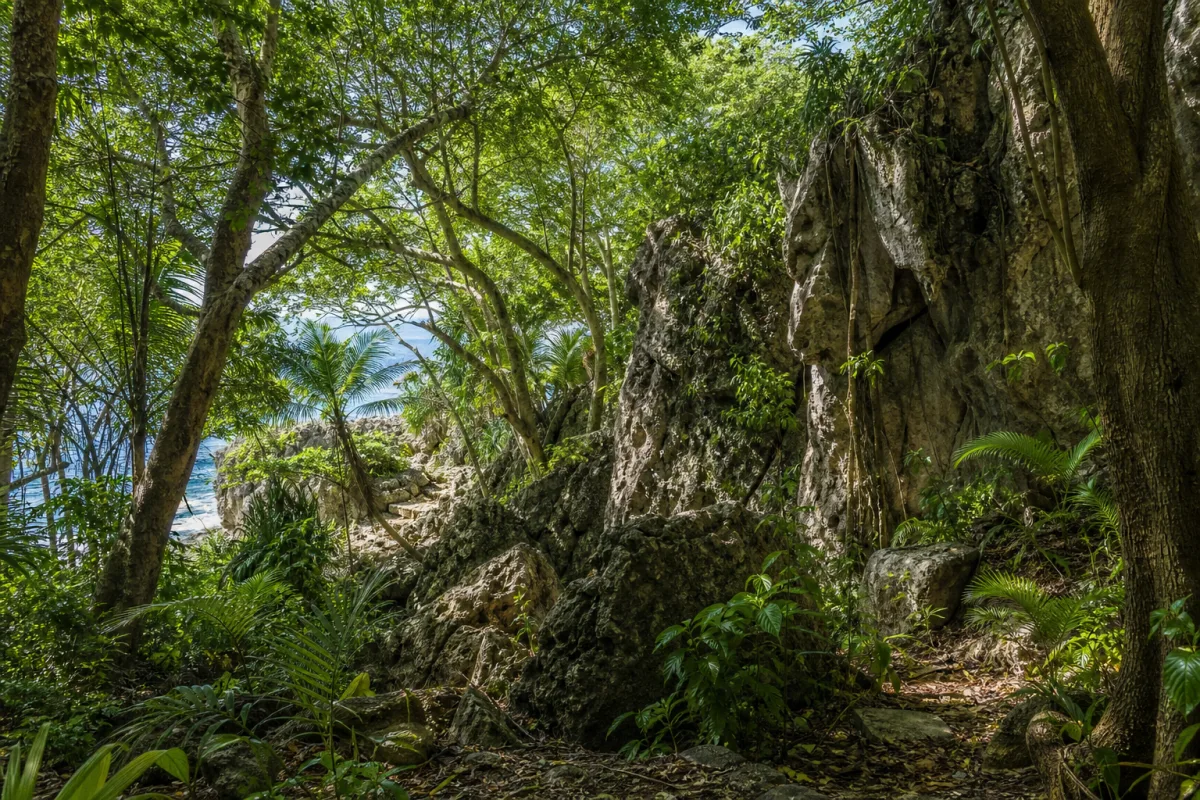
Within these habitats, Neobenthamia gracilis typically grows as a lithophyte or terrestrial plant, establishing itself on rocky outcrops, cliff faces, and well-drained hillsides where competition from taller vegetation is reduced. It thrives at elevations ranging roughly from sea level up to approximately 1500 meters, adapting to a broad spectrum of light intensities across this range. The rocky substrates it favors tend to be well-drained, nutrient-poor, and exposed to significant temperature fluctuations between day and night — conditions that have shaped the plant’s physiology and its requirements in cultivation. It is also occasionally found growing epiphytically on large trees at forest margins.
The climate across much of Neobenthamia gracilis’s natural range is characterized by distinct wet and dry seasons, a pattern that profoundly influences the plant’s growth cycle and flowering behavior. Monsoon rains arriving from the Indian Ocean bring seasonal moisture that fuels vigorous vegetative growth, while the dry season imposes a period of relative stress that often triggers floral initiation. This alternating rhythm of abundance and restraint is a key ecological driver for the species, and replicating something approximating these seasonal transitions is widely considered important for stimulating reliable blooming in cultivation. The surrounding biodiversity — including pollinators such as bees and moths — also plays a role in the plant’s reproductive ecology in the wild.
Morphology and Physical Characteristics
The growth habit of Neobenthamia gracilis is among its most immediately striking features. The plant produces long, slender, reed-like stems that can reach anywhere from 30 centimeters to well over a meter in length under favorable conditions. These cane-like growths are densely clothed in narrow, lanceolate leaves arranged alternately along the stem, giving the plant a bamboo-like elegance that sets it apart visually from the more rounded, pseudobulbous forms typical of many popular orchid genera. The stems are upright to slightly arching, and as they mature they can form impressive clumping masses that become focal points in any orchid collection or greenhouse display.
The flowers of Neobenthamia gracilis are produced in dense terminal racemes or panicles at the apex of mature canes, and it is in bloom that the plant truly reveals its breathtaking character. Individual flowers are small — typically around one to two centimeters across — but they are produced in extraordinary quantities, with each inflorescence carrying dozens to well over a hundred blooms simultaneously. The flower color is typically brilliant white, often with a delicate pink or violet flush toward the center of the lip, creating an effect of airy, cloud-like masses of blossom hovering above the foliage. This profuse floral display can persist for several weeks, providing an extended season of ornamental interest that few orchids can match.
Structurally, the flowers conform to the typical orchid plan, featuring three sepals, three petals — one of which is the modified lip or labellum — and a central column bearing both the anther and stigmatic surfaces. The lip in Neobenthamia gracilis is distinctly three-lobed, with lateral lobes that partially embrace the column and a forward-projecting midlobe that serves as a landing platform and visual guide for pollinators. The overall floral texture is somewhat waxy, giving individual blooms a lustrous quality that catches the light beautifully. Fragrance, when present, tends toward a sweet, light character most noticeable during the warmest part of the day.
Cultivation Requirements and Growing Conditions
Cultivating Neobenthamia gracilis successfully requires an understanding of its natural ecological preferences and a willingness to provide growing conditions that approximate them as closely as possible. Light is perhaps the single most critical variable: this species demands bright light levels that would be considered intermediate to high for orchids, with many growers finding that providing some direct morning sun while shading from the most intense midday rays produces the best growth and most reliable flowering. Insufficient light leads to etiolated, weak stems and reluctance to bloom, while too much direct sun can cause bleaching or burning of the foliage. In temperate climates, a south- or east-facing greenhouse position is often ideal.
Temperature preferences reflect the plant’s origins in East African highlands and coastal regions. Neobenthamia gracilis performs best under intermediate to warm conditions, with daytime temperatures ranging from approximately 22 to 30 degrees Celsius and nighttime temperatures ideally dropping to 15 to 18 degrees Celsius. This diurnal temperature differential is not merely tolerated but actively beneficial, promoting the development of stored carbohydrates within the stems and stimulating hormonal changes associated with floral initiation. Plants grown in consistently warm, undifferentiated temperatures often remain vegetatively vigorous but prove reluctant to flower, a frustrating outcome for growers unfamiliar with the species’ requirements.
Watering and fertilization practices should follow a modified seasonal approach inspired by the plant’s natural habitat cycle. During the active growing season — typically spring through summer in the Northern Hemisphere — watering should be generous and frequent, keeping the growing medium evenly moist but never waterlogged. A balanced, water-soluble fertilizer applied at quarter to half strength with every second or third watering will support robust vegetative growth. As autumn approaches and growth slows, watering frequency should be gradually reduced, and fertilizer applications curtailed or eliminated. This seasonal dry-down period, lasting several weeks, is often the key stimulus that triggers the development of flowering buds at stem apices. Adequate air movement around the plant at all times helps prevent the fungal and bacterial issues to which the dense foliage can be susceptible.
The preferred growing media for Neobenthamia gracilis should reflect its lithophytic and occasionally terrestrial habits in nature. Many experienced growers favor a coarse, fast-draining mix that might include components such as:
- Medium-grade bark chips (fir or orchiata bark)
- Perlite or pumice for drainage and aeration
- Coarse horticultural charcoal to prevent medium souring
- A small proportion of sphagnum moss to retain modest moisture
- Crushed lava rock or gravel for additional drainage structure
Shallow terracotta pots, wooden baskets, or even mounted culture on cork bark slabs can all be used effectively, with the choice depending on the humidity levels available in the growing environment. In very humid conditions, mounted culture or baskets that allow rapid drying of the root zone may be preferable, while in drier environments, a pot-based approach with a medium retaining slightly more moisture may be more appropriate.
Propagation and Reproduction
Propagation of Neobenthamia gracilis can be accomplished through several methods, each suited to different circumstances and levels of horticultural expertise. The most straightforward approach for amateur growers is division of established clumps, carried out when the plant is repotted, typically in late winter or early spring just as new growth is beginning to stir. A healthy, mature specimen will develop multiple cane clusters over time, and these can be carefully separated with a sterile cutting tool, ensuring that each division retains a minimum of three to five mature canes and a portion of the root system. Divisions should be potted into appropriately sized containers and kept slightly drier than usual until new root growth is observed, at which point normal watering and feeding can resume.
Stem cuttings represent another viable propagation method, particularly for those wishing to increase their stock more rapidly or share the species with other enthusiasts. Mature canes that have already flowered can be cut into sections bearing two to three nodes each, allowed to dry briefly at the cut surfaces to reduce the risk of rot, and then laid horizontally on a bed of moist sphagnum moss in a warm, humid environment. Keiki — the name given to plantlets that naturally develop on orchid stems — may also spontaneously arise along the length of older canes, particularly after the canes have flowered and begun to decline. These natural offshoots can be removed once they have developed a few roots of their own and potted individually.
For those with access to laboratory facilities, Neobenthamia gracilis can also be propagated through asymbiotic seed germination in sterile agar culture — the technique used in commercial orchid production worldwide. Orchid seeds are extraordinarily tiny and lack the endosperm found in most flowering plant seeds, making them dependent on mycorrhizal fungi for germination in nature. In laboratory conditions, the nutrients that the fungus would provide are instead supplied through the agar medium, allowing seeds to germinate and develop into protocorm-like bodies that eventually produce plantlets. This method yields large numbers of genetically diverse offspring and is particularly valuable for conservation purposes, helping to maintain genetic diversity in cultivated populations of this relatively rare species.
Conservation Status and Ecological Significance
The conservation situation facing Neobenthamia gracilis in the wild is a matter of genuine concern, reflecting the broader crisis confronting biodiversity across its native East African range. The forests and rocky habitats where this species naturally occurs have suffered significant degradation and fragmentation over recent decades, driven by agricultural expansion, charcoal production, urban growth, and the cumulative pressures of a rapidly growing human population. The Eastern Arc Mountains of Tanzania, which represent one of the most important refuges for the species, are recognized globally as a biodiversity hotspot, but their protected areas remain underfunded and vulnerable to encroachment. Habitat loss is widely considered the primary threat to wild populations of Neobenthamia gracilis.
Illegal collection from wild populations has historically posed an additional threat, though international trade regulations under the Convention on International Trade in Endangered Species of Wild Fauna and Flora (CITES) — which lists all orchid species in its appendices — provide a degree of legal protection. Enforcement of these protections in remote forest areas remains challenging, and the continuing demand for wild-collected specimens among orchid enthusiasts in some markets sustains pressure on natural populations. The orchid cultivation community has an important role to play in reducing this pressure by supporting propagation from cultivated stock and by promoting ethical horticultural practices. Purchasing plants from reputable nurseries that demonstrate legal provenance is a straightforward step any grower can take.
Beyond its inherent value as a beautiful and botanically interesting plant, Neobenthamia gracilis plays a role within its native ecosystem that extends to the web of organisms with which it interacts. As a flowering plant that attracts pollinators, it contributes to the broader pollination network of its habitat. Its root associations with mycorrhizal fungi link it to the subterranean fungal networks that connect and sustain forest ecosystems. As a lithophyte growing on rocky outcrops, it helps stabilize thin soils and contributes organic matter to otherwise sparse substrates. These ecological contributions, though perhaps less spectacular than the plant’s aesthetic qualities, underscore why its conservation in the wild matters beyond the concerns of orchid enthusiasts alone.
Several botanical institutions and orchid conservation organizations are actively working to document and protect Neobenthamia gracilis and other threatened East African orchid species. Key efforts include:
- Ex situ conservation through cultivation in botanical garden collections
- Seed banking programs to preserve genetic material for future restoration efforts
- Field surveys to map remaining wild populations and assess population health
- Community engagement programs in Tanzania that provide alternative livelihoods to reduce forest pressure
- Citizen science initiatives that involve orchid growers worldwide in monitoring cultivated population genetics
Cultural Significance and Place in Horticulture
Within the world of orchid cultivation, Neobenthamia gracilis occupies a distinctive niche as a species that rewards patient and knowledgeable growers with a floral display of remarkable generosity. Unlike many prized orchid species whose appeal rests on a single spectacular bloom or two, this reed orchid produces its effect through sheer floral abundance — hundreds of pristine white flowers massed above graceful, arching stems in a display that has struck observers as resembling a living cloud of snowflakes. Orchid society exhibitions frequently feature well-grown specimens of Neobenthamia gracilis as standout entries, and the species has earned a loyal following among growers who specialize in species orchids rather than the elaborate hybrids that dominate mainstream horticulture.
The species has also attracted interest in Japan, where orchid cultivation has a long and sophisticated cultural tradition and where unusual species orchids command particular appreciation. The Japanese name listed in online plant communities — ネオベンタミア・グラキリス — is simply a phonetic rendering of the Latin scientific name using katakana script, reflecting the widespread practice in Japanese botanical circles of adopting scientific nomenclature for exotic foreign species rather than coining entirely new vernacular names. This practice ensures that Japanese growers and enthusiasts can communicate unambiguously with their international counterparts about specific plant identities, facilitating the exchange of cultivation knowledge and plant material across language barriers. The orchid’s popularity on platforms such as Pinterest reflects this global community of enthusiasts who share images and information across cultural boundaries.
Hybridization involving Neobenthamia gracilis has been explored by breeders seeking to introduce its prolific flowering habit and cascading white floral masses into hybrid offspring. While such hybrids are less commonly encountered than those involving more commercially prominent genera, they represent an interesting frontier in orchid breeding. Breeders have been drawn to the species specifically for its extraordinary flower count and the clean white coloration of its blooms, characteristics that are highly desirable in the broader orchid market. Crosses with related genera have produced plants that blend the floriferousness of Neobenthamia with the vigor or alternative flower colors of the hybrid partner, offering new aesthetic possibilities while maintaining something of the original species’ ethereal charm.
For those new to growing this species, connecting with established orchid societies and specialist growers is strongly recommended. Many national and regional orchid societies maintain libraries of cultivation notes, host regular speaker events, and facilitate plant exchanges that make it possible to obtain well-documented cultivated stock. Online communities dedicated to species orchids are also rich sources of practical advice from growers who have worked with Neobenthamia gracilis across a range of climates and growing setups. The accumulated experience of this global community represents an invaluable resource that can significantly shorten the learning curve for newcomers and help ensure that cultivated populations of this remarkable orchid continue to thrive in collections worldwide for generations to come.








What do you think?
It is nice to know your opinion. Leave a comment.