










Thrift Flip: The Art of Transforming Second-Hand Finds into Stunning Pieces
What Is a Thrift Flip and Why Everyone Is Doing It
A thrift flip is pretty much exactly what it sounds like: you pick up something cheap and overlooked — from a thrift store, a garage sale, a flea market, wherever — and you transform it into something that looks completely different. Better, even. Maybe high-end. The transformation can happen through paint, sewing, cutting, redesigning, or just about any other creative approach you can think of. The trend has taken off in a big way over the last few years, mostly thanks to social media. Pinterest, TikTok, and Instagram are absolutely packed with before-and-after content from creators who’ve turned ugly thrift finds into things people actually want, and millions of followers are tuning in for the inspiration.
But saving money is only part of the appeal, even if it’s a pretty great perk. There’s a real creative thrill in picking up a beat-up denim jacket or a sad-looking wooden dresser and seeing something nobody else sees yet. Thrift flipping asks you to look past what something is and imagine what it could be — and then actually make it happen. It takes some imagination and a willingness to mess up occasionally, but honestly, the process of getting there is half the fun.
For a lot of people, thrift flipping has also become a way to push back against fast fashion and the whole disposable-everything culture we’ve ended up with. Instead of buying something new that was made under questionable conditions and might fall apart by next season, you’re giving something that already exists a whole new life. That shift — from consumer to creator — really resonates with younger generations especially, who want their choices to reflect their values and not just their taste in trends.
The Best Items to Thrift Flip: What to Look For at the Store
Walking into a thrift store without a game plan can feel a little chaotic, but once you know what to look for, the hunt gets genuinely fun. For clothing, your best bets are pieces made from natural fabrics — cotton, denim, linen, wool. These materials hold dye well, they can handle bleach treatments, and they’re sturdy enough to cut and reshape without just falling apart on you. Also worth keeping an eye on: interesting buttons, quality zippers, and unusual textures that would cost a fortune to source new.
Furniture and home décor are where you’ll find some of the most dramatic transformations. Solid wood pieces are the holy grail, even when they’re buried under layers of hideous stain or chipping paint, because you can strip them back and refinish them to look genuinely expensive. Ornate frames, chunky candlesticks, decorative bowls, ceramic vases — all of these respond incredibly well to a coat of spray paint or some gold leaf, and they come out looking like something you’d find at a boutique home store. Just make sure to check furniture for structural problems before you buy. Wobbly joints and warped wood are fixable, but they’ll eat up your time.
Accessories are honestly an underrated category. Leather belts can be repurposed as bag straps or decorative trim. Silk scarves become tops, headbands, or bag accents. That outdated handbag nobody wanted can be cleaned, re-dyed, and studded into a statement piece. The rule across all of it is the same: focus on the quality of the material and the structure, not how it looks right now. An ugly item made from great material will almost always give you a better result than a mediocre item made from cheap stuff.
Some of the most flip-worthy clothing items to keep an eye out for include:
- Oversized men’s denim jackets and shirts that can be cropped, distressed, or embroidered
- Blazers in classic cuts that can be tailored, dyed, or adorned with patches
- High-waisted trousers with good fabric weight that can be cropped or restructured
- Plain cotton sweatshirts and hoodies ideal for bleach dyeing or hand embroidery
- Vintage band tees and graphic shirts that can be cropped, cut out, or layered
- Linen shirts and dresses that respond exceptionally well to natural dyes
Essential Techniques for Clothing Thrift Flips
Cropping is probably the easiest place to start — all you need is a sharp pair of fabric scissors and a little confidence. A boxy, oversized thrift store shirt can become a crop top or a fitted tee in a matter of minutes. If you want a cleaner edge, fold and iron the hem before you cut to keep the line straight, then either do a quick rolled hem or run a zigzag stitch to stop fraying. Plenty of flippers actually fray the hem on purpose by cutting it and washing the piece a few times, which gives it that worn-in, handmade quality that looks really intentional.
Bleaching and dyeing open up a whole other world of possibilities. Bleach dyeing means applying household bleach to dark denim or cotton in controlled patterns — folding, scrunching, twisting, or using a squeeze bottle — to get marble effects, tie-dye looks, or splatter designs. Natural dyeing with avocado pits, onion skins, black tea, and turmeric has also gotten really popular with eco-minded flippers who want color without synthetic chemicals. And dip-dyeing, where you just submerge the bottom half of a garment, creates a gradient effect that looks completely deliberate and polished.
Embroidery and embellishment are how you take a flip from interesting to genuinely special. A simple running stitch around a collar, chain stitch florals on a jacket pocket, or French knots scattered across a shirt yoke can make a plain thrift find look like a one-of-a-kind artisan piece. If you’d rather skip the hand stitching, iron-on patches, heat-transfer vinyl, fabric paint, and rhinestone adhesives can get you similar results without much sewing skill at all. Put all of these together — cutting for shape, dye for color, embellishment for detail — and even a beginner can create something people genuinely want to know more about.
Reconstruction is the more advanced end of things, where you actually take garments apart and put them back together in a completely new form. Some popular approaches include:
- Patchwork panels: cutting multiple thrifted garments into strips or squares and sewing them together to create entirely new patchwork jeans, jackets, or skirts
- Shirt-to-skirt conversions: taking a large men’s dress shirt and converting it into a wrap skirt or tiered mini skirt using the original buttons and placket as a design feature
- Dress restructuring: removing sleeves, adding cutouts, lowering necklines, or raising hemlines on thrifted dresses to create completely different silhouettes
- Layering and deconstructing: slicing through the seams of a sweatshirt and inserting panels of lace, mesh, or contrasting fabric to add unexpected texture and visual interest
Furniture and Home Décor Flips: Transforming Your Living Space
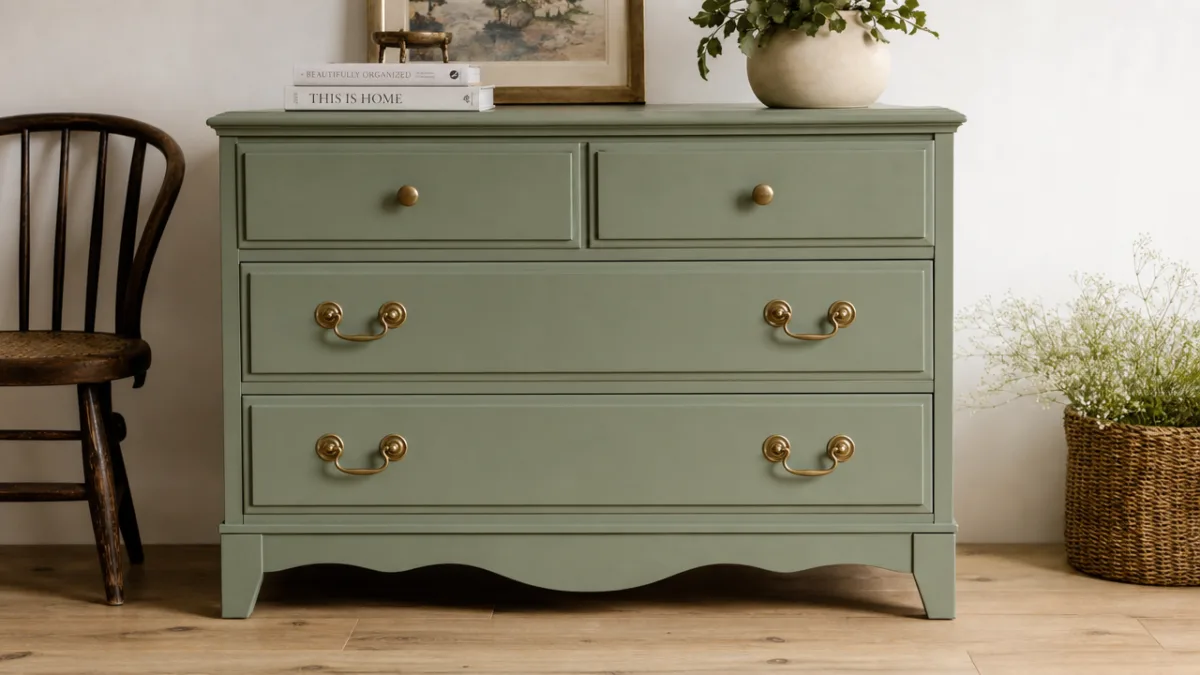
Furniture flipping works on the same basic principle as clothing: find something with good bones underneath an ugly surface, apply the right techniques, and let the potential show through. Dressers, side tables, chairs, picture frames, and lamps are the workhorses of the furniture flip world — they’re everywhere in thrift stores, they don’t cost much, and they respond really well to paint and refinishing. A battered but solid wooden dresser can be sanded, primed, and painted in a color that’s actually trending — sage green, terracotta, dusty pink, matte black — and suddenly it looks like something you’d find at a boutique furniture store for several hundred dollars.
Chalk paint has been a genuine game-changer for furniture flippers. It sticks to almost any surface without sanding or priming first, dries fast, and gives you a beautiful matte finish that you can either distress for a vintage feel or wax to a soft sheen. It works on wood, laminate, metal, ceramic, even fabric — which makes it one of the most versatile things you can keep in your supplies. If you want something more polished, water-based satin or semi-gloss paints in popular interior colors are durable and photograph really well, which matters a lot when you’re sharing your work online or selling it.
One of the highest-impact, lowest-effort upgrades you can make to any piece of furniture is swapping the hardware. Replacing cheap plastic pulls or tarnished knobs with brushed brass, matte black, or sculptural ceramic hardware can completely change how a piece reads without touching a paintbrush. Same goes for reupholstering a chair seat — swap in a bold print or a rich velvet and a dated piece suddenly looks like it was styled on purpose. These changes don’t take long, they don’t cost a lot, and the visual payoff is pretty remarkable.
The home décor category stretches well beyond furniture, too. Thrifted ceramic lamps can be repainted and paired with new shades. Plain terracotta pots can be marbled using nail polish floated on water. Old prints can go into new frames, or the canvas itself can be gessoed over and painted fresh. And thrifted mirrors — honestly some of the most overlooked things in any secondhand shop — can be completely transformed with metallic spray paint, mosaic tile borders, or rattan wrapping until they’re the focal point of a whole room.
Building a Thrift Flip Side Hustle: Turning Creativity into Income
For a lot of people, what starts as a fun weekend hobby slowly starts to look like it could actually make money. Thrift flip entrepreneurs — resellers, upcyclers, whatever you want to call them — buy secondhand items, transform them, and sell them at a profit on platforms like Etsy, Depop, eBay, Poshmark, and Instagram shops. The margins can be surprisingly good. A denim jacket that cost three dollars, embroidered over an evening, and sold for sixty? That’s a real return, even after you factor in materials and time. The sellers who do this well tend to develop a recognizable look and a following, which lets them charge prices that actually reflect the quality of their work.
Pricing is one of the trickier skills to develop as you move from hobby into something more serious. A lot of beginners undersell themselves because the original item cost almost nothing — but your time and creative skill are real costs, and they deserve to be in the math. A useful starting point: add up the cost of the item and all your materials, multiply by two or three to cover overhead and profit, then add in an hourly rate for your labor. Look at what comparable pieces are actually selling for on your platform of choice to get a sense of what the market will support, and try not to price in a way that shortchanges your own craftsmanship.
Content creation has become just as important as the making itself. Photographing or filming your process — the sad before, the work in progress, the exciting after — gives you marketing material that also builds a genuine audience. People get invested in the creative journey, not just the finished product. Pinterest boards, TikTok transformation videos, and Instagram reels from thrift flippers go viral regularly, bringing in exposure that paid advertising simply can’t match. The most successful people in this space think of themselves as storytellers as much as makers, and they bring their audience along for every step.
Sustainability, Ethics, and the Deeper Meaning of the Thrift Flip Movement
The thrift flip movement lives at this really interesting intersection of creativity, economics, and environmental awareness. Fashion alone accounts for around ten percent of global carbon emissions every year, and the rise of ultra-fast fashion brands pumping out hundreds of new styles a week has pushed textile waste to genuinely alarming levels. In that context, thrift flipping — even at the individual level — is a meaningful act of resistance. Every piece that gets a second life is one less thing going to a landfill and one fewer signal of demand for something newly manufactured.
That said, the community has also raised some honest and important questions about equity. Thrift stores have always been a lifeline for low-income communities that depend on them for affordable clothing and household essentials. As thrift flipping has grown in popularity and driven up demand, prices at many secondhand shops have climbed, and some resellers bulk-buy entire racks of clothing, making it harder for people who genuinely need those items to find them. A lot of thoughtful people in the thrift flip space are wrestling with this tension and making more conscious choices about where they shop, how much they buy, and how they relate to their local thrift ecosystem.
At its best, though, the thrift flip is an act of creative empowerment. It says that style isn’t just for people with big budgets, that beautiful, interesting, personality-filled clothing and home décor can be made just as much as bought, and that the most compelling personal style is the kind that reflects who you actually are rather than which brands you can afford. Walking into a thrift store with ten dollars and a vision, and walking out with the makings of something genuinely unique — there’s nothing at a fast fashion retailer that can replicate that feeling. The satisfaction of making something with your own hands, from your own imagination, entirely on your own terms is real in a way that a shopping cart checkout just isn’t.
And the values that drive the thrift flip movement tend to spill over into everyday life in ways that go further than shopping or crafting. People who get into it often find themselves developing a different relationship with stuff in general — becoming more patient, more observant, more interested in potential than in surface appearances. That shift builds real skills, feeds creativity, takes the edge off the anxiety that comes with chasing trends, and connects you to a global community of makers who believe that the best things are often the ones you make yourself. Whether you’re picking up a glue gun for the very first time or building a full resale business, there’s a path here that’s genuinely rewarding — and pretty sustainable, too.








What do you think?
It is nice to know your opinion. Leave a comment.