










The Joy of Yarn Hauls: A Comprehensive Guide to Building Your Fiber Collection
The Thrill of a New Yarn Haul
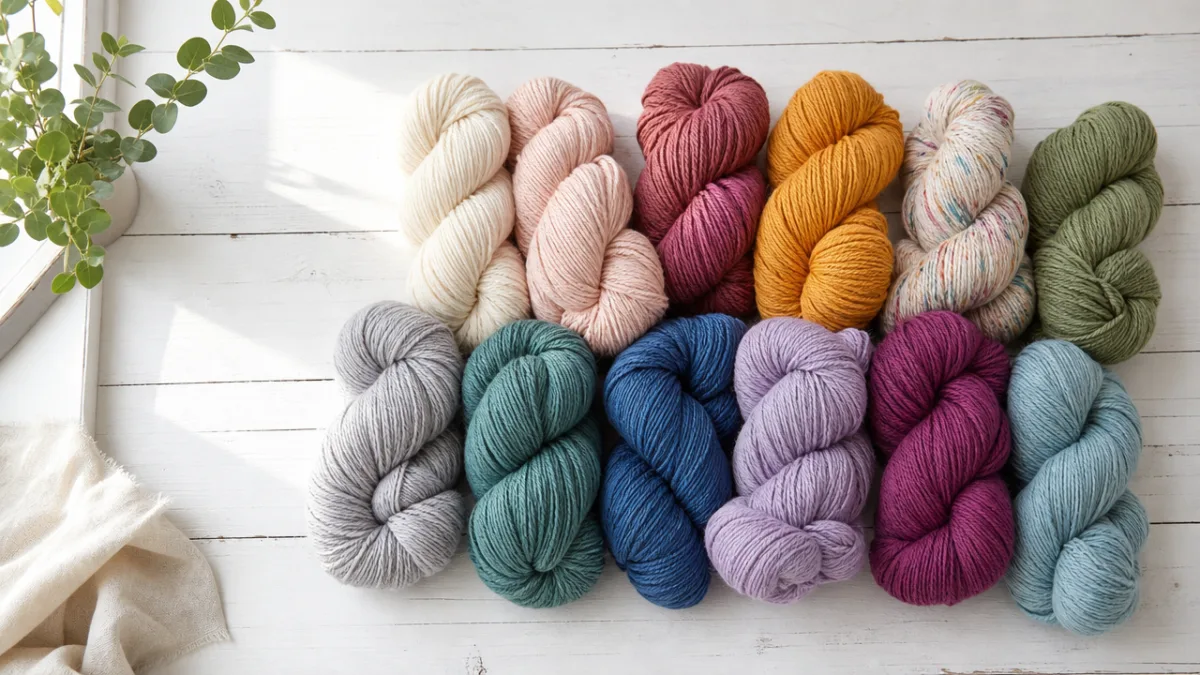
There’s something almost indescribably satisfying about bringing home a fresh batch of yarn — whether it’s from your local craft store, a small indie dyer’s shop, or a late-night online destash rabbit hole. That moment when you open the package and all those colors come tumbling out? Pure magic. A yarn haul is so much more than just a shopping trip. It’s an investment in future projects, a gathering of possibilities, and honestly, a little love letter to a craft you’re passionate about.
Yarn hauls have become a genuine ritual in the fiber arts world, and sharing them on Instagram, Pinterest, and YouTube has turned what used to be a solo shopping trip into a whole communal event. When someone posts their newest haul, followers get swept up in the excitement right along with them — chiming in with pattern suggestions, gushing over the colorways, and celebrating like it’s their yarn too. It’s one of those little things that makes this hobby feel so warm and connected.
Whether you’ve been knitting for decades and have yarn stuffed into every corner of your home, or you’re holding your very first skein and wondering what all the fuss is about, yarn hauls tap into something universal about creativity and collecting. It’s about surrounding yourself with things that genuinely make your imagination light up. Every skein is a “what if” — a future sweater, a cozy blanket, a delicate shawl, or a tiny amigurumi creature just waiting for the right moment to come to life.
Choosing the Right Yarn for Your Stash
Not all yarn is created equal, and if you want to build a stash you’ll actually use and love, it helps to understand the wide world of fibers, weights, and textures out there. Natural fibers like wool, alpaca, cashmere, and cotton all behave differently and shine in different contexts. Wool is the classic workhorse — elastic, warm, and incredibly forgiving — which makes it perfect for garments and accessories. Alpaca is an entirely different experience, with a softness and drape that feels almost decadent, especially in shawls and wraps. Cotton and linen are your go-to options for warmer weather projects and dishcloths, bringing great stitch definition and breathability to whatever you make.
Yarn weight is another thing worth thinking about as you build your stash. From whisper-thin lace weight all the way up to chunky and super bulky, each weight essentially unlocks a different category of projects. Fingering weight is where socks and delicate accessories live, while worsted weight is the reliable middle ground that works for everything from hats and sweaters to home décor. Having a decent mix of weights means you’ll almost always have the right yarn on hand when inspiration hits — or when you suddenly need a quick last-minute gift.
And then there’s color, which is honestly the most fun and most personal part of the whole thing. Some people gravitate toward calm, cohesive palettes of neutrals and earth tones. Others can’t resist bold, saturated hues or wildly variegated colorways that look like a sunset exploded into a skein. Hand-dyed yarns from indie dyers are especially special because no commercial mill can replicate them — each one is genuinely unique. When you’re choosing colors for a haul, think not just about what catches your eye on its own, but also about how the colors might play together or pair with projects you already have in the back of your mind.
Where to Find the Best Yarn for Your Collection
The yarn shopping landscape has expanded so much in recent years, and crafters today have more options than ever. Your local yarn store — affectionately called the LYS in fiber circles — is still an irreplaceable part of the experience. Shopping in person lets you actually feel the yarn, see the true colors under natural light (which matters more than you’d think), and get advice from staff who are almost always passionate crafters themselves. Many local yarn stores also host knit nights, workshops, and community events, making them the beating heart of their local fiber arts scene.
Online shopping has opened things up even further, especially through platforms like Etsy, where independent dyers sell their hand-painted creations directly to customers all over the world. Yarn subscription boxes have also become hugely popular — a curated selection of yarn and patterns shows up at your door every month, which is genuinely delightful. These services are a great way to discover new dyers, try fiber types you might not have picked for yourself, and experience the simple joy of a surprise in the mail. A lot of boxes also throw in notions, patterns, and other little extras that make the unboxing feel like a proper occasion.
Yarn swaps and destash communities are another avenue worth knowing about. Groups on Ravelry, Facebook, and Reddit regularly facilitate trades where crafters swap yarn from their own stashes, often at a steep discount or just for the cost of postage. It’s a great way to find yarn a new home and discover something unexpected for your own stash — and the connections you make along the way are genuinely meaningful. And if you ever get the chance to attend a fiber festival or craft fair, do not miss it. Meeting dyers and makers in person, surrounded by other people who love this stuff as much as you do, is an experience that’s hard to top.
Organizing and Storing Your Yarn Haul
Once the initial excitement of a haul starts to settle, you eventually have to figure out where to put it all. A well-organized stash is genuinely a joy to work with, and — maybe counterintuitively — it can actually make you more creative by letting you clearly see what you have. A lot of crafters catalog their stash on Ravelry, where you can log the fiber content, weight, yardage, colorway, and dyer for every single skein. That digital record is a lifesaver when you’re shopping for patterns or trying to figure out whether you have enough of something to actually finish a project.
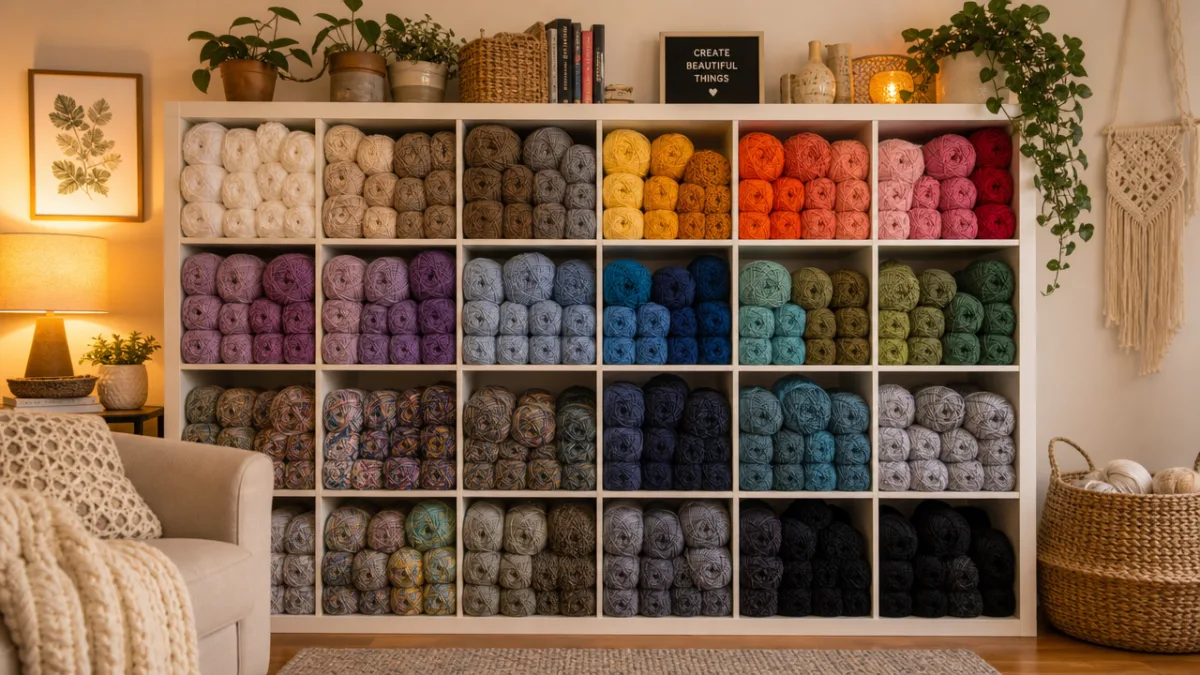
On the physical side, storage options run the gamut from purely practical to genuinely beautiful. Clear bins and drawer organizers are fantastic for seeing everything at a glance and keeping different weights or fiber types from mingling. Open shelving has become a favorite for crafters who want their stash to moonlight as home décor — skeins and cakes arranged by color create a living rainbow effect that never gets old. Baskets, wooden crates, old bookshelves, repurposed armoires — honestly, almost anything can work if it fits your space and your style.
If you’re planning to keep yarn for a while, you’ll want to think about protecting it from pests, moisture, and light. Wool and other animal fibers are unfortunately attractive to moths, so storing them with cedar blocks or lavender sachets is a smart habit to get into. Sealed containers or bags help guard against humidity, which can cause mildew and mess with the fiber over time. And keeping yarn away from direct sunlight is especially important for hand-dyed colorways, which can fade faster than you’d expect under prolonged UV exposure. A little bit of care up front goes a long way toward keeping your stash in beautiful, workable condition.
- Use clear storage bins to easily identify yarn by color and weight without opening containers.
- Add cedar blocks or lavender sachets to protect animal fibers from moth damage naturally.
- Keep yarns away from direct sunlight to prevent fading, especially in hand-dyed skeins.
- Log every new addition to your stash in Ravelry or a personal spreadsheet for easy reference.
- Store yarn in a cool, dry location with good air circulation to prevent mildew and moisture damage.
Winding and Preparing Yarn for Projects
A lot of yarn hauls include skeins that need to be wound before you can actually use them. Skeins are that long, looped form that most hand-dyed and many commercial yarns come in — gorgeous to look at, easy to store, but absolutely not something you can work directly from without ending up in a tangled nightmare. Winding them into cakes — that satisfying flat-bottomed cylinder shape — is the key step that makes your yarn actually workable and lets you pull from the center nice and cleanly.
A yarn swift is your best friend when it comes to winding, because it holds the skein taut while the ball winder does its thing, keeping everything smooth and tangle-free. Swifts come in two main styles: the umbrella swift, which clamps to a table and opens up like — well, an umbrella — and the Amish-style swift, which sits on a flat surface and spins freely. Both work great; it mostly comes down to personal preference and how much storage space you have. And if you don’t have a swift at all, a friend or family member who doesn’t mind holding the skein stretched between their hands works perfectly well — it’s a time-honored method that also doubles as a nice excuse to chat.
For those who like a more hands-on approach, winding by hand into a traditional center-pull ball is absolutely a valid option. It doesn’t require any equipment, just your hands and a little patience — and okay, maybe a few attempts before you get a ball that pulls smoothly without collapsing. Some crafters also wind small butterflies or figure-eight skeins for smaller quantities or when working with multiple colors in a single project. However you choose to do it, taking a few minutes to properly prepare your yarn before you start a project makes the whole crafting experience smoother and helps keep your fiber in good shape.
Planning Projects for Your New Yarn
Honestly, the dreaming phase might be the best part of any yarn haul. That lovely stretch of time when you spread everything out and just let yourself imagine all the things it could become. Matching yarn to the right project means thinking about fiber, weight, drape, and colorway all together, alongside what a given pattern actually needs. A stitch pattern with a lot of texture, for example, tends to show up beautifully in a solid or semi-solid colorway, while a simple stockinette or garter stitch construction is where a complex variegated yarn really gets to shine without anything competing with it.
Finding patterns has never been easier. Ravelry alone has hundreds of thousands of free and paid patterns you can search by weight, category, and even specific yarns that other members have used. Pinterest is another rabbit hole worth falling down, full of finished objects, colorwork inspiration, and pattern recommendations that other crafters have curated. Many indie dyers also suggest patterns on their websites and social media that they think pair well with their colorways, which can be a genuinely helpful starting point when you’re feeling overwhelmed by the sheer number of options out there.
It’s tempting to cast on the second a haul arrives — believe me, I get it — but taking a little time to plan ahead usually leads to happier results. Swatching, which means knitting or crocheting a small sample in your intended stitch pattern, helps confirm your gauge, gives you a feel for the drape and fabric hand, and lets you understand how the yarn behaves before you’re three inches into a sweater. It has a reputation for being the most-skipped step in fiber arts, and not entirely without reason, but it genuinely does save heartache down the line. Think of it as a small gift to your future self.
- Lay out all your new yarn together to assess the full palette before assigning projects.
- Search Ravelry using the yarn’s weight and fiber content to find well-suited patterns.
- Check your queue for projects already waiting for yarn that may now finally have a match.
- Swatch before beginning any garment to confirm gauge and assess the fabric’s drape and feel.
- Consider the recipient and season when pairing yarn to patterns for gift projects.
Building a Sustainable and Intentional Stash
As the fiber arts community has become more environmentally aware, a lot of crafters have started thinking more carefully about the ethics and sustainability behind their yarn purchases. Fast fashion has a crafting equivalent, and the culture of accumulating massive stashes can sometimes sit uncomfortably alongside values around mindful consumption and environmental responsibility. Choosing yarn from makers and mills that prioritize fair labor practices, sustainable sourcing, and eco-friendly dyeing processes is one real, meaningful way to bring your shopping habits into line with your values.
Plenty of indie dyers now work with low-impact, fiber-reactive, or plant-based dyes, and some source their yarn from small, locally raised flocks. Recycled and upcycled yarn — reclaimed cotton, recycled wool — offer another path for crafters who want more sustainable options. Shopping secondhand through destash groups and thrift stores is also a genuinely eco-conscious alternative to always buying new. Taken together, these choices reduce the environmental footprint of the hobby while also supporting small, independent businesses that are deeply invested in both the craft and the community around it.
At the end of the day, building an intentional stash is really about buying with purpose — choosing skeins because they genuinely inspire something, fill a real gap in your collection, or come from makers you want to support. It means being a little more resistant to impulse buys driven by a flash sale or a passing trend, and instead building a collection that truly reflects your taste, your values, and where you want your creativity to go. A stash built with intention is not only more satisfying to dig through, but it’s also far more likely to result in finished pieces you’ll actually treasure. Every yarn haul, approached with a little thoughtfulness and a lot of excitement, is a chance to deepen your connection to a craft that is, at its core, about making something beautiful with your own two hands.








What do you think?
It is nice to know your opinion. Leave a comment.