










Lime Green Yarn: The Ultimate Guide to Working with This Vibrant Craft Essential
The Allure of Lime Green: Why This Color Is Taking the Craft World by Storm
Lime green yarn has become one of the most sought-after colors in the crafting community, and it is not difficult to understand why. This electrifying shade sits at the intersection of yellow and green, radiating an energy that feels simultaneously fresh, playful, and sophisticated. Whether you are a seasoned knitter, an enthusiastic crocheter, or someone just beginning to explore the world of fiber arts, lime green has a way of breathing life into any project it touches. Its brightness commands attention without feeling garish, and when paired with the right complementary colors, it achieves a balance that is genuinely stunning.
The appeal of lime green in yarn form goes far beyond simple aesthetics. There is something deeply satisfying about working with a color that feels alive in your hands, that seems to almost glow under natural light and sparkle under lamplight during evening crafting sessions. Many crafters describe the experience of working with lime green as inherently joyful, citing that the color itself seems to keep their motivation high even through the more repetitive sections of a complex pattern. It has become a staple in community yarn orders, group projects, and coordinated crafting clubs precisely because it excites everyone involved.
Lime green also carries a fascinating cultural resonance that adds another layer of meaning to any project made with it. Associated with vitality, new growth, and the freshness of spring, this color has roots in both nature and modern design sensibility. From the citrus-bright zest of a freshly cut lime to the luminescent glow of a firefly on a summer evening, the color speaks a visual language that is universally understood as energetic and alive. Crafters who choose lime green are not just selecting a color — they are making a statement about the kind of energy they want their finished piece to carry into the world.
Placing a Lime Green Yarn Order: What You Need to Know Before You Buy
Ordering yarn, especially as part of a group or community order, requires thoughtful planning to ensure everyone receives exactly what they need and that the experience runs smoothly from start to finish. When organizing or participating in a lime green yarn order, the first step is to clearly define the type of yarn being sought. Lime green appears across a remarkable range of fiber types, weights, and textures, and what looks lime green on one monitor or phone screen may lean significantly more yellow or more true-green when it arrives in person. Establishing a shared color reference — whether through a Pantone swatch, a physical yarn sample, or a trusted shop’s color card — is absolutely essential.
Beyond color accuracy, fiber content plays a huge role in determining which lime green yarn is right for your project. A lime green acrylic yarn will behave very differently from a lime green merino wool or a cotton-blend in the same shade. Acrylic tends to hold color vibrantly and wash easily, making it ideal for items that will see frequent use, like dishcloths, tote bags, or children’s garments. Wool, on the other hand, brings warmth, stretch, and a certain organic texture that makes lime green feel grounded rather than synthetic. Cotton adds crispness and drape, perfect for warmer-weather projects where breathability matters as much as color impact.
When placing a bulk or group lime green yarn order, communication among participants is everything. Consider creating a shared document or thread where everyone can list their individual yardage needs, preferred weight (fingering, DK, worsted, bulky), and any fiber sensitivities or preferences. This prevents the frustrating experience of receiving yarn that does not work for your specific project, and it allows whoever is coordinating the order to consolidate requests intelligently, potentially qualifying for bulk discounts or free shipping thresholds. Many indie dyers and small yarn shops appreciate well-organized group orders and may even offer a custom colorway experience for larger purchases.
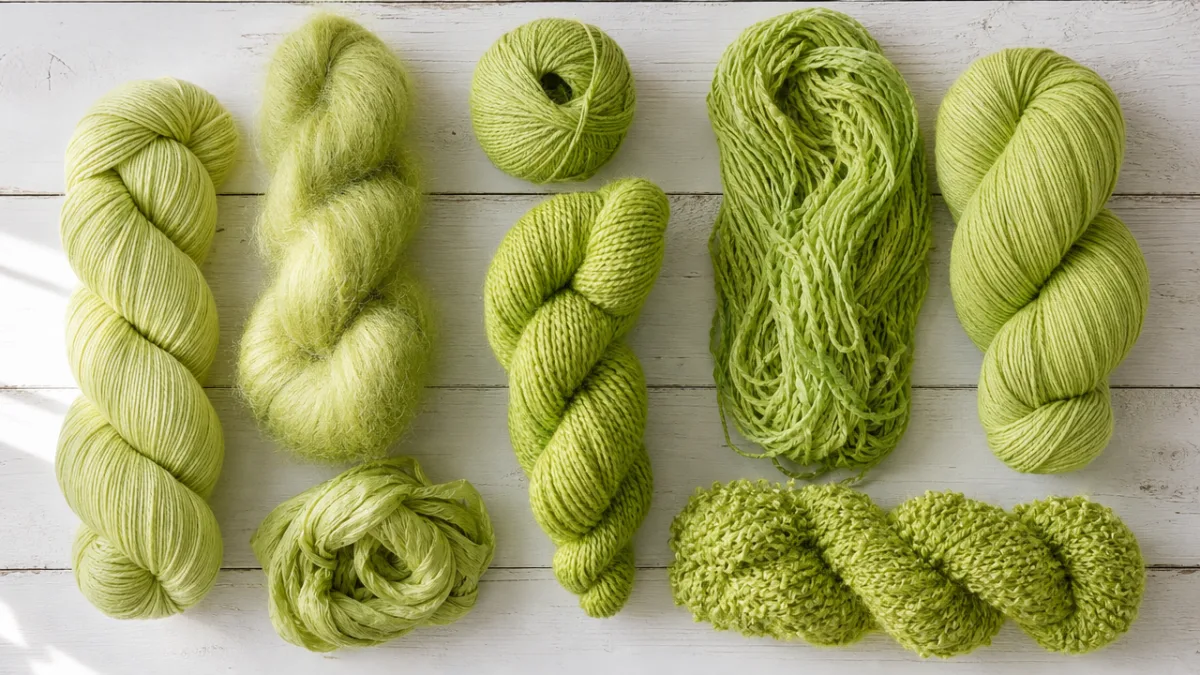
Fiber Types and Yarn Weights: Choosing the Right Lime Green for Your Project
Understanding yarn weight and fiber content is the foundation of any successful crafting project, and this knowledge becomes even more critical when you are working with a statement color like lime green. The weight of a yarn — from delicate lace weight all the way up to super bulky — determines not only the size of needles or hooks you will use, but also the drape, density, and overall feel of the finished fabric. Lime green in a lace-weight yarn creates a delicate, airy effect that is breathtaking in shawls and wraps, where the color seems to shimmer and diffuse through the open stitchwork. That same hue in a chunky or super bulky weight becomes bold and graphic, making an immediate visual impact in home décor items like pillows, blankets, or wall hangings.
For beginners embarking on their first lime green project, a worsted-weight yarn is often the most forgiving and versatile starting point. Worsted weight works up quickly enough to maintain enthusiasm and slow enough to allow for careful stitch placement, and it is available in lime green from nearly every major yarn brand. Intermediate and advanced crafters may find greater satisfaction in exploring the nuances of fingering or sport weight lime green yarns, where intricate colorwork or lacework can truly showcase the color’s complexity. The finer the yarn, the more the color itself becomes a design element rather than simply a background choice.
Fiber content choices in lime green yarn also carry practical implications that should not be overlooked. Superwash wool is treated to be machine washable, making it an excellent choice for lime green garments or accessories that will need frequent cleaning. Plant-based fibers like bamboo or Tencel have a natural sheen that makes lime green look particularly luminous, almost mercurial in certain lighting conditions. Blended yarns — part wool, part nylon, part cotton — offer the benefits of multiple fiber types and can make lime green projects especially durable for items like socks, market bags, or children’s toys. Taking time to read the yarn label carefully before ordering will save significant frustration later.
Creative Project Ideas for Your Lime Green Yarn Haul
Once your lime green yarn order arrives, the real excitement begins: deciding exactly what to make with this vibrant material. The possibilities are genuinely vast, stretching from quick one-skein projects that can be completed in a single weekend to ambitious multi-skein undertakings that will keep you happily occupied for months. Lime green is an extraordinarily versatile color from a design perspective, working beautifully as a primary color in bold, monochromatic pieces, as an accent color that pops against neutral backgrounds, or as one element in a carefully curated palette of complementary tones. Whichever direction you choose, the yarn’s inherent brightness ensures that the finished object will be memorable.
Some of the most popular and effective projects for lime green yarn include the following categories, each of which showcases a different dimension of the color’s character and versatility:
- Wearable accessories: Beanies, fingerless mitts, and cowls in lime green make striking wardrobe accents that work year-round. A simple ribbed beanie in lime green with a black or charcoal brim is a modern classic that appeals to crafters and recipients of all ages.
- Home décor items: Throw pillows, plant hangers, and woven wall hangings in lime green bring an energetic focal point to any room. The color pairs particularly well with natural wood tones, terracotta, and muted mustard yellows in interior design schemes.
- Amigurumi and plush toys: Lime green is a beloved choice for crocheted animals and characters, lending itself perfectly to frogs, dinosaurs, aliens, and fantastical creatures of all kinds. The brightness of the color gives finished toys an immediate sense of personality and charm.
- Market bags and totes: A crocheted or knitted lime green market bag is both practical and eye-catching, making it easy to spot your bag in a crowd while reducing plastic waste in style.
- Blankets and lap throws: When used as a stripe color in a multicolor blanket or as the primary color in a bold throw, lime green creates a piece that functions as functional art in any living space.
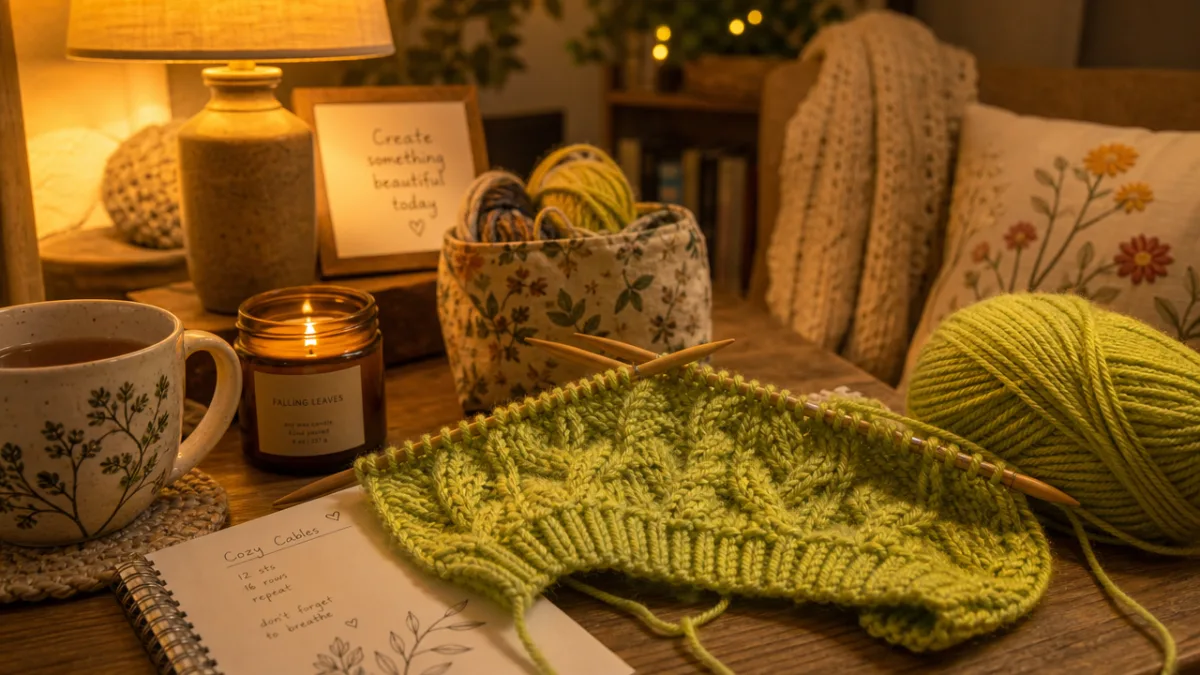
Beyond the project type itself, consider the stitch patterns that best complement lime green’s energy. Textured stitches like moss stitch, seed stitch, or bobble patterns create interesting shadow and dimension that give the color depth and visual complexity. Simple stockinette or single crochet, on the other hand, lets the color itself take center stage, creating a clean, modern aesthetic that photographs beautifully for sharing on social media or in crafting communities. The lime green yarn community on platforms like Pinterest is filled with inspiring examples of how this single color can look dramatically different depending on the stitch pattern and construction method chosen.
Color Pairing and Design Principles for Lime Green Yarn Projects
One of the most exciting creative challenges when working with lime green yarn is determining which colors to pair with it for the most striking visual effect. Lime green sits firmly in the warm-cool neutral zone of the color wheel, possessing enough yellow to feel warm while still carrying the freshness of green. This dual nature makes it an unusually flexible color partner. It works beautifully in high-contrast pairings — think lime green against deep navy, rich burgundy, or true black — where the brightness of the lime is amplified by its dark surroundings. These combinations feel bold, graphic, and contemporary, with a distinctly modern design sensibility.
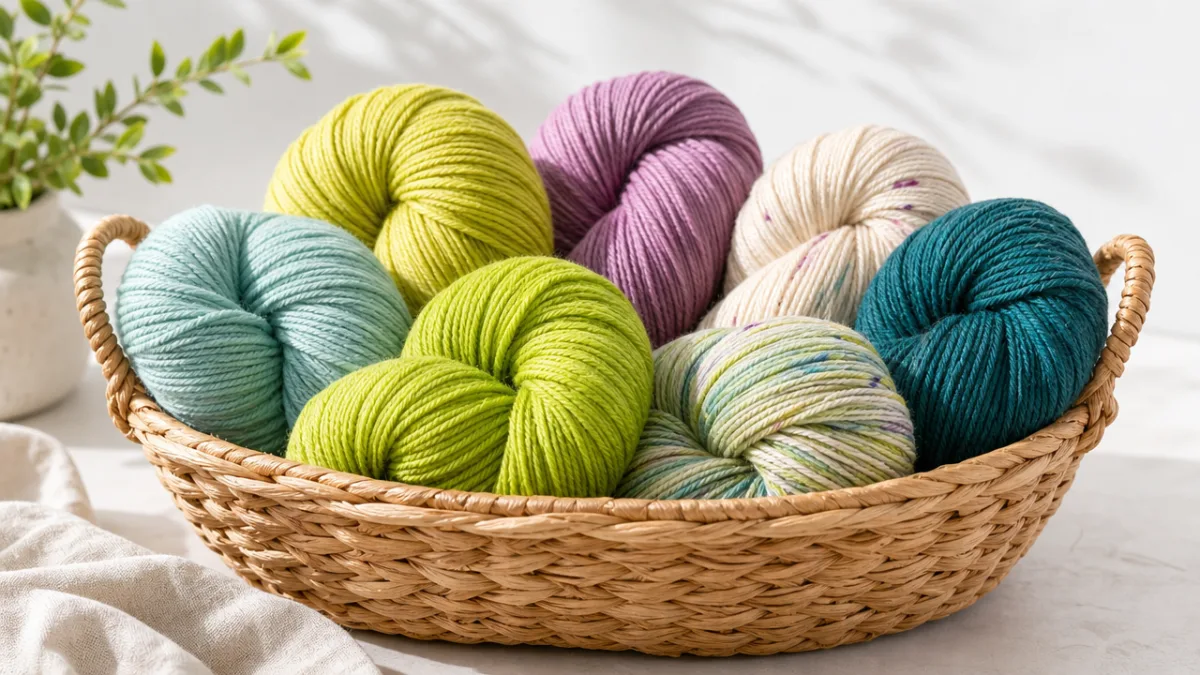
For softer, more harmonious palettes, lime green pairs wonderfully with other members of the yellow-green family, creating ombre or gradient effects that feel organic and nature-inspired. Blending lime green with sage, olive, or chartreuse creates a lush, botanical palette that works beautifully in shawls, wraps, and home textiles. On the warmer side, pairing lime green with coral, peach, or burnt orange creates a vibrant, tropical energy reminiscent of citrus fruits and summer gardens. These combinations tend to feel joyful and exuberant, perfect for items meant to celebrate milestones, welcome new seasons, or simply spread happiness to their recipients.
Understanding basic color theory can elevate your lime green projects from simply pretty to genuinely sophisticated. The complementary color of lime green on the traditional color wheel is a warm red-violet, and using even a small amount of this complementary tone as an accent — a single stripe, a border, a button — creates the visual vibration that makes professional designers’ work feel so dynamic and intentional. Analogous color schemes using lime green as the center point draw from neighboring yellow-greens and blue-greens, producing palettes that are easy on the eye and deeply satisfying. Triadic schemes incorporating lime green with colors spaced evenly around the color wheel, such as orange and violet, create energetic, playful combinations that work especially well in children’s items and festival-style accessories.
Building Community Through Yarn Orders: The Social Heart of Crafting
There is something uniquely powerful about a shared yarn order — the simple act of multiple people coming together around a common material, a common color, and a shared enthusiasm for the craft. Community yarn orders have become an increasingly popular feature of online crafting groups, local yarn clubs, and fiber arts communities on social media platforms. When a group collectively orders lime green yarn, they are not simply making a practical purchasing decision; they are creating a shared experience that will manifest in dozens of individual, deeply personal projects. Seeing the different ways each member of a community interprets the same color is one of the most inspiring aspects of these collective endeavors.
The process of organizing a community yarn order is itself a valuable exercise in collaboration, communication, and trust. Someone must take the lead in researching options, comparing prices, and coordinating logistics — a role that, while requiring effort and organization, also offers the satisfaction of genuinely serving the community. Other members contribute by sharing their preferences, offering feedback on yarn options, and helping spread the word to bring more participants into the fold. This collaborative process mirrors the craft itself, where individual stitches combine to create something larger and more beautiful than any single element could achieve alone. The lime green yarn order becomes, in this light, a kind of collective creation before the actual making has even begun.
After the yarn arrives and projects are underway, community yarn orders continue to generate connection and inspiration. Members share progress photos, troubleshoot pattern challenges together, celebrate finished objects, and cheer each other through the inevitable moments of crafting frustration. Lime green’s visibility — its brightness makes it easy to spot and instantly recognizable across multiple people’s projects — actually strengthens this sense of community, creating a visual thread that connects disparate individuals and projects into a coherent, joyful whole. Many crafting communities have found that a shared color order, repeated seasonally or annually, becomes a beloved tradition that members look forward to with genuine excitement year after year.
Caring for Your Lime Green Yarn Projects: Washing, Storing, and Preserving Color
Once you have invested time, creativity, and love into a lime green yarn project, protecting that investment through proper care becomes essential. Lime green is a color that can be particularly vulnerable to fading if not treated correctly, as the brightness that makes it so appealing can diminish under harsh washing conditions or prolonged exposure to direct sunlight. The first and most important step in caring for any finished yarn project is reading the fiber content label carefully and following the manufacturer’s care instructions to the letter. What works perfectly for an acrylic lime green yarn may be catastrophic for a wool or cotton version in the same color.
For most lime green yarn projects, gentle hand washing in cool water with a wool-safe or color-preserving detergent is the safest approach. Harsh detergents, hot water, and vigorous agitation are the enemies of both fiber integrity and color vibrancy. When washing by hand, gently submerge and squeeze the item without wringing or twisting, which can distort the fabric and stress the fibers. After rinsing thoroughly, press the item gently between clean towels to remove excess water, then lay it flat to dry away from direct sunlight and heat sources. This flat-drying approach is especially important for knitted and crocheted garments, which can stretch significantly under their own wet weight if hung to dry.
Storage of unused lime green yarn deserves equal attention. Yarn stored improperly can attract moths, collect dust, or become tangled in ways that make it frustrating to use later. The best storage solutions for precious yarn include breathable cotton bags, clean zippered pillowcases, or dedicated yarn storage bins with lids. Adding cedar balls or lavender sachets to your storage space helps deter insects without the chemical harshness of mothballs. Keep your lime green yarn away from direct sunlight during storage, as even indirect UV exposure over extended periods can cause color shift. With thoughtful care during both use and storage, your lime green yarn and the projects it becomes can remain vibrant and beautiful for many years to come.








What do you think?
It is nice to know your opinion. Leave a comment.