










Hand-Crocheted Pure Wool Enchanted Cupcake Bakery Mini Bag: A Deep Dive into Cottagecore Kawaii Fashion
The Rise of Aesthetic Micro-Trends in Handmade Fashion
Over the past several years, the fashion world has witnessed an extraordinary proliferation of highly specific aesthetic movements that blend nostalgia, fantasy, and artisanal craftsmanship into deeply personal style identities. Terms like cottagecore, fairycore, princesscore, coquette, and kawaii have moved from niche internet subcultures into mainstream consciousness, reshaping how people think about clothing, accessories, and self-expression. These aesthetics share a common thread: a rejection of mass-produced, fast-fashion homogeneity in favor of pieces that feel magical, intentional, and deeply personal.
Within this landscape, handmade accessories have emerged as some of the most coveted items. A machine-made bag can replicate color and shape, but it cannot replicate the warmth and storytelling embedded in something crafted stitch by stitch by human hands. Buyers within these aesthetic communities are often deeply attuned to authenticity, and they recognize and celebrate the labor, creativity, and emotional investment that goes into handmade work. This appreciation has given rise to a thriving marketplace for independent artisans whose work speaks directly to the hearts of these communities.
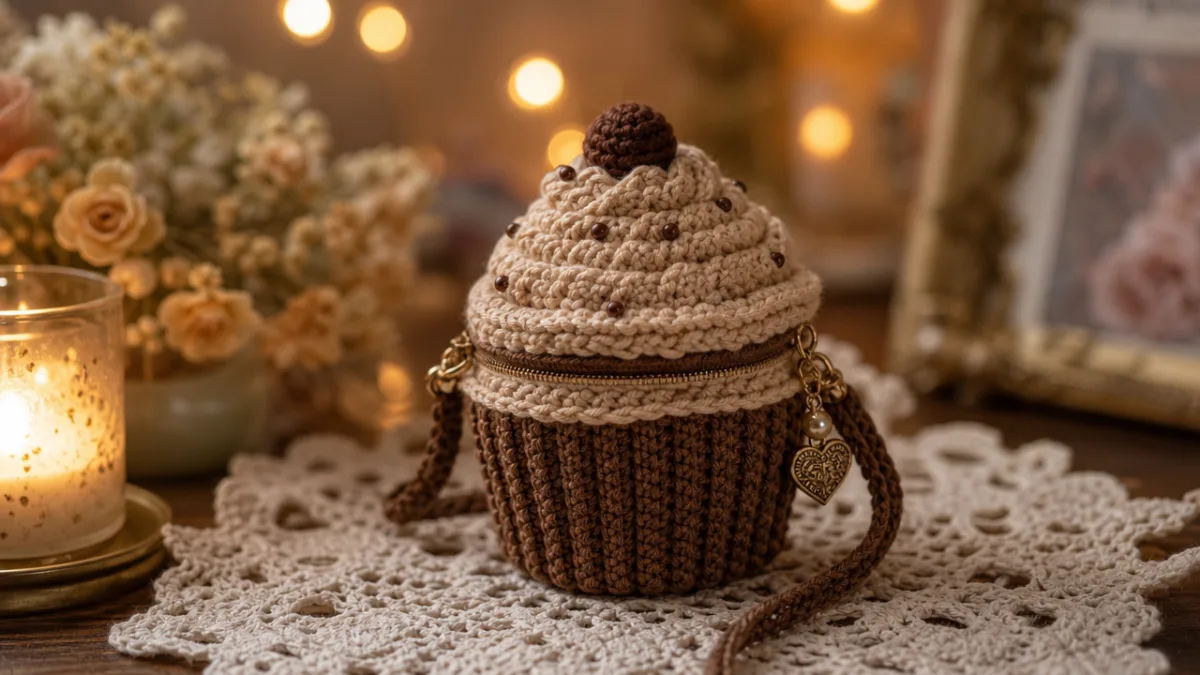
The hand-crocheted Pure Wool Enchanted Cupcake Bakery Mini Bag in Coffee is a perfect encapsulation of this cultural moment. It occupies the sweet intersection of multiple overlapping aesthetics, from the whimsical domesticity of cottagecore to the delicate fantasy of fairycore and the playful sweetness of kawaii. It is not simply a bag; it is a wearable declaration of belonging, a tiny soft sculpture that signals to the world exactly what kind of magic its wearer believes in.
What Makes This Bag Truly Enchanting: Design and Aesthetic Details
At first glance, the Enchanted Cupcake Bakery Mini Bag captivates with its cupcake-inspired silhouette, a design choice that is deceptively clever. The cupcake motif is one of those rare symbols that bridges multiple aesthetics seamlessly. In kawaii culture, sweets and baked goods are central icons of cuteness and comfort. In cottagecore, the act of baking is celebrated as a form of domestic artistry and slow living. In coquette aesthetics, sugary imagery evokes a kind of playful, feminine sweetness that feels both innocent and knowing. This single design decision positions the bag at the crossroads of several beloved worlds.
The coffee colorway deserves particular attention. Rather than a bright or primary-toned palette, the coffee shade brings sophistication and warmth to what might otherwise read as purely childlike whimsy. Coffee tones are rich, earthy, and versatile, allowing this bag to pair naturally with the warm neutrals and muted earth tones that define cottagecore wardrobes, while also complementing the creamy blush pinks and vintage-adjacent hues common to coquette and princesscore styling. The color grounds the bag in something wearable and functional even as its shape remains delightfully fantastical.
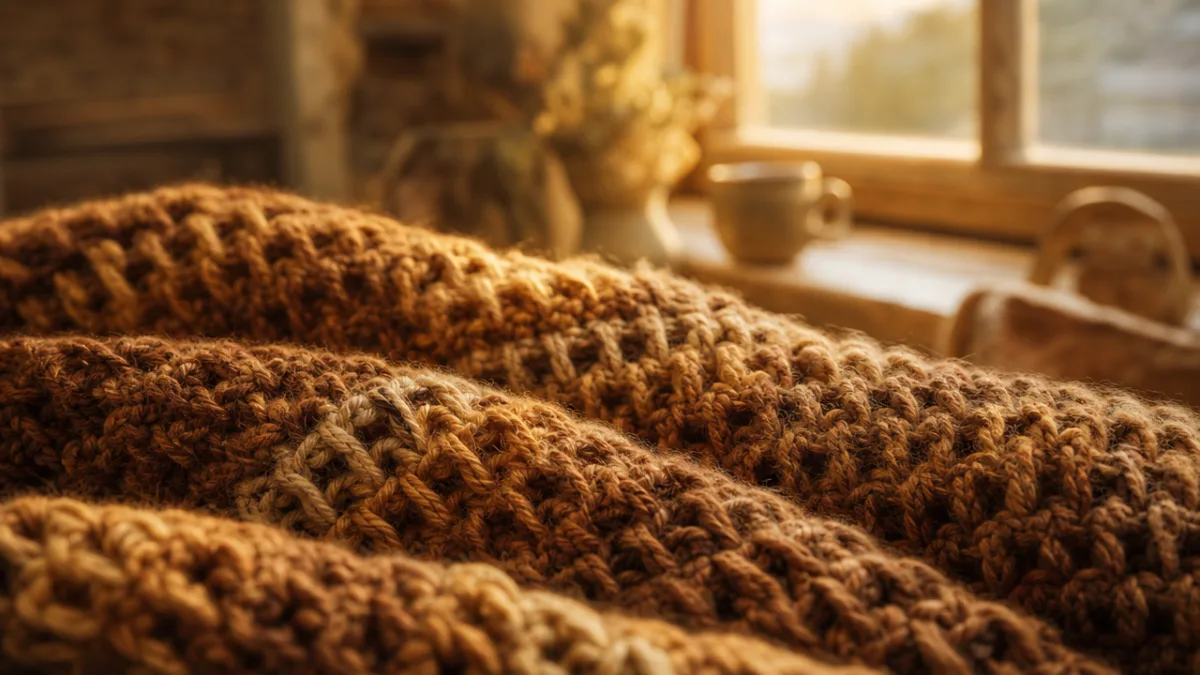
Every element of the design appears considered and purposeful. The texture created by the crochet work adds tactile dimension that photographs beautifully and feels luxurious in person. Crochet stitches catch the light in ways that woven or knit fabric does not, creating small shadows and highlights that give the bag a handcrafted depth. This is not a flat or lifeless accessory but something with character, movement, and a kind of quiet life of its own, which is precisely the quality that aesthetic communities prize so highly in handmade objects.
The Material Difference: Why Pure Wool Matters
The choice to craft this bag from pure wool rather than acrylic or blended fibers is a meaningful one that speaks to both quality and values. Wool is a natural, renewable fiber with a history stretching back thousands of years. It has been spun and worked by human hands across nearly every culture on earth, carrying with it an almost mythic association with warmth, care, and the domestic arts. When an artisan chooses pure wool for a project, they are choosing a material with heritage, one that connects their work to a lineage of makers that stretches far into the past.
From a purely practical standpoint, pure wool offers qualities that synthetic fibers simply cannot match. It is naturally temperature-regulating, meaning it stays comfortable in both cool and warm environments. It has a natural elasticity that allows crochet stitches to maintain their shape over time, resisting the stretching and distortion that can plague acrylic pieces with regular use. Wool also has a natural lustre and depth of color absorption that makes dyed yarns appear richer and more complex than their synthetic counterparts, contributing significantly to the visual appeal of the finished piece.
For buyers who care about sustainability, pure wool carries additional appeal. As a biodegradable, renewable natural fiber, it represents a more environmentally responsible choice than petroleum-derived acrylic yarns. This aligns well with the values of many who are drawn to cottagecore and related aesthetics, communities that often celebrate a slower, more nature-connected way of living and consuming. Choosing a pure wool bag is, in a small but meaningful way, a form of aligned action, allowing someone to express their values through their purchasing choices while also acquiring something genuinely beautiful.
The Art and Labor of Crochet: Celebrating the Maker
Crochet is one of those crafts that looks deceptively simple to the uninitiated but reveals extraordinary complexity and skill the moment one actually attempts to learn it. Each stitch is an individual act requiring precision, tension control, and spatial awareness. A single small bag might contain hundreds or even thousands of individual stitches, each one placed intentionally by the maker’s hands. When you hold a hand-crocheted piece, you are quite literally holding the accumulated time and attention of another human being, which gives handmade objects a relational quality that mass production cannot replicate.
The craft of crochet also requires significant creative decision-making beyond the physical act of stitching. A maker constructing a cupcake-shaped bag must think through structural engineering: how to create a three-dimensional form from what is essentially a flat textile process. They must consider how to achieve the cupcake’s characteristic proportions, the wide base and distinctive frosting dome, using increases, decreases, and shaping techniques developed through experience and experimentation. The artisan must also make choices about finishing, closures, lining, and embellishment that transform a crocheted form into a functional, polished accessory.
Supporting independent crochet artisans is also a form of cultural preservation. Fiber arts have historically been undervalued precisely because they were practiced predominantly by women and were associated with domestic rather than commercial spheres. The contemporary revival of interest in handmade crafts, driven in part by aesthetic communities like those celebrating cottagecore and kawaii, has helped reframe these skills as the genuine art forms they are. Every purchase of a hand-crocheted piece is, in a small way, a vote for recognizing and compensating the skill, creativity, and labor that these makers invest in their work.
Styling the Enchanted Cupcake Bag: Aesthetic Outfit Inspiration
One of the most delightful qualities of a statement mini bag like this is its transformative power within an outfit. Because it is so visually distinctive, it can serve as the anchor point around which an entire look is built. For a full cottagecore expression, consider pairing the coffee-toned bag with a floral prairie dress in cream or soft sage, worn with white cotton socks, Mary Jane shoes, and a straw sun hat. The warm brown of the bag will echo beautifully against the natural tones of the straw and complement the dusty floral prints common in cottagecore dressing.
For a coquette or princesscore interpretation, the bag pairs wonderfully with soft pink or lavender garments featuring lace, ribbon, or bow detailing. A ballet-pink slip dress worn over a white long-sleeved top, accessorized with pearl jewelry, white ribbon hair accessories, and the cupcake bag, creates a look that is simultaneously sweet, sophisticated, and unmistakably aesthetic. The coffee tone grounds the pastels, preventing the overall look from feeling washed out and adding a touch of grown-up warmth to the delicate palette.
Kawaii and fairycore styling opens up even more playful possibilities. Consider layering tulle skirts, iridescent fabrics, and fantasy-adjacent elements like mushroom prints or star motifs. The cupcake bag reads as a magical artifact in these contexts, something a forest fairy might carry to store enchanted baked goods or tiny collected treasures. Accessorizing with butterfly clips, cloud-shaped earrings, or pastel platform shoes creates a full fantasy look in which the bag feels perfectly at home. Whatever the specific aesthetic direction, the key is to lean into whimsy and allow the bag to speak its own delightful language.
Suggested Styling Elements by Aesthetic
- Cottagecore: Prairie dresses, straw hats, Mary Jane shoes, floral prints, linen and cotton fabrics, wicker baskets as secondary accessories
- Coquette: Satin slip dresses, lace trims, bow hair accessories, pearl jewelry, ballet flats, soft pink and cream color palette
- Kawaii: Pastel layering, character-print garments, platform shoes, statement hair clips, mix-and-match sweet prints
- Fairycore: Tulle and organza, iridescent or sheer fabrics, nature-inspired prints, mushrooms and stars, ethereal jewelry with celestial motifs
- Princesscore: Voluminous skirts, corset-style bodices, gloves, tiara or crown accessories, luxurious textures like velvet and brocade
The Mini Bag Moment: Why Tiny Accessories Are Having a Cultural Reckoning
The mini bag trend has been cycling through fashion for over a decade, but its current iteration within aesthetic subcultures carries a meaning that transcends mere trend-following. In cottagecore, kawaii, and related communities, the mini bag represents a deliberate aesthetic choice that prioritizes visual poetry over practicality. These communities have collectively decided that carrying something beautiful matters more than carrying something spacious, and this shift reflects a broader reorientation of values: toward slowness, intentionality, and the prioritization of joy in everyday life.
Mini bags also function as conversation pieces and community signals in ways that larger, more utilitarian bags do not. When someone spots your enchanted cupcake bag at a market, at school, or on a walk through the city, it communicates something specific and meaningful about who you are and what worlds you inhabit imaginatively. It invites connection with other members of the same aesthetic communities, functioning almost like a secret handshake made textile. In an era of increasing digital communication, there is something genuinely moving about a physical object that creates real-world moments of recognition and connection between strangers.
From a practical standpoint, mini bags are also well-suited to modern life in ways that are sometimes underappreciated. For someone who primarily carries their phone, a card, some cash, and lip balm, a mini bag is genuinely sufficient for daily needs. The rise of contactless payment and digital ticketing has reduced the physical items most people need to carry, making the mini bag more functional than it might appear. And for those occasions when more carrying capacity is needed, a mini bag layers beautifully over a larger tote or backpack, adding decorative dimension without sacrificing utility.
Caring for Your Handmade Wool Treasure
Owning a hand-crocheted pure wool piece comes with a responsibility of care that is quite different from caring for mass-produced synthetic accessories. Wool is a living fiber in the sense that it responds to its environment and to how it is treated. With proper care, a well-made wool crochet bag can last for decades, developing a beautiful patina while retaining its structural integrity and tactile softness. Understanding how to care for it correctly is an essential part of the ownership experience and helps ensure that your investment in handmade artisanship is protected.
The most important rule with pure wool is to avoid agitation and heat when cleaning, as these are the conditions that cause wool to felt and shrink irreversibly. Hand washing in cool water with a gentle wool-specific detergent is the recommended approach. Submerge the bag gently, press rather than wring or scrub, and rinse thoroughly before pressing out excess water in a clean towel. Reshape the bag gently while damp and lay it flat to dry away from direct sunlight or heat sources. This process preserves the stitches, the shape, and the fiber quality far better than machine washing ever could.
Storage is equally important. Pure wool is susceptible to moth damage, so storing your bag in a breathable cotton bag or pillowcase, rather than a sealed plastic bag, and adding natural moth deterrents like cedar or lavender, is wise practice. Keep your bag away from prolonged direct sunlight, which can fade even well-dyed wool over time. When not in use, stuffing the bag lightly with acid-free tissue paper helps it maintain its cupcake shape. These small acts of care are not burdensome but rather a pleasant extension of the relationship between maker, object, and owner that makes handmade pieces so special.
Quick Care Reference Guide
- Hand wash only in cool water with wool-safe detergent, never machine wash
- Press gently to remove water rather than wringing or twisting the fabric
- Reshape while damp and dry flat away from heat and direct sunlight
- Store in a breathable cotton bag with natural moth deterrents like cedar or lavender
- Stuff lightly with acid-free tissue paper during storage to maintain the cupcake shape
- Avoid prolonged exposure to sunlight to prevent color fading over time
- Handle clasps or closures gently to preserve the integrity of the crochet attachment points
The Broader Cultural Significance of Buying Handmade
Purchasing a hand-crocheted bag from an independent artisan is a small act that carries outsized cultural and economic significance. Independent makers who sell through platforms like Pinterest, Etsy, and similar marketplaces are operating micro-businesses, often working from their homes, funding their supplies from their sales, and navigating the considerable challenges of pricing handmade work in a market conditioned by fast fashion to expect low prices. When buyers choose handmade, they are actively choosing to support a more equitable and human-centered economy, one where skilled labor is recognized and compensated.
There is also a powerful counter-cultural dimension to this choice. Fast fashion’s environmental and human costs are increasingly well-documented, and many consumers, particularly younger ones, are actively seeking alternatives that align with their values. Handmade goods, especially those made from natural fibers by small independent makers, represent a fundamentally different model: slow, intentional, limited in quantity, and rich in story. Buying one well-made handmade bag instead of three disposable mass-produced ones is a concrete expression of the values that animate aesthetics like cottagecore and slow living more broadly.
Finally, there is the matter of joy, which should not be underestimated as a motivating force. The Enchanted Cupcake Bakery Mini Bag in Coffee brings delight to its maker in the crafting and delight to its owner in the carrying. It sparks conversations, invites smiles, and signals a willingness to bring beauty and whimsy into ordinary days. In a world that can feel relentlessly utilitarian and overwhelming, choosing to carry a tiny crocheted cupcake bag is a quiet but genuine act of resistance, a declaration that beauty matters, that craft matters, and that the magical and the everyday are not opposites but can, in fact, be beautifully, enchantingly one.








What do you think?
It is nice to know your opinion. Leave a comment.