










27 Super Cool Backyard Garden Ideas to Transform Your Outdoor Space
Introduction: Why Your Backyard Deserves a Garden Makeover
Your backyard is one of the most underutilized spaces in the average home, and yet it holds extraordinary potential for beauty, relaxation, and even food production. Whether you have a sprawling half-acre or a compact urban plot, thoughtful garden design can completely transform how you experience your outdoor living space. The difference between a bare patch of grass and a thriving, intentional garden is nothing more than a few good ideas and the willingness to dig in.
Backyard gardening has surged in popularity in recent years, with millions of homeowners discovering the joy of growing their own food, cultivating colorful flower beds, and creating peaceful sanctuaries just steps from their back door. What was once considered a weekend hobby for retirees has evolved into a vibrant lifestyle pursuit embraced by people of all ages, budgets, and skill levels. The result is an explosion of creative, accessible, and visually stunning garden concepts worth exploring.
In this article, we explore 27 of the most inspiring and practical backyard garden ideas drawn from the best of contemporary garden design. From vertical growing structures to whimsical fairy gardens, raised bed vegetable plots to moon gardens that glow at night, these concepts are designed to spark your imagination and give you concrete starting points for your own outdoor transformation. No matter your experience level, there is something here for every gardener.
Raised Bed Gardens: The Foundation of a Functional Backyard
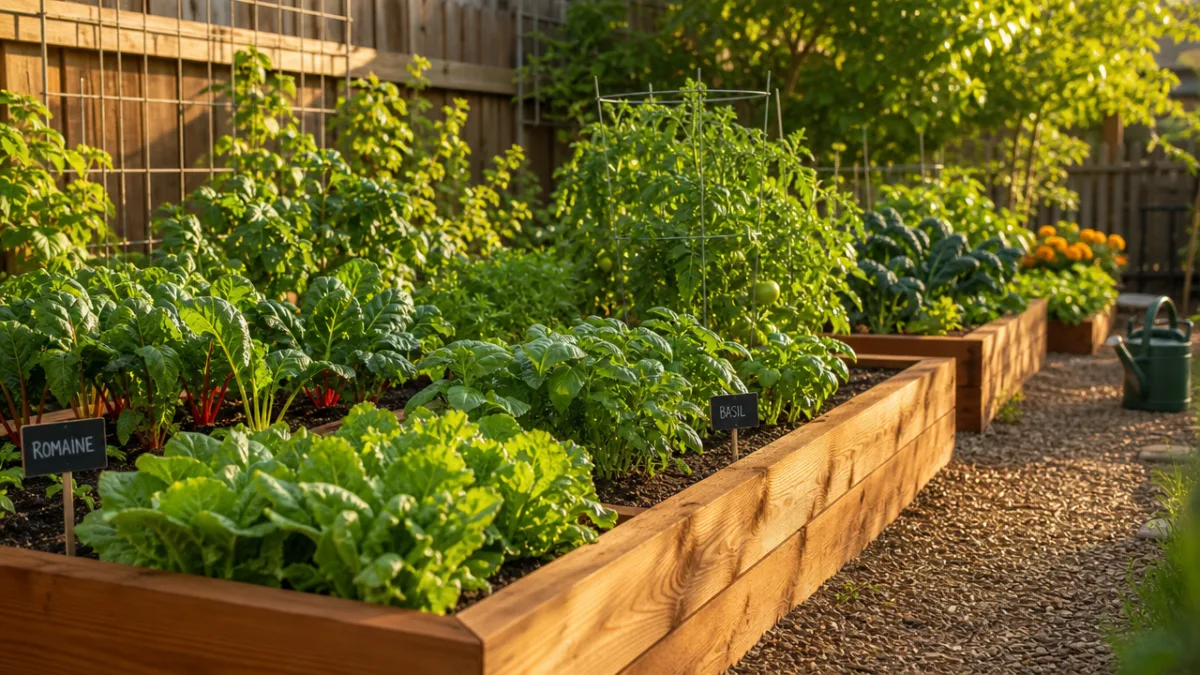
Raised bed gardens have become the gold standard for backyard food production, and for very good reason. By elevating your growing soil above ground level, you gain complete control over soil quality, drainage, and even the temperature of your planting environment. Raised beds warm up faster in the spring, allowing you to start planting earlier in the season and extend your harvest well into the fall. They also dramatically reduce the back-breaking effort of traditional in-ground gardening.
Building raised beds does not require advanced carpentry skills or expensive materials. Untreated cedar or redwood planks are popular choices because they are naturally rot-resistant and last for many years without chemical treatment. Galvanized metal troughs offer a modern, industrial aesthetic and are incredibly durable. Even repurposed materials like old wine barrels, concrete blocks, or reclaimed brick can be fashioned into charming raised beds that add character to your backyard landscape.
When planning your raised bed layout, consider organizing them in geometric patterns to create visual structure and ease of movement throughout the garden. Leaving at least 18 to 24 inches between beds ensures comfortable access for weeding, harvesting, and seasonal maintenance. Many experienced gardeners also incorporate trellises at the north end of beds to support climbing vegetables like tomatoes, cucumbers, and pole beans without shading the lower-growing crops behind them. A well-planned raised bed garden is both beautiful and extraordinarily productive.
Beyond vegetables, raised beds are equally wonderful for growing cut flowers, herbs, and even small fruit bushes like strawberries and blueberries. Mixing edible and ornamental plants in a single raised bed, a practice known as potager gardening, creates a lush and layered look that is as pleasing to the eye as it is rewarding to the harvest basket. Marigolds, nasturtiums, and zinnias planted alongside tomatoes and basil attract beneficial pollinators while adding vivid splashes of color throughout the growing season.
Vertical Gardens: Growing Up When Space is Limited
Vertical gardening is one of the most clever solutions available to gardeners who are working with small or awkward outdoor spaces. By directing plant growth upward along walls, fences, trellises, and towers, you can dramatically increase your effective growing area without expanding your garden’s footprint even an inch. A single section of fence transformed into a living wall of herbs, succulents, or trailing flowers can become the most visually stunning feature in your entire backyard.
Pallet gardens are among the most popular and cost-effective ways to create a vertical growing surface. A single reclaimed wooden pallet, mounted securely against a fence or exterior wall and filled with landscape fabric and potting soil, can hold dozens of small plants in its slotted openings. Strawberries, lettuces, herbs, and trailing annuals all thrive in this format. Beyond their practicality, pallet gardens lend a rustic, handcrafted quality to outdoor spaces that is genuinely difficult to achieve with store-bought planters.
For a more structured approach, purpose-built vertical planter systems made from powder-coated steel or weather-resistant plastic offer modular flexibility and a cleaner aesthetic. These systems allow you to configure pockets and shelves to accommodate plants of varying sizes, from compact herb seedlings to sprawling trailing vines. Many vertical planter systems also incorporate built-in irrigation channels that distribute water evenly from the top down, reducing the time and effort required to keep your living wall properly hydrated and healthy throughout the season.
Climbing plants trained over arched trellises, pergolas, and obelisks represent another beautiful dimension of vertical gardening. Climbing roses, wisteria, jasmine, and clematis can all be guided upward to create dramatic focal points and natural screening between areas of your garden. The interplay of vertical plant structures with horizontal ground-level plantings creates a layered depth that makes even a modestly sized backyard feel like a richly designed outdoor room. Vertical elements also draw the eye upward, making enclosed spaces feel more open and expansive.
Water Features and Rain Gardens: Bringing Life and Sound to Your Space
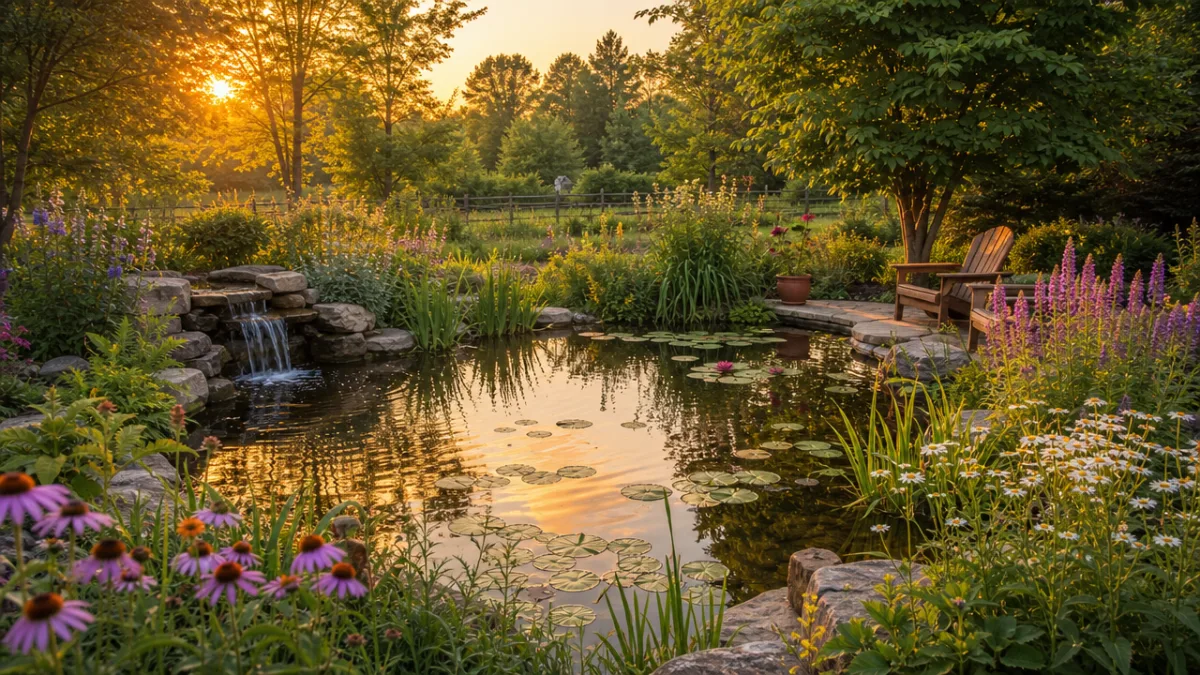
The addition of a water feature to a backyard garden introduces an entirely new sensory dimension that no amount of plantings alone can replicate. The sound of moving water is inherently calming and has been shown in multiple studies to reduce stress and promote a sense of tranquility. Even a modest tabletop fountain or a small recirculating stream can completely shift the atmosphere of an outdoor space from merely pleasant to genuinely restorative. Water features also attract birds, butterflies, and beneficial insects that help support the health of your broader garden ecosystem.
Backyard ponds, even very small ones measured in just a few square feet, create remarkable biodiversity. A well-constructed pond planted with native aquatic species like water lilies, pickerel weed, and marsh marigold will quickly become home to frogs, dragonflies, and a host of other wildlife that provide natural pest control throughout your garden. Installing a small submersible pump to circulate the water prevents stagnation and mosquito breeding while also creating the pleasant sound of trickling movement that makes sitting near a garden pond such a deeply relaxing experience.
Rain gardens represent a more environmentally focused water feature that serves a practical purpose beyond aesthetics. Designed as shallow depressions planted with deep-rooted native plants, rain gardens capture runoff from rooftops, driveways, and lawns and allow it to slowly percolate into the ground rather than rushing into storm drains. This approach dramatically reduces erosion, filters pollutants from runoff, and recharges local groundwater supplies. Native plants like switchgrass, black-eyed Susans, and coneflowers are well-suited to the alternating wet and dry conditions that characterize a rain garden’s unique microclimate.
Themed Garden Designs: Creating Purpose and Personality
One of the most exciting developments in contemporary backyard gardening is the embrace of themed garden design, where every plant choice, structural element, and decorative accent contributes to a unified and intentional vision. Themed gardens move beyond random collections of whatever happens to be available at the local garden center and instead create cohesive outdoor environments that tell a story, evoke a mood, or reflect a personal passion. The result is a garden that feels genuinely distinctive rather than generic.
The cottage garden is perhaps the most beloved of all themed backyard styles, evoking the romantic abundance of an English country garden with its informally arranged beds bursting with hollyhocks, foxgloves, delphiniums, and climbing roses. Cottage gardens celebrate a kind of beautiful disorder, with plants allowed to self-seed and spread freely within loosely defined borders. Vintage accessories like old watering cans, weathered stone birdbaths, and wooden garden benches complete the aesthetic and reinforce the sense that this is a garden with history and soul.
The moon garden offers a uniquely magical concept centered on plants that look and smell their most beautiful after dark. White and pale-colored flowers like moonflowers, white petunias, gardenia, and night-blooming jasmine take on a luminous, ethereal quality in moonlight and under soft garden lighting. Pairing these with silver-leafed plants like dusty miller, lamb’s ear, and artemisia creates a landscape that practically glows on warm summer evenings. A moon garden invites you to linger outdoors long after sunset, transforming your backyard into a venue for evening entertaining and quiet contemplation alike.
Zen and Japanese-inspired garden designs have also found enormous popularity among homeowners seeking a more meditative outdoor experience. Characterized by clean lines, a carefully edited palette of plants, and meaningful use of stone, gravel, and water, a Japanese-style garden creates a sense of deliberate simplicity that encourages mindfulness and peaceful reflection. Key elements include sculpted evergreen shrubs, decorative boulders, raked gravel or decomposed granite, bamboo screens for privacy, and a carefully positioned stone lantern or water basin as a focal point. Even a small corner of a backyard can be transformed into a convincing Zen-inspired retreat with a few thoughtfully chosen elements.
Sustainable and Edible Landscaping: Gardens That Give Back
Sustainable garden design has moved from niche environmental concern to mainstream gardening philosophy, and for very compelling reasons. Conventional lawns consume enormous amounts of water, fertilizer, pesticides, and fossil fuel energy to maintain, while offering relatively little ecological benefit in return. Replacing even a portion of a traditional lawn with edible plants, native species, pollinator gardens, and productive food-growing spaces creates an outdoor environment that is both more beautiful and genuinely beneficial to the local ecosystem.
The permaculture-inspired food forest is one of the most ambitious and rewarding approaches to edible landscaping available to backyard gardeners. Modeled on the structure of a natural woodland ecosystem, a food forest layers plants vertically from tall fruit trees down through smaller nut trees, fruiting shrubs, perennial vegetables, ground covers, and root crops. Once established, a food forest requires minimal inputs and maintenance compared to conventional gardens because the diverse ecosystem of plants supports itself through mutually beneficial relationships between species. Even a compact urban lot can accommodate a simplified version of this layered productive landscape.
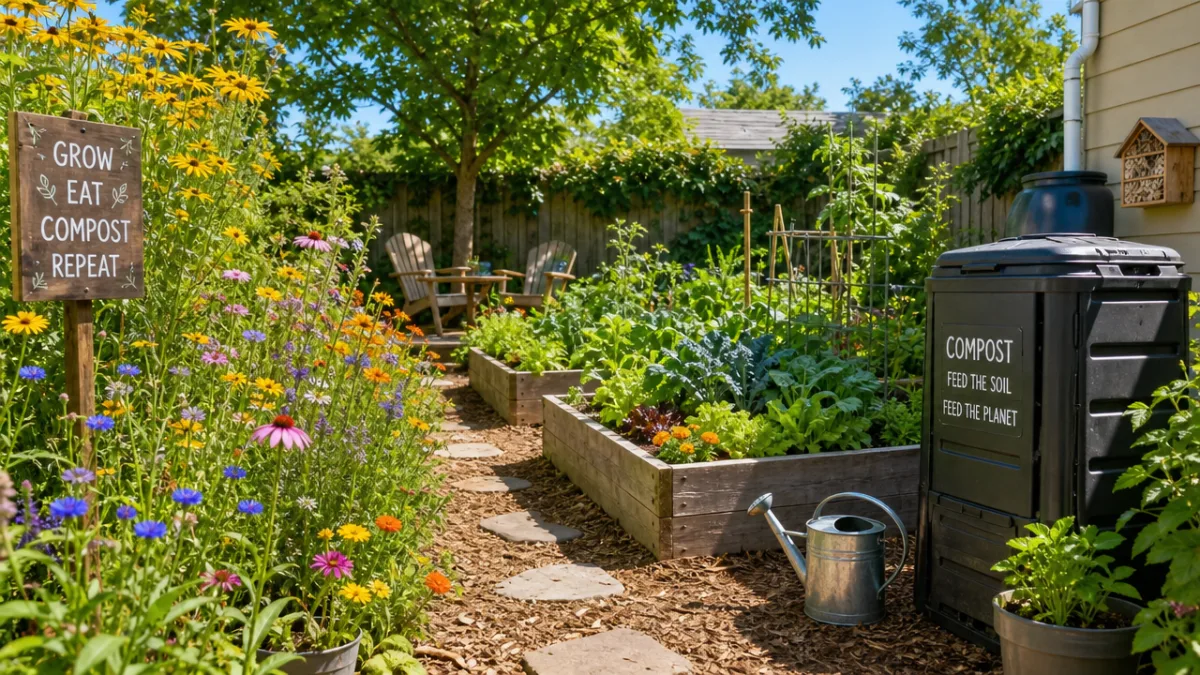
Composting systems are an indispensable component of any truly sustainable backyard garden, transforming kitchen scraps and garden waste into rich, free fertilizer that dramatically improves soil health over time. Options range from simple open compost piles to contained tumbler systems, worm bins for indoor or small-space composting, and Bokashi fermentation systems that can handle meat and dairy waste that traditional compost cannot. Positioning your compost system conveniently close to both your kitchen door and your garden beds encourages consistent use and makes the practice of composting feel effortless rather than burdensome.
Pollinator gardens represent one of the most ecologically impactful choices any backyard gardener can make. Populations of bees, butterflies, moths, and other essential pollinators have declined dramatically in recent decades due to habitat loss, pesticide exposure, and disease. A backyard planted with a diverse succession of native flowering plants that bloom from early spring through late fall can serve as a genuine refuge for these struggling species. Recommended plants for pollinator gardens vary by region, but generally include native coneflowers, milkweeds, goldenrods, asters, bee balms, and native grasses that provide both nectar and nesting habitat throughout the growing season.
Small Space Solutions and Container Gardening
Not every gardener has the luxury of a large backyard, but limited space should never be a barrier to a beautiful and productive outdoor garden. Container gardening has evolved far beyond simple pots of geraniums on a doorstep into a sophisticated practice that allows urban apartment dwellers, townhouse owners, and anyone working with a compact patio or balcony to grow an impressive variety of vegetables, herbs, flowers, and even small fruit trees. The key to successful container gardening lies in choosing the right containers, the right potting mix, and the right plants for your specific growing conditions.
Large containers, specifically those measuring at least 15 to 20 inches in diameter and equivalent depth, open up a remarkable range of planting possibilities. Dwarf citrus trees, compact blueberry bushes, tomato plants, and even miniature apple trees can thrive in generously sized containers when provided with quality potting soil, adequate drainage, regular watering, and appropriate feeding. Grouping containers of varying heights and sizes together creates a layered, garden-like effect on even the smallest patio, particularly when tall architectural plants are paired with mid-height flowering specimens and trailing varieties that soften the edges of pots and cascade elegantly toward the ground.
Herb gardens are ideally suited to container cultivation and represent one of the most practical and immediately rewarding ways to begin gardening in a small space. A collection of five or six containers planted with basil, rosemary, thyme, mint, chives, and parsley positioned near the kitchen door provides a constant supply of fresh culinary herbs that elevate everyday cooking in ways that dried herbs simply cannot match. Keeping mint in its own dedicated container is particularly important because this vigorous plant will readily overwhelm its neighbors if allowed to spread freely into shared pots or garden beds.
Window boxes attached to railings, fences, or exterior walls extend the vertical plane of a small garden and add significant visual impact without consuming any valuable floor space. Filled with a combination of trailing and upright plants chosen for complementary colors and textures, a well-planted window box can become a genuine focal point that draws the eye and adds warmth and personality to even the plainest outdoor wall or fence line. Changing window box plantings seasonally, from cool-weather pansies and violas in spring to lush tropicals in summer to ornamental kale and mums in fall, keeps the display fresh and interesting throughout the entire gardening year.
Garden Lighting, Pathways, and Structural Elements
Beautiful plants alone do not make a great backyard garden. The structural framework within which those plants grow, including pathways, edging, lighting, seating areas, and decorative focal points, plays an equally important role in determining whether a garden feels cohesive, inviting, and well-designed or simply like a collection of plants that happened to end up in the same space. Investing time and thought into the hardscape elements of your garden pays dividends in visual impact and practical enjoyment that last for years.
Garden pathways serve both a functional and an aesthetic purpose, guiding movement through the garden while also creating visual structure and rhythm. Materials range from formal cut stone and brick to informal stepping stones set into a groundcover, crushed gravel paths edged with timber or steel, and even mown grass paths that wind through meadow plantings. The choice of pathway material should reflect the overall style of the garden and the house it belongs to. A contemporary home suits clean-edged concrete pavers or decomposed granite, while a cottage garden calls for irregular flagstone or brick that allows creeping thyme and other low-growing plants to colonize the gaps.
Garden lighting transforms your outdoor space into an entirely different kind of environment after dark, extending the hours in which you can enjoy your backyard and dramatically changing the visual character of the landscape. Solar-powered stake lights along pathways, string lights draped over a pergola, and well-placed uplights positioned to illuminate specimen trees or architectural plants from below create a warm, layered nighttime atmosphere that makes evening outdoor dining and entertaining genuinely magical. Low-voltage LED systems wired into a timer or smart home controller offer the greatest flexibility and energy efficiency for more comprehensive garden lighting installations.
Focal points, whether a striking sculpture, a beautiful specimen tree, a decorative gate, an antique urn, or an arbor draped with climbing roses, give the eye a destination as it moves through the garden and prevent the landscape from feeling flat or directionless. The most effective focal points are positioned at the ends of sight lines, such as at the terminus of a pathway or visible from a frequently used window or seating area, where they can be fully appreciated. Even a very simple garden benefits enormously from a single well-chosen focal point that anchors the entire composition and gives the design a clear sense of intention and purpose.








What do you think?
It is nice to know your opinion. Leave a comment.