










37 Easy Small Wood Projects to Sell Fast: Your Complete Guide to Profitable Woodworking
Why Small Wood Projects Are the Perfect Side Hustle
If you’ve ever spent time in your garage turning raw lumber into something beautiful, you already know the deep satisfaction that woodworking brings. But what if that same creative outlet could also generate a meaningful stream of income? Small wood projects have exploded in popularity across platforms like Etsy, Pinterest, and local farmers markets, and for good reason — they combine low material costs with high perceived value, making them some of the most profitable handmade items you can produce without a full workshop setup or years of professional training.
The beauty of small wood projects lies in their accessibility. Unlike large furniture pieces that require expensive equipment, vast amounts of lumber, and significant time investments, smaller items can be crafted with basic tools like a scroll saw, jigsaw, or even a simple hand saw. A beginner woodworker can realistically produce sellable items within their first few weeks of practice, and an experienced hobbyist can scale production quickly once they’ve refined a design they love. The startup costs are manageable, and the return on investment can be surprisingly strong when you price your items correctly.
There’s also an enormous and growing market for handcrafted wooden goods. Consumers today are actively seeking out unique, artisan-made products as an alternative to mass-produced goods from big-box stores. Wooden items carry a warmth and authenticity that manufactured alternatives simply can’t replicate. Whether it’s a personalized cutting board, a rustic shelf bracket, or a hand-painted wooden sign, buyers are willing to pay premium prices for something that feels genuinely made by human hands with care and intention. That demand is your opportunity.
Best-Selling Small Wood Projects for Beginners
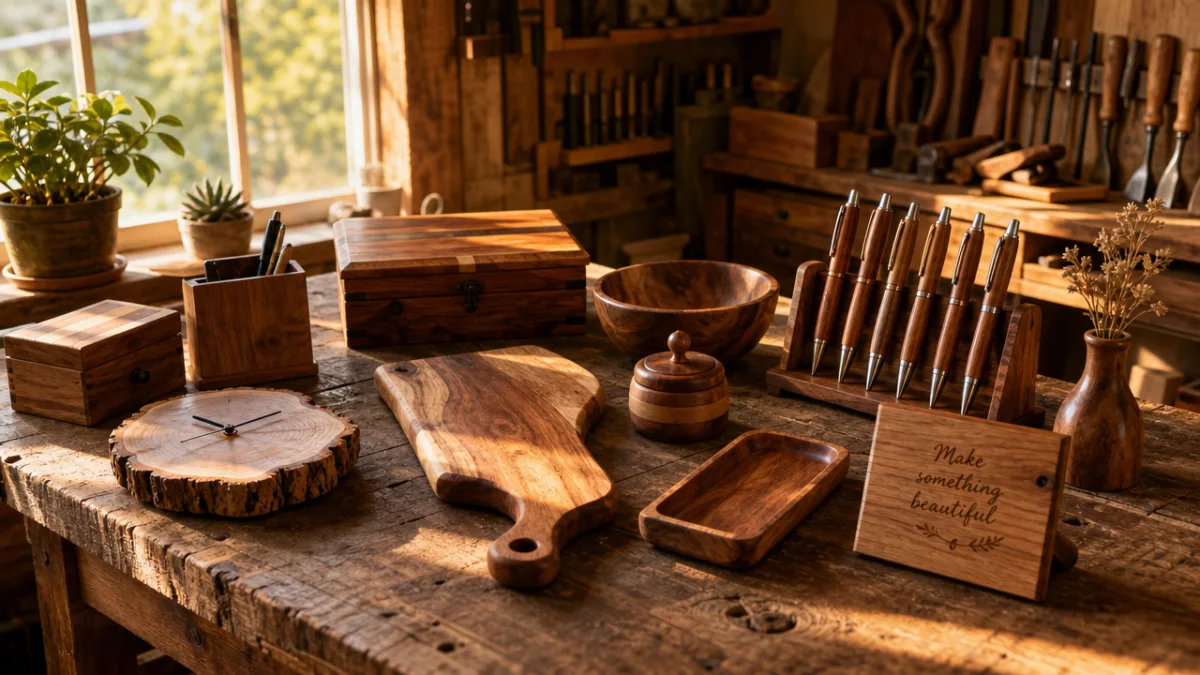
Getting started means choosing projects that balance simplicity with market appeal. The good news is that many of the best-selling wooden items on Etsy and at craft fairs are remarkably straightforward to make. Wooden signs are consistently among the top sellers — whether they feature inspirational quotes, family names, or holiday themes, people love displaying them in their homes. You can create these with a simple plank of pine, sandpaper, paint, and a wood-burning tool or vinyl cutter for lettering, making them achievable even if you’re just starting out.
Cutting boards and serving boards are another perennial bestseller that beginners can master relatively quickly. A well-sanded, food-safe finished board made from walnut, maple, or cherry wood can command anywhere from $30 to $150 depending on the size, wood species, and any personalization you add. Engraving a family name, wedding date, or monogram onto a cutting board transforms a functional kitchen item into a cherished gift, which dramatically increases its perceived value and your ability to charge more. End-grain cutting boards do require a bit more technique, but face-grain versions are very approachable for newcomers.
Other beginner-friendly bestsellers include small wooden planters, key holder racks, magnetic spice racks, photo display stands, and rustic wine bottle holders. These items share several important characteristics: they use small amounts of wood (keeping material costs low), they serve a clear functional purpose (making them easy to market), and they photograph beautifully for online listings (critical for digital sales platforms). When you’re choosing your first projects to sell, prioritize items that solve a problem or serve a decorative function — those tend to convert browsers into buyers far more effectively than purely novelty items.
Tools and Materials You’ll Need to Get Started
One of the most common misconceptions about selling wood crafts is that you need an elaborate, fully equipped shop before you can begin. The truth is far more encouraging. A surprisingly capable beginner setup can be assembled for a few hundred dollars, and as your business grows, you can reinvest profits into better equipment gradually. The non-negotiables for most small projects include a reliable saw (a jigsaw or miter saw covers the majority of cuts you’ll need), a power sander or sanding block set, wood glue, clamps, and a selection of finishing products like stains, oils, and clear coats.
For adding personalization — which dramatically boosts the sellability of almost any wood project — a wood-burning kit (pyrography tool) is an affordable and versatile investment that can be found for under $50. Alternatively, many crafters pair their woodworking with a Cricut or Silhouette cutting machine to create precise vinyl lettering and stencils, which opens up a huge range of sign-making possibilities. If you’re serious about scaling, a laser engraver is a game-changing tool that allows you to produce personalized items rapidly and consistently, though this represents a larger upfront investment that makes more sense once you’ve validated your products in the market.
When it comes to materials, buying in bulk from lumber yards rather than home improvement stores can significantly reduce your costs per project. Pallet wood is a popular choice among budget-conscious crafters because it’s often free or very inexpensive, and its weathered, rustic appearance is actually a selling point for certain product styles. However, be mindful of pallet sourcing — only use pallets marked HT (heat-treated) rather than MB (methyl bromide treated), as the latter involves chemicals you don’t want in a finished product. Pine, cedar, poplar, and birch plywood are all excellent beginner-friendly woods that are affordable and widely available.
Pricing Your Wood Projects for Maximum Profit
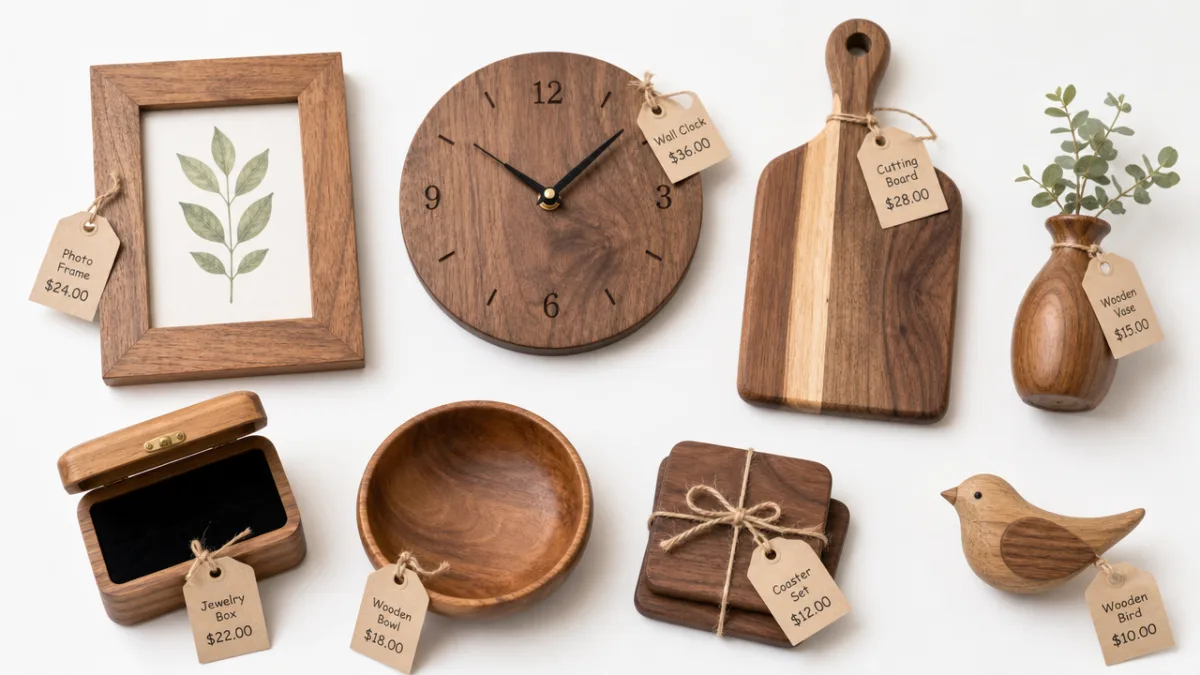
Pricing handmade goods is one of the biggest challenges crafters face, and it’s an area where many talented woodworkers consistently undervalue their work. A common and reliable formula for pricing handmade items is to calculate your material costs, multiply by three to cover overhead and materials markup, then add your labor at a fair hourly rate. For example, if a wooden sign costs $8 in materials and takes you 45 minutes to make, pricing it at $35 to $45 gives you a sustainable margin while remaining competitive in the handmade marketplace.
It’s also important to factor in the platform fees and shipping costs when selling online. Etsy charges a listing fee, a transaction percentage, and payment processing fees that together can account for 10 to 15 percent of your sale price. Shipping wood items can be heavier than expected, so always weigh your finished pieces and calculate shipping costs before you set your prices. Many successful sellers offer free shipping by building the cost into the item price — this is actually proven to increase conversion rates on Etsy because buyers strongly prefer listings that appear to offer free shipping.
Don’t fall into the trap of competing on price with mass-produced alternatives. You will never win a race to the bottom against factories, and you shouldn’t try. Instead, compete on uniqueness, personalization, quality, and the story behind your work. Customers who seek out handmade wooden items are not primarily motivated by price — they’re motivated by the desire for something special and meaningful. Lean into what makes your work distinctive: your craftsmanship, your creative designs, your willingness to customize, and the warmth and authenticity that only a human maker can provide. That’s where your real competitive advantage lives.
Where and How to Sell Your Wood Projects
The channels available to independent wood crafters today are more numerous and accessible than ever before. Etsy remains the dominant online marketplace for handmade goods and should almost certainly be part of your selling strategy — it has a massive built-in audience of buyers actively searching for artisan products. Setting up an Etsy shop is straightforward, and the platform’s search algorithm rewards shops that maintain consistent listings, gather positive reviews, and use strong product photography. High-quality photos taken in natural light or with a simple lightbox setup can make an enormous difference in how many people click on your listings.
Beyond Etsy, consider selling through your own website using platforms like Shopify or even a simple Square Online store. While building your own audience takes more effort than listing on an established marketplace, you avoid platform fees and have complete control over your brand experience. Social media — particularly Instagram and Pinterest — are powerful discovery tools for visually appealing handmade goods. Posting process videos (showing how you make items from start to finish) on TikTok or Instagram Reels has helped many crafters build substantial followings and generate consistent direct sales, often more effectively than paid advertising.
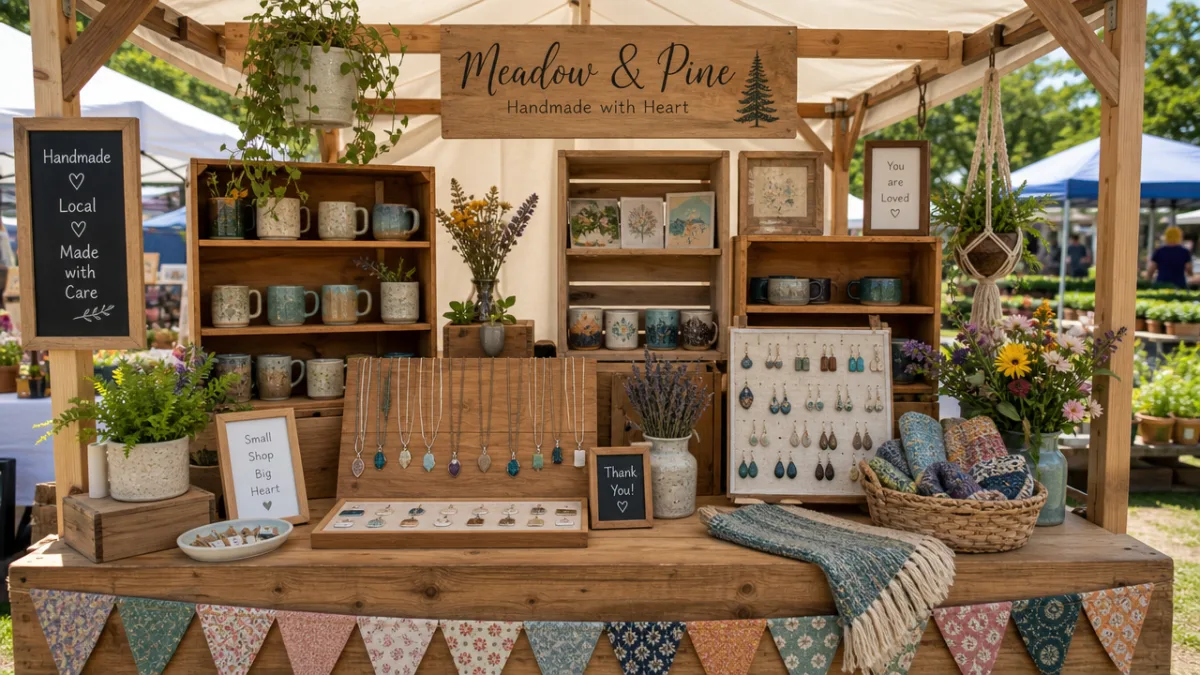
In-person selling through local farmers markets, craft fairs, holiday bazaars, and artisan pop-up events offers a completely different and highly rewarding selling experience. These venues allow customers to touch and interact with your pieces, which often leads to faster buying decisions and stronger emotional connections to your work. Local markets are also excellent places to test new designs and gather direct feedback from real customers. Many successful wood crafters use a hybrid model — selling online year-round while participating in seasonal in-person events that bring in concentrated bursts of revenue, particularly in the lead-up to major gift-giving holidays.
37 Project Ideas to Inspire Your Woodworking Business
To give you a concrete launching point, here is a curated collection of small wood projects that have demonstrated real sales performance across online marketplaces and craft fairs. This list spans a range of skill levels and price points, so whether you’re picking up a saw for the first time or you’ve been woodworking for years, you’ll find ideas here that are worth exploring. Each of these categories represents a proven market with real buyer demand — your job is to bring your unique creative touch to whichever items resonate most with your style and skills.
- Personalized wooden signs with family names, quotes, or custom messages
- Rustic wooden picture frames in reclaimed or stained wood
- Engraved cutting boards and charcuterie serving boards
- Wooden key holder wall racks with hooks
- Floating wooden shelves in minimalist or farmhouse style
- Wooden wine bottle holders and racks
- Decorative wooden candle holders and lanterns
- Personalized wooden ornaments for Christmas and other holidays
- Wooden advent calendars with numbered drawers or doors
- Small wooden plant stands and pot risers
- Wooden jewelry organizers and earring display stands
- Geometric wall art made from thin wood strips
- Wooden serving trays with handles
- Magnetic wooden spice racks for kitchen walls
- Wooden recipe box with engraved lid
- Rustic wooden benches for entryways (small-scale)
- Wooden bookends in animal shapes or geometric forms
- Scrabble tile last name signs
- Wooden bead garlands and decorative string accents
- Address number plaques for homes and mailboxes
- Wooden baby name puzzle pieces for nursery décor
- Engraved wooden spoons and kitchen utensils
- Hexagon wall-mounted shelves
- Wooden iPhone docks and phone stands
- Sunburst or starburst wooden mirror frames
- Wooden wedding guest book alternatives
- Tiered wooden display stands for bakeries and events
- Wooden letter and number cutouts for nurseries
- Chalkboard wooden menu boards for kitchens or cafés
- Personalized wooden coaster sets
- Wooden tool caddies and organizers
- Mini wooden peg doll figures
- Wooden toys like puzzles, stackers, and sorting boards
- Wooden door wreaths with floral or seasonal accents
- Wedding ring boxes with engraved lids
- Wooden memo boards with clips and ledge shelves
- Outdoor wooden lanterns and garden markers
Each of the items on this list can be customized, themed seasonally, or offered in different sizes and wood finishes to multiply your product range without requiring you to master entirely new techniques. For example, once you know how to make a wooden sign, you can offer it in a dozen different sizes, five different stain colors, and with limitless quote or name options — effectively creating hundreds of product variations from a single skill set. This kind of strategic product thinking is what allows small woodworking businesses to scale without requiring proportionally more time or effort from the maker.
Tips for Growing Your Woodworking Business Long-Term
Sustaining and growing a handmade business requires thinking beyond individual sales toward building a brand and a loyal customer base. One of the most powerful things you can do early on is to focus on getting your first reviews. On Etsy especially, social proof in the form of positive reviews is the single most important factor in convincing new buyers to trust you. Follow up with customers after their purchase, ensure your packaging reflects the quality of your product, and always deliver on time — these fundamentals create the kind of buyer experience that generates five-star reviews and repeat business.
Photography deserves special emphasis as a growth lever that many crafters overlook. In an online marketplace, your photos are your storefront — they’re the first and sometimes only impression a potential buyer gets of your work. Investing time in learning basic product photography, even just using a smartphone in good natural light with a clean, simple background, can dramatically improve your click-through rates and conversion. Lifestyle photos showing your products in real home settings tend to outperform plain product shots because they help buyers visualize owning the item, which is a powerful psychological trigger for purchasing decisions.
As your business grows, consider how to introduce systems that allow you to produce more without burning out. Batch production — making multiples of the same item in a single session — is far more efficient than making items one at a time. Standardize your finishing processes, keep your most popular items in stock rather than making everything to order, and create templates for your most common designs to reduce setup time on each production run. Woodworking is deeply satisfying work, and building efficient systems around it doesn’t diminish the craft — it protects your creative energy so you can keep doing what you love while building something financially sustainable at the same time.








What do you think?
It is nice to know your opinion. Leave a comment.