










When Words Fall Short: The Art of Gifting Memories That Last Forever
Some moments in life are just too big for words. A wedding anniversary where thirty years of shared mornings and quiet evenings have blended into something you couldn’t possibly explain. A milestone birthday that isn’t just about getting older — it’s about everything a person has lived through, built, and become. In moments like these, even the most heartfelt card feels like it’s falling flat. The words are there, but they’re not enough. Something deeper is needed — something that speaks in the language of memory itself.
Choosing to give a memory instead of a thing is one of the most meaningful shifts you can make in how you celebrate the people you love. A physical gift, no matter how beautiful or expensive, ends up on a shelf. A memory lives somewhere else entirely. It comes back to you on an ordinary Tuesday afternoon, halfway through a commute, or right at the edge of sleep when your mind wanders to the places it loves most. Memory gifts don’t get used up — they get richer. They gather more meaning with every year that passes.
This article is about the many ways you can turn your most treasured shared experiences into something lasting and real. Whether you’re marking a relationship, honoring someone’s life, or just trying to express a gratitude too big for a greeting card, gifting memories is personal, powerful, and genuinely unforgettable. And it doesn’t start at a store. It starts somewhere quieter — in the personal archive you carry around inside you, full of golden moments that shaped who you’ve become together.
Understanding Why Memory Gifts Resonate So Deeply
People are storytellers by nature. We don’t experience our lives as a string of disconnected events — we experience them as an ongoing story, held together by moments of connection, joy, discovery, and loss. So when you give someone a gift that actually honors their story, you’re doing something that goes way beyond handing over a wrapped box. You’re saying: “I’ve been paying attention. I know who you are. And I treasure the chapters we’ve shared.” That kind of recognition is one of the most powerful things a person can receive.
Psychologists who study gift-giving have found that experiential and memory-based gifts tend to produce deeper, longer-lasting satisfaction than material ones. The reason comes down to how memory actually works. Every time we revisit a meaningful experience — through a photograph, a beautifully made memory book, a piece of custom art — the emotional charge of the original moment gets reactivated. The brain essentially relives it: the warmth, the joy, the sense of closeness. That re-experiencing effect means a well-crafted memory gift keeps on giving in a way that a gadget or a nice sweater simply can’t.
There’s also something to be said for uniqueness. In a world drowning in mass-produced gifts and algorithm-generated recommendations, something made specifically for one person about their specific life cuts through all of that noise. It can’t be bought off a shelf because it doesn’t exist until you make it. It’s irreplaceable by definition. And that irreplaceability says something essential — that this person isn’t interchangeable, and neither is what you feel for them.
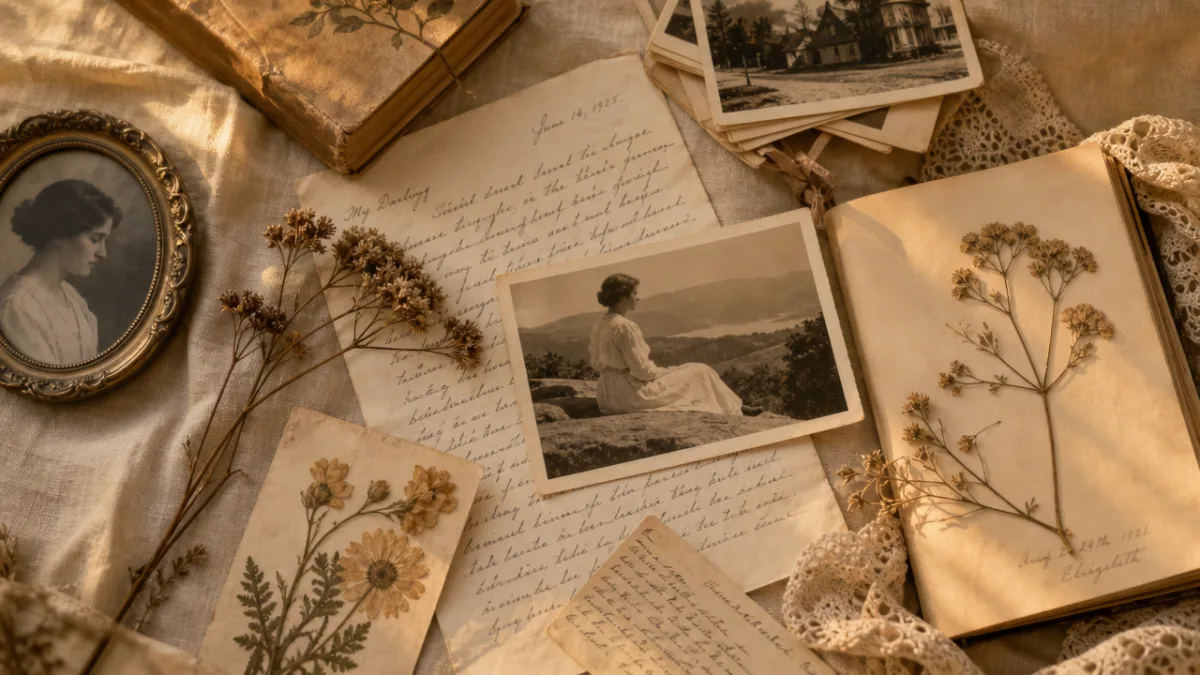
Choosing the Right Format for Your Memory Gift
Once you’ve decided to give a memory instead of a thing, the next wonderful challenge is figuring out what shape that memory should take. The format matters because it determines how the recipient will actually encounter and return to the experience — so it’s worth thinking about both who they are and what the memories themselves feel like. Some people are deeply visual and will be floored by a stunning photo collection. Others are readers and writers who’ll treasure a lovingly written narrative. And some people are tactile — for them, something handcrafted with texture and weight will carry the most emotional punch.
Custom photo books remain one of the most beloved and flexible formats for memory gifting. Modern printing technology has gotten genuinely impressive — lay-flat pages, rich color, cover materials ranging from linen to leather. But what separates a great photo book from a simple album isn’t the printing. It’s intentional curation and storytelling. Rather than uploading every photo you have, the most impactful books are edited with care, arranged to follow a narrative arc, and paired with captions and written passages that give the images context, voice, and emotion. The photographs become windows into a world; the words become the light pouring through them.
Beyond photo books, memory gifts can take all kinds of remarkable forms. Consider these approaches, each suited to different people and different occasions:
- Custom illustrated portraits that reimagine a beloved photograph as a watercolor, oil, or line drawing, turning a snapshot into something that feels like heirloom art.
- Memory jars filled with handwritten notes from friends and family, each one capturing a favorite memory, a funny story, or a heartfelt wish for the recipient.
- Audio or video tributes that weave together voice messages, video clips, and photographs into a digital keepsake that can be revisited for years.
- Custom map prints marking places that carry deep meaning — where two people first met, where a child was born, where a family planted roots.
- Star maps that capture the exact configuration of the night sky on a date that mattered: a wedding night, the day a child arrived, a last goodbye.
The thread running through all of these is intentionality. A memory gift at its best isn’t a clever product — it’s a deliberate act of love and attention. It asks you to slow down, reflect, gather your feelings and your photographs and your memories, and create something that could only ever exist for this one person. That process is part of the gift itself. The recipient can feel the care baked into every choice, and that feeling is what transforms a lovely object into something truly sacred.
Gathering the Raw Material: Collecting Memories and Moments
The most common reason people put off making a meaningful memory gift is that they don’t know where to start. The memories exist — scattered across phone cameras, tucked into shoeboxes, living on the hard drives and in the inboxes of people who love the recipient — but pulling them together can feel like an overwhelming task. Here’s the good news: gathering memories is both simpler and more rewarding than it looks. With the right approach, the collection process becomes its own little journey of rediscovery.
Start with the obvious: your own photo library, sorted by date or event. Most smartphones now have search tools that can surface photos by person, location, or even object, making it easier than ever to excavate the visual history of a relationship. Once you’ve gone through your own collection, reach out to others. A group message to friends and family asking for their favorite photos and memories almost always gets an enthusiastic and surprisingly touching response. People genuinely love being invited to celebrate someone they care about, and what comes back will often surprise you — images and stories you’d never have thought to include on your own.
Don’t overlook the non-photographic material either. Old text messages hold years of quiet tenderness — the small check-ins, the inside jokes, the messages sent during hard times. Emails, letters, and cards from years past are equally valuable. Social media archives, especially on platforms where people have documented their lives over many years, can surface moments that everyone has long forgotten. When you weave these different threads together, what you end up with is something genuinely rich and textured — not just a highlight reel, but a truthful and loving portrait of a life and a relationship.

Crafting the Narrative: Turning Images Into Stories
A photograph is a door. It opens onto a room full of feeling and meaning and context — but only if someone is willing to step through and describe what’s inside. The written word is what transforms a collection of beautiful images into a story worth passing down through generations. That’s why the narrative element of any memory gift matters so much, and why it deserves just as much care as the visuals. Writing captions and reflective passages might feel intimidating at first, but there are ways into it that make the process feel natural — even joyful.
Start by writing the way you actually talk. The most moving captions and tributes are rarely polished or literary — they’re honest, specific, and personal. Instead of “This was such a wonderful day,” try something like, “You laughed so hard at that joke that your coffee went cold, and you didn’t even notice.” Specificity is where the emotional resonance lives. The more precise and particular you are, the more vividly the memory comes alive — and the more clearly the reader understands that you were truly, fully there for the moment you’re describing.
Think about how you want to organize the narrative. What emotional journey do you want the recipient to take? Some of the most effective memory books move chronologically, letting the reader experience the arc of a relationship or a life from beginning to now. Others are organized by theme — chapters devoted to adventure, to everyday life, to love, to the moments that made everyone laugh until they cried. A tribute for an older relative might include a section on their legacy and the ways they’ve shaped the people around them. A book for a best friend might lean into humor and irreverence, celebrating the glorious weirdness of the friendship. There’s no single right structure. The right structure is the one that feels most honest to the relationship you’re honoring.
It can also be deeply meaningful to include voices other than your own. When you invite friends and family to contribute not just photographs but written memories — a paragraph, a favorite story, even a single sentence — the gift becomes a chorus instead of a solo. The recipient hears from multiple directions at once how loved and noticed they are. This is especially powerful for milestone occasions like retirement, a major birthday, or the anniversary of a loss, when the person might have quietly started to wonder whether their impact on others is as real and lasting as they’d hoped.
Presenting Your Memory Gift: Making the Moment Unforgettable
You’ve gathered the memories, chosen the format, crafted the narrative, and made something extraordinary. Now comes the final — and often underestimated — piece: the presentation. How a gift is given shapes how it lands. A deeply personal gift deserves a moment of delivery that does it justice — not a rushed handover at the end of a crowded party, but a quiet and intentional exchange that gives the recipient space to actually feel what they’re holding. The presentation is your last chance to communicate how much thought and love went into what you’ve made.
Timing matters more than most people realize. For a gift this personal, consider giving it privately — before or after the main event, when the recipient isn’t busy performing happiness for a room full of people and is free to react however they actually feel. A quiet moment at the end of an anniversary dinner, a Sunday morning before anyone else is up, a private exchange after a graduation ceremony — these are the windows where the deepest emotional experiences tend to happen. If the occasion is a group celebration, you can still make the presentation feel intentional by framing it clearly, letting the room settle into attentiveness before the gift is revealed.
Adding your own spoken or written words brings yet another layer. You might write a short letter explaining what making this gift was like — which memories moved you most as you gathered them, which stories you’d completely forgotten and were so glad to find again, how the whole process deepened your appreciation for the person you were celebrating. It doesn’t need to be long or perfectly written. It just needs to be honest. When the recipient opens the memory book again five or ten years from now, they’ll find that letter inside, and it will be just as moving as the day you wrote it — maybe more so.

Memory Gifting as a Lifelong Practice
It’s tempting to treat a memory gift as a one-time undertaking — something you do for a landmark occasion and then set aside until the next big milestone rolls around. But the deeper invitation here is to make memory-tending an ongoing, habitual act of love. The people we care about most deserve to be celebrated not just at the punctuation marks of life, but through the quieter and less dramatic stretches in between. And the tools for doing that have never been more accessible, more beautiful, or more varied.
Think about starting a shared memory project with someone you love — a joint journal, a running collection of photos from ordinary Tuesdays, a tradition of writing each other a letter at the end of every year. None of this requires a special occasion or elaborate production. It only requires attention and intention: the willingness to notice what’s beautiful and meaningful in an everyday life and to say, quietly but clearly, “I see this. I’m saving it. It matters.” Over time, those small acts accumulate into something immense — a living archive of a relationship that gets richer and more layered with every passing season.
Memory gifting is ultimately not about the object you create, beautiful as it may be. It’s about the act of paying attention to another person’s life — truly, carefully, lovingly attending to who they are, what they’ve lived through, and what they mean to the people around them. In a culture that moves fast and prizes novelty above almost everything else, that kind of devoted, attentive noticing might be one of the most radical and generous things one person can offer another. When words fall short, memory steps in — not as a consolation, but as the truest language love has ever spoken.








What do you think?
It is nice to know your opinion. Leave a comment.