










The Case for Soy Wax: A Cleaner, Greener Choice
When we first started working on our candle formula, choosing the right wax was one of the biggest decisions we faced. Soy wax — made from hydrogenated soybean oil — rose to the top pretty quickly, and for a lot of good reasons. Paraffin wax is a petroleum byproduct, which never sat well with us. Soy wax is renewable, plant-based, and it actually lines up with what we care about: making products that are better for the people using them and for the world they live in. That core value shaped everything else we did.
One of the biggest things soy wax has going for it is how cleanly it burns. Paraffin candles are notorious for releasing black soot and a whole mix of petrochemicals into the air — the kind of thing that gradually coats your walls, ceilings, and furniture and can do a number on your indoor air quality. Soy wax burns with far less soot and releases significantly fewer toxins. If you burn candles regularly at home, that’s not a small distinction. It means the air you’re breathing is cleaner, your home stays cleaner, and you’re not giving anything up in terms of ambiance.
Soy wax also has a much lower melting point than paraffin, which means it burns slower and more evenly. A soy candle will outlast a paraffin candle of the same size — noticeably so. That mattered a lot to us, because we wanted our customers to feel like every candle was genuinely worth buying. A candle that burns longer, burns cleaner, and just feels better to have in your home is a better product, plain and simple. That’s what we were going for from day one.
Supporting Sustainable Agriculture Through Every Purchase
Picking soy wax isn’t just about how the candle performs — it’s also about the kind of supply chains we actually want to be part of. Soybeans are one of the most widely grown crops in the US, and by sourcing our soy wax from domestic suppliers, we’re putting money back into American agriculture. That’s not a marketing line for us. It’s a genuine reflection of what we value. Every candle sold is, in a small way, a choice for sustainable farming over fossil fuel dependency.
Soy wax is also fully biodegradable, which starts to matter a lot when you think about a candle’s full lifecycle. Leftover paraffin wax is essentially a plastic derivative — it doesn’t break down if it ends up in a landfill. Soy wax breaks down naturally. And on a more everyday level, it cleans up easily with soap and warm water. Anyone who’s ever tried to scrub hardened paraffin off a glass jar or a tablecloth knows exactly why that’s worth mentioning.
We’re also mindful that consumer choices add up. When enough people reach for soy candles instead of paraffin ones, it shifts demand and sends a clear signal to manufacturers and retailers. We take that seriously. By being upfront about why we use soy wax, we want to help our customers make informed decisions and feel good about what their purchase stands for. That kind of transparency, we think, is what genuine trust between a brand and its community is actually built on.
Why Cotton Wicks Make All the Difference
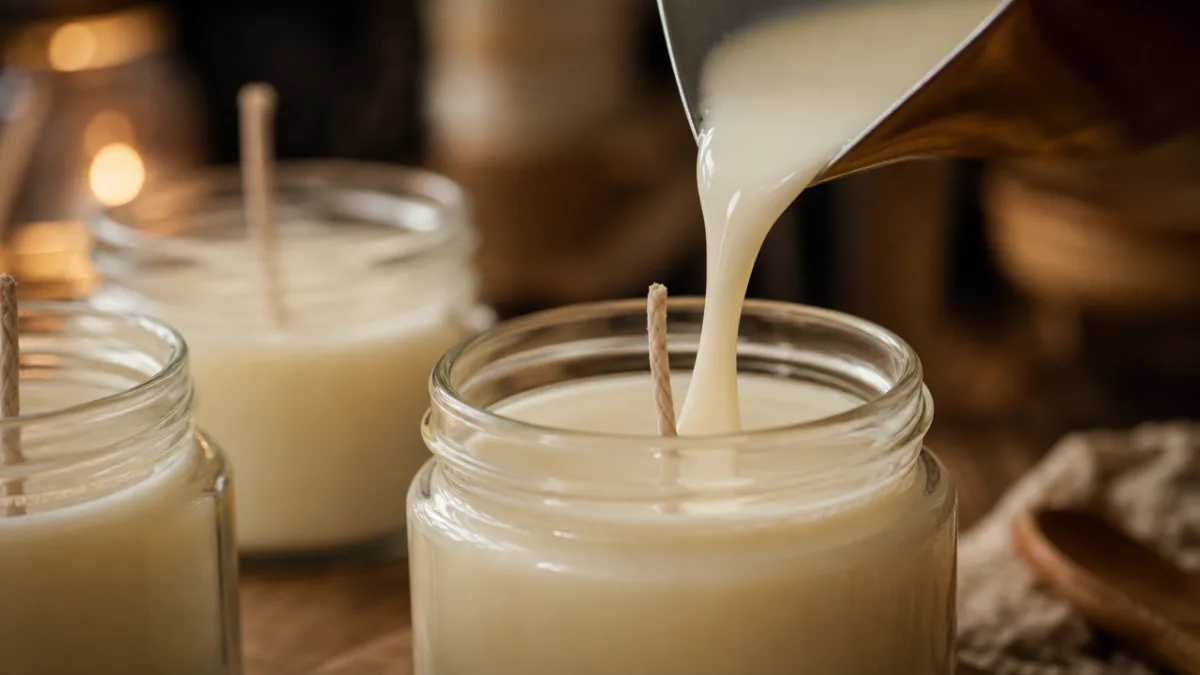
The wick might not be the most exciting part of a candle, but it’s arguably the most important thing to get right. Too thick, and the candle burns too hot and too fast — tunneling straight down through the center and leaving a ring of wasted wax around the edges. Too thin, and the wick drowns in the melt pool and gives up. And if the wick is made from the wrong material, it can release harmful stuff into the air just as easily as the wrong wax can. So when it came to wicks, using 100% natural cotton was never really a question.
Cotton wicks have been a candle-making staple for centuries, and there’s a good reason they’ve stuck around. They burn steadily and predictably, holding a consistent flame height that helps the melt pool develop evenly across the whole surface of the candle. That even burn matters both for performance and for how the candle looks — nobody wants to watch a crater form in the center while perfectly good wax clings to the sides. Cotton wicks resist that kind of tunneling when they’re properly sized for the container, which is something we tested a lot during development.
Just as importantly, cotton wicks burn without releasing metals or chemicals into the air. Lead-core wicks used to be common in candle making — lead helped the wick stay upright and burn more consistently. They’ve been banned in the US since 2003, but some imported candles still raise red flags, and other metal-core wicks are still out there. Cotton eliminates that concern entirely. It’s about as natural as it gets: just plant fiber doing what it’s always done, holding a clean, steady flame.
The Science Behind Our Wick Sizing Process
Choosing the right cotton wick is not a one-size-fits-all situation. The container’s diameter, the specific soy wax formula, the type and amount of fragrance oil, and even the typical room temperature where a candle will be burned all affect which wick size is going to perform best. We spent months testing different wick sizes across every container size we make before landing on our current specs — and we go back and retest any time something in our formula changes.
During testing, we evaluate several key performance indicators for each wick and container combination. These include:
- The diameter of the melt pool after the first two hours of burning, which should ideally reach edge to edge by the third to fourth hour
- The height and stability of the flame throughout the burn cycle, looking for consistency without excessive flickering or dancing
- The degree of mushrooming at the wick tip, which can indicate a wick that is too large for the application
- The scent throw — both cold (unlit) and hot (while burning) — because an incorrectly sized wick can significantly reduce how well fragrance is dispersed
- The amount of soot or smoke produced, particularly when the candle is extinguished
That might sound like a lot of effort for something that is, at the end of the day, a candle. But we genuinely believe the details are what separates a product that looks beautiful on a shelf from one that actually delivers a great experience every time you light it. Our customers deserve to know that every candle they bring home has been carefully engineered, not just nicely packaged. A lot of that engineering lives in the wick, even if you’d never know it just by looking.
How Soy Wax and Cotton Wicks Work Together
The real magic of our formula isn’t in either ingredient on its own — it’s in how they work together as a system. Soy wax and cotton wicks are genuinely well-matched in ways that make each one perform better alongside the other. Because soy wax has a lower melting point and a softer consistency than paraffin, it builds a fluid melt pool without needing an aggressive or oversized wick. That means the cotton wick can do its job with a gentle, steady burn rather than a forceful one, which keeps soot production incredibly low.
That compatibility pays off in fragrance delivery too. Soy wax is great at holding fragrance — it bonds well with fragrance oils and releases them gradually as the wax melts. The calm, even heat of a properly sized cotton wick in a soy wax base lets that fragrance release happen in a slow, sustained way rather than all at once. You get a candle that actually fills a room with scent without ever feeling overpowering, and that holds onto its aroma for hours rather than peaking in the first twenty minutes and fading out.
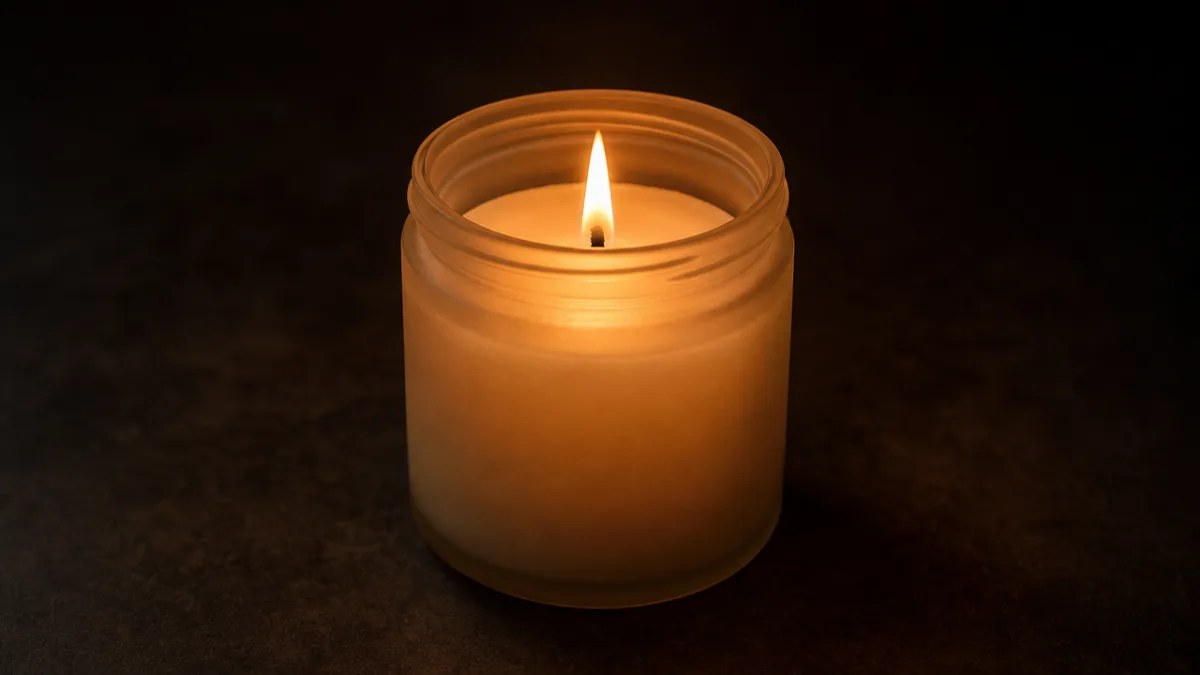
There’s also something just satisfying about the way this combination looks and feels. Soy wax sets with a naturally creamy, matte finish that gives our candles a clean, handcrafted quality a lot of our customers have noticed and mentioned. The cotton wick — being a natural fiber — fits right in with that aesthetic. Together, they tell you something about what you’re holding before you even light it: a product made with intention, from ingredients that were chosen thoughtfully rather than grabbed for convenience or cost savings. That story starts with the very first look.
What This Means for You as the Customer
We get it — when you’re browsing candles, you’re probably not thinking about wax chemistry or wick metallurgy. You’re thinking about which scent will make your home feel like a retreat, which jar will look right on your nightstand, or which candle would make a great gift. That makes total sense, and we’re not here to change that. But we do think that knowing what’s actually inside a product — and why those choices were made — turns a simple purchase into something a little more meaningful. It’s the difference between a transaction and a relationship built on trust.
Here’s what the soy wax and cotton wick combination means practically for your experience at home:
- Longer burn times: Soy wax burns up to 50% longer than paraffin of the same volume, meaning you get more hours of enjoyment from every candle you purchase.
- Cleaner air: No petroleum-derived pollutants, no metal particulates from the wick — just a natural, clean burn that is as gentle on your lungs as it is on your walls.
- Better scent throw: The combination of soy wax’s superior fragrance retention and the even heat of a cotton wick means your candle will fill your space consistently and beautifully.
- Easy cleanup: Spilled soy wax cleans up easily with hot water and dish soap, making accidents far less of a headache than they would be with paraffin.
- Eco-conscious purchasing: Every candle you buy supports renewable agriculture and reduces demand for petroleum-based products.
We also want to be upfront about cost. Premium natural ingredients aren’t cheap, and we know price is always part of the decision. Soy wax costs more than paraffin, and high-quality cotton wicks cost more than metal-core ones. We’ve made a deliberate choice to absorb as much of that difference as we can rather than compromise on what goes into our candles, because we believe the product makes its own case over time. A candle that lasts longer, performs better, and makes your home feel genuinely well cared for is worth it — and we’re confident you’ll feel that way too once you’ve experienced the difference yourself.

Our Ongoing Commitment to Ingredient Transparency
This conversation about soy wax and cotton wicks is really part of something bigger — a commitment we’ve made to being genuinely transparent about everything that goes into our products. We think customers have a right to know what they’re bringing into their homes, and that brands have a responsibility to make that information easy to find rather than hiding it in fine print or dressing it up in vague marketing language. That commitment extends past our wax and wicks to our fragrance oils, colorants, packaging, and how our candles are actually made.
We’re also always looking at our formula as new research comes out and better materials become available. The candle industry isn’t standing still, and neither are we. If a stronger natural alternative to any part of our formula comes along, we’ll take it seriously and make the switch if it’s a genuine improvement for our customers and for the environment. And we’ll share those updates openly with our community, because we think the process of making better products is just as worth talking about as the products themselves.
At the end of the day, the reason we use soy wax and cotton wicks comes down to a pretty simple belief: the things we bring into our homes deserve to be made with the same care and intention we try to put into everything else we choose to have around us. A candle is a small thing — but it’s also a daily ritual, a bit of self-care, a gift, a moment that sticks with you. It deserves to be made well. That’s the standard we hold ourselves to, and it’s the promise behind every candle that leaves our studio.








What do you think?
It is nice to know your opinion. Leave a comment.