










How Wickless Candles Work: The Science of Flameless Scent
What Are Wickless Candles?
Wickless candles are one of those things that sound almost too simple — scented wax that smells amazing without ever needing a flame. But there’s actually some pretty interesting science behind how they work, and once you understand it, it’s hard not to appreciate them on a whole new level. At their core, wickless candles are scented wax products designed to release fragrance through gentle heat rather than burning. That one difference opens up a completely different world of chemistry, materials, and sensory experience — which is a big part of why they’ve become so popular with fragrance lovers and anyone who’d rather not have an open flame in their home.
The whole concept came out of a real need. Traditional candles are lovely, but they come with baggage — fire risk, soot, smoke, and real problems for anyone with respiratory sensitivities. Wickless systems sidestep all of that by cutting combustion out of the picture entirely. Instead of burning wax to release scent, they use an electric warmer to gently melt the surface of the wax, encouraging fragrance molecules to drift up into the air around them.
What sets wickless candles apart from other air fresheners — your sprays, your plug-ins — is how measured and steady the whole process is. The wax melts slowly and consistently, so the scent comes out at an even pace rather than hitting you all at once. The result feels more like walking into a naturally fragrant room than catching a blast from an aerosol can. A lot of people say it’s just a more pleasant, livable kind of scent experience.
The Chemistry Behind the Scent Release
To really get how wickless candles work, it helps to know a little about the chemistry of scent. Fragrances are made up of volatile organic compounds — molecules with low boiling points that move easily from liquid to vapor at or just above room temperature. In a wickless system, the wax acts like a slow-release reservoir for these compounds, holding them in place until heat loosens things up enough for them to escape into the air.
The wax in wickless candles isn’t always the same stuff you’d find in a traditional taper or pillar. Soy wax, paraffin blends, and various synthetic waxes all have different melting points and different abilities to hold onto fragrance. Wickless formulas usually aim for what’s called a high fragrance load — basically, the ratio of scent oil to total wax weight. Since there’s no flame driving the process, the wax has to be engineered to release enough scent through heat alone, which typically means fragrance loads of anywhere from 6 to 12 percent, sometimes even more.
The mechanism behind this is called thermal volatilization. As the wax surface warms up to roughly 50 to 80 degrees Celsius — nowhere near hot enough to burn — the lighter aromatic compounds start to vaporize first. These are the top notes you’d recognize from perfumery: citrus, herbs, light florals, the stuff you smell immediately. Over time, as the heat keeps doing its thing, the deeper middle and base notes start to come through — think vanilla, musk, sandalwood. That gradual unfolding is what gives a good wickless candle its evolving character, and honestly, it’s one of the most satisfying parts of the experience.
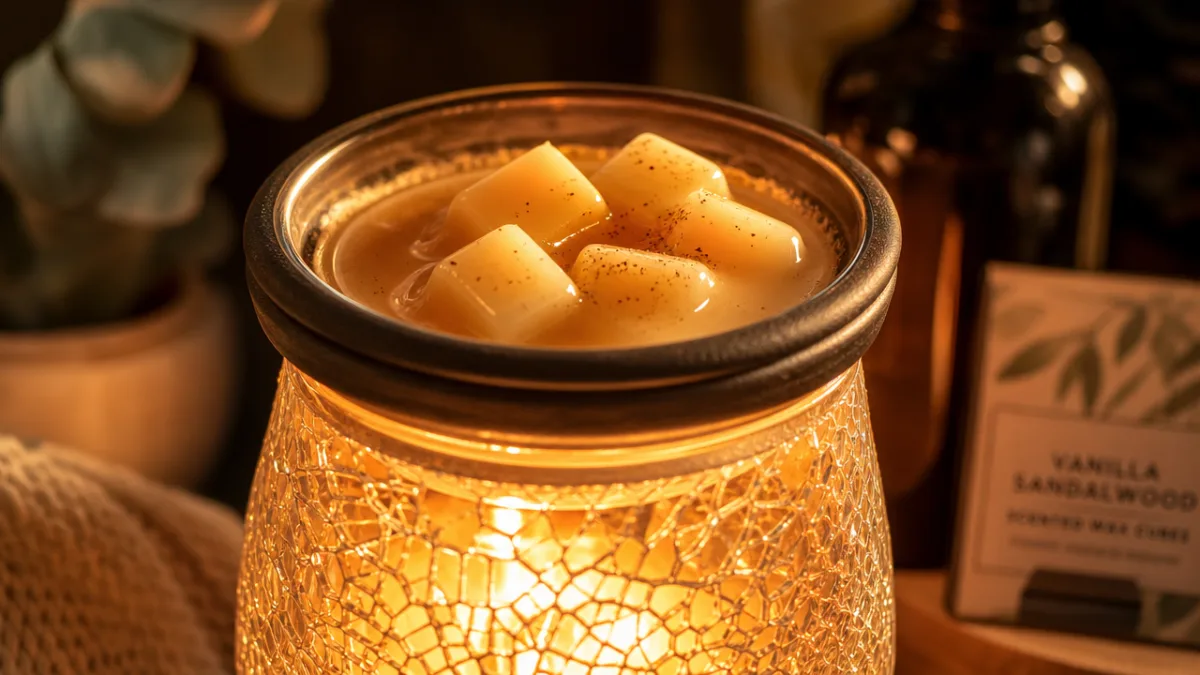
How Electric Warmers Generate the Right Heat
The electric warmer is really the heart of the whole system, and it’s more thoughtfully designed than it might look. Most warmers fall into two camps: bulb-based and plate-based. Bulb warmers use a low-wattage incandescent or halogen bulb — usually 15 to 25 watts — tucked beneath a dish to radiate gentle upward heat. Plate warmers have a ceramic or metal heating element built right into the dish surface, which gives you more even, consistent temperature control.
Getting the temperature right matters more than you might think. Too little heat, and the wax just sits there without melting, releasing barely any scent at all. Too much, and the fragrance burns off too fast — you get a short burst of intensity and then nothing, and the more delicate aromatic molecules can actually break down in the process. Good warmer manufacturers calibrate their heating elements to hit a sweet spot that melts the wax evenly while keeping the fragrance intact.
Higher-end warmers take things further, with digital thermostats, timers, and dimmer controls that let you dial in exactly how fast the wax melts and how strong the scent throw is. That kind of control just isn’t possible with a traditional candle. Turn it down low for a bedroom at night and you get a soft, barely-there scent that’s easy to sleep through. Crank it up in a bigger living room and the space fills with fragrance within minutes. It’s a level of customization that makes wickless setups genuinely practical for everyday use.
Types of Wickless Wax Products and Their Formats
The wickless candle world has expanded a lot over the years, and there are now plenty of product formats to choose from depending on what you’re after. The most familiar is the wax melt — also called a wax tart or snap bar — which are small, pre-portioned pieces of scented wax, usually sold in clamshells or as breakable bars. They’re sized to drop right into a warmer dish and start releasing fragrance within minutes.
Beyond the classic wax melt, though, the category has branched out into some interesting directions:
- Wax beads and pearls: Tiny spherical pieces of scented wax that you pour into the warmer dish yourself. Because you control the amount, it’s easy to turn the scent up or down just by using more or less wax.
- Wickless jar candles: These look just like regular candle jars but with no wick — they’re packed with highly fragranced wax and meant to sit on a warmer or be used with an insertable heating element.
- Wax sachets and pods: Single-use, pre-measured portions in tidy packaging, sometimes designed to work with specific brand warmers — think of it like the pod coffee machine model, but for scent.
- Electric wax melters with built-in reservoirs: All-in-one units that hold a larger supply of wax and melt it continuously from a bottom heating element. These are great for bigger spaces or commercial settings where you want consistent fragrance throughout the day.
Each format behaves a little differently. Wax beads have a high surface-area-to-volume ratio, so they melt fast and get fragrance into the air quickly. Wickless jar candles, on the other hand, have a larger wax reservoir and can keep releasing scent steadily over many hours. The sheer variety of formats out there is a testament to how creative manufacturers have gotten in finding new ways to deliver fragrance without fire.
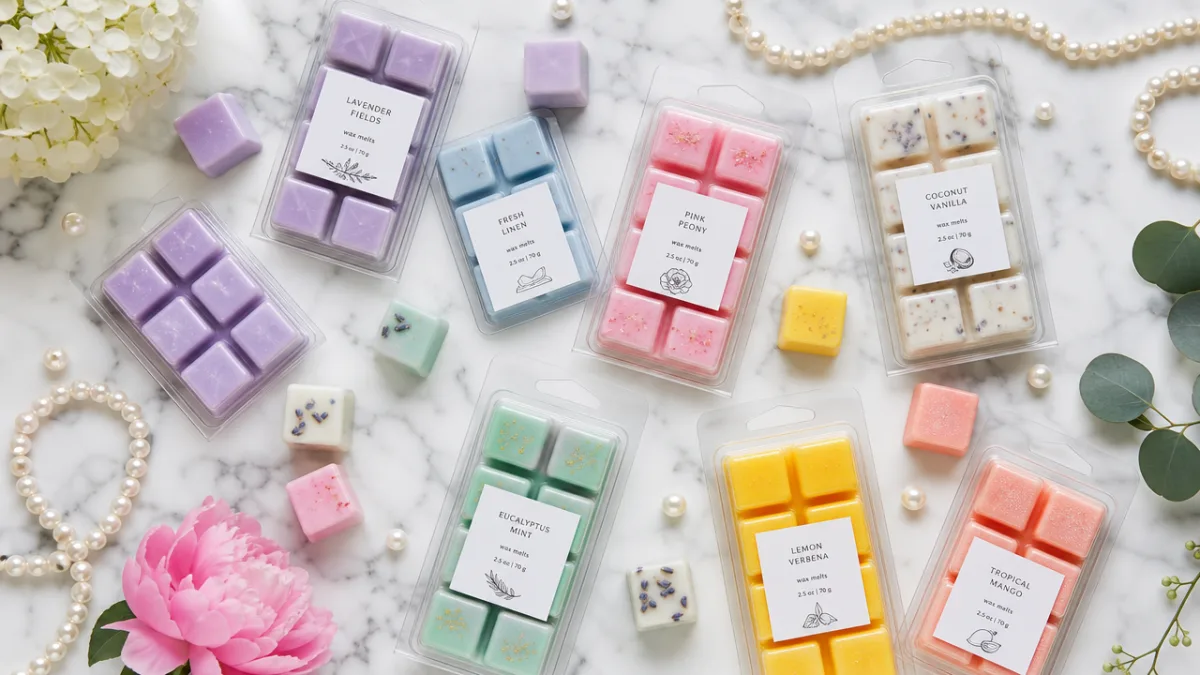
Safety and Environmental Advantages Over Traditional Candles
The safety case for wickless candles is hard to argue with. Candle fires cause tens of thousands of house fires every year in the US alone, and leaving a candle unattended is one of the leading culprits. With a wickless warmer, that risk disappears entirely — no combustion, no flame, nothing to worry about if you wander off and forget about it. Many warmers also have automatic shut-off timers built in, which is a genuinely reassuring feature if you’re someone who can’t remember whether they turned the warmer off before leaving the house.
The air quality benefits are significant too. Burning wax — especially paraffin, which comes from petroleum — releases carbon dioxide, trace carcinogens, and fine particulate matter. Some studies have found that burning scented candles can push indoor air quality into territory that starts to resemble mildly polluted outdoor air. Wickless candles skip all of that. The only thing going into the air is the fragrance itself, and even then, the concentrations are much lower than what you’d get from a burning candle.
There’s also less waste involved. A traditional candle is done once the wax burns down far enough that it can’t sustain a flame anymore, which often leaves a frustrating amount of wax stuck at the bottom of the jar. With a wickless system, the wax can be melted and re-melted repeatedly until the fragrance is completely used up, and then the spent wax can be tossed or repurposed. Many manufacturers are also moving toward sustainably sourced soy or beeswax, which reduces the carbon footprint of the product from start to finish.
Getting the Most from Your Wickless Candle Experience
There are a few habits that can make a real difference in how well your wickless setup performs, and they’re easier than you might expect. The first thing worth thinking about is room size. One wax melt in a small warmer is more than enough for a bathroom or a cozy bedroom, but in a big open-plan living space, that same setup is going to feel underwhelming. For larger rooms, look for warmers with higher wattage, or simply use more wax — the goal is getting enough heat and enough fragrance surface area to fill the space.
Temperature management also matters more than most people realize. Running your warmer at a high setting will produce a strong initial burst of scent, but the fragrance burns off faster, and your wax won’t last as long. A lower, more moderate heat draws the scent out gradually and gets you more hours of fragrance per melt. A lot of experienced users actually warm their melts in one- to two-hour sessions and then turn the warmer off to let the wax re-solidify in between. That kind of cycling can seriously extend how long a single portion of wax stays fragrant.
One of the more fun aspects of wickless candles is scent blending. Because wax melts are small, interchangeable units, there’s nothing stopping you from combining two different scents in the same warmer dish. A floral melt paired with something woody, for example, can create a layered fragrance that neither wax achieves on its own. This has become a whole hobby for a lot of enthusiasts, with online communities dedicated entirely to sharing and rating combination recipes. It’s a level of creative personalization that burning candles just can’t offer.
As for knowing when to swap out your wax, just follow your nose. The wax itself doesn’t really shrink or disappear — it’s only the fragrance compounds that leave over time. When a warmer that used to fill a room in twenty minutes now takes an hour to produce a faint whiff, it’s time for a refresh. Removing old wax is simple: let the warmer cool until the wax hardens, then pop it out as a solid disk, or if it’s still a little soft, use cotton balls to absorb it. A clean dish not only performs better — it also keeps old wax residue from muddying your next scent.
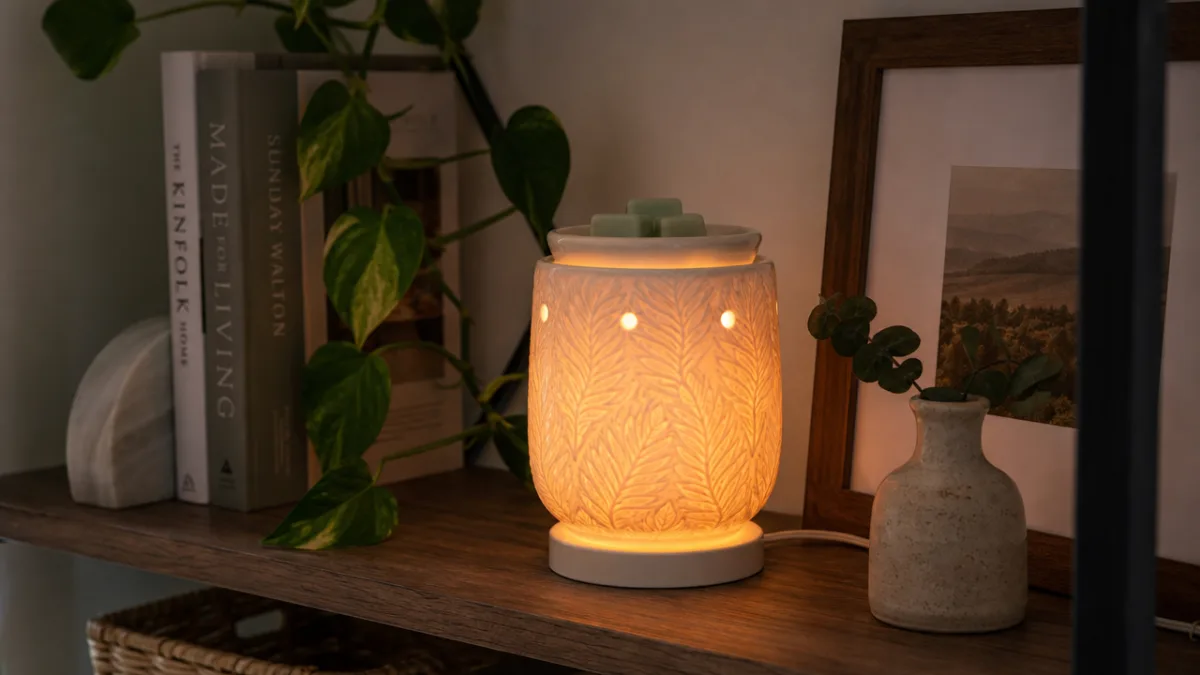
The Future of Flameless Fragrance Technology
The wickless candle world is moving fast, and where it’s headed is genuinely exciting. Smart home integration is probably the most talked-about frontier right now. A handful of manufacturers have already started releasing app-controlled warmers that you can schedule, dim, and monitor from your phone. Imagine setting your warmer to turn on twenty minutes before you get home so the house already smells welcoming when you walk in — or programming it to cycle on and off throughout the day to prevent your nose from going nose-blind to the scent. That kind of control changes the whole experience.
Material science is also opening up new possibilities in how the wax itself is made. One of the more promising developments is fragrance encapsulation, where scent molecules are sealed inside microscopic shells within the wax. Those shells stay intact at lower temperatures and only release their fragrance when the wax hits a specific heat threshold. The result is a more controlled, graduated scent release — and some formulations using this approach have shown fragrance longevity two to three times greater than conventional wax melts of the same size. That’s a meaningful leap forward.
Sustainability is reshaping the industry too. Consumer demand for cleaner, greener products has pushed manufacturers to move toward plant-derived waxes, phthalate-free fragrance oils, and recyclable or compostable packaging. The shift away from paraffin — a petroleum byproduct — toward soy, coconut, and rapeseed waxes is picking up speed, driven both by environmental values and by the fact that many natural waxes simply hold fragrance better. As all of these threads come together — smart technology, better materials, greener production — wickless candles are on track to become not just the safer choice, but the genuinely better sensory experience.








What do you think?
It is nice to know your opinion. Leave a comment.