










“`html
Green Floral Candle: The Art of Botanical Elegance in Home Fragrance
The Allure of Green Floral Candles
There’s something about a green floral candle that just hits differently compared to other home fragrances. It doesn’t have the heavy sweetness of vanilla or the sharp punch of citrus — it lives somewhere in between, feeling fresh and warm at the same time, natural but somehow still a little refined. If you’ve ever stepped into a garden right after the morning dew has settled, with leaves still glistening and flowers just starting to open, you know exactly the feeling these candles are going for. It’s no wonder that green botanical scents paired with soft florals have become one of the most popular fragrance profiles in home décor right now.
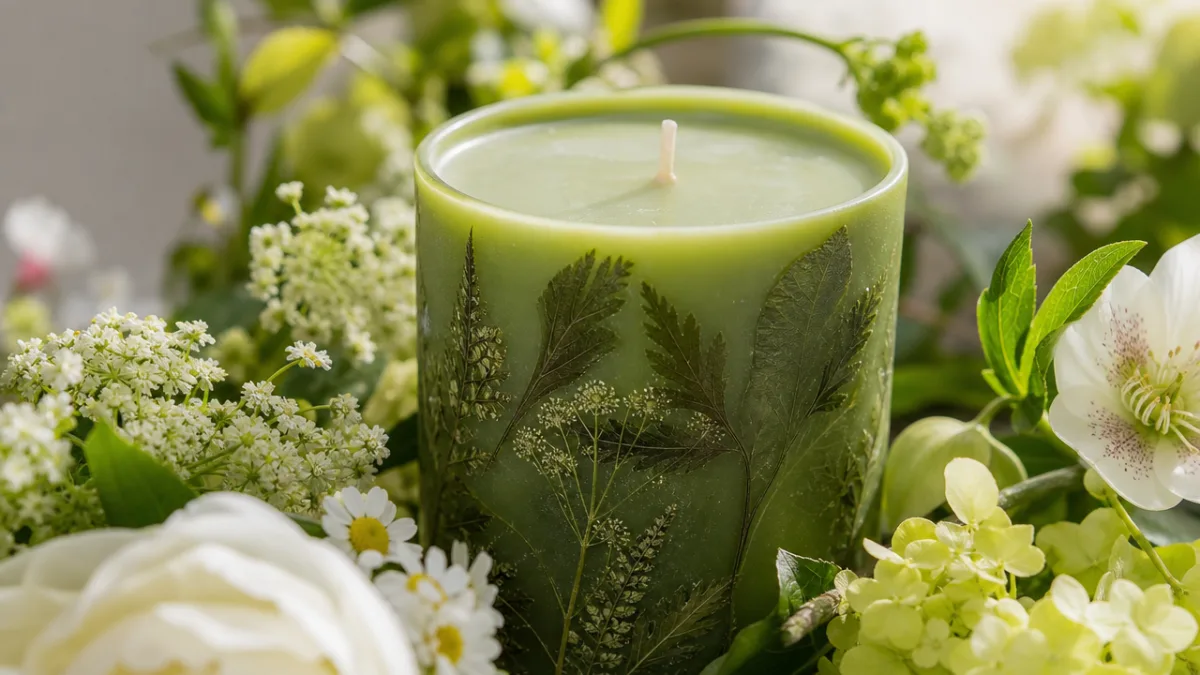
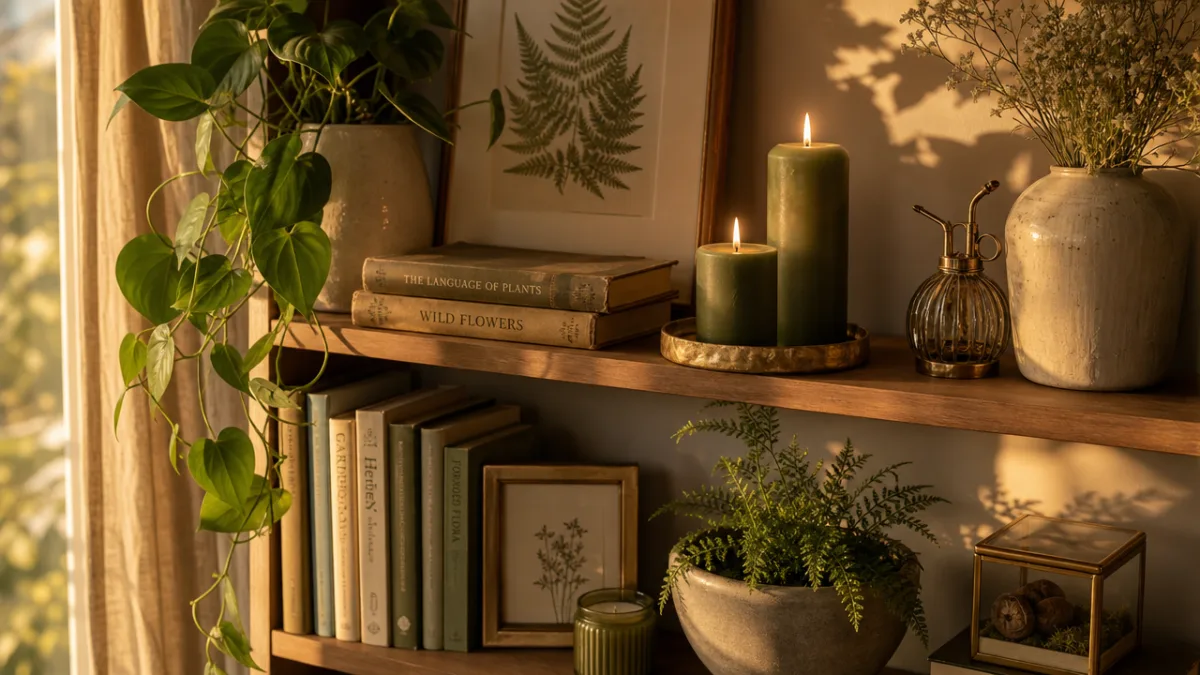
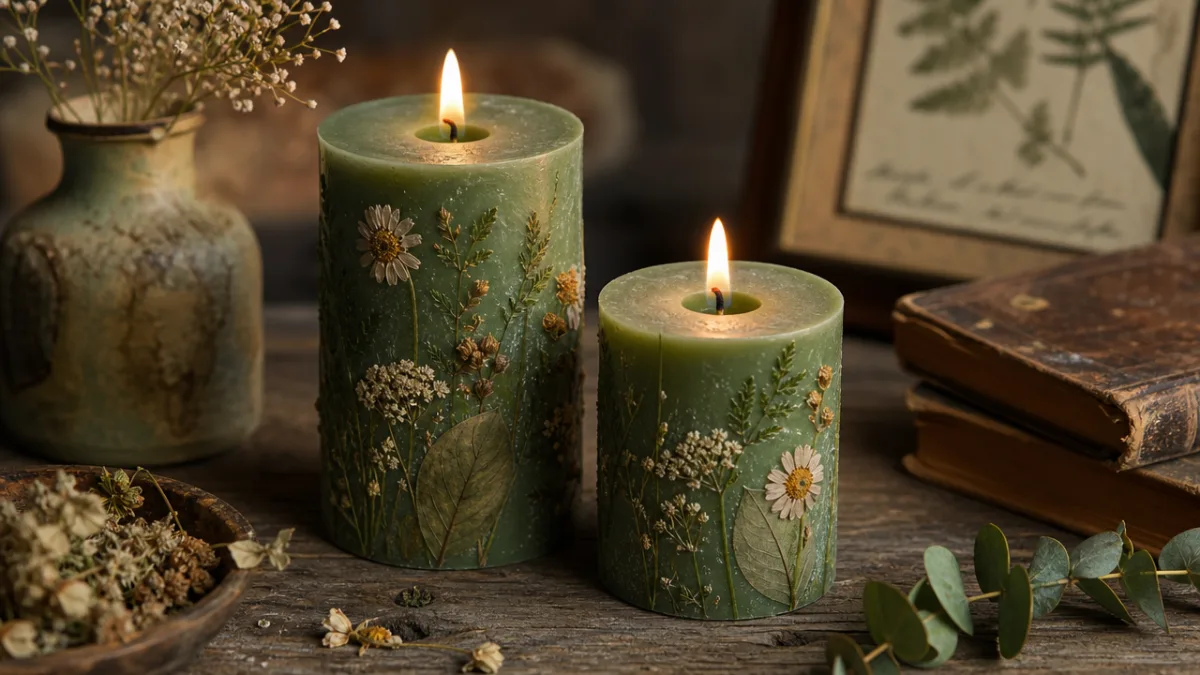
But the appeal isn’t just about scent. Green floral candles tend to look genuinely beautiful, whether they’re poured in earthy moss-toned wax or decorated with pressed botanicals, dried herbs, or embedded petals. They’re the kind of thing you’d happily leave sitting on a windowsill or bookshelf even when they’re not lit. This fits right into the growing interest in biophilic design — basically, the idea that we all feel a little better when we’re surrounded by natural elements. A well-made green floral candle has a way of making a space feel more intentional, like someone actually thought about what goes where.
There’s also something deeper going on emotionally. Scent has this unique ability to bypass all the rational, analytical parts of our brain and go straight to the part that holds memories and feelings. A whiff of green leaves and delicate flowers can take you right back to a childhood garden, a summer trip somewhere, or a quiet afternoon you spent outside by yourself. That’s a big part of why people reach for green floral candles — not just because they smell nice, but because they can genuinely shift the mood of a room and even help with emotional regulation in a way that’s hard to put into words.
Understanding Green Floral Fragrance Profiles
To really get what makes a green floral candle special, it helps to know a little about how the fragrance is put together. Perfumers and candlemakers talk about scent in terms of notes — top, middle, and base — and each layer comes through at a different point. In a green floral blend, the top notes are what you smell first: that bright, immediate hit of cut grass, fresh leaves, violet leaf, or something cool and watery like cucumber. These are the notes that greet you when you hold an unlit candle up to your nose.
The middle or heart notes are where the actual floral character lives, and this is really the soul of the whole thing. You might find rose, peony, lily of the valley, jasmine, or gardenia here — each one bringing its own personality. Rose feels romantic and rich; peony is softer and a little powdery; lily of the valley has this almost ethereal cleanliness to it; jasmine adds warmth and a touch of complexity. The way these florals weave together with the greener top notes is honestly where green floral candles do their best work — it’s what keeps them from tipping too sweet or too sharp.
Then there are the base notes, which do the quiet, essential job of grounding everything and making the scent last. White musk, cedarwood, vetiver, sandalwood, and light amber are common choices here. They slow down how quickly the fragrance fades and leave a pleasant lingering presence in the room even after you’ve blown the candle out. Once you understand this three-layer structure, you start noticing it everywhere — and it makes choosing a candle a lot more satisfying than just sniffing something and hoping for the best.
- Top Notes: Cut grass, violet leaf, green tea, fresh herb, watery cucumber
- Heart Notes: Rose, peony, lily of the valley, jasmine, neroli, magnolia
- Base Notes: White musk, cedarwood, vetiver, light sandalwood, soft amber
Crafting the Perfect Green Floral Candle at Home
Making your own green floral candle at home is one of those projects that’s way more satisfying than you’d expect. You get to control everything — the wax, the fragrance blend, the vessel, the wick, and any botanical decorations you want to add. Candle-making has had a real moment over the past few years, partly because so many people have become more interested in handmade things and partly because it feels good to know exactly what’s going into something you’re burning in your home. The end result is something that’s completely yours, made the way you wanted it.
Choosing your wax is one of the first big decisions, and it matters more than you might think. Soy wax is the go-to for a lot of home crafters and small makers — it comes from a renewable source, burns cleaner than paraffin, and holds fragrance really well. Coconut wax is another solid option, with a smooth, creamy look and a great scent throw. Beeswax costs a bit more but burns longer than most alternatives and has a naturally warm, subtle honey quality that pairs beautifully with green floral scents. Some people blend waxes to get the best of multiple worlds, like combining soy’s clean burn with coconut’s silky finish.
When it comes to adding botanicals, a little goes a long way. Dried flowers like lavender buds, chamomile, rosebuds, or small eucalyptus leaves can be pressed against the inside of the glass before you pour the wax, and the effect once everything sets is genuinely lovely. Rosemary or thyme adds some nice texture and works naturally with green floral scents. That said, be careful with any botanicals near the surface — dried plant material too close to the flame is a fire hazard. The safest approach is either to embed botanicals within the wax itself or to position them against the glass below the point where the candle will actually burn.
- Melt your chosen wax to the recommended temperature (typically 170–185°F for soy wax).
- Allow the wax to cool slightly to around 140°F before adding fragrance oil to preserve the scent molecules.
- Secure your wick centrally in the vessel using a wick sticker and a wick centering tool or chopstick.
- Press dried botanicals against the inside of the glass before pouring.
- Pour the scented wax slowly and allow to cool completely for at least 24 hours before trimming the wick and lighting.
Choosing the Right Green Floral Candle for Your Space
Not every green floral candle is going to feel right in every room, and where you put it actually makes a big difference. In a living room or sitting area, you can afford to go bolder — a complex green floral blend with rose and vetiver can really anchor the mood of the whole space. Larger vessels with a stronger scent throw work best in open-plan areas, where the fragrance has more ground to cover before it really registers.
The bedroom is a different story. You want something calmer and softer here — a candle that leans into lavender, lily of the valley, or a gentle peony rather than bold jasmine or assertive green tea. The point isn’t to fill the room with fragrance but to create a quiet sensory signal that it’s time to wind down. A smaller vessel on the bedside table or dresser, lit for half an hour or so before sleep, can actually become a meaningful part of a nighttime routine in a way that feels natural rather than forced.
Bathrooms and entryways are two more places where green floral candles really earn their keep. In a bathroom, fresh watery green notes paired with clean white florals instantly create that spa-like atmosphere that makes even an ordinary morning feel a little more luxurious. In an entryway, a well-chosen candle sets the tone for your whole home before a guest has even seen another room — it’s a surprisingly powerful first impression. In both spots, it’s worth choosing a vessel that looks good even when the candle isn’t lit, whether that’s a beautiful ceramic pot, a vintage amber glass jar, or a simple concrete container. These are visible spots, so the candle should earn its place visually too.
The Wellness Benefits of Green Floral Aromatherapy
Using fragrance intentionally for wellbeing isn’t some modern wellness trend — people have been burning aromatic materials for thousands of years, across pretty much every culture you can think of. Modern aromatherapy has just given us a more structured way to talk about what our ancestors already knew: certain scents genuinely interact with our minds and bodies in ways that feel good and sometimes measurably are good. Green floral candles, given the kinds of botanical ingredients that typically go into them, are especially well-placed to offer some real benefits beyond just smelling nice.
A lot of the ingredients common in green floral fragrances have actual research behind them. Lavender is probably the most studied, with solid evidence that inhaling it can reduce anxiety, lower heart rate, and improve sleep. Rose fragrance has shown some mood-lifting, cortisol-lowering effects in studies. Green herbal notes like rosemary have been linked to better focus and mental clarity. And there’s something about the clean, watery quality of violet leaf or cucumber that a lot of people find immediately de-stressing, even if the science on that one is a bit more anecdotal.
That said, it’s worth keeping expectations honest. A candle isn’t a medical treatment, and the concentration of scent compounds you’re actually inhaling from a burning candle is much lower than what gets used in formal aromatherapy settings. What a green floral candle reliably does is help create the kind of environment where slowing down feels easier — a beautiful, pleasantly scented space that gives you a small but genuine reason to pause. In a life that rarely offers much stillness on its own, that’s actually worth something.
Sustainability and Ethical Considerations in Green Floral Candle Buying
As people have gotten more thoughtful about where their purchases come from and what they’re made of, the candle industry has had to keep up. Green floral candles in particular tend to attract buyers who genuinely care about ingredient sourcing, how things are made, and what kind of footprint a product leaves behind. The challenge is that “natural” and “sustainable” get thrown around a lot in this space, and the marketing doesn’t always match the reality.
There are a few questions worth asking when you’re trying to figure out whether a candle actually lives up to its green claims. Where does the wax come from? Soy wax is generally better than paraffin, but it’s not automatically clean — a lot of the world’s soy comes from large-scale agriculture with some real land-use concerns attached. Coconut wax and beeswax, when sourced responsibly, often come with more transparent and traceable supply chains. On the fragrance side, synthetic oils aren’t necessarily harmful, but they might not sit well with people who have sensitivities, while natural essential oils bring their own questions around fair trade and ethical harvesting.
The vessel is one of those sustainability factors that often gets overlooked, but it genuinely matters. A candle in a good-quality glass jar, ceramic pot, or well-made container has a whole second life ahead of it — as a plant pot, a storage jar, a drinking glass, or a home for your next candle pour. Brands that design with reuse in mind or offer refill options are making a real commitment rather than just using the right buzzwords. And buying from small, local, or independent makers is often the most direct way to support genuine quality and transparency, since these producers typically know their ingredients, understand their supply chains, and care about what ends up in your home.
- Look for candles made with certified sustainable soy, coconut wax, or responsibly sourced beeswax.
- Choose cotton or wooden wicks over metal-cored alternatives for a cleaner burn.
- Prefer phthalate-free fragrance oils or candles scented with pure essential oils.
- Select vessels designed for reuse, repurposing, or refilling.
- Support independent, small-batch makers who can speak transparently about their sourcing.
At the end of the day, a green floral candle can be more than just a nice-smelling object. When it’s made well and chosen thoughtfully, it becomes a small, tangible expression of caring — about beauty, about nature, about slowing down, and about the quality of the spaces we actually live in. In a world full of things made quickly and forgotten easily, that kind of intentionality matters. And it starts fresh, one lit flame at a time.
“`








What do you think?
It is nice to know your opinion. Leave a comment.