










Arjanae Aromatherapy Oils & Scents: A Complete Guide to Natural Wellness Through Fragrance
The Ancient Art and Modern Science of Aromatherapy
Aromatherapy is one of humanity’s oldest healing traditions, with roots going back thousands of years to ancient Egypt, China, and India. Those early cultures knew something we’re still rediscovering today — that plant-derived scents have a remarkable effect on the mind and body. They burned fragrant resins, used botanical extracts, and incorporated essential oils into everything from religious ceremonies to everyday health routines. Modern science has since caught up, confirming that aromatic compounds interact directly with the limbic system — the part of your brain that handles emotion and memory — triggering real, measurable changes in how you think and feel.
What makes aromatherapy such a good fit for modern wellness is how easy it is to work into your regular routine. You don’t need a practitioner or specialized equipment — just a few drops of lavender on your pillow, a citrus blend running in the diffuser while you work, or a warming spice-and-wood mix in the bath can genuinely shift your mood and energy. It’s one of those rare practices that sits right at the intersection of self-care ritual and real health support, which is probably why so many people are turning to it as a natural alternative to synthetic wellness products.
Arjanae Aromatherapy has built a strong reputation in this space by putting together a thoughtful collection of essential oils, scent blends, and aromatic wellness products aimed at supporting a holistic lifestyle. Their whole philosophy comes down to purity, intention, and the idea that the right scent at the right moment can actually change things for you. Whether you’re brand new to aromatherapy or you’ve been practicing for years and want to go deeper, getting a solid grounding in essential oil science will help you make smarter, more personal choices for your wellness routine.
Understanding Essential Oils: Purity, Sourcing, and Quality
Here’s something worth understanding early on: not all essential oils are the same, and that difference matters more than most people realize. True essential oils are concentrated plant extracts — pulled from their source through steam distillation, cold pressing, or CO2 extraction — and they contain the volatile aromatic compounds that give each plant its distinctive scent and therapeutic character. Where those plants are grown, when they’re harvested, and how carefully the extraction is handled all have a huge impact on the final quality. Oils from plants grown in their native climate, picked at peak potency, and processed with care will consistently outperform anything mass-produced.
Arjanae takes sourcing seriously. They prioritize single-origin oils wherever they can and are upfront about where their botanicals come from. That kind of transparency matters for quality, but it also supports ethical and sustainable farming practices around the world. When you buy a bottle of rose absolute from a brand that genuinely cares about its supply chain, you’re not just getting a fragrance — you’re supporting something that respects land, labor, and biodiversity. For a lot of conscious consumers, that extra layer of meaning is a big part of why aromatherapy resonates so deeply.
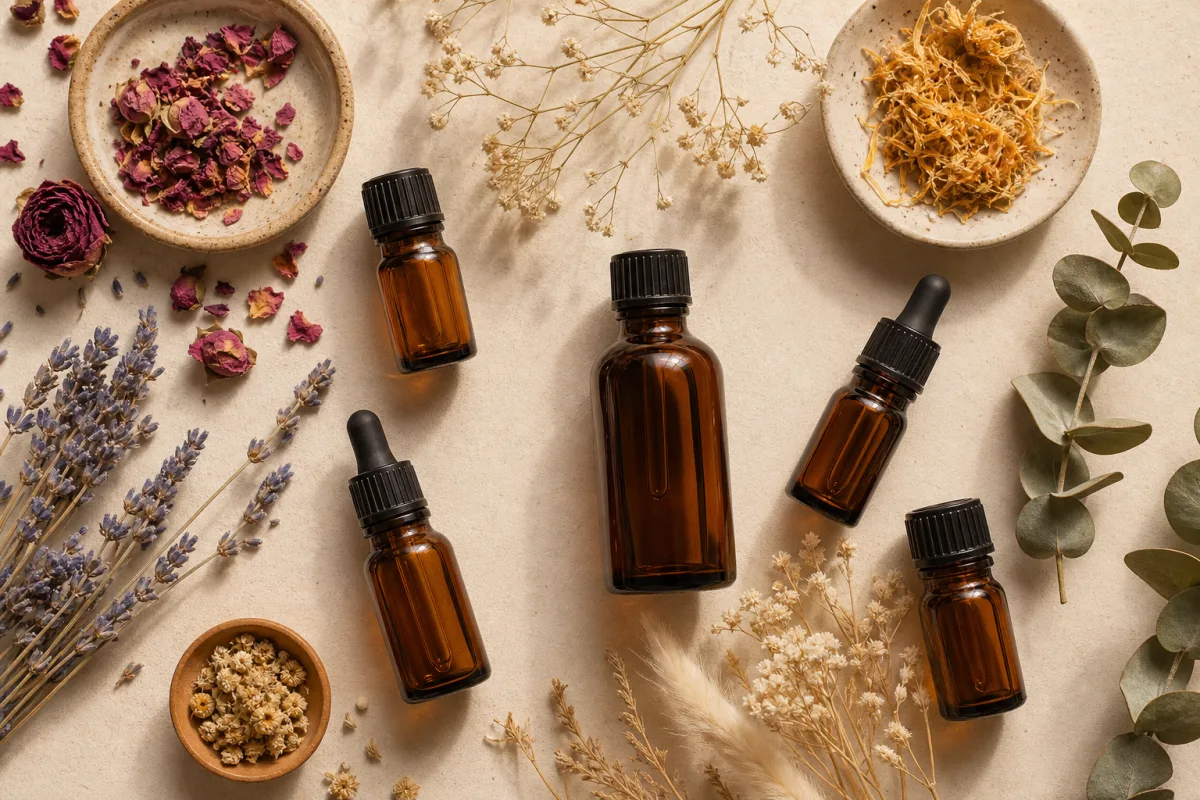
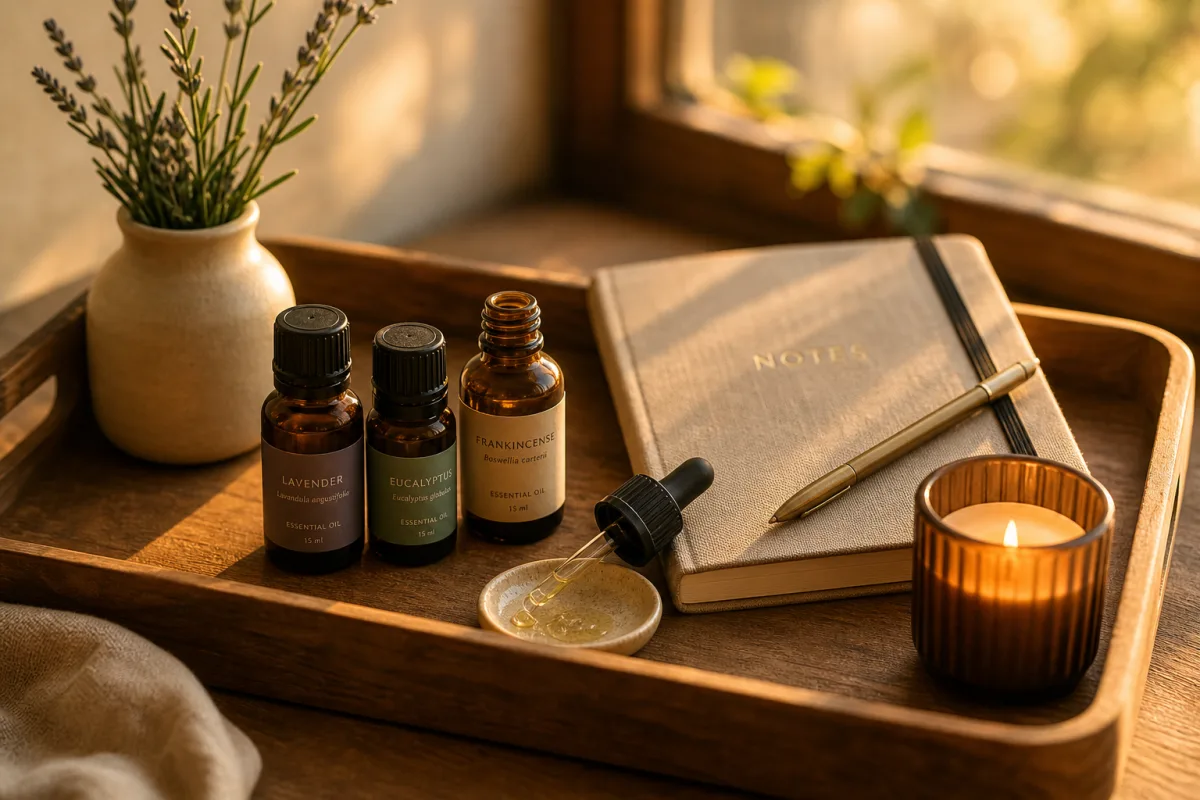
If you’re evaluating an essential oil collection, a few quality markers are worth knowing. GC/MS testing — gas chromatography and mass spectrometry — can confirm that an oil has the right chemical profile and hasn’t been cut with synthetic additives or cheaper carrier oils. Reputable brands will make those test results available. Packaging is another tell: quality oils belong in dark amber or cobalt glass bottles that protect the delicate volatile compounds from light damage. And good labeling should include the common name, botanical name, country of origin, and extraction method — the basics that let you actually know what you’re buying.
- Steam distillation — the most common extraction method, ideal for flowers, leaves, and herbs
- Cold pressing — used primarily for citrus peels to preserve bright, fresh top notes
- CO2 extraction — a newer method that captures a fuller aromatic profile at lower temperatures
- Solvent extraction / absolutes — used for delicate flowers like jasmine and rose that cannot withstand heat
Signature Scent Families and Their Therapeutic Benefits
One of the most satisfying parts of developing an aromatherapy practice is learning your way around the major scent families and what each one can do for you. Aromatherapy oils generally fall into a few broad categories — florals, citruses, woods, herbs, resins, and spices — and each has its own aromatic personality and associated benefits. Florals like rose, ylang ylang, and jasmine are classically tied to emotional softening, warmth, and stress relief. Citrus oils — bergamot, sweet orange, lemon — are energizing and mood-lifting, which makes them great companions for morning routines or creative work sessions when you need a mental spark.
The woody and resinous family — cedarwood, sandalwood, frankincense, myrrh — holds a special place in aromatherapy because of how grounding and meditative these scents feel. They’ve been used in spiritual and contemplative traditions for thousands of years for good reason: they naturally pull the mind into the present moment, quiet the internal noise, and encourage slower, deeper breathing. If you deal with anxiety, overstimulation, or trouble settling into meditation, a diffuser blend anchored by frankincense or vetiver can be surprisingly effective at nudging your nervous system out of high alert and into something calmer and more spacious.
Then there are the herbal and camphoraceous oils — eucalyptus, peppermint, rosemary, tea tree — sharp and clarifying, with well-known antimicrobial properties. These are your practical workhorses. A steam inhalation with eucalyptus when you’re fighting a cold, or a peppermint roll-on on your temples during that mid-afternoon energy slump, shows exactly how these scents function as real tools rather than just pleasant smells. Arjanae’s collection covers all of these families, so you can build a home apothecary that’s genuinely tailored to the way you live and what your body actually needs.
How to Use Aromatherapy Oils Effectively at Home
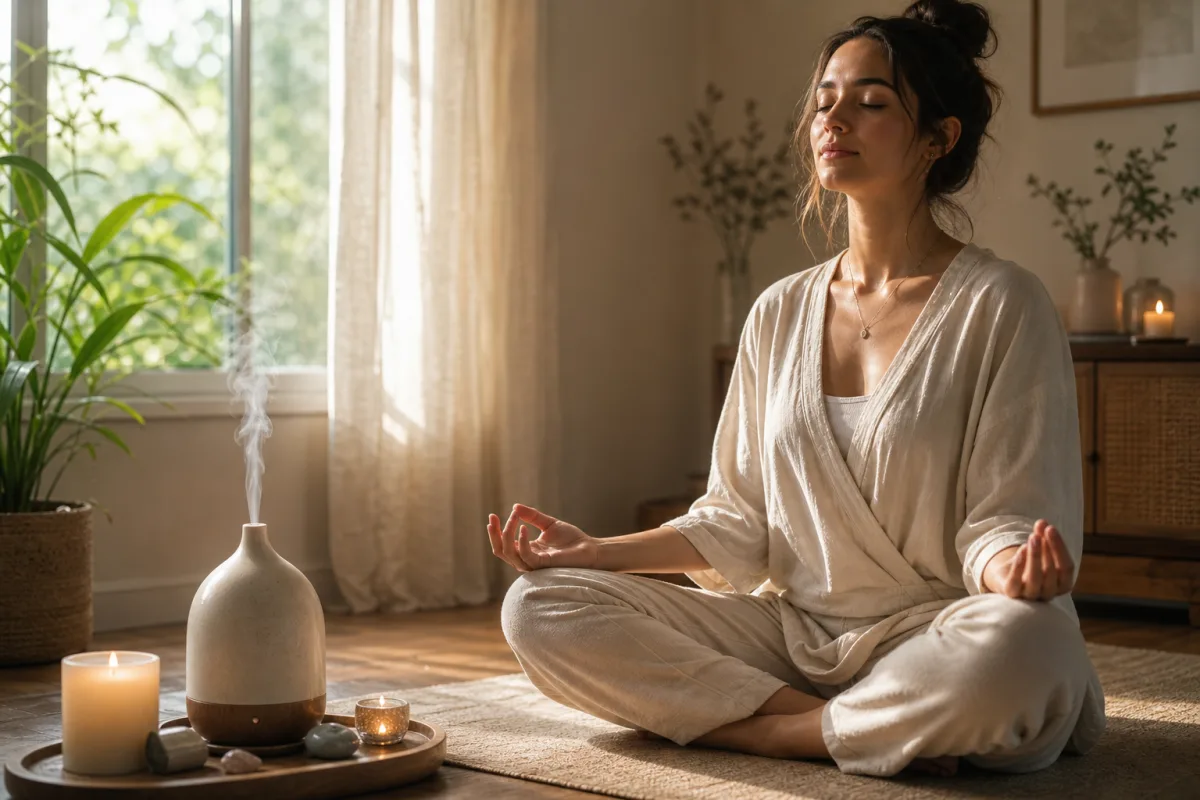
There are a lot of ways to use essential oils at home, and the best method really depends on what you’re going for. Diffusion is probably the most popular starting point — it disperses tiny oil particles into the air through ultrasonic vibration (in modern electric diffusers) or simple evaporation, and it can completely change the feel of a room within minutes. Whether you’re setting up for yoga, winding down for sleep, or trying to focus, a good diffuser blend does the work quickly. A general starting point is three to five drops per 100ml of water, though you’ll naturally adjust based on the oil and how strong you want the scent.
Topical application is more targeted, letting specific areas of the body absorb both the aromatic and chemical benefits directly. The key rule here is always dilute first. Essential oils should always be mixed into a carrier oil — jojoba, fractionated coconut, and sweet almond are all good options — before they touch your skin. Skipping this step can lead to irritation, sensitization, or worse. For most adults, a safe dilution ratio is one to three percent, which works out to roughly six to eighteen drops of essential oil per ounce of carrier. Massage blends, roll-ons, and body oils all live in this category and honestly represent some of the most enjoyable ways to use aromatherapy.
Aromatic baths are another beautiful option — they combine the restorative benefits of hydrotherapy with aromatherapy in a way that feels genuinely indulgent. The important thing to know is that you should always mix your essential oils into a dispersant first — Epsom salts, full-fat milk, or liquid castile soap all work well — before adding them to the water. If you drop undiluted oils straight into the bath, they’ll float on the surface and can come into concentrated contact with sensitive skin, which isn’t what you want. Rounding out the toolkit are inhalation methods like steam bowls, personal inhalers, and simple cloth sachets tucked near your pillow — simple, low-fuss, and genuinely effective.
- Choose your intention first — whether that is relaxation, focus, energy, or emotional support
- Select your scent family based on that intention using the therapeutic associations as a guide
- Choose your delivery method based on your situation (diffuser, topical, bath, or inhalation)
- Dilute appropriately and test on a small skin patch if applying topically for the first time
- Create a ritual around the experience to deepen its psychological and emotional impact
Creating Custom Blends: The Art of Aromatic Formulation
Blending essential oils is part science, part intuition, and a healthy dose of experimentation. Perfumers and aromatherapists talk about a blend’s “notes” — the top notes you notice first that fade fastest, the middle notes that form the heart and character of the blend, and the base notes that anchor everything and give it staying power. When you’re building your own blends at home, working with this three-tier structure tends to produce something much more balanced and interesting than just throwing together oils that smell good individually. The way oils interact and evolve over time is what makes a blend feel alive rather than flat.
Citrus and light herbal oils like bergamot, lemon, and sweet basil are natural top notes — bright and attention-grabbing right out of the gate. Florals and spices like lavender, geranium, clary sage, and cardamom typically fill the middle, adding warmth, complexity, and emotional resonance. Deep woods, resins, and roots — cedarwood, patchouli, frankincense, vetiver — anchor the base and make sure the blend has longevity and a grounded foundation. A useful starting formula for beginners is roughly thirty percent top, fifty percent middle, and twenty percent base. Think of it as a loose framework rather than a rigid recipe — you’ll adjust it as you develop your nose.
If you’d rather skip the learning curve for now, Arjanae’s pre-formulated blends are a genuinely good shortcut. These aren’t just oils that happen to smell nice together — they’re crafted with therapeutic intention, meaning the individual oils were selected for how they work synergistically. That synergy is actually well-documented in aromatherapy research: the combined effect of certain oils together can exceed what any single oil could achieve on its own. For complex goals like better sleep, anxiety relief, or immune support, a well-designed blend often does more than a single-note approach.
Safety, Precautions, and Responsible Practice
Aromatherapy is wonderful, but it’s important to genuinely respect how potent these oils are. They’re highly concentrated plant extracts, and when they’re misused, the risks are real — skin sensitization, allergic reactions, potential hormone disruption, and toxicity if ingested. Some oils are contraindicated for certain people: pregnant women, infants, young children, elderly individuals with more sensitive skin, and anyone on specific medications or managing certain health conditions. Before you introduce any new oil into your practice — especially for topical use or around vulnerable family members — looking up its specific contraindications isn’t optional, it’s just part of doing this responsibly.
Photosensitizing oils are one safety area that catches a lot of casual users off guard. Cold-pressed citrus oils — especially bergamot, lime, lemon, and grapefruit — contain compounds called furocoumarins that react with UV light, which can cause serious skin darkening or burning if you apply them before going outside. If you’re making anything intended for daytime use on skin, stick to steam-distilled or furanocoumarin-free versions of these oils. Similarly, some of the more intense oils — clove, cinnamon bark, oregano, thyme — need much higher dilutions than the standard recommendations and deserve extra care in any recipe.
If you have children or pets at home, aromatherapy requires some additional thought. Many oils that are perfectly fine for healthy adults shouldn’t be diffused around cats, dogs, or birds, whose metabolic systems work very differently from ours. Tea tree oil, for example, is toxic to cats and dogs even in small amounts, and plenty of other oils we find refreshing can cause respiratory distress or liver damage in companion animals. With young children, diffuse at lower concentrations, make sure the room is well-ventilated, and avoid direct skin application of anything not specifically cleared for pediatric use. The enthusiasm for these beautiful botanicals is completely understandable — just make sure your safety knowledge grows alongside it.
Building a Sustainable Aromatherapy Practice with Arjanae
A sustainable aromatherapy practice isn’t really about how many oils you own — it’s about weaving aromatic wellness into your daily life in a way that feels natural and actually supports your longer-term health. Most people start with one or two versatile oils like lavender and peppermint, and even at that modest scale, they start noticing real differences: better sleep, less daily stress, a reliable way to reset energy mid-afternoon. From that foundation, the collection grows organically as curiosity builds — moving toward more specific applications like seasonal immune support, emotional processing blends, or incorporating oils into skincare and hair care.
Arjanae’s approach is very much in line with that kind of gradual, intentional growth. Rather than throwing an overwhelming product catalogue at beginners, they offer starter kits, educational resources, and curated collections built around specific wellness themes — sleep, focus, uplift, grounding — which give people clear, manageable entry points no matter where they’re starting from. That structure helps you actually develop knowledge and confidence instead of ending up with a shelf full of bottles you’re not sure how to use. The investment in understanding what you’re doing pays off in a much richer and more effective practice over time.
Environmental sustainability is another piece of this worth thinking about as the aromatherapy industry keeps growing. Some of the most beloved aromatic plants — rosewood, sandalwood, certain frankincense species — are under real ecological pressure from overconsumption. Supporting brands that source responsibly, invest in regenerative agriculture, and steer clear of at-risk species is a meaningful way to help make sure those botanicals are still around for future generations. Arjanae’s commitment to ethical sourcing reflects a genuine understanding that real wellness can’t come at the expense of the natural world it depends on.
At its best, aromatherapy is a practice of mindfulness — a daily reminder to stop, breathe, and reconnect with the sensory world around you. Whether you’re running a complex resinous blend during a meditation session, rolling citrus on your wrists before a big meeting, or just pressing your palms to your face and inhaling lavender after a long day, you’re participating in a tradition of botanical healing that stretches across the whole of human history. With Arjanae’s collection as your starting point, that tradition becomes something personal, accessible, and genuinely woven into how you live every day.








What do you think?
It is nice to know your opinion. Leave a comment.