










Crafting Is My Therapy: Why Creative Hobbies Are Essential for Mental Wellness
There is a quiet revolution happening on kitchen tables, in garage studios, and at craft room desks all across the world. People are picking up heat presses, cutting machines, and sublimation printers not just to make beautiful things, but to heal themselves. The phrase “crafting is my therapy” has become more than a catchy slogan on a T-shirt — it has become a genuine cultural movement that recognizes the profound psychological benefits of making things with your hands. For millions of DIY enthusiasts, the act of creating is as restorative as any meditation session or therapy appointment.
The crafting community has long understood something that science is now confirming: engaging in creative work reduces stress hormones, promotes mindfulness, and provides a sense of accomplishment that is deeply satisfying to the human brain. Whether you are pressing a sublimation design onto a polyester tee, cutting intricate vinyl shapes with a Cricut, or layering DTF transfers onto a hoodie, your nervous system is benefiting from the focused, repetitive, and purposeful nature of the work. Crafting draws your attention fully into the present moment, leaving little mental space for anxiety or rumination.
This article explores the intersection of crafting culture and mental wellness, the booming world of print-on-demand and custom apparel design, and the rise of the “crafting is my therapy” aesthetic as both a personal statement and a profitable design niche. Whether you are a seasoned crafter or a curious beginner looking to explore sublimation, DTF printing, or custom shirt design, this guide will give you both inspiration and practical insight into why crafting truly is one of the best things you can do for your soul.
The Psychology Behind Crafting as Therapy
Psychologists have studied the therapeutic effects of creative activities for decades, and the results are consistently encouraging. Engaging in hands-on creative work activates the brain’s reward system by releasing dopamine, the feel-good neurotransmitter associated with pleasure and motivation. This neurological response is similar to what people experience during exercise or social bonding, which helps explain why so many crafters describe their hobby as genuinely addictive in the best possible way. The moment you complete a project — whether it is a sublimated tote bag or a custom DTF-printed crewneck — your brain registers a meaningful sense of achievement.
Beyond the neurochemical benefits, crafting also serves as a powerful form of active mindfulness. Unlike passive relaxation activities such as watching television, crafting requires just enough cognitive engagement to quiet the overactive default mode network of the brain — the region responsible for self-referential thinking, worry, and mind-wandering. When you are focused on aligning a heat press platen, adjusting your sublimation temperature settings, or carefully weeding a vinyl design, your mind simply cannot simultaneously spiral into anxiety. This is the mechanism that crafters intuitively recognize when they say that their hobby “clears their head.”
Social connection is another dimension of crafting’s therapeutic power. Online communities on platforms like Pinterest, Instagram, and Facebook have allowed crafters to share their work, celebrate each other’s wins, and find belonging among like-minded creatives. The “crafting is my therapy” design trend thrives in these spaces precisely because it resonates so deeply with people who have found genuine emotional relief through their creative practice. Wearing or displaying this sentiment is a way of claiming crafting not as a frivolous pastime but as a legitimate and important part of one’s mental health toolkit.
Understanding Sublimation Printing for Crafter Designs
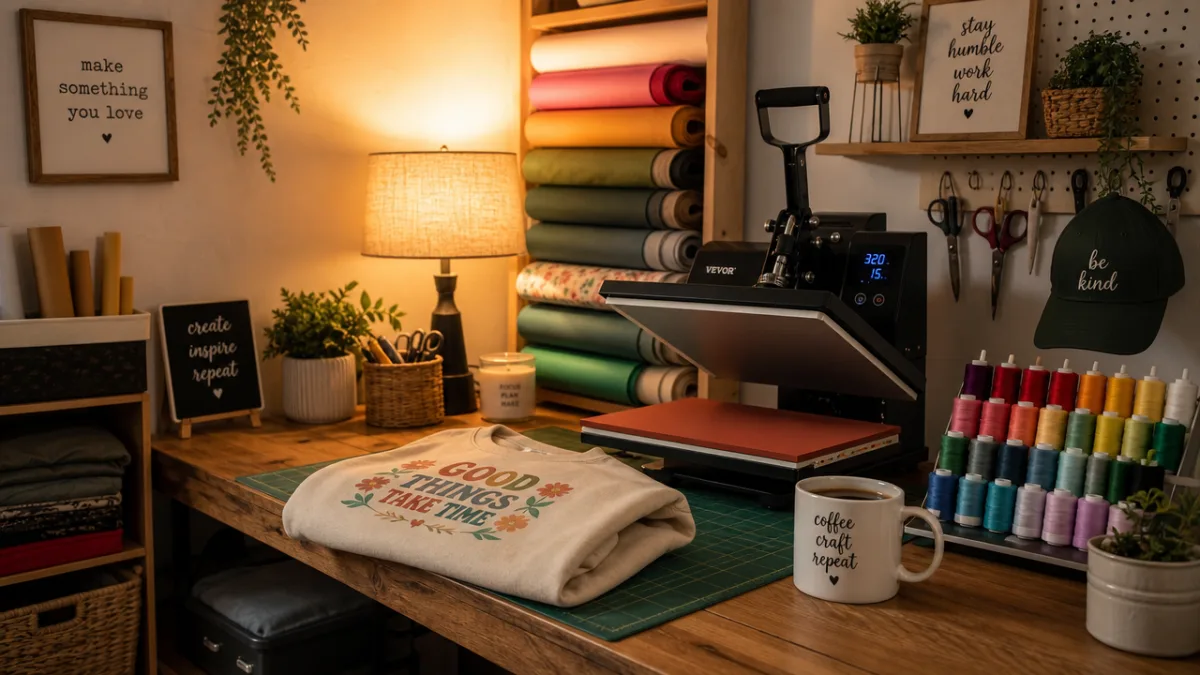
Sublimation printing has transformed the custom apparel industry and opened incredible doors for independent crafters and small business owners. The process uses heat and pressure to convert specially formulated dye inks from a solid state directly into a gas, which then permanently bonds with the fibers of polyester-based materials. The result is a vibrant, full-color print that is embedded into the fabric itself rather than sitting on top of it, making it exceptionally durable, wash-resistant, and soft to the touch. For designs like “crafting is my therapy,” sublimation delivers brilliant color saturation that makes the artwork truly pop.
One of the most appealing aspects of sublimation for crafters is its accessibility. Entry-level sublimation setups have become remarkably affordable in recent years, with converted Epson EcoTank printers serving as a popular starting point alongside dedicated sublimation printers from brands like Sawgrass. Paired with a quality heat press and sublimation-compatible blanks — including shirts, mugs, mousepads, tote bags, and more — a crafter can build a fully functional home-based production studio for a fraction of what it would have cost a decade ago. This democratization of production technology has fueled the explosive growth of the DIY crafter community.
When working with “crafting is my therapy” PNG designs intended for sublimation, it is important to ensure that the file is high resolution and saved on a transparent background. PNG files preserve the transparency information that allows your design to integrate cleanly with the background color of your blank, whether you are pressing onto a white polyester shirt or a pastel-toned sublimation blank. Most quality design files sold for sublimation use are provided at 300 DPI or higher, ensuring that every fine detail of the typography and graphic elements reproduces crisply and beautifully when transferred.
Choosing the Right PNG Design Files for Your Projects
The marketplace for crafter-themed PNG designs has grown tremendously alongside the broader crafting community. Platforms like Etsy, Creative Fabrica, and Design Bundles host thousands of listings for “crafting is my therapy” designs in various styles, from bold typographic statements to intricate illustrations featuring scissors, yarn, thread, sewing machines, and other crafting motifs. When shopping for design files, it is important to read the licensing terms carefully to understand whether the design is intended for personal use only or whether it includes a commercial license allowing you to sell finished products made with the design.
For crafters who want to create their own original designs, programs like Adobe Illustrator, Canva Pro, and Affinity Designer offer powerful tools for building custom artwork. Vector-based programs are particularly useful because they allow you to scale your design to any size without losing quality, which is essential when you need to resize artwork for different product types. A design that works beautifully on a standard adult shirt might need to be scaled down for a youth tee or up for a large tote bag, and vector files handle these adjustments with no degradation in print quality.
Color management is a critical consideration when preparing sublimation designs. Because sublimation inks interact with the dye molecules in the fabric, colors can shift slightly during the transfer process, and whites in your design will not print — instead showing the base color of your blank. Experienced sublimation crafters learn to adjust their color profiles and test print regularly to ensure that what appears on screen matches the final pressed result. Many seasoned crafters keep a dedicated sublimation test journal where they document temperature, time, pressure settings, and color outcomes for different substrate combinations.
DTF Printing: Expanding Your Crafter Design Options
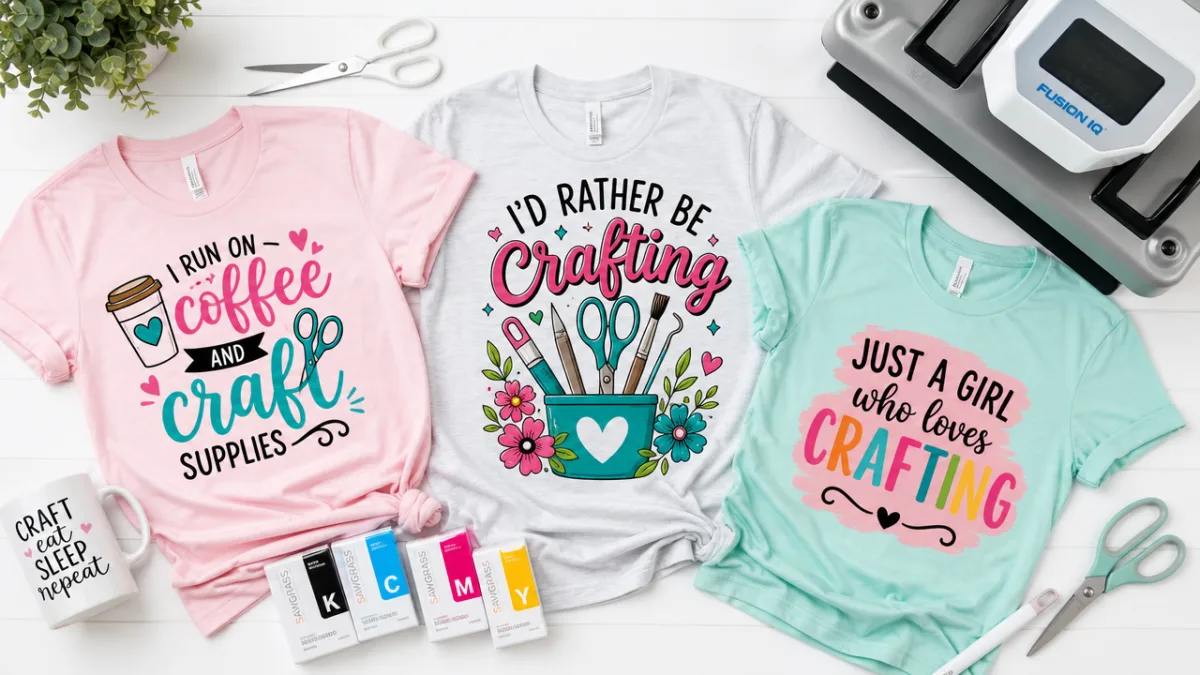
Direct to Film, commonly known as DTF printing, has rapidly emerged as one of the most versatile and exciting technologies available to the modern crafter and small business owner. Unlike sublimation, which requires polyester-based substrates to bond properly, DTF transfers can be applied to virtually any fabric type, including cotton, cotton blends, nylon, and even leather. This opens up an enormous range of product possibilities for “crafting is my therapy” designs, allowing crafters to press their artwork onto 100% cotton tees, canvas bags, denim jackets, and more without any compromise in vibrancy or durability.
The DTF process involves printing a design onto a special PET film using water-based inks, applying a hot-melt adhesive powder, curing the powder with heat, and then transferring the finished film to the garment using a heat press. The adhesive layer creates a flexible, slightly raised texture on the finished garment that many customers find appealing and that holds up exceptionally well through repeated washing. For crafter designs with intricate linework, fine text, or multiple colors, DTF delivers outstanding detail reproduction that rivals — and in some cases surpasses — traditional screen printing.
Many independent crafters have adopted a hybrid approach that combines both sublimation and DTF printing in their workflow, using each technology for the applications where it excels. Sublimation remains the preferred choice for all-over printed polyester blanks, athletic wear, and hard substrates like mugs and ornaments, while DTF handles cotton apparel, dark-colored garments, and any project where the full-fabric feel of the base material needs to be preserved. Understanding both technologies gives a crafter extraordinary flexibility and allows them to serve a much wider range of customer preferences and product categories.
Building a Crafter Brand Around Therapeutic Design Themes
The “crafting is my therapy” aesthetic has proven to be a remarkably durable and commercially successful design theme because it speaks directly to the identity and values of a large and passionate community. Crafters are deeply proud of their hobby, and they love wearing and displaying items that announce their creative identity to the world. A well-designed crafter shirt or accessory functions simultaneously as personal expression, community signal, and conversation starter — which makes these products genuinely beloved by the people who purchase them and wear them to craft fairs, guild meetings, and crafting retreats.
When building a brand around crafter-themed designs, consider the full spectrum of products that your target audience might want beyond shirts alone. The same “crafting is my therapy” PNG can be adapted for tumblers, aprons, tote bags, mouse pads, phone cases, throw pillows, and countless other sublimation or DTF-compatible blanks. Offering a coordinated product line in a consistent aesthetic helps establish your brand identity and encourages repeat purchases from customers who want to collect the full set. Many successful small shop owners build entire collections around a single beloved design, offering it across multiple products and colorways.
Social media and Pinterest in particular play an enormous role in the discoverability of crafter-themed products. Pinning high-quality product photography of your finished items, along with informative content about your printing process and design inspiration, helps attract both buyers and fellow crafters who are interested in learning the craft themselves. The crafting community is notably generous with knowledge and enthusiasm, making it a uniquely supportive ecosystem in which to build a creative small business. Authenticity resonates deeply in this space — sharing your own story of how crafting has supported your mental wellness creates genuine connection with potential customers who feel the same way.
Setting Up Your Home Crafting Studio for Success
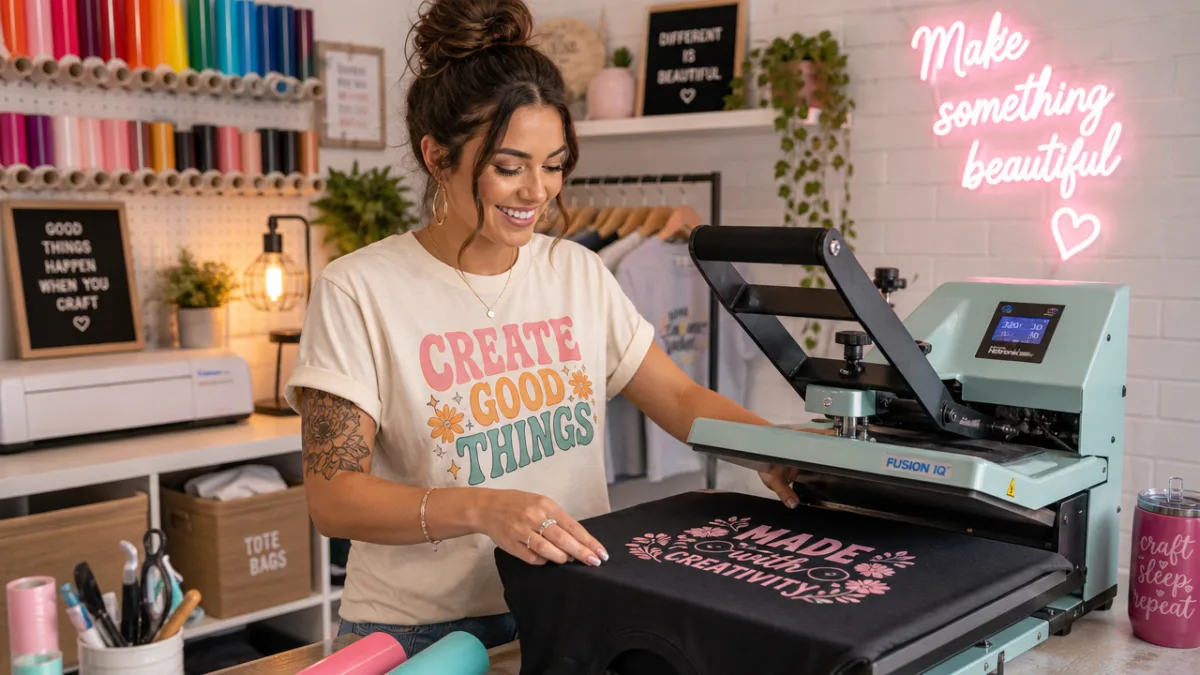
Creating a dedicated crafting space, even a modest one, can significantly enhance both the quality of your work and the therapeutic benefits of your practice. When you have a designated area for your creative activities, you can leave projects in progress without disrupting the rest of your living space, and you can transition more quickly and easily into a crafting session without the friction of setting up and breaking down your equipment each time. Even a small corner of a spare bedroom or a dedicated section of a garage can be transformed into an efficient and inspiring creative studio with thoughtful organization and the right equipment placement.
For sublimation and DTF crafters specifically, there are several key pieces of equipment and supplies worth investing in as your practice grows. A quality heat press with consistent platen pressure and accurate temperature control is perhaps the single most important investment, as inconsistent heat or pressure is the most common cause of failed transfers and wasted materials. Alongside your press, good ventilation is essential since both sublimation and DTF processes produce fumes during pressing that should not be inhaled in an enclosed space. A simple box fan positioned to draw air away from your work area, combined with keeping a window open, provides adequate ventilation for a home studio setup.
Organization systems for your design files are just as important as the physical organization of your studio space. Maintaining a well-structured folder system on your computer — organized by design theme, product type, and file format — saves enormous amounts of time when you are preparing for a busy production day or trying to locate a specific design for a custom order. Many experienced crafters also maintain physical samples of their most popular designs pressed onto fabric swatches, which serve as color reference tools and can be shared with customers to set accurate expectations about the final product’s appearance and texture.
Sourcing Quality Blanks and Materials for Crafter Designs
The quality of your finished products depends not only on your design files and printing technique but significantly on the quality of the blank substrates you choose. For sublimation shirt printing, blanks must contain a minimum of 65% polyester to accept the dye properly, with 100% polyester blanks delivering the most vibrant and saturated color results. Popular blank brands within the crafting community include Bella+Canvas, Gildan, and Next Level for apparel, though it is important to verify the polyester content and sublimation compatibility of any specific style before purchasing in bulk and running production prints.
Pricing your finished products appropriately is a challenge that many new crafter-entrepreneurs struggle with. It is tempting to underprice your work in an effort to compete with mass-produced alternatives, but this approach devalues the skill, creativity, and labor that goes into handcrafted items and makes it difficult to build a sustainable business. A useful pricing formula for custom apparel includes the cost of the blank, the cost of ink and transfer materials, a portion of your equipment amortization, your time at a reasonable hourly rate, and a profit margin that supports business growth. Customers who understand and value handcrafted goods will pay fair prices when the quality and authenticity of the work is clearly communicated.
Staying connected to the broader crafting community through online groups, YouTube channels, and live virtual workshops is one of the most effective ways to continue growing your skills and staying current with new techniques, materials, and technologies. The world of sublimation and DTF printing evolves rapidly, with new ink formulations, transfer films, and heat press innovations emerging regularly. Crafters who invest in their ongoing education consistently produce better work, experience fewer costly mistakes, and find greater satisfaction in their creative practice — reinforcing once again that crafting truly is therapy, not just for the soul, but for the business-minded creative spirit as well.








What do you think?
It is nice to know your opinion. Leave a comment.