










The Joyful World of Crafting Humor: Why Crafters Love to Laugh at Themselves
There is something wonderfully unique about the crafting community and its relationship with humor. Crafters, whether they work with yarn, paper, fabric, glue, or paint, share an almost universal set of experiences that bind them together in laughter. From the notorious yarn stash that somehow keeps multiplying despite promises to stop buying more, to the half-finished projects that gather dust in corners of the craft room, every crafter knows the particular joy and frustration of this beloved hobby. Memes have become one of the most powerful ways the crafting community connects, sharing these relatable moments in a format perfectly suited for a quick laugh between projects.
The rise of platforms like Pinterest has given crafters a dedicated space not just to share tutorials and inspiration, but also to bond over the funnier side of their passion. Collections like Craftaholics Anonymous® “29 Funny Memes for Crafters” have become viral sensations within the community, spreading from one craft room to another through shared pins, reposts, and group chats. These memes capture something deeply true about what it means to be a crafter in the modern age, blending the timeless appeal of handmade creation with the very contemporary language of internet humor.
What makes crafting memes so effective is their precision. They do not just poke fun at crafters in general terms; they zero in on specific, recognizable experiences with laser accuracy. The feeling of buying supplies for a project you will never start, the optimism of thinking a project will take two hours when it actually takes two weeks, the complicated love-hate relationship with a glue gun that burns your fingers every single time — these are shared truths that resonate instantly. When a crafter sees one of these memes, the reaction is not just laughter but recognition, a delighted “that is exactly me” that creates instant community.
The Craft Supply Addiction: A Universally Relatable Struggle
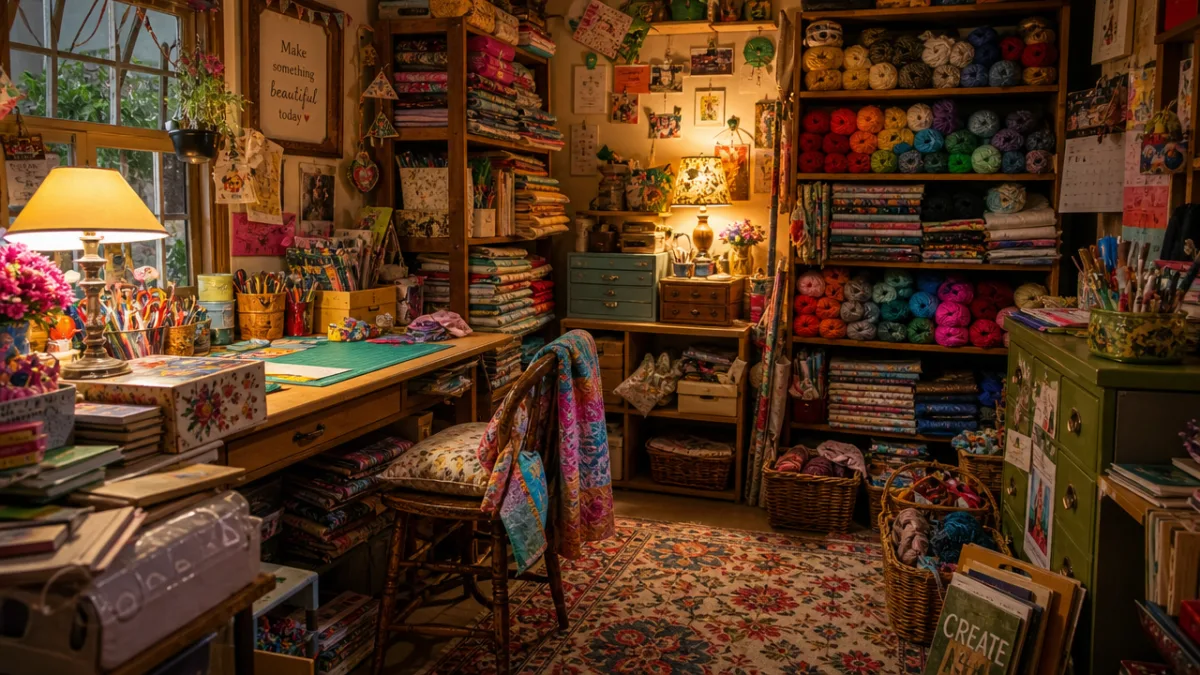
If there is one theme that unites virtually every crafting meme ever created, it is the undeniable, irresistible pull of craft supplies. No crafter, regardless of skill level, budget, or available storage space, is truly immune to the siren call of a new skein of yarn, a gorgeous patterned paper pack, or a set of markers in colors you absolutely do not already own. The humor in this situation arises from the gap between the crafter’s rational awareness that they have more than enough supplies and their complete inability to act on that knowledge when standing in the craft store aisle.
Memes about craft supply hoarding tap into a very specific emotional experience: the momentary guilt followed by the immediate justification. “I might need this color someday.” “This fabric was on sale and it would be irresponsible not to buy it.” “Yes, I have fourteen pairs of scissors, but these ones are special.” Crafters recognize these mental gymnastics instantly because they have performed them personally, often multiple times in a single shopping trip. The self-awareness embedded in these memes is part of what makes them so endearing — crafters are not in denial about their habits; they are simply enthusiastically committed to them.
The craft supply situation creates its own ecosystem of related humor, spawning memes about storage solutions that quickly become overwhelmed, about partners or family members who do not understand why one person needs so much stuff, and about the particular shame-spiral of buying new supplies while a bag of unused supplies from three months ago sits unopened in the corner. These memes often circulate in crafting groups as a form of collective absolution — if everyone does it, it cannot truly be a problem, right? The community aspect of sharing these jokes reinforces the sense that being a “craft supply goblin” is not a flaw but a feature.
The Eternal WIP: Celebrating and Commiserating Over Unfinished Projects
WIP, or Work In Progress, is a term every crafter knows well — perhaps too well. For many, the WIP pile is less a temporary holding space and more a permanent installation in their home. Memes about unfinished projects are among the most widely shared in the crafting community precisely because they speak to an experience that cuts across all crafting disciplines. Whether you knit, sew, scrapbook, or build models, the accumulation of half-finished projects is practically a rite of passage. The humor here comes from the distance between the crafter’s aspirational self — who starts projects with boundless enthusiasm — and the reality of a human being with limited time and an ever-growing list of exciting new ideas.
The psychology of the unfinished project is actually quite fascinating, even as it becomes comedy gold for meme creators. Crafters often start multiple projects at once because different projects serve different moods and occasions. A complex knitting pattern requires focus and quiet; a simple repetitive crochet project is perfect for watching television; a detailed cross-stitch is ideal for lazy weekend afternoons. The problem arises when none of these conditions are met reliably, and projects languish in an in-between state for months or even years. Memes that capture the specific guilt of walking past a project bag you have not touched since last winter resonate deeply because they articulate something crafters feel but rarely say aloud.
There is also a particular brand of humor around the phenomenon of starting a new project before finishing existing ones. Crafters understand this impulse completely — the excitement of a new idea can be overwhelming, making the current project suddenly feel stale or difficult by comparison. Memes that capture this cycle, often featuring dramatic comparisons between the crafter’s intentions and their actual project completion rate, are shared gleefully because they externalize the internal monologue that every crafter has had. The shared laughter is both a confession and a celebration of the creative spirit that makes starting things so irresistible, even when finishing them proves elusive.
Crafting Fails and the Beauty of Creative Disaster
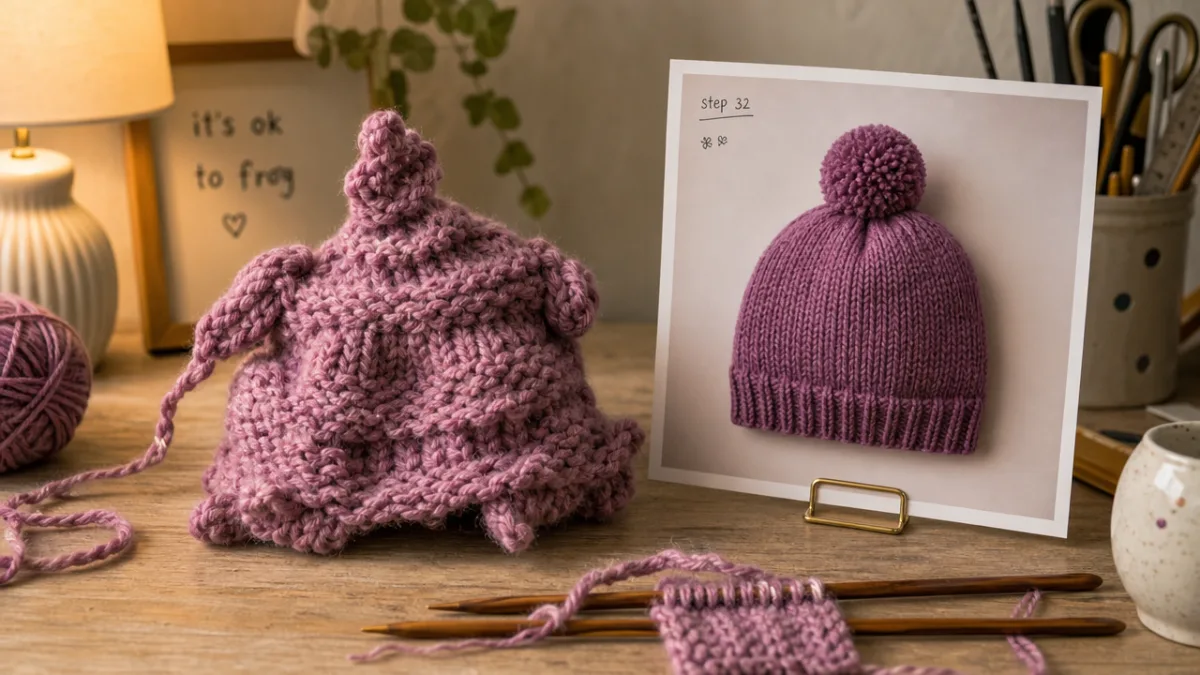
Not every craft project turns out the way the tutorial promised. In fact, one of the great unspoken truths of the crafting world is that the gap between the inspiration photo and the finished result can be, shall we say, substantial. Crafting fail memes have become their own beloved genre within the broader landscape of crafting humor, celebrating the moments when ambition outpaces skill, when instructions turned out to be less clear than they appeared, or when the hot glue gun had its own creative vision that did not align with the crafter’s plan. These memes serve an important function beyond just getting a laugh — they normalize imperfection and make the crafting space feel more welcoming to beginners who fear failure.
The specific disasters that crafters encounter are wonderfully varied, which keeps the meme genre fresh. There are the ambitious cake-decorating attempts that somehow produce something that looks more alarming than celebratory. There are the sewing projects where following the pattern to the letter still somehow results in a garment that fits no human body shape known to science. There are the resin projects that cure with dozens of bubbles despite every precaution, and the tie-dye experiments that produce a color somewhere between “muddy purple” and “regret.” Each of these failures, while frustrating in the moment, becomes material — something to laugh about, share, and ultimately learn from.
What is particularly heartwarming about the crafting fail meme tradition is the way the community responds. Rather than mockery, the reaction in crafting groups is almost universally one of recognition and encouragement. “I did the exact same thing with my first attempt!” and “The important thing is you tried!” are typical responses, suggesting that crafting fails create connection rather than shame. The memes themselves often frame the fail not as a defeat but as evidence of effort and creativity, which reflects something genuinely beautiful about the crafting community’s values. Trying something, even imperfectly, is celebrated. The failed project is a badge of honor, not a source of embarrassment.
Common Crafting Fails That Every Maker Recognizes
While every crafter’s disaster is unique, certain categories of fail appear so frequently in meme collections that they have achieved almost legendary status within the community. Recognizing these familiar catastrophes is itself a source of delight, confirming that no crafter is alone in their particular struggles.
- The hot glue gun burn — despite knowing it will happen, somehow it always happens again, usually within the first five minutes of a project
- The yarn tangle that somehow tightened into an impenetrable knot during the thirty seconds you looked away from it
- Cutting fabric on the wrong grain line and only realizing this critical error after sewing the entire piece together
- The acrylic pour painting that looks incredible while wet and transforms into something mystifying as it dries
- Forgetting to seal a project before the rain hits, resulting in hours of work dissolving in real time
- The decoupage project that lifted and bubbled despite meticulous application technique
The Language of Crafting: Inside Jokes That Only Makers Understand
One of the reasons crafting memes work so well is that crafters have developed their own rich vocabulary and set of insider references that function almost like a secret language. Terms like “frogging” in knitting (which means to unravel your work — you “rip it, rip it,” like a frog), “enabling” in crafting communities (which refers to encouraging fellow crafters to buy things they definitely do not need), and “the stash” as a proper noun referring to one’s collection of supplies — these terms carry enormous emotional weight for practitioners and are completely opaque to outsiders. Memes built around this language create an immediate sense of belonging for those who understand the reference.
This specialized language extends beyond terminology into shared cultural references that resonate specifically within crafting communities. The ongoing joke about how non-crafters always ask “Can you make me one?” without any understanding of the time, skill, and materials involved. The universal experience of being told that homemade gifts “don’t count” as real gifts, which lands like a particular kind of insult to someone who spent forty hours on a hand-knitted sweater. The way that purchasing patterns, which is to say buying the instructions for making something rather than the thing itself, is completely baffling to anyone outside the hobby. These shared cultural touchstones become the raw material for memes that hit perfectly for crafters while leaving non-crafters mildly confused.
The inside-joke quality of crafting memes also reinforces community identity in a meaningful way. When you share a meme about frogging your knitting project and your crafting friends immediately respond with empathy and laughter while your non-crafting friends scroll past in bewilderment, it creates a micro-community experience. You and your fellow crafters are speaking a language together, understanding each other in a way that feels genuine and specific. This is one reason why meme collections targeted at specific hobbyist communities, like the Craftaholics Anonymous collection, tend to be so enthusiastically shared — they are not generic humor but deeply specific, community-built comedy that confirms membership in a group worth belonging to.
Crafting Terms That Make Perfect Meme Material
The specialized vocabulary of the crafting world provides endless fodder for humor precisely because many terms sound absurd when explained to the uninitiated, while being completely logical and meaningful within the community context.
- Frogging — the act of unraveling knitting or crochet work, named for the sound “rip it, rip it”
- Enabling — enthusiastically encouraging another crafter to make a purchase they are hesitating over, considered a community service
- Stash enhancement — the polite term for buying more supplies when you already have too many
- UFO (Unfinished Object) — a project that has been abandoned, possibly permanently, possibly just temporarily for the next decade
- Yarn chicken — the terrifying gamble of whether your remaining yarn will last until the end of a project
- Destash — the theoretical process of reducing your supply collection, which often results in buying more supplies while organizing the old ones
Why Crafting Memes Matter: Community, Connection, and Creative Joy
It would be easy to dismiss crafting memes as lightweight entertainment — a quick laugh between projects, shared in a group chat and forgotten by the next day. But the cultural role these memes play within the crafting community is actually more significant than it might first appear. In a hobby that is often solitary by nature, humor functions as a connective tissue, creating shared experiences and building community across geographical distances. A crafter in Minnesota and a crafter in New Zealand can both see the same meme about their yarn stash and feel an immediate sense of kinship. This is the democratizing power of internet humor, and crafting memes use it to build something genuinely warm and inclusive.
Crafting memes also serve a quietly important psychological function by validating experiences that crafters might otherwise feel quietly ashamed of. The overstuffed supply closet, the project graveyard, the optimistic time estimates that never quite come true — these are things many crafters feel vaguely guilty about, especially when non-crafters in their lives use them as punchlines. Seeing these same experiences celebrated and laughed at within the community reframes them entirely. They are not signs of failure or lack of discipline; they are the completely normal, universally shared reality of being a person who loves making things. The meme says: you are not alone in this, and it is actually kind of wonderful.
Beyond individual validation, crafting memes contribute to the broader project of normalizing and celebrating craft as a serious, valuable pursuit. There is a long history of handmade work being dismissed as a lesser activity — “just a hobby,” something for idle hands, not real art or real work. The playful self-awareness of crafting humor actually pushes back against this dismissal in a subtle but effective way. By laughing at themselves, crafters demonstrate confidence and ownership of their identity. The humor says: we know our hobby is a little obsessive, a little messy, and occasionally completely chaotic, and we would not have it any other way. That kind of joyful, unapologetic enthusiasm for one’s creative passion is worth celebrating, one shareable meme at a time.
What Makes a Great Crafting Meme
Not all crafting memes are created equal. The ones that achieve widespread sharing tend to share certain qualities that make them particularly effective at capturing the community’s collective experience.
- Specificity — the best crafting memes identify a very precise moment or feeling, not a general one, making the recognition hit harder and faster
- Universality within specificity — while the detail is precise, the underlying experience must be broadly shared across different crafting disciplines so it reaches the widest possible audience
- The right tone of affectionate self-deprecation — the humor works because it is crafters laughing with each other, not at each other, and never with contempt for the hobby itself
- Visual execution that matches the joke — the image chosen must complement and amplify the text, creating a unified comedic effect rather than two elements competing with each other
- Timeliness — the best memes often tap into a moment or trend that feels culturally current, giving them an additional layer of relevance beyond the crafting community itself
The enduring popularity of collections like Craftaholics Anonymous® “29 Funny Memes for Crafters” on Pinterest speaks to how well these principles come together when crafting humor is done right. These are not throwaway jokes but carefully observed, lovingly rendered portraits of a community’s shared life. They capture something true about what it means to love making things — the joy and the frustration, the ambition and the chaos, the endless supplies and the never-quite-finished projects — and they do it with the affection and precision that only comes from people who truly understand the culture from the inside. In celebrating the funnier aspects of their craft, these memes ultimately celebrate the craft itself, and the remarkable, creative, endlessly enthusiastic people who practice it.








What do you think?
It is nice to know your opinion. Leave a comment.