










The Secret to Making High-Quality Candles with Stearic Acid
What Is Stearic Acid and Why Does It Matter for Candle Making?
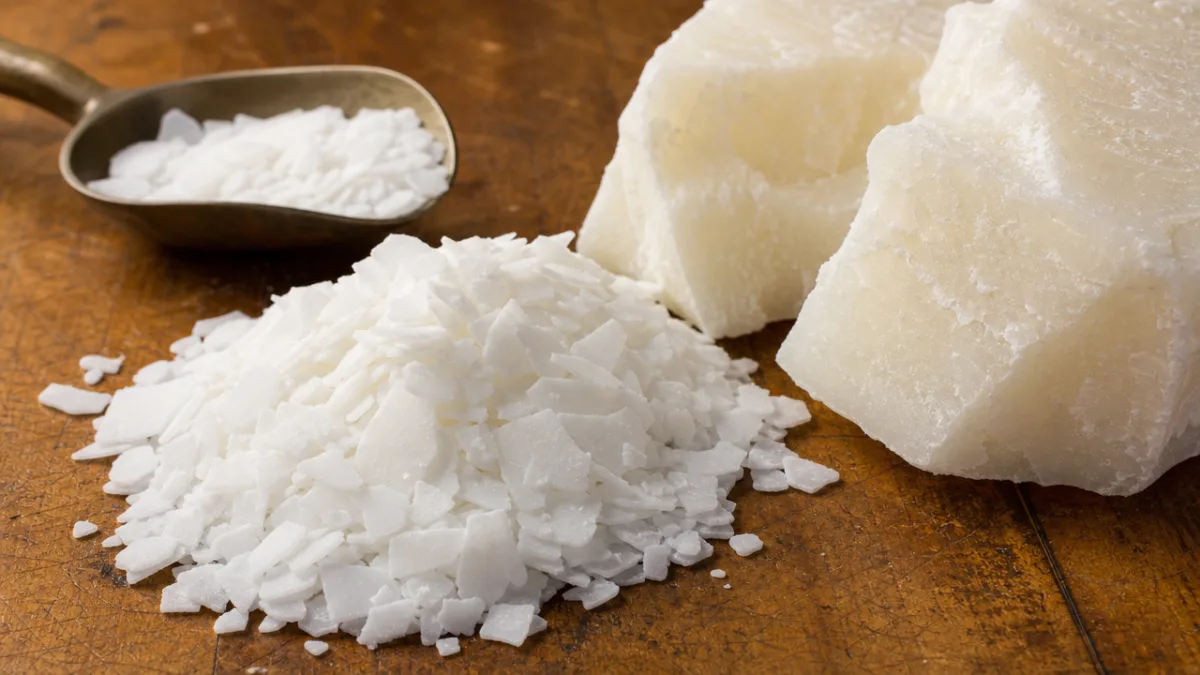
Stearic acid is a naturally occurring saturated fatty acid that comes mainly from animal fats and vegetable oils — palm oil and tallow being the most common sources. In solid form, it looks like a white, waxy powder or flakes and has a faint waxy smell. Candle makers have been reaching for it for well over a century, and honestly, it’s not hard to see why. Whether you’re a weekend hobbyist or a professional chandler, it’s one of those ingredients that can genuinely take your candles to the next level.
What makes it so useful is how dramatically it changes the physical properties of wax. Blend it into paraffin, soy, or just about any other base wax, and it raises the melting point of the whole mixture — giving you a harder, more durable candle that holds its shape even when the room gets warm. Without it, softer waxes in particular tend to droop, develop surface flaws, or burn through way too fast.
On top of the hardness factor, stearic acid gives candles that creamy, opaque white look that people instinctively associate with quality. It also helps lock in fragrance, so your candles smell great right out of the mold and keep releasing scent throughout their entire burn life. Getting a handle on this one ingredient really is the foundation for making candles that look, feel, and perform like the real deal.
The Science Behind Stearic Acid’s Effect on Wax
If you want to get the most out of stearic acid, it helps to understand what it’s actually doing inside your wax. It’s an 18-carbon chain fatty acid, which means its molecules are long and fairly uniform. When you add it to molten wax, those molecules work their way into the wax’s crystal structure as everything cools down. The result is a denser, more tightly packed lattice — which is exactly why the finished candle feels so much harder and more solid than one made from plain wax.
That higher melting point isn’t just about looks, either. It has real practical consequences for how a candle burns. A higher melting point means a smaller melt pool forms at first, which slows down how quickly the candle consumes fuel and extends the total burn time. For pillar candles and other freestanding styles, this matters a lot — a pillar that collapses under its own heat mid-burn isn’t just frustrating, it’s a safety issue.
Stearic acid also plays nicely with fragrance oils and dyes. Because it helps create a more stable, uniform wax structure, those additives disperse more evenly instead of migrating or pooling in certain spots. You get more consistent scent throw and more even color from top to bottom. If repeatability and quality control matter to you — and they should — that consistency alone is a pretty compelling reason to start using it.
How to Use Stearic Acid in Your Candle Recipes
Adding stearic acid to your process is pretty simple, but getting the ratio right makes a big difference. Most makers work somewhere between 5% and 15% of total wax weight, depending on the candle type and what you’re going for. Starting at 10% is a solid middle ground for most situations — you’ll see real improvements in hardness and opacity without throwing off your burn performance or scent throw.
The method itself is straightforward. Melt your base wax in a double boiler or wax melting pitcher as you normally would, bringing it up to the manufacturer’s recommended pouring temperature. Then add your measured stearic acid flakes or powder and stir gently but thoroughly until it’s fully dissolved. Stearic acid melts around 69°C (156°F), so it blends in easily without needing unusually high temperatures — which is great news for protecting your fragrance compounds.
There are a few things worth keeping in mind depending on which wax you’re working with. Here are some general guidelines:
- For paraffin wax, use 10–15% stearic acid to significantly increase hardness and opacity, ideal for pillar and votive candles.
- For soy wax, use a lower rate of 5–8%, as too much stearic acid can interfere with soy’s natural soft texture and may cause frosting.
- For blended waxes, experiment in small test batches starting at 5% before scaling up your recipe.
- Always weigh stearic acid by mass rather than volume, as its density can vary between flake and powder forms.
- Add stearic acid before fragrance and dye to ensure even distribution throughout the wax blend.
Test batches are genuinely your best friend here. Pour a few small trial candles, let them cure for 48 to 72 hours, and then take a good look at the surface, hardness, scent throw, and burn behavior before you commit to a full run. Keep detailed notes on your proportions and results — it takes some of the guesswork out of refining your formula and makes it much easier to reproduce a recipe that’s working well.
Improving Candle Aesthetics with Stearic Acid
One of the first things you’ll notice when you start using stearic acid is how much better your candles look coming out of the mold. Untreated paraffin and soy wax are both prone to all kinds of surface headaches — sinkholes, wet spots, rough tops, frosting. Stearic acid helps with most of these by encouraging a slower, more even cooling process, so you end up with smooth, opaque, properly finished surfaces without nearly as much fuss.
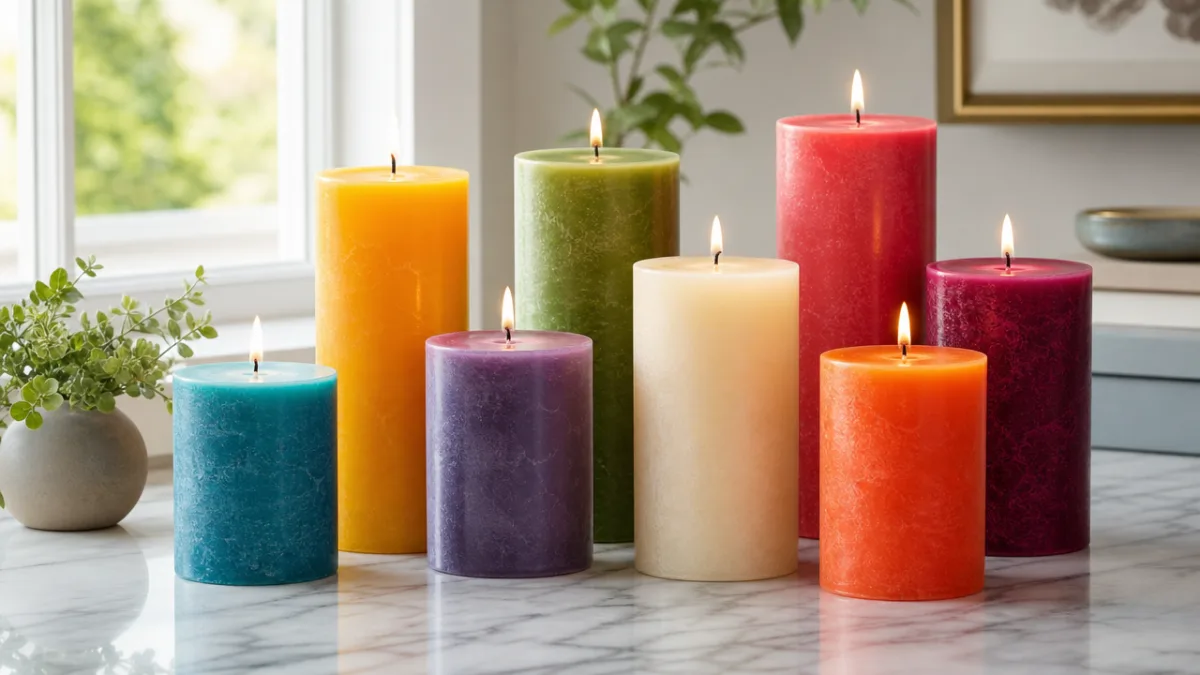
That opacity is especially valuable for pillar candles, where the candle itself is the star of the show rather than the vessel holding it. Pure paraffin can look a bit translucent or glassy, which doesn’t always suit the rustic, artisan, or classic looks that many makers are going for. Bump the stearic acid up to 10–15% and you get a dense, matte, creamy white finish that photographs well, holds dye colors more richly, and just looks more premium on a shelf or at a market table.
Color really does come alive with stearic acid in the mix, too. Dyes can look muted or patchy in waxes that stay a bit translucent, but with the more opaque base that stearic acid creates, colors pop with noticeably more vibrancy. Pastels come out softer and more refined, deeper tones look richer and more saturated. If you’ve ever been let down by how a candle color looked once it solidified versus how it looked in the pot, this might be exactly what’s been missing from your recipe.
Sourcing, Storing, and Sustainability Considerations
Stearic acid is easy to find — candle supply companies, soap making suppliers, and chemical wholesalers all carry it. It usually comes as either a fine white powder or larger flakes, and both work well in candle making. Flakes tend to be a bit easier to measure and don’t kick up dust the way powder can. Whatever form you go with, look for cosmetic or candle-grade stearic acid with a purity of 95% or higher to keep your results consistent and avoid any unwanted impurities sneaking into your wax blend.
Storing it is simple. Stearic acid is a stable, saturated fat, so it keeps well — typically one to two years if you store it properly. Keep it sealed, away from direct sunlight, moisture, and strong smells. That last point matters more than you might expect: stearic acid can absorb ambient odors over time, which could subtly mess with the fragrance in your finished candles. A cool, dry pantry or supply cabinet works perfectly. Just don’t store it next to your fragrance oils or cleaning products.
If you care about where your ingredients come from — and more and more makers do — it’s worth thinking about the sourcing side of stearic acid. Palm-derived stearic acid raises real concerns around deforestation and habitat loss. A lot of suppliers now offer RSPO-certified palm stearic acid, which comes with guidelines aimed at reducing environmental harm. Tallow-derived stearic acid is another option — it’s a byproduct of the meat industry, so it has a certain upcycling argument going for it. And plant-based alternatives from non-palm vegetable oils are becoming more available too, so there are more ethical choices on the market than there used to be.
Troubleshooting Common Issues When Using Stearic Acid
Even seasoned candle makers run into hiccups when they start working with a new ingredient, and stearic acid is no different. One of the most common problems is over-hardening — using too high a percentage can make your candles brittle and prone to cracking, especially when they go through temperature swings during shipping or storage. If you’re seeing hairline cracks or your candles feel unusually rigid, try pulling your stearic acid percentage back by 2–3% in your next batch and see how that changes things.
Another issue that comes up is poor adhesion in container candles. There’s a reason stearic acid is mostly recommended for pillars, votives, and molded candles — in container candles, the harder wax tends to pull away from the glass or tin as it cools and contracts, leaving air gaps along the sides. If you really want to try it in a container candle, keep the rate very low (no more than 5%) and honestly, you might also want to consider whether vybar or coconut oil would be a better fit for that application.
Wick performance is another thing to keep an eye on. Because your wax blend is now harder and has a higher melting point, your wick has to work harder to draw fuel up through the melt pool. That often means you’ll need to size up — sometimes by one wick size, sometimes two — compared to what you’d use in the same diameter candle without stearic acid. Always do a full burn test with your updated recipe before selling or gifting anything. Watch for mushrooming, tunneling, excessive sooting, or flames that are too high or too low — those are all signs that your wick sizing needs another look.

Elevating Your Candle Business with Stearic Acid
For makers who sell their candles, stearic acid isn’t just a nice-to-have — it’s a genuine competitive edge. Customers shopping handmade candles at craft fairs, on Etsy, or in boutique shops tend to be pretty discerning. They can feel the difference between a well-made candle and a mediocre one before they even light it. A candle that feels solid and weighty, looks smooth and creamy, burns evenly, and throws fragrance the way it should — that’s the kind of candle that brings people back and gets talked about.
It also opens up your product range in meaningful ways. Pillar candles are notoriously tricky to make consistently well, but stearic acid makes them a lot more achievable. The same goes for shaped and molded candles — flowers, geometric forms, novelty designs — all of which require a wax that holds fine detail and doesn’t soften and slump. Getting into those product categories can bring in new revenue and give your brand a point of difference from makers who play it safe with container candles exclusively.
Cost-wise, stearic acid is one of the more economical additions you can make to your production process. You’re only using it in small proportions relative to your total wax, so even a kilogram or two goes a long way. And because it improves burn time, appearance, and fragrance performance all at once, it gives you a solid justification for pricing your candles a little higher — which improves your margins without a matching jump in materials cost. Measured against what it delivers, the return on investment is hard to argue with.
Ultimately, really getting the hang of stearic acid is about more than just following a formula. It’s about developing a feel for how your ingredients work together, noticing how small tweaks affect the end result, and using that knowledge to make candles that consistently land well with your customers. With some practice, careful testing, and a willingness to keep refining, stearic acid can become one of the most dependable tools in your entire process — the quiet ingredient behind every candle that makes someone pick it up, smell it, and wonder how you make them so good.








What do you think?
It is nice to know your opinion. Leave a comment.