










Ceanothus thyrsiflorus repens: The Complete Guide to Californian Lilac
Introduction to Ceanothus thyrsiflorus repens
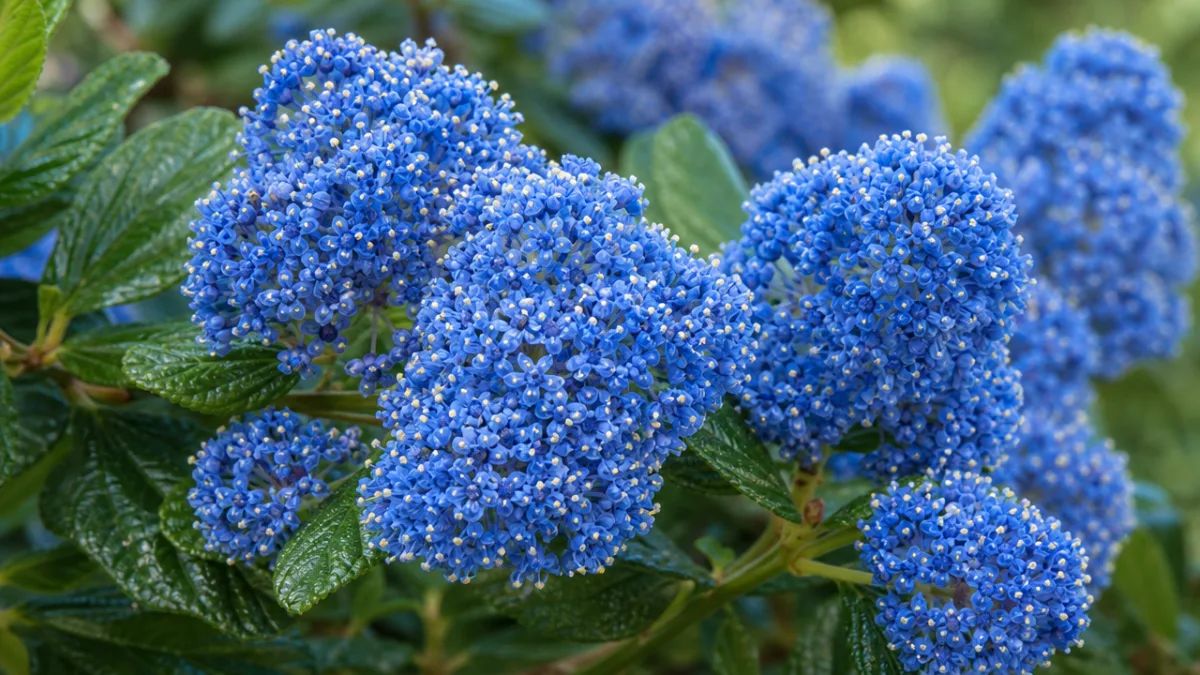
Ceanothus thyrsiflorus repens, commonly known as the Creeping Californian Lilac, is one of the most spectacular and rewarding flowering shrubs available to gardeners in temperate climates. This prostrate, spreading form of the wild lilac native to the coastal ranges of California has captured the hearts of horticulturalists and home gardeners alike for generations. Its breathtaking display of vivid blue to lavender flower clusters in late spring makes it an unforgettable presence in any garden setting, whether used as a ground cover, a cascading specimen over a wall, or a statement plant in a mixed border.
Unlike its more upright relatives, the repens variety grows in a low, mounding habit that rarely exceeds one metre in height while spreading generously up to two metres wide. This makes it a supremely versatile choice for gardens where space is a consideration but impact is not to be compromised. The glossy, dark green leaves provide year-round structure and evergreen interest, ensuring that even when not in flower, the plant remains an attractive and valuable component of the garden landscape. Its compact yet spreading form gives it a natural, relaxed elegance that suits both formal and informal planting schemes with equal aplomb.
The plant holds the prestigious Royal Horticultural Society Award of Garden Merit, a mark of quality and reliability that gives gardeners confidence in its performance across a wide range of conditions. This recognition reflects not only its extraordinary floral beauty but also its resilience, ease of cultivation, and long-term garden value. Whether you are an experienced plantsperson or a beginner looking for a plant that will deliver maximum reward for minimum effort, Ceanothus thyrsiflorus repens represents an outstanding choice deserving of serious consideration in any planting plan.
Origin, Habitat and Botanical Background
Ceanothus thyrsiflorus is native to the coastal scrub and chaparral communities of California and southwestern Oregon, where it grows wild along cliffs, hillsides, and the edges of woodland from sea level up to moderate elevations. The species name thyrsiflorus refers to the thyrsoid or clustered nature of its flower arrangement, a botanical term describing the dense, branched panicles that erupt in such profusion each spring. The variety repens is a naturally occurring low-growing form that has been selected and cultivated for its particularly prostrate habit, making it ideally suited to gardens where the more vigorous upright species would prove unmanageable.
In its native habitat, Ceanothus plays a vital ecological role, often colonising disturbed ground and acting as an important pioneer species in plant communities recovering from wildfire or erosion. The plant has an extraordinary ability to fix atmospheric nitrogen through symbiotic bacteria housed in root nodules, enriching the soil around it and benefiting neighbouring plants. This nitrogen-fixing capacity is one of the reasons that Ceanothus thrives in poor, well-drained soils where other shrubs might struggle, and it explains why adding excessive fertiliser is not only unnecessary but potentially harmful to its performance and longevity.
The genus Ceanothus belongs to the buckthorn family, Rhamnaceae, and contains around fifty to sixty species, the vast majority of which are native to North America, with the greatest concentration found in California. The Californian species in particular have given rise to a remarkable array of garden cultivars valued for their flower colour, habit, and adaptability. Ceanothus thyrsiflorus repens stands among the most widely grown of these, appreciated across the United Kingdom, Europe, Australia, and New Zealand wherever mild maritime climates prevail and gardeners seek plants with genuine wow factor combined with practical versatility.

Growing Conditions and Site Requirements
Achieving success with Ceanothus thyrsiflorus repens begins with selecting the right position in the garden, as this plant has clear preferences that, when respected, result in years of spectacular performance. It demands a sunny or very lightly shaded aspect, ideally receiving at least six hours of direct sunlight per day. A south or southwest-facing border or bank is ideal in the United Kingdom and similarly mild temperate climates. The plant is notably wind-tolerant once established, which makes it an excellent candidate for coastal gardens where salt-laden breezes might damage less resilient shrubs, though some shelter during the first winter after planting will help young specimens establish more confidently.
Soil type is arguably the most critical factor in the cultivation of Ceanothus. These plants are unequivocally intolerant of waterlogged or heavy clay soils, which lead almost inevitably to root rot and the premature death of the plant. They thrive in free-draining, light to medium soils that may even be quite poor in nutrients. Sandy loams, chalky soils, and even gravelly substrates suit them admirably, provided drainage is sharp. If your garden soil is heavy, the single most important improvement you can make before planting is to incorporate generous quantities of horticultural grit, coarse sand, or fine gravel to open up the structure and ensure that water moves freely through the root zone at all times.
In terms of pH, Ceanothus thyrsiflorus repens is broadly tolerant, performing well in neutral to slightly alkaline conditions and even managing reasonably on mildly acidic soils, though it is not suited to strongly acid conditions. One of the plant’s greatest assets for the modern gardener is its drought tolerance once established. After the first growing season, during which regular watering is essential to help the root system develop, mature specimens are remarkably self-sufficient and will withstand extended dry periods without showing significant distress. This characteristic makes the plant an excellent choice for gardens where water conservation is a priority or in regions subject to summer drought.
Planting, Establishment and Initial Care
The optimal time to plant Ceanothus thyrsiflorus repens is during spring or early autumn, when soil temperatures remain warm enough to encourage root development without the plant having to contend simultaneously with the stresses of flowering or severe cold. Container-grown plants, which are the most commonly available form and the type referred to in the large plant designation of many nursery offerings, can technically be planted at almost any time of year, but avoiding the extremes of midsummer heat and midwinter frost gives the best results. Before planting, water the container thoroughly and allow it to drain, ensuring the root ball is fully hydrated before it goes into the ground.
Dig a planting hole that is at least twice the width of the container and of the same depth, ensuring that the plant sits at exactly the same level as it was growing in its pot. Planting too deeply is a common mistake that can compromise drainage around the crown and invite fungal problems. Backfill with the excavated soil, incorporating grit if necessary for drainage improvement, but resist the temptation to add compost or fertiliser to the planting hole, as enriching the soil can actually encourage lush, soft growth that is more susceptible to frost damage and less conducive to the development of a robust, drought-resistant root system.
After planting, water in well and then apply a generous layer of gravel or grit mulch around the base of the plant, keeping it clear of the main stems. This gravel mulch serves multiple purposes: it helps retain soil moisture during establishment, suppresses weed competition, reflects warmth back onto the plant from below, and crucially improves drainage immediately around the crown, which is particularly vulnerable to rot during wet winters. In the first growing season, water regularly during dry spells, gradually reducing frequency as the plant establishes. By the second year, supplementary watering should rarely be necessary except during prolonged drought.
Pruning, Maintenance and Long-Term Care
One of the most frequently asked questions about Ceanothus concerns pruning, and it is an area where a degree of caution is warranted. Unlike many flowering shrubs that respond vigorously to hard pruning, Ceanothus does not regenerate readily from old, bare wood, meaning that cutting back into mature stems often results in dead stumps rather than the vigorous regrowth gardeners might hope for. For this reason, pruning should always be carried out with restraint and careful observation of where live growth is present. The golden rule is to prune only into growth that is clearly green and actively growing, never into bare brown wood.
The best time to prune Ceanothus thyrsiflorus repens is immediately after flowering in late spring or early summer, which gives the plant the entire growing season to produce new shoots that will carry the following year’s flower buds. Light pruning at this time to remove dead flower heads and tidy any wayward or damaged shoots is all that is usually required to maintain an attractive, compact shape. If the plant has become somewhat spreading or untidy over the years, more significant trimming back of the current season’s growth can be undertaken, but always leaving plenty of leafy growth in place. Avoid pruning in autumn or winter, as this can stimulate new growth vulnerable to frost damage.
Beyond pruning, Ceanothus thyrsiflorus repens is a remarkably low-maintenance plant. Feeding is generally unnecessary and can be counterproductive, as mentioned previously in relation to the plant’s nitrogen-fixing capabilities. In particularly sandy or nutrient-poor soils, a light application of a balanced, slow-release fertiliser in spring may be beneficial, but this should be applied sparingly. The gravel mulch applied at planting time can be refreshed annually if desired. Keep an eye out for signs of scale insects, which can occasionally colonise the stems and weaken the plant, and treat promptly with an appropriate horticultural oil if detected. Otherwise, Ceanothus is generally healthy and trouble-free.
Landscape Uses and Garden Design Applications
The design versatility of Ceanothus thyrsiflorus repens is one of its most compelling attributes, and creative gardeners have found innumerable ways to employ this magnificent plant to great effect. Perhaps its most classic use is as a cascading specimen planted at the top of a retaining wall or raised bed, where its spreading branches can tumble gracefully downward, creating a waterfall of blue blossom in late spring that is truly one of the great sights of the garden year. In this setting, the contrast of vivid blue flowers against the warm tones of brick, stone, or rendered concrete is particularly striking and photogenic.
As a ground cover on slopes and banks, Ceanothus thyrsiflorus repens excels both aesthetically and functionally. Its dense, spreading habit suppresses weed growth effectively, while its root system helps bind and stabilise loose or erosion-prone soil, making it a practical as well as beautiful solution for difficult sloping sites. On sunny banks where grass is difficult to establish or mow, a planting of Ceanothus can transform a problem area into a feature of genuine garden interest. Combined with other drought-tolerant, sun-loving plants such as cistus, rosemary, lavender, and ornamental grasses, it contributes to dynamic, naturalistic plantings with a distinctly Mediterranean or Californian character.
In the mixed shrub border, a large specimen of Ceanothus thyrsiflorus repens makes a bold and memorable statement, particularly when positioned to allow its mounding form to be appreciated from multiple angles. It combines beautifully with plants that share its preference for well-drained, sunny conditions, including euphorbias, sedums, phlomis, and salvias. For wildlife gardeners, it is worth noting that Ceanothus is an excellent plant for supporting biodiversity, attracting significant numbers of bees and other pollinators to its nectar-rich flowers, and providing dense, sheltered evergreen cover that birds and small mammals can use for nesting and refuge throughout the year.

Hardiness, Winter Performance and Climate Considerations
Understanding the hardiness of Ceanothus thyrsiflorus repens is essential to determining whether it is a suitable choice for your garden and how to manage it through the colder months. In general, this species and its varieties are considered moderately hardy, tolerating temperatures down to approximately minus ten degrees Celsius when conditions are otherwise favourable, meaning well-drained soil and a sheltered position. In the United Kingdom, this makes it a reliable garden plant across much of England, Wales, and coastal Scotland and Ireland, though in colder inland areas or regions subject to prolonged, severe frost, some protection during the first few winters of establishment is advisable.
The greatest threat to Ceanothus in cold climates is not necessarily low temperature alone but the combination of cold, wet, and wind. A plant sitting in waterlogged soil through a cold winter is far more likely to suffer root damage or collar rot than one in sharp drainage, even if temperatures are lower. For this reason, site selection and soil preparation, as described in earlier sections, are the most important precautions a gardener can take against winter losses. In particularly exposed gardens, temporary fleece protection during hard frosts in the first two or three years after planting can make the difference between survival and loss, and is well worth the small effort involved.
In warmer, drier climates such as those found in Mediterranean regions, parts of Australia, New Zealand, and the western United States, Ceanothus thyrsiflorus repens performs with particular vigour and longevity. In these settings, the key considerations shift from cold hardiness to ensuring adequate drainage and avoiding overwatering, which remains the primary cause of failure in any climate. Gardeners in very hot, humid climates may find that the plant struggles with fungal issues or fails to thrive, as its natural habitat is characterised by warm, dry summers rather than the humid heat of subtropical or tropical regions. In such cases, providing excellent air circulation and avoiding any overhead irrigation will help maximise its chances of success.
Propagation and Availability
For gardeners interested in propagating their own Ceanothus thyrsiflorus repens, semi-ripe cuttings taken in late summer offer the most reliable method of vegetative increase. Select healthy, non-flowering shoots of the current season’s growth, around eight to ten centimetres in length, and remove the lower leaves before dipping the cut end in hormone rooting powder or gel. Insert cuttings into a well-drained propagating mix of equal parts perlite and compost, then place in a cold frame or unheated propagator to maintain humidity while the cuttings root. With patience, rooting typically occurs within six to ten weeks, after which young plants can be potted on and grown in a protected environment through their first winter before planting out the following spring.
It is also possible to propagate Ceanothus from seed, though named varieties and cultivars will not come true from seed and the resulting plants may vary considerably from the parent. Seed propagation is therefore most appropriate when working with the straight species rather than selected garden forms. Seeds require a period of cold stratification to break dormancy, which can be achieved by mixing them with moist sand and refrigerating for six to eight weeks before sowing in spring. Germination can be slow and erratic, and the resulting seedlings will require careful management through their vulnerable early stages, making vegetative propagation generally preferable for garden purposes.
In terms of commercial availability, Ceanothus thyrsiflorus repens is widely stocked by specialist nurseries, garden centres, and online plant retailers across the United Kingdom and other temperate regions where it is well suited. The designation of a plant as a large specimen, as referenced in the pin title, is particularly significant when purchasing Ceanothus, as larger, more established plants have a considerably better chance of successful establishment than small, underdeveloped specimens, and they will provide meaningful garden impact far sooner after planting. Investing in a large, well-grown plant from a reputable nursery is therefore strongly recommended and represents excellent value over the longer term, given the plant’s potential lifespan of fifteen to twenty years or more in a suitable position.








What do you think?
It is nice to know your opinion. Leave a comment.