










The Nostalgic Charm of Home Interiors Baked Apple Pie Jar Candles: A Collector’s Deep Dive
A Brief History of Home Interiors and Their Iconic Candle Line
Home Interiors and Gifts, commonly known simply as Home Interiors, was a direct-sales home décor company founded in 1957 by Mary Crowley in Dallas, Texas. For decades, the company built an empire on the idea that every home deserved beautiful, affordable decorations, sold through a network of independent consultants who hosted in-home parties. At its peak, Home Interiors boasted hundreds of thousands of consultants across the United States and Mexico, making it one of the most recognizable names in American domestic décor culture. The brand became deeply embedded in the fabric of suburban life throughout the latter half of the twentieth century.
Among the many product lines that Home Interiors offered over the years, their candle collection stood out as a customer favorite that transcended simple home fragrance. These candles were crafted with careful attention to scent development, and the company invested significantly in creating signature fragrances that customers would recognize and return to again and again. The Baked Apple Pie scent, in particular, became one of the most beloved offerings in the entire lineup, evoking warmth, comfort, and the unmistakable aroma of a freshly baked dessert emerging from a kitchen oven on a cool autumn afternoon.
Home Interiors ceased operations in the United States in 2008 after filing for bankruptcy, leaving behind a devoted following of collectors and enthusiasts who treasured the brand’s products. The company’s Mexican operations continued under a reorganized structure, but the original American product line was discontinued, instantly transforming every remaining piece of inventory into a collectible. Items that had once been everyday home accessories became sought-after artifacts of a particular era of American domestic life, with candles like the Baked Apple Pie jar variety becoming especially prized among those who remembered the scent fondly from their own homes or the homes of family members.
The Baked Apple Pie Scent Profile: What Made It So Special
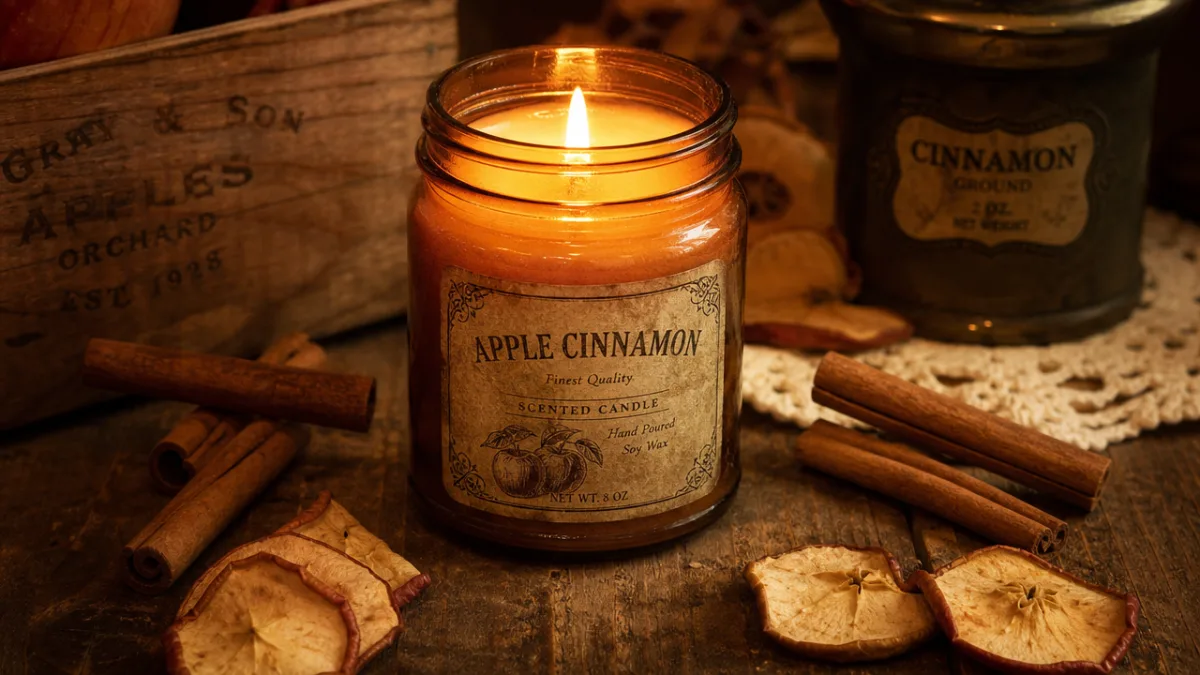
The Baked Apple Pie fragrance from Home Interiors was not simply an apple-scented candle — it was a sophisticated, layered olfactory experience designed to replicate the full sensory environment of a kitchen during the baking process. The top notes opened with a bright, slightly tart apple aroma that immediately signaled freshness, reminiscent of a crisp autumn apple just pulled from the tree. This was carefully balanced with subtle undertones of cinnamon and nutmeg, the warming spices that define the classic American apple pie recipe and give it that unmistakable holiday-adjacent quality.
As the fragrance settled, middle notes of brown sugar and buttery pastry emerged, rounding out the apple and spice combination with a sweetness that felt genuinely baked rather than artificially sweet. This is a distinction that fragrance enthusiasts and candle collectors often emphasize when discussing what separated the Home Interiors Baked Apple Pie candle from the many apple-scented candles that have flooded the market since. The pastry accord in the fragrance gave it a depth and authenticity that made it feel like a genuine culinary scent rather than a simple single-note fruit fragrance, and it is this complexity that collectors still celebrate decades later.
The base notes of the fragrance included warm vanilla and a subtle woody undertone that grounded the entire composition and gave the candle remarkable staying power. When the candle was burning, the scent throw — the term candle enthusiasts use to describe how effectively a fragrance fills a room — was considered exceptional for its time. Even more remarkably, collectors who have acquired never-lit examples of this retired scent report that the cold throw, meaning the fragrance detectable simply from the unburned candle, remains impressively robust even years after the product was manufactured, a testament to the quality of the fragrance oils Home Interiors used in their candle formulations.
Understanding the Collector’s Market for Retired Home Interiors Candles
The secondary market for retired Home Interiors products, particularly candles, has grown into a vibrant community of dedicated collectors who seek out items through estate sales, thrift stores, online marketplaces, and private sales between enthusiasts. A “retired scent” designation carries significant weight in this community, indicating that a particular fragrance is no longer being produced and therefore has a finite supply that diminishes over time as candles are burned, lost, or damaged. The Baked Apple Pie jar candle, as a retired scent, occupies a particularly coveted position because of its widespread popularity during the brand’s active years.
The condition designation “never lit” dramatically affects the value and desirability of a retired Home Interiors candle on the collector’s market. A never-lit candle represents not only the intact visual presentation of the product — the pristine wick, the smooth, undisturbed wax surface, and the original label in perfect condition — but also the promise of the full fragrance experience as it was originally intended. Collectors who acquire never-lit examples often face a personal dilemma: burn the candle and experience the scent as it was designed to be enjoyed, or preserve it unlit as a collectible artifact, sacrificing the olfactory experience for the sake of preservation.
Pricing for never-lit retired Home Interiors Baked Apple Pie jar candles on platforms like eBay, Etsy, and various Facebook collector groups can vary considerably depending on factors including the size of the candle, the completeness of the original packaging, the clarity and legibility of the label, and the seller’s knowledge of the item’s rarity. Listings have historically ranged from modest prices for sellers unaware of the collector interest to significantly higher prices in communities where the item’s nostalgic and collectible value is well understood. The jar format, which Home Interiors used for many of their candle offerings, is particularly desirable because the glass container itself is often attractive enough to repurpose even after the candle has been burned down.
The Jar Candle Format: Design and Practical Considerations
Home Interiors’ jar candles were designed with both aesthetics and functionality in mind, reflecting the brand’s core philosophy that beautiful objects should also serve practical purposes in the home. The jar format, which houses the candle wax and fragrance in a glass container with a fitted lid, offered several advantages over traditional pillar or taper candles that made it especially popular with Home Interiors’ customer base. The enclosed nature of the jar protected the fragrance when the candle was not in use, helping preserve the integrity of the scent over time, which is one reason why never-lit examples from this era retain such impressive cold throws even decades after manufacture.
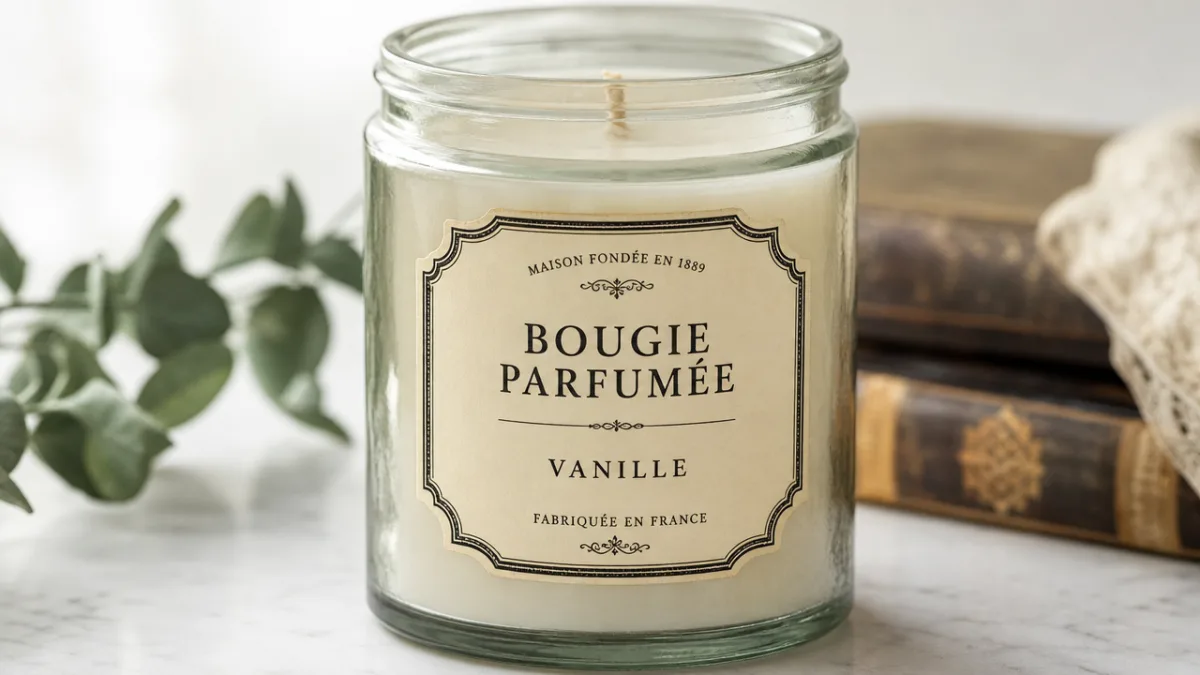
The glass jars used for Home Interiors candles were typically thick and well-made, designed to withstand the heat generated during extended burn sessions without cracking or discoloring. The labels applied to these jars were an important part of the product’s identity, featuring the Home Interiors branding alongside the fragrance name in lettering that reflected the decorative sensibility of the era. Collectors place high value on jars with labels that remain fully intact, free of peeling, water damage, or fading, because the label is as much a part of the collectible identity as the candle itself. A jar candle with a damaged or missing label loses a significant portion of its appeal and value in the collector community.
From a practical standpoint, those who choose to burn their never-lit Home Interiors jar candles should be aware of proper jar candle care techniques that maximize both safety and fragrance performance. The first burn is critically important: candle experts universally recommend allowing the wax to melt all the way to the edges of the jar during the initial lighting session, a process that can take several hours depending on the diameter of the jar. This prevents the formation of a “memory ring” — a tunnel that develops in the wax around the wick when a candle is extinguished too soon — which both wastes fragrance and creates an uneven, less aesthetically pleasing burn surface for all subsequent uses.
Additional care considerations for jar candles include trimming the wick to approximately one quarter inch before each burn session to prevent excessive flickering, sooting, and mushrooming of the wick tip, which can release carbon particles into the air and deposit black marks on the inside of the glass jar. Keeping the candle away from drafts helps maintain an even burn and prevents the flame from burning hotter on one side than the other. Collectors who decide to burn their Home Interiors jar candles often recommend burning them in a room where the fragrance can build gradually, closing doors and windows to allow the scent to accumulate and fill the space as the original designers intended.
The Cultural Significance of Apple Pie Scented Candles in American Home Culture
The enduring popularity of apple pie as a fragrance anchor in American home products is deeply rooted in the cultural mythology surrounding the scent itself. Apple pie has been a symbol of American domestic life, comfort, and nostalgia for generations, associated with family gatherings, holiday traditions, and the particular warmth of a well-kept home. When Home Interiors chose to develop a Baked Apple Pie scented candle, they were tapping into a rich vein of cultural meaning that extended far beyond simple pleasant aromatics. The fragrance was, in a very real sense, a way of selling an emotional experience packaged as a consumer product.
Research in environmental psychology has consistently demonstrated that scent is among the most powerful triggers of autobiographical memory, more reliably transporting people to specific past experiences than visual or auditory stimuli. This phenomenon, sometimes called the Proust effect after the French novelist’s famous description of memory triggered by taste and smell, explains why the Home Interiors Baked Apple Pie candle resonates so deeply with collectors who remember it from their own pasts. For many people, encountering the fragrance again after years or decades is not simply a pleasant sensory experience — it is a genuine emotional reunion with a specific time, place, and set of relationships from their personal history.
The social context in which Home Interiors candles were typically purchased and used adds another layer of meaning to the collector experience. Because the company relied on in-home parties hosted by consultants, purchasing a Home Interiors product was inherently a social act embedded in community relationships. Customers bought candles not merely from a catalog but from a neighbor, a church acquaintance, a coworker, or a family friend who had become a consultant. The Baked Apple Pie candle, like other Home Interiors products, therefore carries associations not only with domestic comfort but with the specific social networks and community bonds that characterized American suburban life in the final decades of the twentieth century.
Tips for Finding, Evaluating, and Preserving Retired Home Interiors Candles
For those interested in entering the world of Home Interiors candle collecting, developing a reliable sourcing strategy is the essential first step. Estate sales remain one of the most productive hunting grounds for retired Home Interiors products, particularly in regions of the United States where the brand had strong consultant networks during its active years, including the South, Midwest, and Mid-Atlantic states. Estate sale companies that specialize in clearing homes from the 1980s through the early 2000s are particularly likely to encounter Home Interiors merchandise, and because the brand’s collectible value is not universally understood, prices at estate sales can sometimes be remarkably reasonable.
When evaluating a potential acquisition, collectors should consider the following key factors before making a purchase decision. The integrity of the label is paramount, as previously discussed, but equally important is an assessment of the wax surface itself, which should ideally be smooth, free of cracks, and showing no signs of the frosting or blooming that can affect candle wax over time. The wick should be clean and upright, with no evidence of previous burning. The fragrance, detectable through the lid or after briefly opening the jar, should still be present and recognizable, though some fading is expected and acceptable in candles that are many years old.
Proper storage is critical for preserving retired Home Interiors candles in the best possible condition over the long term. Candle experts and collectors recommend storing jar candles in a cool, dry environment away from direct sunlight, which can fade labels, discolor wax, and accelerate the degradation of fragrance compounds. Temperature stability is important; environments that cycle between hot and cold can cause the wax to expand and contract, potentially leading to cracking. Humidity should also be controlled, as excessive moisture can compromise the label and affect the glass jar’s condition over time.
The collector community for Home Interiors products is active and welcoming to newcomers, with dedicated Facebook groups, online forums, and occasional in-person swap meets where enthusiasts share information, trade pieces, and celebrate the brand’s legacy together. Engaging with these communities is highly recommended for anyone serious about collecting, as experienced collectors can offer invaluable guidance on identifying authentic products, assessing condition, and understanding current market values. Community members are generally generous with their knowledge and passionate about preserving the history and memory of a brand that meant a great deal to many American households during its long and successful run.
- Search estate sales in regions with historically strong Home Interiors consultant networks, particularly the American South and Midwest, where the brand had its deepest market penetration.
- Check online resale platforms regularly, setting up saved searches for terms like “Home Interiors candle,” “retired scent candle,” and “never lit jar candle” to receive notifications when new listings appear.
- Join dedicated collector communities on social media platforms where members share finds, offer items for sale or trade, and provide authentication assistance for questionable listings.
- Store acquisitions properly in stable, cool, dark environments to preserve both the fragrance integrity and the physical condition of the jar, label, and wax.
- Document your collection with detailed photographs and written records of where and when each piece was acquired, along with any provenance information available from the seller.
The Ongoing Legacy of Home Interiors and the Future of Fragrance Nostalgia
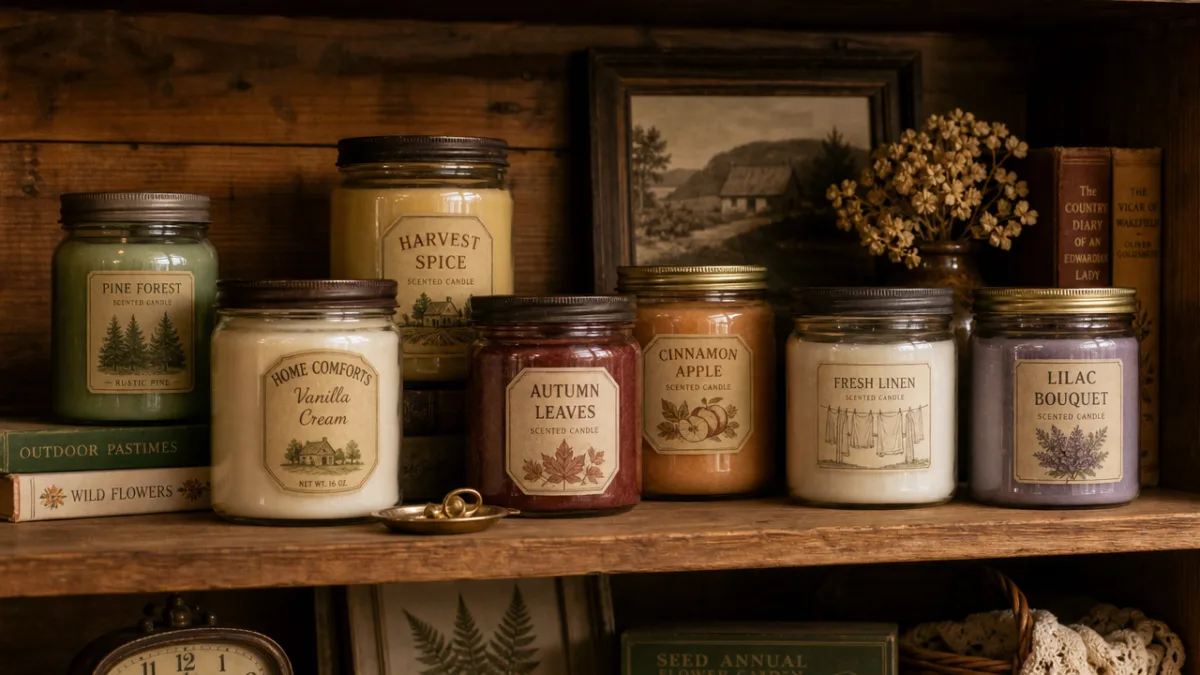
The sustained collector interest in Home Interiors products, particularly their candles, speaks to a broader cultural phenomenon in which mass-market consumer products from the recent past acquire unexpected significance as generational touchstones. As the demographic cohort that grew up with Home Interiors products in their childhood homes enters middle age, demand for these nostalgic artifacts has grown rather than diminished, following a pattern observed across many categories of vintage consumer goods. The Baked Apple Pie jar candle, as one of the brand’s most fondly remembered offerings, sits at the center of this nostalgia economy in a particularly compelling way.
The fragrance industry as a whole has taken note of the commercial power of nostalgia-driven scent experiences, with many contemporary candle brands attempting to capture the essence of classic domestic fragrances like baked goods, fresh laundry, and warm woodsmoke. However, collectors and enthusiasts who have experienced the original Home Interiors Baked Apple Pie candle frequently note that contemporary imitations, despite the advances in fragrance technology that have occurred in the intervening decades, fail to fully replicate the specific character of the original scent. This may be partly a matter of objective formulation differences and partly a function of the psychological phenomenon in which the original experience, saturated with personal memory and emotional association, is simply impossible to recreate through a new product encountered in a different life context.
Looking forward, the community of Home Interiors collectors will inevitably face the reality that the supply of surviving products in good condition will gradually diminish over time, as candles are burned, damaged, or lost, while the number of collectors interested in acquiring them continues to grow. This dynamic suggests that well-preserved examples of retired Home Interiors scents like the Baked Apple Pie jar candle will only become more valuable — both monetarily and sentimentally — as the years pass. For those fortunate enough to own a never-lit example of this beloved fragrance, the decision of whether to preserve it or enjoy it remains one of the most delightful dilemmas in the world of nostalgic collecting, a testament to the enduring power of scent to carry meaning, memory, and beauty across the years.








What do you think?
It is nice to know your opinion. Leave a comment.