










Akila Mix African Daisy Seeds: A Complete Guide to Growing Osteospermum
Introduction to Osteospermum: The African Daisy
Osteospermum, commonly known as the African daisy or Cape daisy, is one of the most vibrant and rewarding flowering plants a gardener can cultivate. Native to the sun-drenched landscapes of South Africa, these cheerful blooms have captured the hearts of gardeners around the world with their dazzling array of colors and their remarkable resilience in warm, sunny conditions. The Akila Mix variety in particular stands out as an exceptional cultivar, offering a spectacular blend of hues that can transform any garden, container, or landscape into a breathtaking tapestry of color.
The Akila Mix series was developed through careful horticultural breeding to produce compact, well-branched plants that bloom prolifically over an extended season. Unlike older varieties of Osteospermum that could become leggy or sparse, the Akila Mix is engineered for density and visual impact, producing masses of flowers on tidy, manageable plants. Gardeners who have struggled with maintaining the aesthetics of other daisy varieties will find the Akila Mix to be a refreshing and low-maintenance alternative that delivers consistent, impressive results season after season.
What makes the African daisy particularly appealing is its ability to thrive in conditions that might challenge less hardy flowering plants. These blooms love full sun, tolerate drought once established, and reward minimal care with an abundance of flowers that persist from late spring through the first frosts of autumn. Whether you are an experienced horticulturalist or a beginner picking up a seed packet for the first time, Osteospermum offers one of the most satisfying and accessible gardening experiences available, with the Akila Mix setting the gold standard for home cultivation.
Understanding the Akila Mix Color Palette
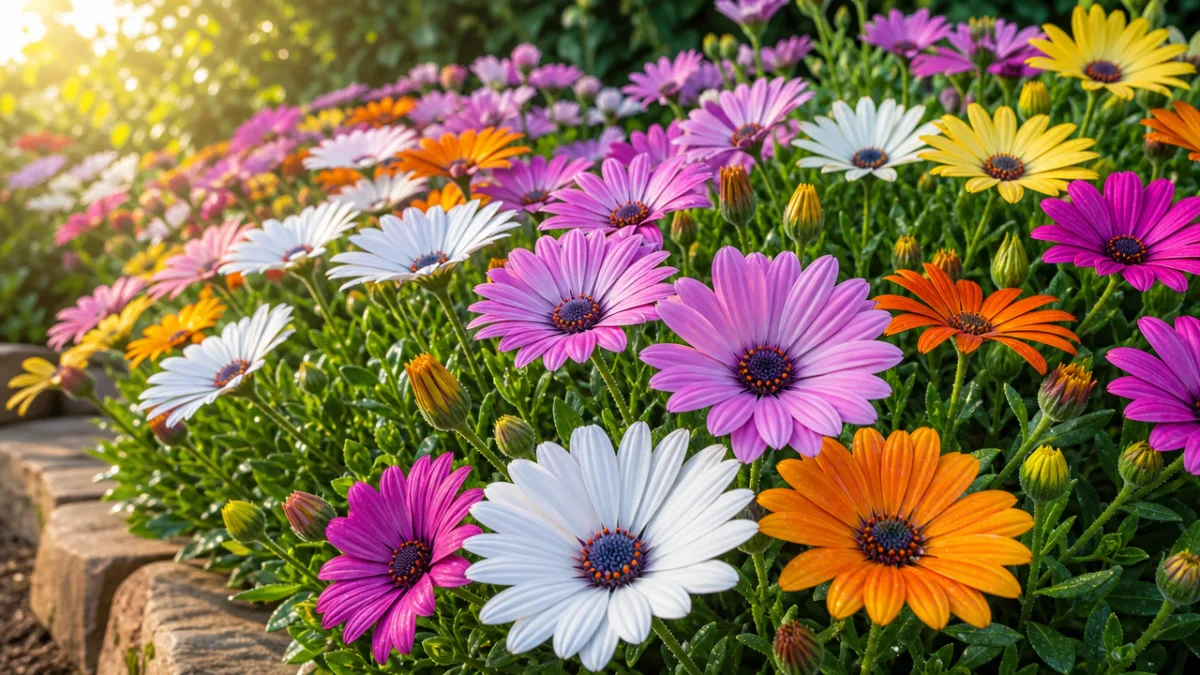
One of the most compelling features of the Akila Mix is the extraordinary diversity of colors it brings together in a single seed blend. The mix typically includes shades ranging from pure white and creamy ivory to bold yellows, deep oranges, soft lavender, vivid purples, and rich pinks. Each individual plant may produce slightly different tones, meaning that a single packet of Akila Mix seeds can yield a garden display as unique and varied as the gardener who plants it. This inherent unpredictability is part of what makes growing from seed so rewarding and endlessly surprising.
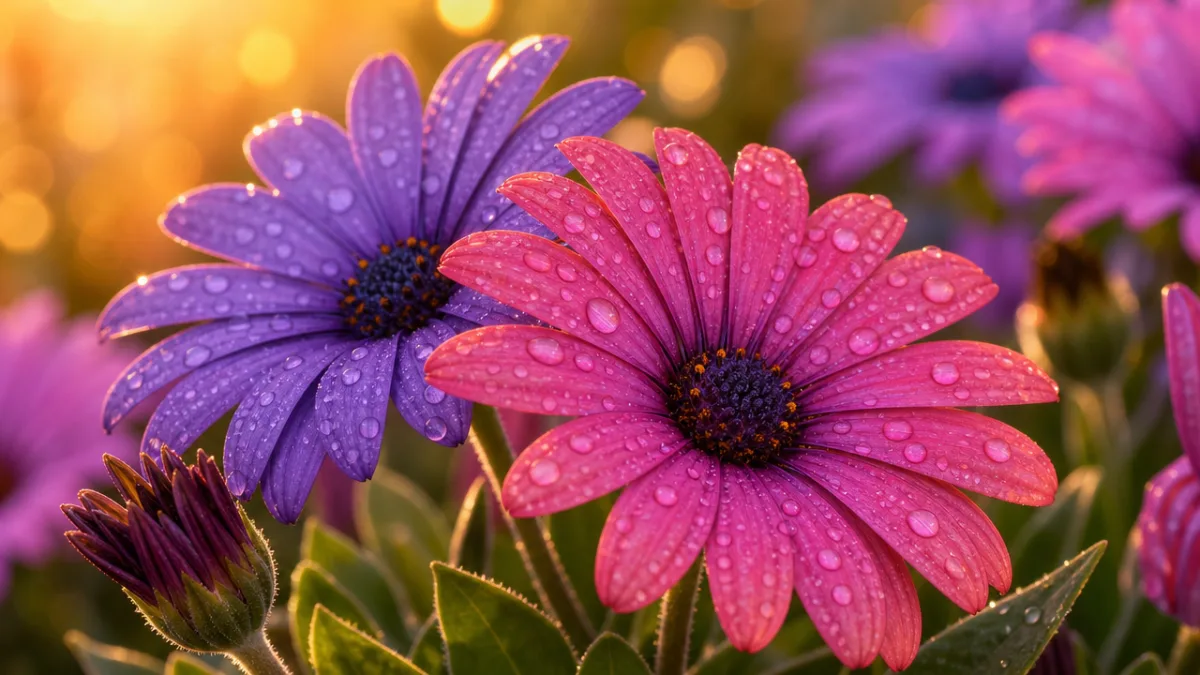
The petals of Osteospermum flowers often display a striking bicolor effect, with the inner portion of each petal carrying a deeper, more saturated hue that gradually transitions to a lighter tone at the tips. At the center of each bloom sits a characteristic dark disc, usually in shades of deep blue, purple, or near-black, which provides a dramatic contrast against the lighter petals and acts as a visual anchor that makes each flower appear perfectly composed. This center disc is one of the most recognizable and beloved features of the African daisy genus, distinguishing it immediately from similar-looking species.
When planted en masse, the Akila Mix creates a mosaic effect that rivals even carefully curated annual planting schemes. Garden designers frequently use this variety in public parks, municipal plantings, and commercial landscapes precisely because the blend of colors feels simultaneously harmonious and lively. For home gardeners, the mix works beautifully in cottage garden borders, along pathway edges, and in large decorative containers on patios or balconies. The natural variation within the mix means that no two plantings ever look exactly the same, ensuring a fresh and evolving display throughout the growing season.
How to Grow Akila Mix African Daisy from Seed
Starting Osteospermum from seed is a straightforward process that rewards patience and attention to a few key environmental conditions. Seeds should ideally be started indoors approximately eight to ten weeks before the last expected frost date in your region. Use a high-quality seed-starting mix in small cells or trays, pressing each seed lightly into the surface of the moist medium without burying it deeply, as Osteospermum seeds require light to germinate effectively. Covering the tray with a clear plastic dome or plastic wrap will help maintain the moisture and humidity that these seeds need during their initial germination phase.
Germination typically occurs within ten to twenty-one days when soil temperatures are maintained between 65 and 72 degrees Fahrenheit. Placing seed trays on a heat mat can significantly improve germination rates and consistency, particularly in cooler climates or during early spring when indoor temperatures may fluctuate. Once seedlings emerge, remove any humidity covers and move the trays to a bright location or under grow lights, ensuring that seedlings receive at least fourteen to sixteen hours of light each day to prevent them from becoming stretched and weak. Leggy seedlings will underperform once transplanted, so adequate light from the very beginning is essential.
After seedlings have developed their second set of true leaves, they can be carefully transplanted into individual pots where they will continue to grow and strengthen before being moved outdoors. This stage, known as pricking out, requires gentle handling to avoid damaging the delicate root systems. About two weeks before the intended outdoor planting date, begin hardening off your seedlings by setting them outside in a sheltered location for progressively longer periods each day. This gradual acclimatization prepares the plants for outdoor conditions and dramatically reduces transplant shock, setting the stage for vigorous growth and abundant flowering once plants are established in the garden.
Planting Location, Soil, and Site Preparation
Selecting the right planting location is perhaps the single most important factor in ensuring the success of your Akila Mix African daisies. Osteospermum is a sun-worshipping plant that performs best when it receives a minimum of six to eight hours of direct sunlight each day. Sites that receive morning sun are particularly beneficial, as this exposure dries dew from the foliage quickly and reduces the risk of fungal diseases that can develop in persistently moist conditions. Avoid planting in areas shaded by buildings, fences, or large trees, as even partial shade will significantly reduce flowering and may cause plants to become stretched and unproductive.
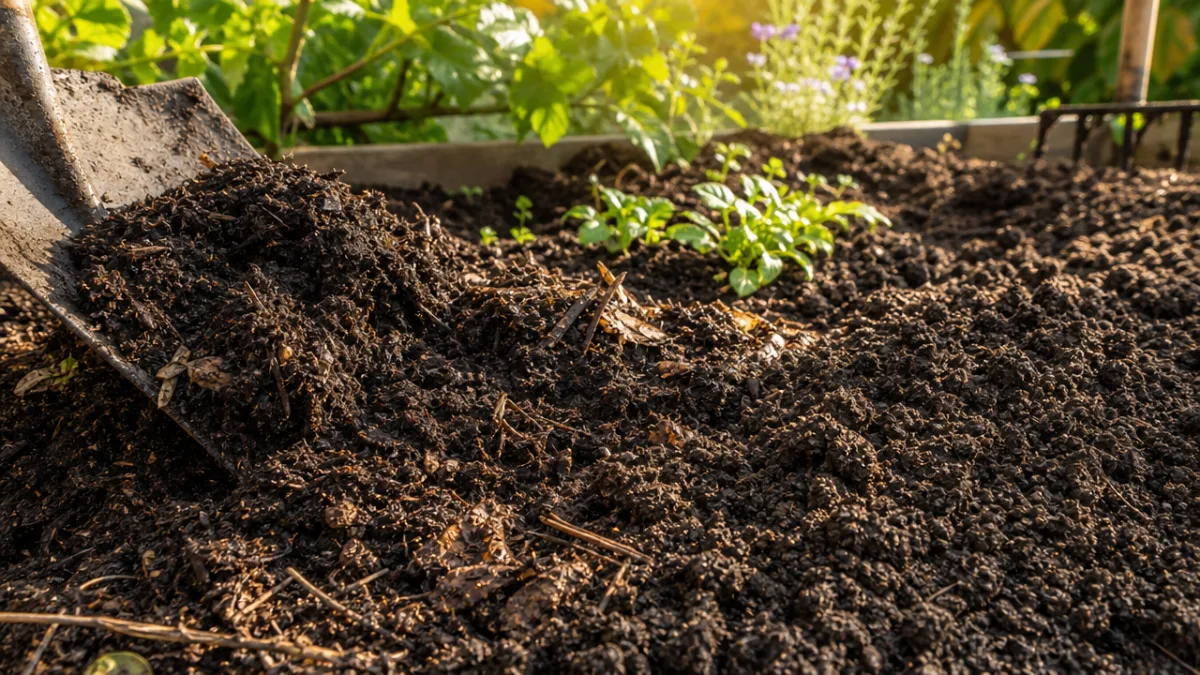
Soil quality plays a critical role in the health and vigor of your African daisies. These plants prefer well-draining soil with a slightly sandy or loamy texture that allows excess water to pass through quickly, preventing the root rot that can devastate plants in waterlogged conditions. Before planting, prepare your garden bed by working in generous amounts of organic matter such as compost or well-rotted manure to a depth of at least ten to twelve inches. This not only improves drainage in heavy clay soils but also enhances moisture retention in overly sandy soils, creating the balanced growing environment in which Osteospermum truly thrives.
The ideal soil pH for African daisies falls between 6.0 and 7.0, a slightly acidic to neutral range that supports optimal nutrient availability. If you are unsure of your soil’s pH, an inexpensive testing kit from a garden center will give you the information you need to make any necessary amendments before planting. Lime can be worked in to raise pH in overly acidic soils, while sulfur can help lower pH in alkaline conditions. Taking the time to properly prepare your soil before planting will pay dividends throughout the growing season, as well-nourished plants in appropriate soil conditions require far less intervention and produce significantly more flowers.
- Choose a location with full sun exposure for at least six to eight hours daily
- Amend heavy clay soils with grit or coarse sand to improve drainage
- Incorporate generous amounts of compost before planting to boost fertility
- Test soil pH and aim for a range between 6.0 and 7.0
- Space plants approximately twelve to fifteen inches apart to allow air circulation
- Avoid low-lying areas where water may collect after heavy rainfall
Watering, Fertilizing, and Ongoing Care
Once established in the garden, Akila Mix African daisies are pleasingly drought-tolerant plants that do not require constant watering to perform well. During the initial weeks after transplanting, water regularly and deeply to encourage roots to penetrate deeply into the soil, which will make plants more self-sufficient as the season progresses. A deep watering once or twice per week is generally preferable to frequent shallow irrigation, as deep moisture encourages roots to reach downward rather than remaining near the surface where they are vulnerable to heat and drying. Always water at the base of the plant rather than overhead to keep foliage dry and disease-free.
Feeding Osteospermum with a balanced, slow-release granular fertilizer at planting time provides a steady supply of nutrients throughout the early growing season. Once plants begin flowering, switching to a liquid fertilizer formulated for blooming annuals, applied every two to three weeks, will support continuous and prolific flower production. Be cautious about over-fertilizing with nitrogen-heavy products, as excessive nitrogen promotes lush leafy growth at the expense of flowers, resulting in attractive foliage but disappointingly few blooms. A fertilizer with a higher middle number in its NPK ratio, indicating elevated phosphorus, will best support the flower development you are aiming for.
Deadheading, the practice of removing spent flowers before they can set seed, is one of the most effective techniques for prolonging the blooming period of African daisies. When left to go to seed, plants naturally reduce their flower production as energy is redirected toward seed development. By regularly pinching off or cutting away faded blooms at their base, you signal to the plant that its reproductive mission is incomplete, encouraging it to produce new buds in an ongoing cycle of flowering. Spending just a few minutes each week deadheading your Osteospermum plants can extend the blooming season by weeks and keep your garden looking its very best throughout summer and into autumn.
Pests, Diseases, and Troubleshooting Common Problems
African daisies are generally robust and relatively pest-resistant, but they are not entirely immune to the challenges that affect most garden plants. Aphids are among the most common insect pests encountered on Osteospermum, tending to cluster on soft new growth and the undersides of leaves where they feed on plant sap. A strong spray of water from a garden hose can dislodge aphid colonies effectively, and in cases of heavier infestation, insecticidal soap or neem oil applied according to label instructions will provide reliable control without harming beneficial insects such as bees and ladybugs that may be visiting your flowers.
Whiteflies can also occasionally become problematic, particularly in warm and sheltered garden environments. These tiny, moth-like insects rise in clouds when plants are disturbed and can weaken plants through sustained feeding. Yellow sticky traps placed near affected plants will help monitor and reduce whitefly populations, and introducing natural predators such as parasitic wasps can provide longer-term biological control in garden settings where chemical intervention is undesirable. Maintaining good air circulation around plants by appropriate spacing and prompt removal of any yellowing or damaged foliage will also make your African daisies significantly less hospitable to pest colonization.
Fungal diseases such as powdery mildew and botrytis can develop during periods of cool, damp weather or in gardens where plants are overcrowded and airflow is limited. Powdery mildew manifests as a white, powdery coating on the surfaces of leaves and stems, while botrytis presents as a grayish-brown mold that typically attacks damaged or dying tissue. Preventative measures including proper plant spacing, avoiding overhead irrigation, and removing dead plant material promptly are your best defenses against these conditions. If fungal disease does take hold, fungicidal sprays containing copper or sulfur can help manage the spread when applied at the earliest signs of infection.
- Inspect plants regularly for signs of aphids, whiteflies, or other pest activity
- Use water jets, insecticidal soap, or neem oil to manage insect infestations
- Ensure adequate plant spacing to maintain healthy air circulation
- Water at the base of plants to keep foliage dry and reduce fungal risk
- Remove and dispose of any diseased plant material promptly and completely
- Apply appropriate fungicides at the first sign of powdery mildew or botrytis
Using Akila Mix in Garden Design and Container Planting
The versatility of the Akila Mix African daisy makes it an invaluable tool in the hands of both amateur and professional garden designers. In mixed annual borders, these plants combine beautifully with other sun-loving companions such as petunias, calibrachoa, salvias, and ornamental grasses, creating layered compositions that offer textural contrast alongside color variety. The compact growth habit of the Akila Mix means it can be used effectively in the middle or front of borders without overwhelming neighboring plants, and its long blooming season ensures it earns its place in the garden from late spring right through to autumn frosts.
Container planting is another arena where the Akila Mix truly excels. Large decorative pots and window boxes filled with a mixture of Akila Mix African daisies and complementary trailing plants such as bacopa or lobelia create stunning focal points on patios, terraces, and balconies. When planting in containers, choose pots with generous drainage holes and use a premium potting mix amended with perlite to ensure the excellent drainage these plants demand. Container-grown Osteospermum will require more frequent watering and fertilizing than their in-ground counterparts, but the ease of rearranging containers to suit changing aesthetic preferences makes this trade-off entirely worthwhile for most gardeners.
From a design perspective, the Akila Mix is particularly effective when used in large sweeps or drifts rather than as isolated individual plants. Planting in odd-numbered groups of five, seven, or more creates a natural, flowing appearance that mimics the way wildflowers appear in their native habitat, lending even formal garden settings a relaxed and organic quality. The mix’s inherent color variation means that no special planning is needed to achieve a harmonious result; simply plant your seedlings with appropriate spacing and allow the natural randomness of the mix to create its own artful composition. The result is a garden display that looks thoughtfully designed while requiring minimal effort beyond the basic requirements of good growing conditions.
Saving Seeds and Extending Your Collection
One of the most satisfying aspects of growing Osteospermum from seed is the possibility of saving seeds from your best and most beautiful plants to grow again in subsequent seasons. To save seeds successfully, allow a selection of your finest blooms to remain on the plant after they have faded, resisting the urge to deadhead these chosen specimens. As the flower head dries and matures, it will develop seed-bearing achenes, which are small, elongated seeds attached to fine feathery structures that allow wind dispersal in the wild. Harvest these seed heads carefully once they are completely dry and brown, placing them in a paper bag to complete the drying process indoors.
Once fully dry, seeds can be cleaned by gently rubbing the seed heads between your palms to separate the seeds from the dried chaff. Store cleaned seeds in a labeled paper envelope or small glass jar in a cool, dark, and dry location such as a basement or refrigerator. Properly stored Osteospermum seeds will typically remain viable for two to three years, although germination rates tend to decline with age. It is worth noting that seeds saved from a mixed variety like the Akila Mix will not produce plants genetically identical to their parents, as cross-pollination between the different color varieties within the mix will create new combinations and variations in subsequent generations.
This genetic variation is far from a disadvantage; many gardeners find the unpredictability of growing from saved mixed-variety seeds to be one of the great pleasures of flower gardening. Each new generation of plants carries the potential to produce entirely new color combinations and petal patterns that have never appeared in your garden before, effectively giving you a fresh and unique display every year. By combining purchased seed packets with your own saved seeds, you can build an ever-evolving collection of African daisy colors and forms that grows more interesting and personally meaningful with each passing season, making Osteospermum not just a garden plant but an ongoing horticultural adventure.








What do you think?
It is nice to know your opinion. Leave a comment.