










Success at Last With Gloriosa Lilies: A Complete Growing Guide
Understanding the Gloriosa Lily: A Tropical Treasure
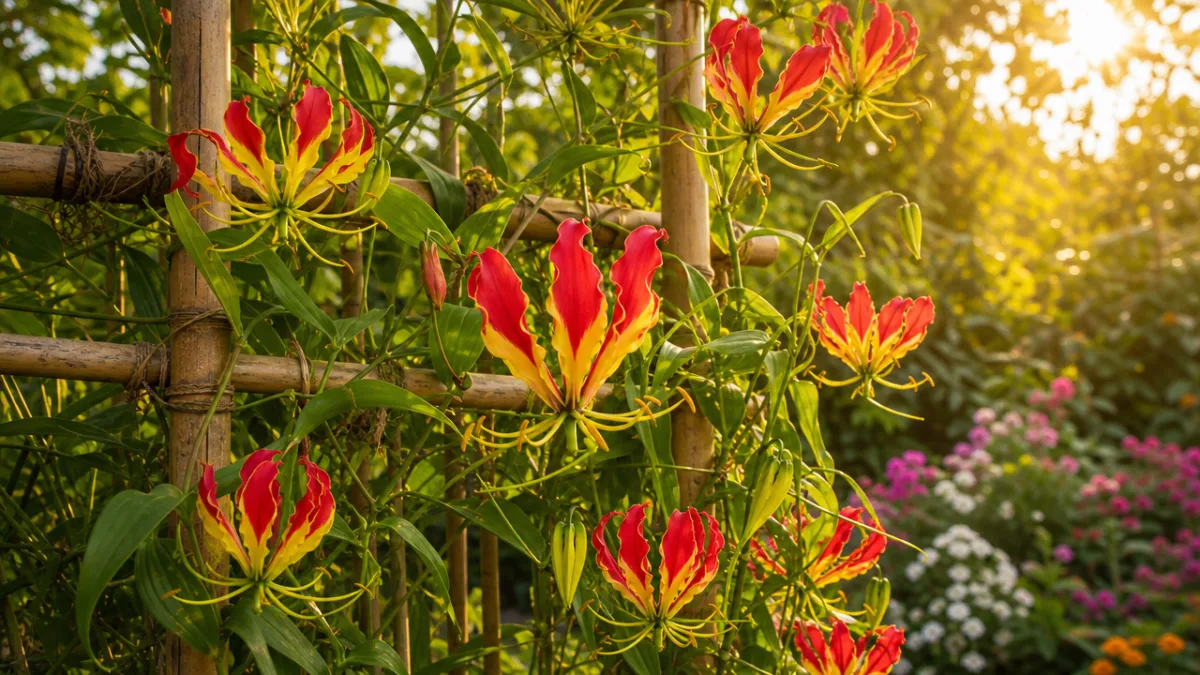
If you’ve ever spotted a Gloriosa lily in full bloom and thought “there is no way I’m growing that,” I completely understand — but I’m also here to tell you that you absolutely can. Gloriosa superba, to use its proper botanical name, is one of those plants that looks like it belongs in a hothouse or a florist’s window, yet it’s more achievable than it appears. Native to tropical Africa and Asia, it throws up blooms with reflexed petals in fiery reds, oranges, and yellows that genuinely look like they’re flickering in the breeze. Once you get a feel for what this plant actually needs, growing it stops feeling intimidating and starts feeling genuinely fun.
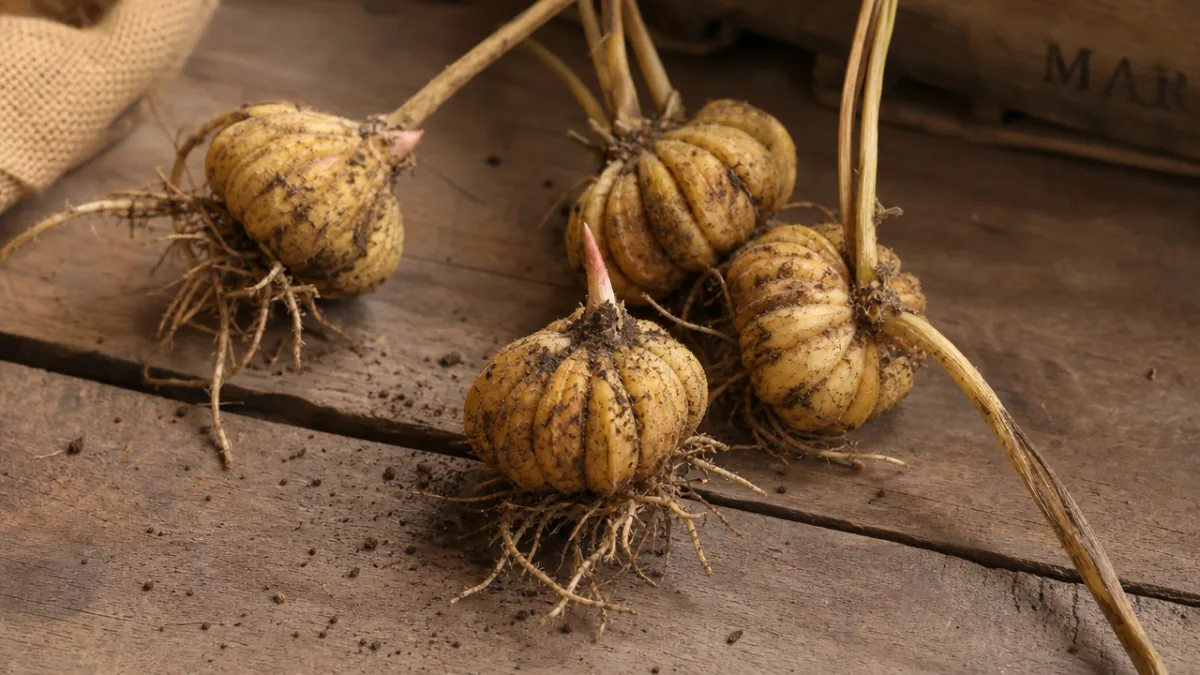
Here’s something that surprises a lot of people: despite the name, Gloriosa isn’t really a lily in the traditional sense. It’s a true climber, using little tendrils at the tips of its leaves to grab onto supports and pull itself upward toward the light. It also grows from a tuber rather than a bulb — specifically a V-shaped or finger-shaped tuber that’s notably brittle and needs a careful hand. That fragility is something to keep in mind from the moment your tubers arrive, because how you handle them early on really does set the tone for the whole season.
The flowers themselves are what make all the effort worthwhile. Each one has six dramatically swept-back petals with wavy, crinkled edges and a bold crown of arching stamens that give the whole thing an almost otherworldly quality. What I find especially lovely is how the color shifts as the blooms age — often starting soft yellow near the base and deepening to rich crimson at the tips, like something hand-painted. Keeping that warm, humid tropical origin in mind genuinely helps you make better decisions as you go, because you’re essentially trying to recreate a little piece of that environment wherever you happen to garden.
Sourcing and Preparing Your Tubers
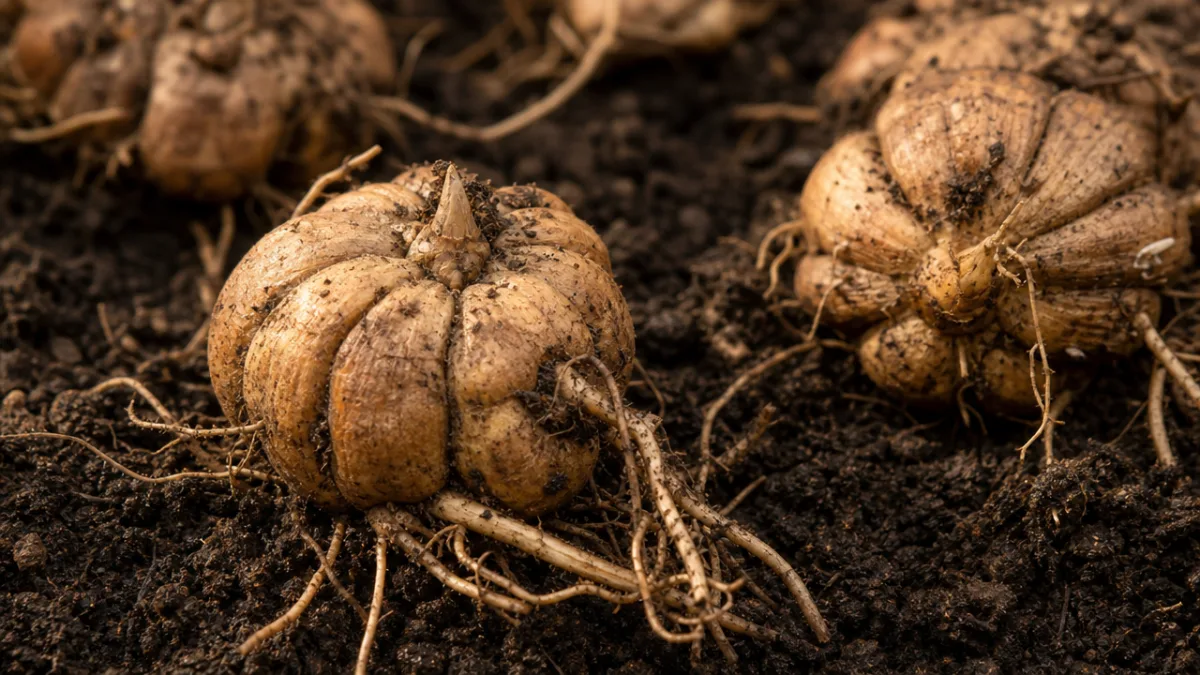
Before a single tuber touches soil, the groundwork for a good season is already being laid — or not. Where you get your tubers matters enormously. Buy from a reputable supplier and look for tubers that feel firm and plump, with no soft spots, mold, or signs of damage. A healthy tuber has a satisfying weight to it. If it feels shriveled or lightweight, that’s a red flag suggesting either age or poor storage on its way to you.
When the tubers arrive, don’t feel pressured to plant them right away if conditions aren’t ready. Plenty of gardeners hold tubers successfully for several weeks by wrapping them loosely in slightly damp peat moss or vermiculite and tucking them somewhere cool and dark — around 50 to 60 degrees Fahrenheit works well. This holding period is actually a good thing if your tubers arrived a little dried out from shipping, since it gives them a chance to firm back up before going in the ground. Take a good look at each one and find the growing tip, usually at one end, which may already have a small pointed shoot poking out.
Handling Gloriosa tubers is where a lot of people have their first (and unfortunately sometimes only) bad experience. The growing tip is genuinely fragile — if it snaps off, that’s it for that tuber’s season, because it won’t regenerate. Always hold the tuber by its body, never by any emerging growth, and when you’re ready to plant, lower it gently into the hole rather than pressing it in with force. Some growers swear by wearing soft cotton gloves during this process just to get a better grip and avoid the heart-sink moment of an accidental fumble. It sounds fussy, but when you’ve paid good money for quality tubers, a little extra care feels very worth it.
Soil, Light, and the Right Growing Conditions
Gloriosa lilies are genuinely rewarding plants, but they’re not especially forgiving if you get the basics wrong. Drainage is the big one. These tubers will rot surprisingly fast in waterlogged soil, so well-draining ground is non-negotiable. A sandy loam worked through with plenty of good compost or leaf mold gives you that ideal balance — loose and fertile, able to hold some moisture without ever sitting wet. Roots that can move freely through rich, open soil are happy roots, and happy roots mean the kind of flowering display that makes neighbors stop and ask questions.
For light, think about where this plant actually comes from: the sunny margins of woodland and scrub in tropical climates. Gloriosa wants a solid six to eight hours of direct sun each day, though in really hot climates a little afternoon shade does no harm. In cooler spots, you want to squeeze every bit of warmth out of the season, and planting against a south-facing wall or fence is a genuinely clever move. That reflected heat can push the season earlier in spring and keep things going longer in autumn, and the vertical surface gives the plant something to climb toward the light — which it very much wants to do.
Temperature is something a lot of gardeners don’t think about until they’ve lost a plant to it. Gloriosa has no cold hardiness to speak of — even a light frost will knock back the top growth instantly. Just as importantly, the soil itself needs to be at least 60 degrees Fahrenheit before you plant, because tubers put into cold, wet ground don’t grow — they sulk, fail to sprout, or simply rot. In most temperate climates that means waiting until late spring for outdoor planting, or getting a head start by potting tubers up indoors a few weeks earlier and moving them outside once any frost risk has genuinely passed.
Planting, Supporting, and Training Your Climber
Depth and orientation matter more with Gloriosa tubers than with most things you’ll plant in your garden. The standard advice is to lay them horizontally about four inches deep, with the growing tip angled so it has an easy path to the surface. In heavier soil, going a touch shallower helps; in sandy or very loose soil, a little deeper gives better stability and keeps moisture around the developing roots. Before you backfill, take one last look to confirm the growing tip is pointing the right way — planting upside down is an easy mistake to make and a frustrating one to discover weeks later when nothing appears.
Because these are climbers, you really do need to have a support in place from day one rather than scrambling to find something once the plant is already reaching around for something to grab. They get going quickly once they’ve settled in, and those leaf-tip tendrils start searching almost immediately. Good support options include:
- Bamboo cane frameworks or tripods positioned directly at planting time
- Trellis panels attached to walls or fences in full sun positions
- Garden netting stretched between posts for a more informal cottage look
- Existing shrubs or small ornamental grasses that can host the climbing stems without being overwhelmed
- Decorative obelisks in large containers for patio or courtyard growing
In those early weeks, loosely tying new stems to your support with soft twine or plant clips makes a real difference to how tidy and manageable the plant looks as it grows. Once the tendrils have latched on properly, though, Gloriosa is impressively self-sufficient — it’ll find its way around a trellis or frame with very little help from you. That said, it’s worth checking in regularly during the main growing season to nudge any wayward stems in the right direction before they tangle themselves into neighboring plants or end up growing somewhere awkward that’s hard to sort out later.
Watering, Feeding, and Ongoing Care
Once your Gloriosa is up and growing, watering becomes one of the things you’ll think about most. The plant is vigorous and thirsty, especially once it starts putting energy into flowering, but it still can’t sit in poorly drained, constantly wet soil. A rhythm that works well for most gardeners is to water thoroughly when the top inch of soil feels dry, then let things drain properly before watering again. In a hot dry spell that might mean every two or three days; in cooler or wetter weather you’ll find yourself holding back a lot more. It’s less about sticking to a schedule and more about paying attention.
Feeding is where the difference between a decent plant and a genuinely spectacular one often lies. Start with a balanced slow-release granular fertilizer worked in at planting time to cover the early growing period. Once stems are climbing well and you start to see flower buds forming, shift to a liquid feed that’s higher in potassium and phosphorus than nitrogen. This is important: high-nitrogen fertilizers at this stage push the plant into producing lots of lush leafy growth, which sounds fine until you realize it’s happening at the expense of flowers. A fortnightly liquid feed during flowering is usually plenty and keeps the display going strong.
Pest and disease problems are generally manageable with Gloriosa, though a few things are worth keeping an eye on. Slugs and snails can do real damage to emerging shoots in spring — the usual suspects, in other words. Aphids sometimes move in on soft new growth during warm spells, and spider mites can become a nuisance in hot dry conditions, particularly on plants growing in sheltered spots against a wall. Flipping leaves over regularly and acting quickly when you spot something keeps problems from getting out of hand. For fungal issues like botrytis in wet summers, good air circulation around the plant and avoiding overhead watering go a long way toward prevention.
Overwintering and Storing Tubers for Future Seasons
If you garden somewhere that gets frost, lifting and storing your tubers over winter is how you turn a one-season experiment into a long-running garden relationship. As autumn arrives and the first light frosts begin to threaten, the temptation is to tidy everything up immediately — but resist it. Let the foliage die back on its own before you lift. That natural yellowing and dying-back process is actually the plant doing something useful: pulling nutrients from the leaves and stems back down into the tuber, building up energy reserves for next year. Cut the plant back too soon and you shortchange the tuber, which can show up as weaker growth and fewer flowers the following season.
When it’s time to lift, use a garden fork rather than a spade, and start further out from the plant than you think you need to. Tubers can spread a surprising distance from the base of the stem, and a carelessly placed spade through a tuber is a dispiriting way to end the season. Work the fork inward gradually, loosening the soil until you can lift the whole clump gently. Shake or rinse off the excess dirt and you may find something rather pleasing: a single tuber planted in spring can produce several daughter tubers by autumn, which is both a sign of a happy plant and a nice bonus for next year’s garden.
After lifting, let the tubers dry somewhere warm and airy for a week or two before packing them away. Getting this storage right is what brings them through to spring in good shape. Some key things to keep in mind:
- Ensure tubers are completely dry before packing to prevent mold developing during storage
- Wrap individual tubers in dry newspaper, peat moss, or vermiculite to cushion them and absorb any residual moisture
- Store in a breathable container such as a paper bag, wooden box, or mesh bag rather than airtight plastic
- Keep stored tubers at a consistent temperature between 50 and 60 degrees Fahrenheit away from freezing conditions
- Check tubers every four to six weeks throughout winter and remove any that show signs of rot to prevent spread
- Bring tubers out of storage in early spring to resume the cycle of warming, planting, and growing
There’s something genuinely satisfying about pulling your stored tubers out in spring, recognizing ones you planted yourself the previous year, and getting ready to do it all again. Gloriosa lilies are plants that teach you as you go — each season you learn a little more about what works in your particular garden, your particular climate, your particular soil. What might feel a bit nerve-wracking the first time around tends to feel much more natural by the second or third season. And once you have Gloriosa superba in full flower in your garden, those dramatic flame-colored blooms climbing toward the sky, you’ll understand completely why so many gardeners consider every bit of effort involved to be entirely worth it.








What do you think?
It is nice to know your opinion. Leave a comment.