










20 Quirky Vintage Home Decor Ideas to Transform Your Space
The Enduring Charm of Vintage Aesthetic in Modern Homes
There is something undeniably magnetic about vintage home decor that transcends passing trends and fleeting fads. In a world increasingly dominated by mass-produced, identical furnishings churned out by global retailers, the quirky character of vintage pieces offers a deeply personal counterpoint. These objects carry history in their grain, their patina, and their imperfections, speaking to eras gone by while finding renewed purpose in contemporary living spaces. Homeowners around the world are rediscovering that older does not mean outdated — it means layered, meaningful, and wonderfully unique.
Vintage decor encompasses an enormous spectrum of styles, from the ornate curves of Victorian parlor furniture to the clean geometric lines of mid-century modern design. What unifies them is a sense of authenticity that newly manufactured items simply cannot replicate. When you place a 1940s bakelite telephone on a shelf or hang a collection of mismatched antique mirrors in a hallway, you are doing far more than decorating — you are curating a narrative. Each piece becomes a conversation starter, a mystery, a tiny portal into a different way of living that your guests will find endlessly fascinating.
The growing popularity of quirky vintage decor is also closely tied to sustainability. As environmental consciousness shapes purchasing decisions more powerfully than ever before, choosing secondhand and antique furnishings represents a meaningful choice to reduce consumption and extend the life of beautifully crafted objects. Many vintage pieces were built to last generations, constructed from solid hardwoods and natural materials before disposability became an industry standard. Embracing the vintage aesthetic is therefore both a design decision and an ethical one, giving your home character while contributing to a more thoughtful approach to material culture.
Why Quirky Details Make All the Difference
Not all vintage decor is created equal, and the pieces that truly elevate a space are usually the ones with a delightfully unexpected quality — the unexpected thing that makes you smile, pause, or tilt your head with curiosity. A ceramic lamp shaped like a flamingo, a barometer housed in a brass ship’s wheel, or a set of hand-painted canisters depicting pastoral scenes from a forgotten countryside are all examples of the kind of quirkiness that gives a home its soul. These are objects that resist the blandness of purely functional design and insist on personality above all else.
Incorporating quirky vintage elements does not mean your home needs to look like a chaotic antique shop. The most successful vintage interiors achieve a careful balance between the unusual and the harmonious, allowing singular statement pieces to anchor a room without overwhelming it. A single taxidermy piece mounted above a mantelpiece, for instance, can serve as a dramatic focal point when surrounded by simpler, more neutral elements. The key is restraint paired with confidence — knowing which oddities deserve the spotlight and which should contribute quietly to an overall atmosphere of curated eccentricity.
Upcycling and Repurposing: Giving Old Objects New Lives
One of the most exciting dimensions of the vintage decor movement is the creative practice of upcycling — taking objects designed for one purpose and reimagining them entirely within a new context. An old wooden ladder propped against a bathroom wall becomes a charming towel rack. A collection of mismatched teacups gets mounted on the wall as a whimsical display. Vintage suitcases stacked in a corner become both sculptural storage and a nod to a golden age of travel. These transformations require nothing more than imagination and a willingness to see potential where others might see obsolescence.
Repurposing vintage items also allows homeowners to achieve a genuinely one-of-a-kind look that no interior design catalog could ever offer. When you convert an antique writing desk into a bathroom vanity or transform a set of wooden wine crates into a modular bookshelf, you are creating something that exists nowhere else in the world. This exclusivity is enormously appealing in an age when social media has made it easier than ever to see how many people own the exact same couch, the exact same coffee table, and the exact same artwork from the same three home furnishing chains. Vintage upcycling is, in this sense, a quiet act of aesthetic rebellion.
Popular upcycling ideas that have taken the vintage decor community by storm include converting antique doors into headboards, transforming old window frames into picture collages, and repurposing industrial factory carts as coffee tables with raw, powerful results. Even humble objects like vintage tin cans, old clock faces, and worn leather luggage straps can be incorporated into DIY projects that produce stunning decorative outcomes. The process of upcycling also tends to forge a deeper connection between homeowners and their spaces, since each transformed object represents a personal investment of creativity, time, and care.
Popular Upcycling Projects for Beginners
If you are new to the world of vintage upcycling, starting with smaller, lower-stakes projects is a wonderful way to build confidence and develop your eye for potential. Begin by visiting estate sales, flea markets, and thrift stores with an open mind, looking not at what an object currently is but at what it could become with a little paint, some new hardware, or a change of context. A chipped but beautifully shaped wooden frame can be sanded and painted to look completely transformed. A set of mismatched chairs can be unified by reupholstering them in the same fabric while preserving their individual silhouettes.
- Convert vintage wooden crates into wall-mounted shelving units with a few screws and brackets
- Repaint antique dressers in bold, unexpected colors to create contemporary statement pieces
- Transform old window shutters into decorative wall art or functional room dividers
- Use vintage maps as inexpensive, visually rich wallpaper or framed artwork
- Convert antique tin containers into planters for herbs and succulents on kitchen windowsills
Sourcing the Best Vintage Finds: Where to Look and What to Buy
The treasure hunt is half the pleasure of decorating with vintage pieces, and knowing where to search makes an enormous difference in the quality and variety of what you will find. Estate sales remain one of the richest sources of genuinely old and quirky items, as they often involve the dispersal of an entire lifetime’s accumulation of objects, from furniture and art down to kitchen gadgets and garden tools. Unlike antique shops where dealers have already curated and priced items for retail, estate sales frequently yield extraordinary finds at very reasonable prices, particularly if you arrive with a clear vision of what you are looking for.
Flea markets and car boot sales offer a similarly democratic hunting ground, where professional dealers mix with ordinary people clearing out their homes. The sheer unpredictability of these environments is part of their appeal — on any given Sunday morning, you might stumble upon a set of 1960s enamel kitchen canisters, a Victorian brass inkwell, or a mid-century modern armchair in need of nothing more than a good cleaning. Online platforms have extended this hunting ground enormously, with dedicated vintage marketplaces and general auction sites connecting buyers with sellers across the country and around the world, making it possible to find almost any specific item with enough patience and persistence.
Charity shops and thrift stores should never be underestimated as sources of genuinely remarkable vintage finds. Because donations are unpredictable and staff often lack the specialized knowledge to identify valuable or desirable pieces, these shops can be goldmines for the discerning vintage decorator. Regular visits to the same shops over time help you develop a feel for their rhythms — when new stock tends to arrive, which categories are richest, and which days bring the best selection. Building relationships with shop staff can also sometimes lead to first access to newly donated items before they reach the general floor.
What to Look for When Buying Vintage
Developing a discerning eye for quality vintage pieces takes time, but a few foundational principles can guide even novice buyers toward better decisions. Construction quality is paramount — solid joinery in furniture, heavy gauge in metalwork, and hand-applied finishes all indicate pieces built to last rather than disposable goods from a bygone era of mass production. Do not be deterred by surface wear, as patina and honest aging are part of a vintage piece’s charm and can often be addressed with minimal effort, but do be wary of structural damage, woodworm, or significant missing components that would require costly professional restoration.
- Examine joinery closely — dovetail joints in drawers indicate quality craftsmanship and pre-industrial production
- Check fabric and upholstery for the integrity of the underlying frame even if the surface covering needs replacement
- Research maker’s marks, stamps, and labels before purchasing to understand provenance and approximate age
- Consider scale carefully — a beautiful piece that overwhelms a small room loses its impact immediately
- Trust your instincts about pieces that genuinely delight you rather than buying what you think you should like
Room-by-Room Guide to Vintage Quirky Decor
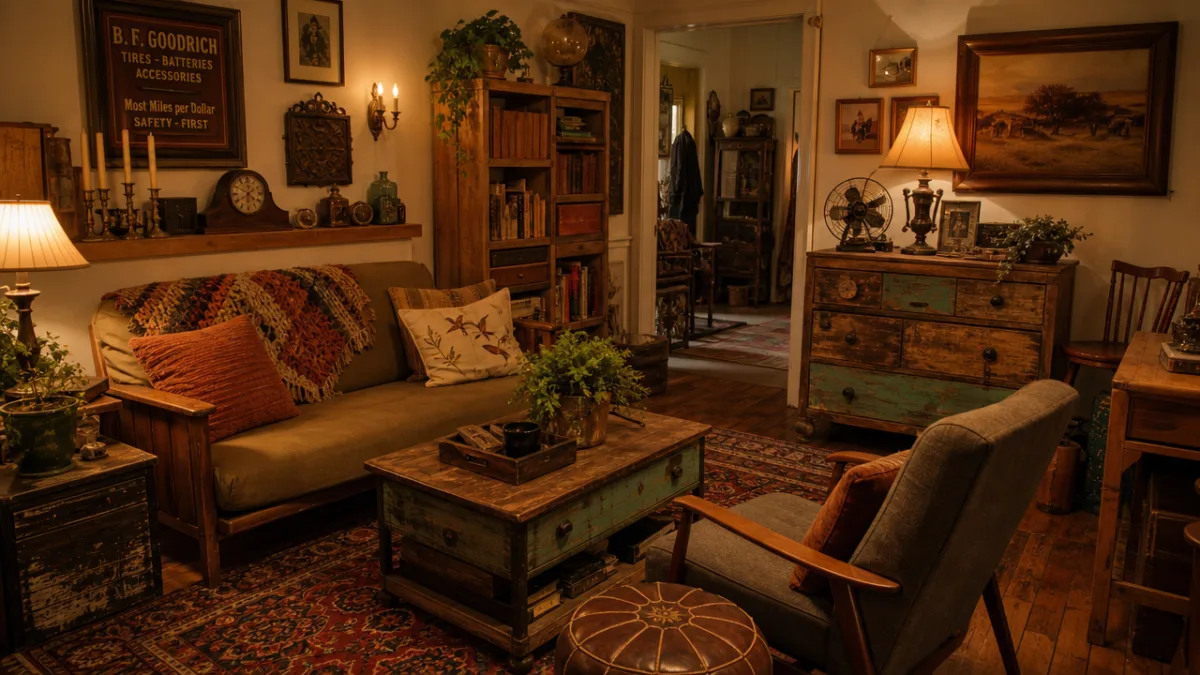
Different rooms in a home offer different opportunities for vintage decoration, and understanding the specific character of each space helps you make choices that feel both intentional and joyfully surprising. The living room, as the primary social space in most homes, is the natural place to make the boldest vintage statements, where a dramatic antique armoire, a collection of framed Victorian botanical prints, or an ornate gilded mirror can anchor the room’s aesthetic identity. This is the space where your most prized and characterful finds can claim the prominence they deserve, surrounded by thoughtfully chosen supporting pieces that enhance rather than compete.
The kitchen offers perhaps the most playful terrain for vintage quirky decor, where functional objects from earlier eras can be integrated into daily use with wonderful results. Vintage enamelware in bold colors, old glass storage jars filled with pantry staples, retro-inspired appliances, and hand-painted tile work all contribute to a kitchen that feels warm, human, and full of culinary history. Even small details like vintage-style drawer pulls, old ceramic soap dishes, and antique recipe books displayed on open shelving can transform an otherwise utilitarian space into something genuinely inviting and personal.
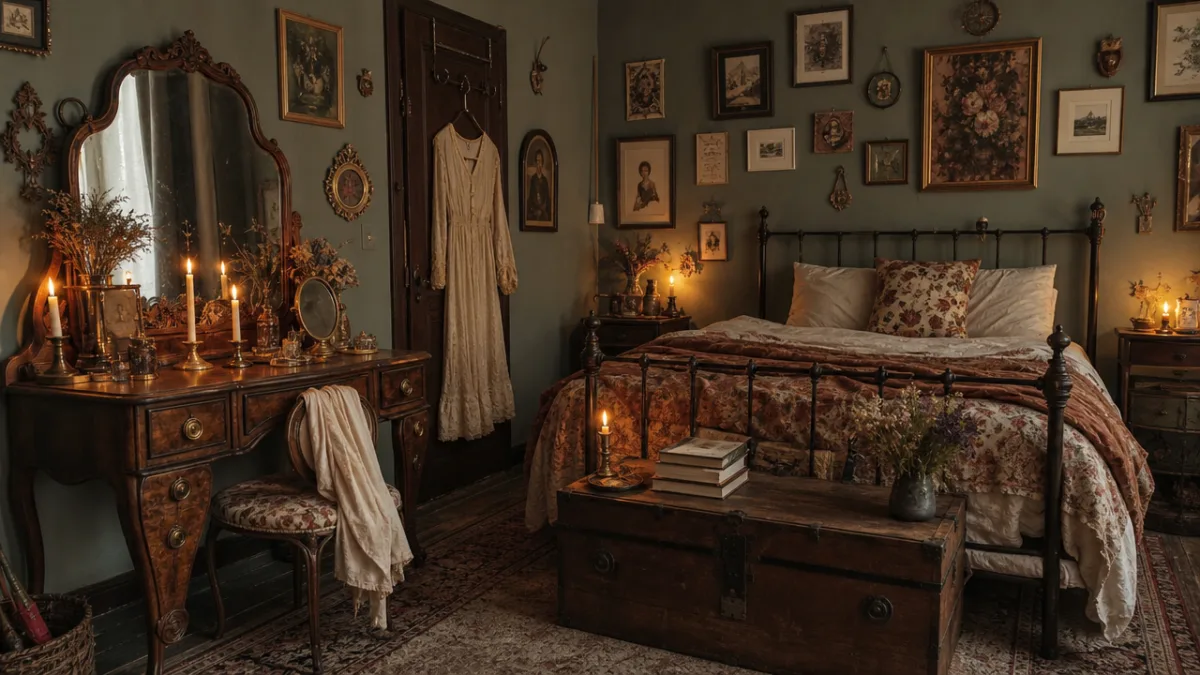
Bedrooms and bathrooms represent more intimate canvases for vintage expression, where the scale tends to be smaller and the objects more personal. An antique vanity table with its original mirror, a set of mismatched vintage perfume bottles arranged on a windowsill, or a collection of old travel photographs in weathered frames can turn a bedroom into a sanctuary of personal history and quiet beauty. In bathrooms, vintage apothecary jars, old medicine cabinet mirrors, and antique-style fixtures can elevate a purely functional space into something that feels spa-like and historically rich without requiring significant renovation.
Creating Cohesion Across Different Vintage Styles
One of the most common challenges faced by enthusiastic vintage decorators is the question of how to mix pieces from different eras, styles, and origins without the result feeling incoherent or overwhelmingly busy. The answer lies in identifying unifying elements that can thread through the diversity — a consistent color palette, a repeated material such as brass or dark wood, or a shared sense of scale and visual weight. When disparate vintage pieces share at least one quality in common, whether that is their patina, their geometric quality, or their country of origin, the eye reads them as belonging together despite their obvious differences.
Color, Texture, and Pattern in Vintage Decor
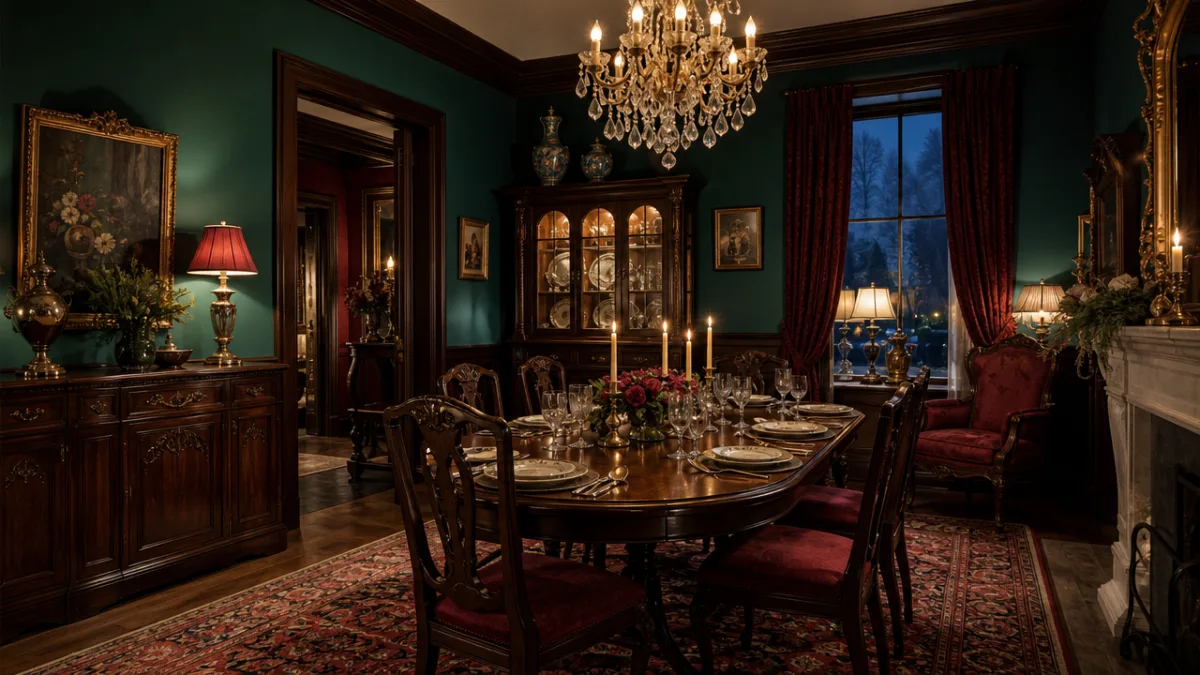
Vintage decor is rarely shy about color, and one of its most liberating qualities is the permission it grants to move beyond the safe neutrals that dominate so much contemporary interior design. The deep jewel tones of Victorian interiors — bottle green, oxblood red, midnight navy, and burnished gold — offer a richness that can make a room feel like a stage set for sophisticated living. Mid-century modern palettes bring in mustard yellows, avocado greens, and burnt oranges that feel simultaneously retro and surprisingly current. The art deco era contributed glamorous black and gold combinations alongside dusty rose and silver that remain eternally elegant.
Texture plays an equally vital role in creating the layered, sensory richness that distinguishes truly successful vintage interiors from merely thematic ones. Worn leather, rough linen, polished walnut, hammered copper, aged ceramic, and hand-knotted rugs each contribute a tactile dimension that transforms a space from visually interesting to genuinely immersive. The contrast between textures is especially powerful — a rough-hewn wooden beam above a smooth plaster ceiling, a velvet cushion against a weathered leather sofa, or a delicate lace runner across a heavy oak table all create the kind of visual tension that keeps the eye engaged and the room feeling alive.
Pattern in vintage decor encompasses an astonishing range, from the intricate geometry of Moorish-inspired Victorian tiles to the bold abstract prints of 1960s fabric design. Wallpaper remains one of the most dramatic tools available to vintage decorators, with historic patterns ranging from William Morris’s densely floral Arts and Crafts designs to the graphic, large-scale botanical prints that dominated 1970s interiors. The key to using pattern confidently in vintage spaces is to commit fully — a single wall of dramatic vintage wallpaper paired with plain painted surfaces elsewhere creates impact without chaos, allowing the pattern to breathe and be fully appreciated.
Signature Color Combinations by Vintage Era
Understanding the characteristic color stories of different vintage eras helps decorators make more informed choices when selecting and combining pieces from their collections. Victorian interiors were defined by deeply saturated tones and heavy contrasts, often featuring dark, richly grained woods paired with jewel-colored textiles and walls in deep burgundy or forest green. The Edwardian era brought a slightly lighter sensibility, introducing pale sage greens, soft yellows, and delicate blues alongside the white-painted woodwork that became a defining feature of the early twentieth century interior. Art Nouveau contributed organic, nature-derived palettes of soft lavender, warm ochre, and leafy greens inspired by botanical illustration.
- Victorian: deep burgundy, forest green, midnight blue, and rich gold with dark polished wood
- Art Deco: black and gold, dusty rose, silver, geometric ivory, and glamorous jewel tones
- Mid-Century Modern: mustard yellow, avocado green, burnt orange, and warm teak brown
- 1970s Bohemian: earthy terracotta, macrame cream, rust red, and deep chocolate brown
- French Provincial: faded lavender, soft sage, warm cream, and the blue-grey of aged shutters
Building a Vintage Decor Collection That Grows With You
The most rewarding vintage home collections are not assembled in a single shopping expedition but developed slowly over years, accumulating pieces that genuinely speak to their owner’s evolving taste, experiences, and memories. This organic approach to building a collection means that a home decorated in this way becomes a genuine autobiography in objects — a record of places visited, people known, and moments that mattered enough to be commemorated in something tangible. The flea market find from a road trip, the lamp inherited from a beloved grandparent, and the print discovered in a foreign city all combine to create a home that is uniquely and irreplaceably yours.
Developing patience is perhaps the most valuable skill a vintage decorator can cultivate. The temptation to fill a space quickly by purchasing whatever is available can lead to a room full of items that feel collected rather than chosen, numerous rather than meaningful. Experienced vintage decorators often speak of living with empty wall space or unfurnished corners for months, even years, waiting for the right piece to reveal itself rather than settling for something merely adequate. This discipline consistently produces better results, as each carefully chosen object carries more visual weight, more personal significance, and more lasting satisfaction than a hastily acquired fill-in could ever provide.
Caring properly for vintage pieces is an essential aspect of collecting that is often overlooked by enthusiastic beginners. Different materials require different approaches — wooden furniture benefits from regular waxing with appropriate products, metals need gentle cleaning that respects their natural patina rather than stripping it away, and vintage textiles should be stored properly and kept from prolonged exposure to direct sunlight, which fades color and weakens fibers over time. Learning to maintain your collection properly not only preserves the pieces themselves but deepens your relationship with them, as the ritual of care becomes a form of appreciation for the skill and materials that produced them.
Sharing and Documenting Your Vintage Collection
The vintage decor community is one of the most generous and enthusiastic corners of the broader interior design world, with countless blogs, social media accounts, and local groups dedicated to sharing finds, discussing sources, and celebrating the beauty of older objects given new purpose. Documenting your own collection through photography is not merely a way of sharing with others but a valuable practice for seeing your space with fresh eyes, noticing combinations that work particularly well and identifying areas that might benefit from reconsideration. The discipline of photographing your home regularly trains your visual perception in ways that make you a consistently better decorator over time.
Beyond social sharing, keeping a simple record of the provenance of your most significant pieces has genuine practical and sentimental value. Noting where a piece was found, what you paid for it, any markings or labels that might help identify its origins, and the story of how it came into your possession creates a personal archive that future generations will find invaluable. Many of the most poignant vintage pieces circulating through markets today were once cherished objects in someone’s home whose story has been entirely lost to time. By documenting your own collection, you ensure that the objects you love carry their narratives forward intact, remaining meaningful long after they pass from your hands to the next curious, appreciative owner who recognizes their worth.








What do you think?
It is nice to know your opinion. Leave a comment.