










The Art of Botanical Stock Photography: A Garden Library of Living Color
Understanding Botanical Stock Photography and Its Unique Appeal
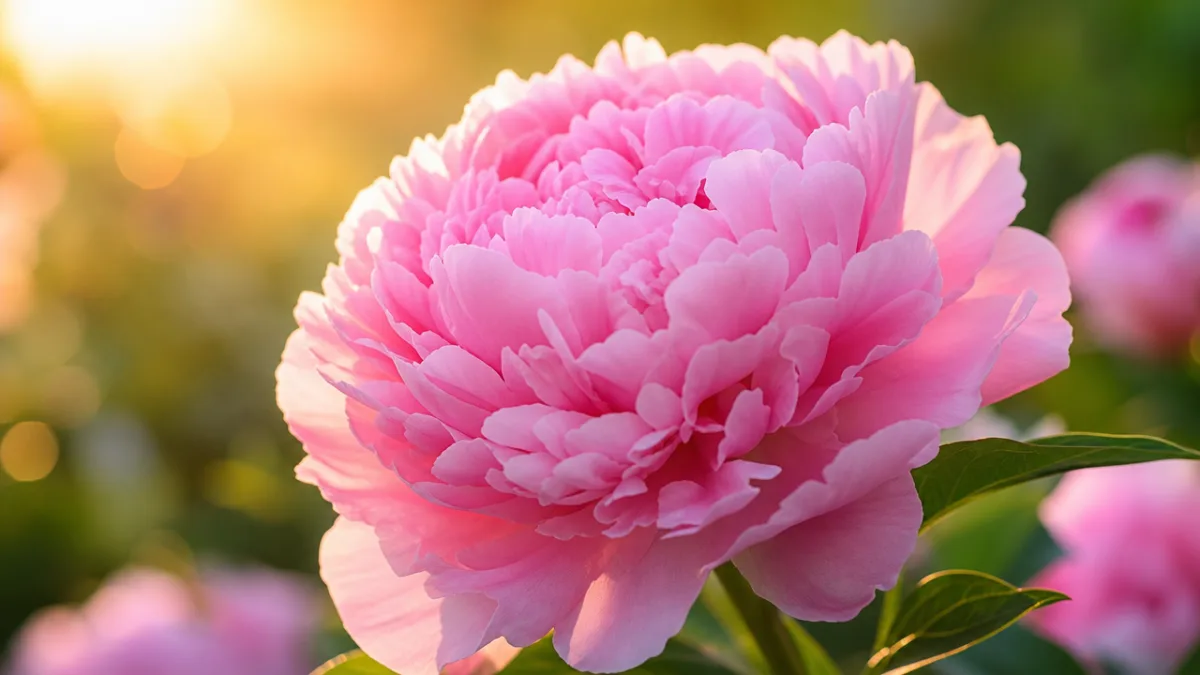
Botanical stock photography occupies a singular and captivating niche within the broader world of commercial image libraries. Unlike urban architecture or portrait photography, botanical work demands an intimate understanding of living subjects — subjects that bloom, wilt, shift with the wind, and respond to light in ways no human model ever could. Photographers who specialize in garden imagery develop a deeply personal relationship with the natural world, learning to anticipate the precise moment a peony unfurls its outermost petals or a morning dew drop catches the early sun just so. This sensitivity to timing and natural rhythm is what separates a truly exceptional botanical image from a merely competent one.
Stock photography libraries dedicated to garden and plant subjects serve an extraordinarily wide range of clients. Publishers producing gardening books, seed catalogs, and horticultural magazines rely on curated botanical collections to bring their editorial content to life. Interior designers use high-quality botanical prints and licensed images to create mood boards and illustrate proposals for clients. Pharmaceutical companies, herbal remedy brands, and wellness businesses frequently license botanical imagery to communicate the natural origins of their products. The commercial demand for beautiful, well-composed garden photography has never been stronger, and specialized libraries like PhotoBotanic Stock Photography have risen to meet that demand with remarkable depth and diversity of subject matter.
What distinguishes a dedicated garden photo library from a general-purpose stock agency is the depth of horticultural knowledge embedded within its organizational structure. At PhotoBotanic, images are catalogued not merely by color or composition, but by genus, species, cultivar name, bloom season, hardiness zone, and growing habit. This taxonomic precision is invaluable to a landscape architect searching for accurate visual references of a specific Hydrangea paniculata cultivar, or a botanical illustrator seeking photographic reference material for a scientific publication. The library functions simultaneously as an artistic resource and a horticultural database, bridging the worlds of visual creativity and plant science in a way that few other image sources can match.
The Craft Behind Garden Photography: Technique and Vision
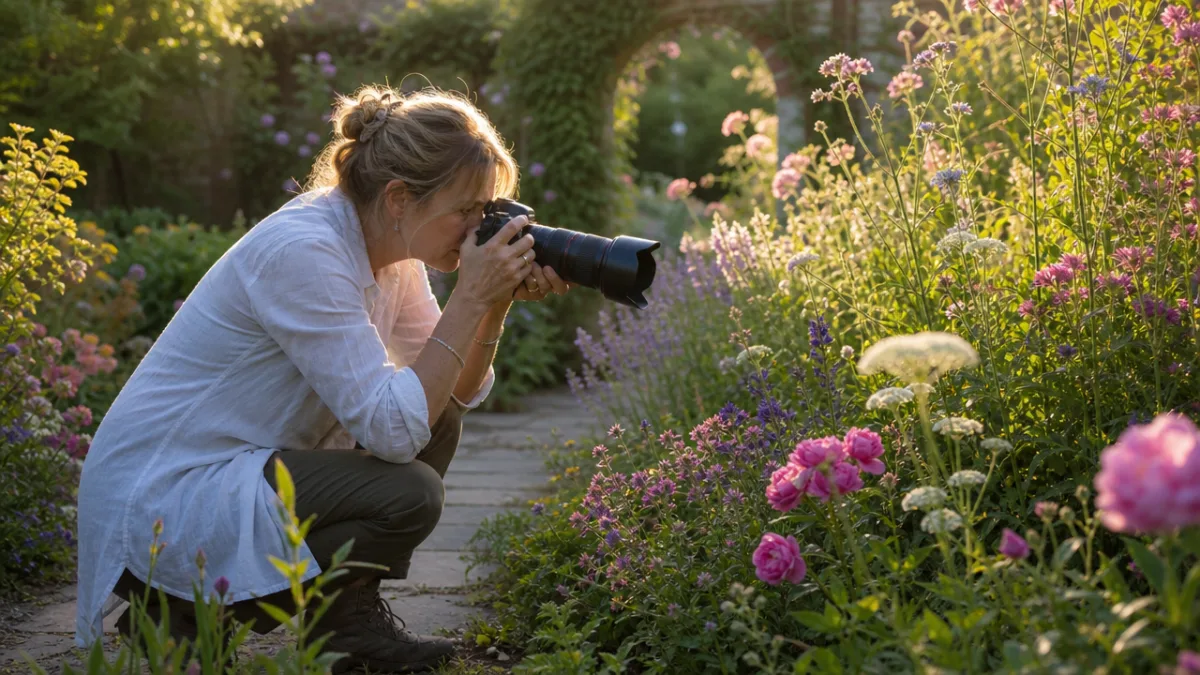
Capturing garden subjects at their most compelling requires a mastery of photographic technique that goes well beyond simply pointing a camera at a flower and pressing the shutter. Professional botanical photographers must possess a thorough command of depth of field, understanding how a wide aperture can isolate a single bloom against a softly blurred background of complementary color, creating images that feel both intimate and painterly. Equally important is the ability to work with natural light across its many moods and qualities — the harsh midday sun that bleaches delicate petals, the golden warmth of late afternoon that turns a simple meadow scene into something transcendent, or the cool, diffuse illumination of an overcast morning that renders subtle color variations with extraordinary fidelity.
Composition in botanical photography draws heavily from classical painterly traditions. The rule of thirds, leading lines, and the deliberate use of negative space all play important roles, but experienced garden photographers often develop compositional instincts that transcend formal rules. They learn to read a garden the way a poet reads a landscape — sensing the emotional weight of a particular arrangement of stems and leaves, recognizing when a patch of shadow adds mystery or when a burst of backlit translucence communicates pure joy. The best botanical stock images tell a story about a specific plant in a specific moment, and that narrative quality is precisely what makes them commercially valuable and artistically enduring.
Equipment choices in garden photography reflect both practical and aesthetic priorities. Many botanical specialists favor macro lenses that allow them to reveal the extraordinary architecture hidden within a single flower head — the intricate geometry of a dahlia’s spiral florets, the velvety texture of a rose petal’s surface, or the engineering marvel of a sweet pea’s tendrils as they reach for purchase on a trellis wire. Longer telephoto lenses allow photographers to compress distance and stack garden layers in visually dramatic ways, while tilt-shift lenses offer precise control over the plane of focus in ways particularly useful for capturing long herbaceous borders in their full glory. The choice of equipment is always in service of a larger creative vision rooted in deep love and respect for the living garden.
The PhotoBotanic Library: Building a Comprehensive Garden Archive
The PhotoBotanic Stock Photography Garden Library represents years of dedicated field work across gardens, nurseries, botanical institutions, and wild landscapes spanning multiple continents and climate zones. Building a collection of this breadth and depth requires not only photographic skill but also extraordinary organizational discipline, horticultural knowledge, and a long-term strategic vision for what a truly comprehensive garden archive should contain. Every image that enters the library passes through a rigorous curation process that evaluates technical quality, compositional strength, horticultural accuracy, and commercial utility. Only images that satisfy all of these criteria earn a place in the permanent collection.
A garden library of this caliber must address the full lifecycle of plant subjects across all four seasons. Spring collections emphasize fresh emergence — bulbs pushing through cold soil, cherry blossoms against clear blue skies, the tender lime-green of newly unfurled fern fronds. Summer imagery captures peak abundance: herbaceous borders at full expression, vegetable gardens laden with ripe produce, pollinator-rich wildflower meadows humming with insect life. Autumn contributions celebrate the dramatic senescence of foliage and the ornamental qualities of seed heads, berries, and fading perennials. Even winter deserves its own careful documentation, with frosted bark, skeletal tree forms, and the surprising beauty of evergreen structure under low-angled winter light.
Beyond seasonal considerations, a truly comprehensive botanical archive must address the full taxonomic sweep of the plant kingdom as it appears in cultivated and naturalistic settings. This means not only the obviously photogenic subjects — roses, dahlias, tulips, and peonies — but also the supporting cast of garden plants that create context, contrast, and naturalistic planting design. Ornamental grasses, structural shrubs, climbing plants on weathered surfaces, woodland ground covers, aquatic and marginal plants, and the humble but essential foliage perennials that knit a planting scheme together — all of these deserve thorough photographic documentation. The depth of a botanical library’s less glamorous holdings is often the truest measure of its professional usefulness.
Commercial Applications: Who Uses Botanical Stock Photography
The commercial applications for high-quality botanical stock photography are more diverse than many people outside the industry might initially appreciate. Book publishers represent one of the largest and most consistent categories of client, with gardening titles, illustrated horticultural references, wildflower field guides, and coffee table books all requiring extensive libraries of accurately identified plant imagery. A single illustrated gardening encyclopedia might license hundreds of individual photographs from a specialized library like PhotoBotanic, with each image needing to meet specific technical requirements for print reproduction while also depicting the correct plant at the correct stage of development and in a compositionally appropriate context.
The horticultural trade itself — nurseries, seed companies, plant breeders, and garden centers — relies heavily on professional botanical imagery for catalogs, point-of-sale materials, websites, and advertising campaigns. When a plant breeder introduces a new rose cultivar to the market, the photography used to represent that variety in trade publications and retail environments can significantly influence its commercial success. Buyers make purchasing decisions based on the emotional response triggered by a well-executed photograph, which means that the quality and accuracy of botanical imagery carries direct economic consequences for the horticultural industry. This commercial reality has driven steady demand for the kind of specialized, expertly curated botanical stock that dedicated libraries provide.
Beyond traditional publishing and horticultural trade applications, botanical stock photography finds growing commercial utility in the following sectors:
- Interior design and architecture: Large-format botanical prints and licensed wall art imagery have become central to biophilic design strategies in commercial and residential spaces, with designers seeking images that convey specific moods, color palettes, and stylistic sensibilities.
- Health, wellness, and food industries: Herbal remedy brands, organic food producers, aromatherapy companies, and spa businesses all leverage botanical imagery to communicate natural authenticity and connection to the plant world.
- Education and scientific publishing: Universities, botanical gardens, and scientific institutions require taxonomically accurate plant photography for teaching materials, research publications, and public interpretation programs.
- Digital media and content marketing: Blogs, social media platforms, websites, and digital advertising campaigns consume enormous quantities of botanical imagery, creating a high-volume, ongoing market for versatile, well-composed garden photography.
- Textile, wallpaper, and surface design: The fashion and interior decoration industries draw heavily on botanical motifs, with surface designers licensing photographic references to inform original pattern work.
The licensing structure that governs the commercial use of stock photography is an important consideration for anyone working with botanical image libraries. Rights-managed licensing allows photographers and libraries to maintain control over how an image is used, in which territories, for what duration, and at what scale of reproduction — with licensing fees calculated accordingly. Royalty-free licensing, by contrast, offers clients the ability to use an image multiple times for a single upfront payment, without ongoing per-use fees. Understanding these structures, and working with a library that offers clear, professional licensing agreements, is essential for any creative professional or commercial client seeking to incorporate botanical imagery into their work.
Seasonal Gardens and the Photographer’s Calendar
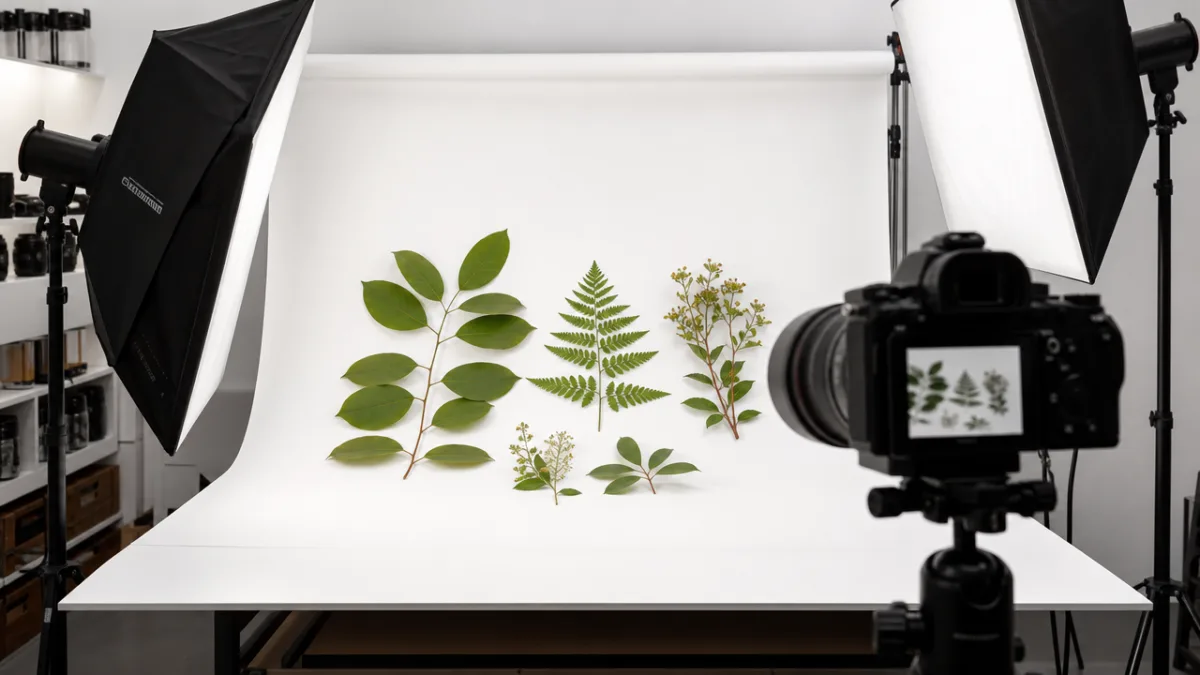
The botanical photographer’s working year is structured not by the conventional calendar of meetings and deadlines but by the uncompromising schedule of the natural world. Certain species bloom for only a matter of days, and missing that window means waiting an entire year for another opportunity. This demands a level of advance planning and meteorological awareness that most photographers working in other genres never need to develop. A specialist botanical photographer maintains detailed records of bloom times for hundreds of species across multiple gardens and geographical locations, cross-referencing this information with historical weather data and current seasonal conditions to anticipate the optimal shooting window for each subject.
Spring represents perhaps the most intensely demanding period in the botanical photographer’s calendar, precisely because so many important subjects reach their peak within such a compressed timeframe. Early spring bulbs — snowdrops, crocus, early daffodils, and scillas — may overlap with late-winter flowering shrubs like witch hazels and early-blooming magnolias, creating a frantic succession of shooting opportunities that can stretch the most organized photographer’s scheduling capabilities. The cherry and apple blossom season that follows is similarly intense, with peak bloom sometimes lasting only three to five days before wind and rain strip the delicate flowers from the branches. Capturing these subjects at their precise peak, in favorable weather and pleasing light conditions, requires constant readiness and the ability to rearrange one’s schedule at very short notice.
Summer offers a different rhythm — longer days, more predictable weather in many climates, and a broader range of subjects reaching their peak across an extended period from late spring through early autumn. This is the season when herbaceous borders, kitchen gardens, rose gardens, and wildflower meadows demand the most attention, with new subjects coming into their prime almost every week. The experienced botanical photographer develops efficient routing strategies to visit multiple gardens within a single day or trip, maximizing productivity while ensuring that each subject receives the unhurried attention it deserves. Late summer and early autumn add the richness of fruit, seed heads, and beginning autumn color to the mix, extending the productive shooting season and adding variety to what the library’s collection can offer its clients.
Building a Career in Botanical Photography: Skills, Education, and Community
A sustainable career in botanical and garden photography requires the careful development of skills that span two quite different fields of knowledge. On one side lies the technical and artistic world of professional photography — the mastery of camera systems, lighting principles, post-processing workflows, file management, and the business practices of licensing, client communication, and self-promotion. On the other side lies a deep and continually expanding knowledge of the plant world — taxonomy, cultivation, garden design history, horticultural seasons, and the ability to accurately identify subjects by their correct botanical names. Practitioners who excel in both dimensions simultaneously are genuinely rare, which is precisely why specialized botanical photography represents such a distinctive and defensible professional niche.
Formal education pathways into botanical photography can approach the discipline from either direction. Fine art photography programs provide rigorous technical and conceptual foundations, while horticultural or botanical science degrees offer the plant knowledge that gives specialist botanical photographers their professional credibility and competitive edge. Many of the most successful practitioners, however, have developed their expertise through a combination of self-directed study, apprenticeship with established photographers, and years of field experience in gardens and natural landscapes. Membership in professional organizations such as the Garden Writers Association, the Royal Horticultural Society’s Photographic Committee in the UK, or regional horticultural societies provides valuable networking opportunities and access to shooting permissions at significant gardens and collections.
The community of botanical photographers, while small relative to the broader photography industry, is characterized by remarkable generosity and collegial spirit. Experienced practitioners frequently share knowledge about challenging shooting locations, optimal seasonal timing, and technical approaches to difficult subjects. Online communities, dedicated workshops at significant garden venues, and regional meetups create opportunities for practitioners at all career stages to learn from one another and develop the relationships that sustain a long-term career in this specialized field. Contributing to a respected library like PhotoBotanic Stock Photography Garden Library represents both a commercial opportunity and a meaningful participation in an ongoing collective project — the comprehensive visual documentation of the extraordinary diversity and beauty of the cultivated and natural plant world for the benefit of future generations of gardeners, scientists, designers, and lovers of the natural world.
The Future of Botanical Stock Photography in the Digital Age
The digital transformation of the photography industry has brought profound changes to the world of botanical stock photography, reshaping how images are created, stored, discovered, and licensed. The transition from film to digital capture has dramatically lowered the incremental cost of image-making, enabling photographers to experiment more freely and build collections more rapidly than was ever possible in the analog era. Digital asset management systems allow libraries like PhotoBotanic to organize, keyword, and make accessible tens of thousands of images in ways that would have been logistically impossible with physical transparency collections. Clients can now search vast archives by highly specific criteria — color palette, plant family, seasonal context, compositional style — and license images instantly from anywhere in the world.
Artificial intelligence tools are beginning to influence botanical photography workflows in ways that are both promising and thought-provoking. AI-powered image recognition systems can assist with the keywording and taxonomic classification of large volumes of imagery, reducing the manual labor involved in building and maintaining a comprehensively catalogued botanical archive. AI-enhanced post-processing tools offer new capabilities for noise reduction, color accuracy, and fine detail rendering that are particularly valuable when working with the subtle tonalities of flower petals and the complex textures of foliage. At the same time, the broader conversation about AI-generated imagery and its relationship to the commercial photography market raises important questions about the long-term value and economic sustainability of human-made botanical photography — questions the industry is actively working to address through advocacy, licensing frameworks, and the cultivation of audiences who understand and value authentic photographic craft.
Despite these technological disruptions, the fundamental value proposition of specialized botanical stock photography remains robust and convincing. Authentic garden photography captures not just the visual appearance of plants but their living presence — the specific quality of light that falls on a particular rose garden on a June morning, the atmospheric depth of a woodland glade in early spring, the kinetic energy of grasses moving in a summer breeze. These qualities of presence, specificity, and lived experience are things that no generative system can yet replicate with the fidelity and emotional resonance of a photograph taken by a knowledgeable, passionate, and technically accomplished human photographer working in direct relationship with the living plant world. The PhotoBotanic Stock Photography Garden Library stands as a testament to that irreplaceable human dimension of botanical image-making — a growing, evolving archive of beauty, knowledge, and devoted attention to the extraordinary world of plants.








What do you think?
It is nice to know your opinion. Leave a comment.