










Repurposed Wedding Dress Ideas That Are Actually Gorgeous
Why Repurposing Your Wedding Dress Makes Beautiful Sense
Your wedding dress isn’t just a dress — it’s probably the most meaningful thing you’ll ever wear. But here’s the thing: most wedding dresses spend their retirement sealed in a box somewhere in a closet or attic, never to see daylight again. When you consider that the average gown runs anywhere from $1,500 to $3,000 (and plenty of brides spend much more than that), letting it collect dust starts to feel like a real shame that nobody talks about enough.
The good news? There’s a whole creative movement built around giving wedding dresses a second life. We’re talking everything from dramatic makeovers into cocktail dresses to heirloom quilts and christening gowns — and the results are genuinely gorgeous. This isn’t about carelessly cutting up something you love. It’s about honoring a beautiful garment by letting it keep being beautiful in new ways. Tailors, artisans, and crafty brides have all figured out that wedding dress fabric — usually silk, chiffon, lace, or satin — is incredibly versatile stuff.
There’s also a real environmental angle here. The fashion industry produces a staggering amount of textile waste, and bridal fashion is one of the worst offenders since so many gowns are worn exactly once. Choosing to transform your dress instead of tossing it is a genuinely meaningful decision, one that marries sustainability with sentimentality. And unlike donating your gown, repurposing keeps your personal story alive in something tangible — something you can wear, display, or hand down to the people you love.
Transforming Your Gown Into Wearable Fashion
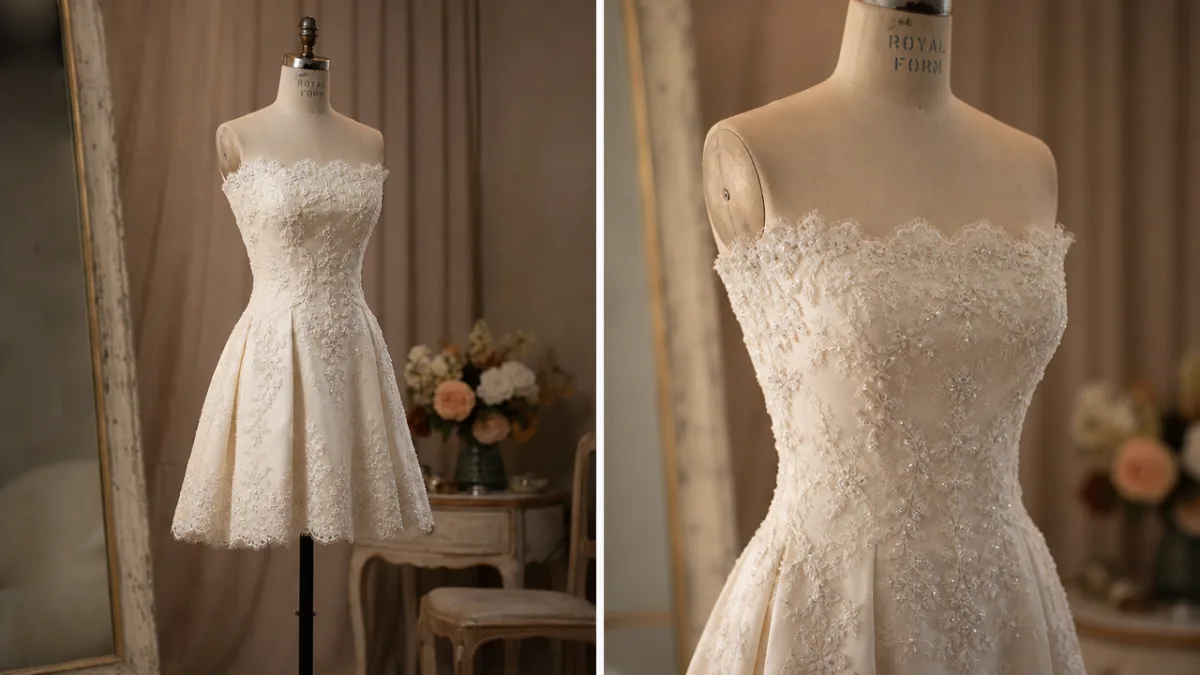
One of the most popular ways to give a wedding dress new life is turning it into something you’ll actually wear again. A skilled tailor can take a full ballgown and transform it into a beautiful cocktail dress — removing the train, shortening the skirt to knee or midi length — and what you end up with is an elegant party dress that still has all those gorgeous details. The delicate beading, the hand-sewn lace appliqués, the intricate embroidery — it all stays, just in a silhouette that actually works for your life now.
If your gown was on the simpler, more minimalist side, you might be surprised how easily it translates into a chic sundress or flowy midi. Lightweight fabrics like chiffon and organza are practically made for bohemian-style day dresses — the kind you’d wear to a garden party, a bridal shower, or an anniversary dinner. Throw in a colored sash, dye portions of the fabric, or style it with bold accessories, and you’ve got something that feels completely fresh while still honoring where it came from.
Some brides go even more unexpected with it. Wedding dress fabric has been turned into wrap skirts, tailored blazers with lace trim, elegant blouses, and even bridal-inspired jumpsuits. The key is finding a tailor who really understands bridal fabrics — how they’re structured, how they behave, and how to work with them. Before you commit to anything, gather some inspiration images and have a real conversation about what’s actually possible with your specific gown. The more informed you go in, the happier you’ll be with the result.
- Cocktail or midi-length party dress using the bodice and shortened skirt
- Flowy boho sundress made from lightweight chiffon or organza layers
- Tailored blazer with lace trim or appliqué details preserved from the original gown
- Wrap skirt using the skirt panels and a new waistband
- Elegant blouse crafted from the bodice with added lining or backing
Creating Timeless Heirloom Keepsakes
If you can’t picture yourself wearing the dress in any other context but still want it to be part of your everyday life, turning it into an heirloom object might be the perfect answer. Quilts made from wedding dress fabric are probably the most beloved version of this idea. Imagine a quilt stitched together from the silk and lace of your gown — something functional and beautiful that can be passed down for generations, with the story of a marriage literally sewn into every seam. Plenty of textile artists specialize in exactly this kind of bridal keepsake work.
Framed shadow boxes are another stunning option. Instead of tucking the whole gown away, you take the most beautiful piece of it — maybe a heavily beaded panel, a section of dramatic lace, or a hand-embroidered hem — and have it professionally mounted and framed. These pieces work as genuine works of art in your home. Hung in a bedroom or hallway, a framed wedding dress panel is visually striking in a way that’s also deeply personal — the kind of thing that sparks a conversation and tells a story that no piece of purchased art ever could.
On a smaller scale, ring bearer pillows, decorative cushions, and table runners are all wonderful projects for wedding dress fabric. A ring bearer pillow made from your original gown is an especially touching thing to bring into a child’s or sibling’s future wedding. Lace-paneled or beaded cushions add a quiet elegance to a bedroom or sitting room. And a table runner made from silk or satin wedding dress fabric? It creates a stunning centerpiece for anniversary dinners or holiday gatherings, drawing a beautiful line between celebrations across the years.
Repurposing Wedding Dresses for Future Generations
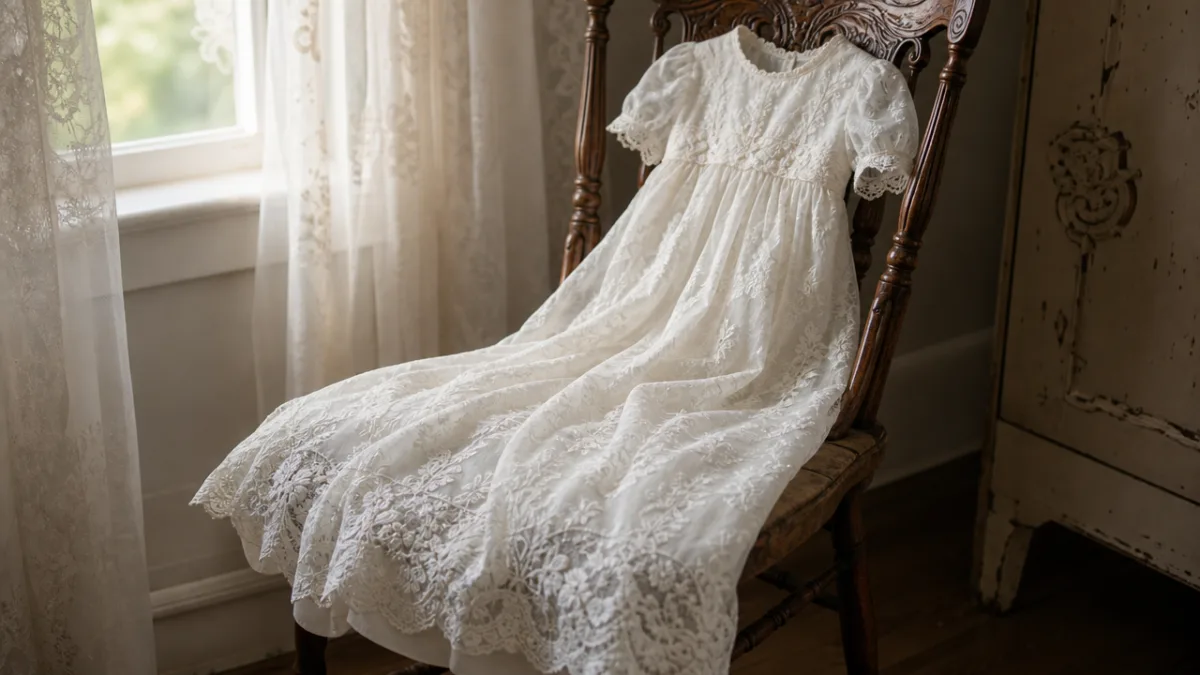
Of all the ways to repurpose a wedding dress, this one might be the most emotionally powerful: transforming it into something made specifically for the next generation. Christening gowns and baptism outfits made from wedding dress fabric have a history going back centuries in many cultures, and it’s easy to understand why. The symbolism just works — a garment worn at the start of a marriage becomes a garment worn at the start of a child’s spiritual life. Many seamstresses who specialize in bridal work also do christening gowns, and the results are often breathtakingly delicate.
First communion dresses, flower girl gowns for future family weddings, and even dress-up costumes for little ones can all come from a repurposed wedding dress. There’s something really special about a child growing up knowing that their fancy dress was made from their mom’s or grandmother’s wedding gown — it creates a tangible connection between generations that photos and stories alone just can’t replicate. Brides who go this route often say it’s one of the most meaningful things they did in the years after their wedding.
It’s also worth thinking about keepsakes for adult children as they approach marriage themselves. A pocket square cut from your wedding dress lace is a profoundly touching gift for a son on his wedding day. A small piece of fabric sewn into the hem of a daughter’s own wedding gown carries on a tradition with deep roots in cultures all over the world. These gestures take very little fabric and minimal work, but they weave something lasting into a family’s story — turning one dress into a thread that runs through generations.
Artistic and Home Décor Transformations
Wedding dress fabric has qualities that make it genuinely exceptional for art and home décor projects. The lustre of silk, the texture of lace, the soft drape of chiffon — these are things interior designers and textile artists actually seek out. Many brides are surprised to discover that their gown contains enough beautiful material to make real, gallery-worthy fiber art. Embroidery hoops stretched with lace sections, for example, make elegant wall arrangements that feel both modern and personal — the kind of thing that fits right into a carefully curated home without looking like a craft project.
Lace-covered lampshades create an incredibly romantic lighting effect in a bedroom or reading nook. When the light is on, the lace casts intricate shadow patterns across the walls, turning an ordinary lamp into something almost magical. In a similar vein, curtain panels or window sheers made from wedding dress chiffon or organza bring a soft, luminous quality to a room that you just can’t buy off the shelf. These applications let you enjoy the fabric every single day instead of hiding it away in the dark.
For the craft-minded, a wedding dress opens up a whole world of smaller projects too. Book covers, journal covers, fabric photo albums, decorative ribbon wands — all of these are meaningful and very achievable. Incorporating swatches of wedding dress fabric into scrapbooking or a memory box adds a tactile, dimensional quality to your keepsakes that photographs alone can’t match. Even something as simple as framing a small piece of beautiful lace next to your wedding photo creates a display that’s more emotionally alive and texturally interesting than a standard print.
- Lace-filled embroidery hoop wall art arranged in a gallery wall display
- Lampshades wrapped or covered with lace for romantic ambient lighting
- Window sheers or curtain panels made from chiffon or organza layers
- Decorative journal covers or fabric-bound memory albums
- Framed lace swatches paired with wedding photographs
- Fabric ribbon wands or decorative garlands for anniversary celebrations
Practical Tips for Getting Your Wedding Dress Repurposed Successfully
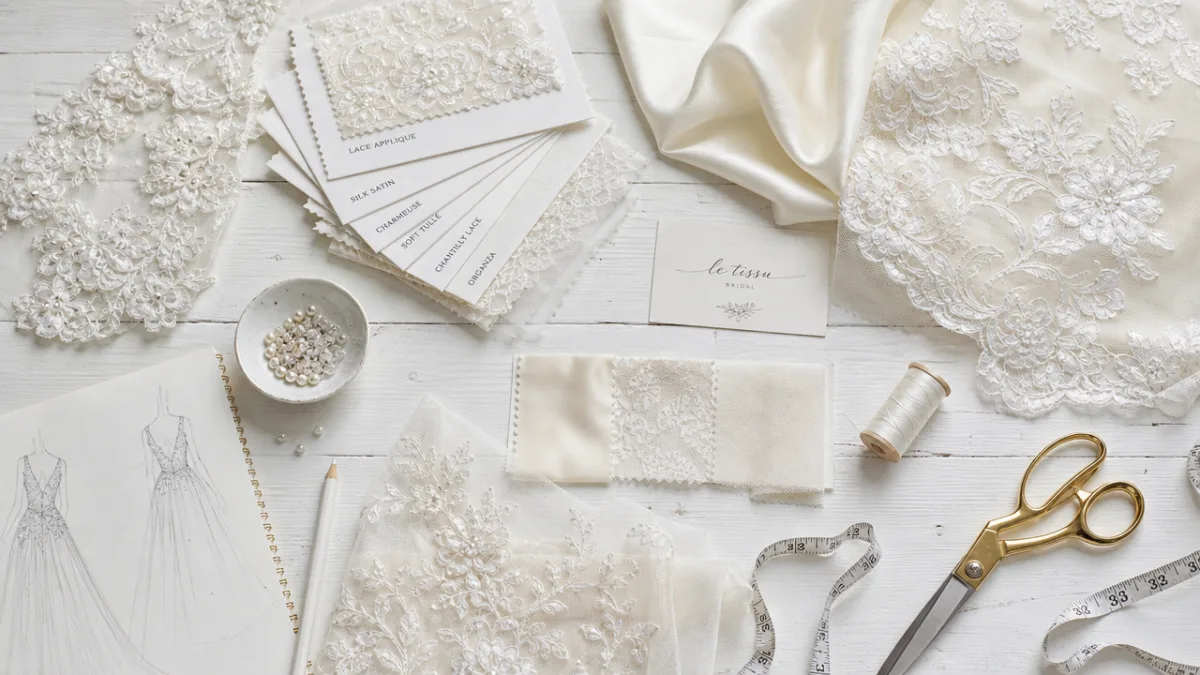
The single most important thing you can do is find the right person for the job. Not every tailor or seamstress has experience with bridal fabrics, and these materials behave very differently from everyday garments. Silk satin frays easily, lace needs careful handling and the right needles, and most gowns have complex internal boning and structure that takes real skill to work around. Look specifically for professionals with a portfolio of bridal alterations or repurposing projects, ask to see examples of their work, and read reviews before you commit to anyone.
Before you walk into any consultation, spend some time thinking clearly about what you actually want and pulling together some reference images. The more specifically you can describe your vision, the better your outcome will be. It also helps to know what your dress is made of — if you still have paperwork from the original purchase listing the fabric content, bring it. If not, a good seamstress can figure it out by touch and sight. Some projects will also require cleaning or pre-treating the gown first, especially if there’s any staining from the wedding day.
Be realistic about your budget. Repurposing is generally more cost-effective than buying comparable new items, but skilled craftsmanship isn’t free. A quality alteration turning a gown into a wearable cocktail dress might run $200 to $600 depending on the complexity and the professional’s rates. Heirloom quilts and christening gowns from specialist artisans can go higher. That said, when you weigh what the dress originally cost against what the finished piece will mean to you and your family, most brides who do this find it more than worth it — often surprisingly affordable given the value it creates.
Finally, don’t feel like you have to make one big, definitive choice. Lots of brides end up doing something like having their gown altered into a wearable dress while also saving a piece of the most beautiful lace for a shadow box — the best of both worlds. A good professional can help you think through how to divide the fabric smartly across multiple projects so nothing goes to waste. The goal isn’t to erase your wedding day. It’s to extend its story into all the days, years, and generations that come after.








What do you think?
It is nice to know your opinion. Leave a comment.