










River Rye Table: A Complete Guide to This Stunning Furniture Piece
What Is the River Rye Table?
The River Rye Table is one of those furniture pieces that feels like it has a story to tell before you even sit down at it. The name itself pulls from the natural world — the easy, winding path of a river, the warm golden sway of rye grain — and that spirit carries through everything about the design. It belongs to a tradition that puts raw materials and honest craftsmanship front and center, and it sits in that sweet spot between rustic and refined, which is exactly why it works so well in so many different kinds of spaces.
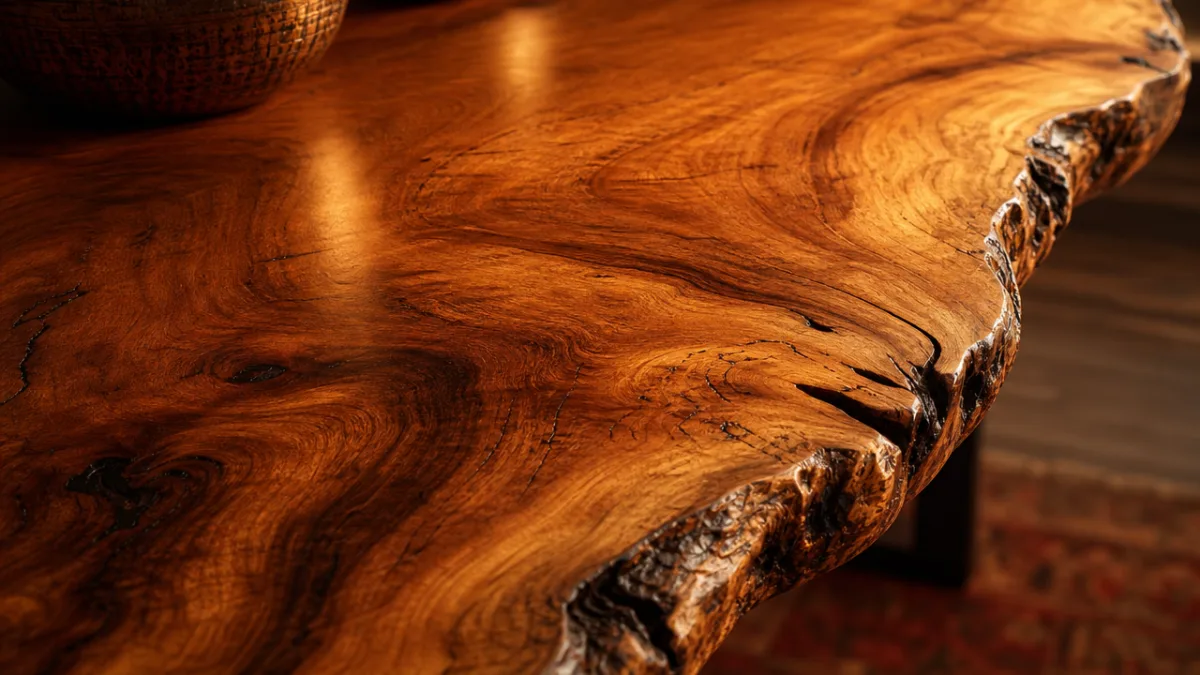
At its heart, what defines a River Rye Table is live-edge or deeply grained wood, often paired with something that creates a bit of contrast — a metal base, a resin inlay, maybe a stone accent. The combination lands somewhere between grounded and elevated, sturdy enough to anchor an entire room while still being the kind of thing guests comment on. And because no two pieces of wood are ever quite the same, every table ends up being genuinely one of a kind.
What really separates this from anything you’d find in a big-box furniture store is how the maker treats the wood itself. Those knots, burls, mineral streaks, and wandering grain lines? They’re not flaws to fix — they’re the whole point. The name “River Rye” captures this perfectly: a river doesn’t ask permission before changing course, and rye doesn’t stand rigid in the wind. That effortless, unforced quality is exactly what the best makers are chasing when they sit down with a slab.
The History and Design Philosophy Behind River Rye
To understand where the River Rye Table comes from, you have to go back to the mid-twentieth century and the craftsmen who basically said “no thanks” to industrial furniture. George Nakashima and Wharton Esherick were the big names — artists who believed that each piece of timber deserved to be treated as an individual, not a raw material to be standardized away. That philosophy never really went out of fashion, and the River Rye Table is very much a continuation of what they started.
There’s also a strong thread of wabi-sabi running through this kind of work — the Japanese idea that imperfection and impermanence are where the real beauty lives. A crack running through a tabletop, filled with glowing resin, isn’t something to apologize for; it’s something to highlight. The way a walnut slab widens and narrows as it follows the shape of the original tree isn’t an inconvenience to be worked around; it’s what makes the piece worth having. It’s a worldview that asks you to slow down and actually look at the material world around you.
Contemporary makers have taken this further by weaving in sustainable sourcing, reclaimed timber, and a real commitment to knowing where their wood comes from. A lot of River Rye Table makers work specifically with fallen trees, storm salvage, or carefully managed forests, so the piece you end up with carries an ethical story alongside the aesthetic one. That adds something — a dining table that came from a tree with a known history feels less like furniture and more like an heirloom from the start.
Materials and Construction Techniques
Choosing the wood for a River Rye Table is where the whole process really begins, and craftsmen take it seriously. The most common choices are hardwoods with both the visual richness and the structural backbone to carry a piece like this — black walnut, white oak, cherry, maple, and elm all show up regularly. Each one brings something different: walnut has those deep, chocolatey tones and a clean, fine grain; oak is bold and durable with that distinctive ray fleck pattern; cherry starts warm and only gets more beautiful as it ages; and elm has this almost fluid, interlocking grain that feels like it’s in motion even when the table is standing still.
Before any shaping happens, the slab has to be properly dried — sometimes for a year or more, depending on thickness. Rush that step, and you’ll end up with a table that warps and cracks once it’s in your home. Once it’s ready, the maker starts flattening, surfacing, and shaping, usually with a mix of hand tools and precision machinery. Live edges get cleaned up and stabilized, but always with the goal of keeping as much of that original bark line and natural contour as possible.
The base is just as important as the top — it shapes both the structural integrity and the overall feel of the piece. Hand-forged steel trestles, hairpin legs in blackened iron, turned wooden pedestals, sculptural welded frames — each one pulls the table in a different direction. A sleek steel trestle reads more industrial; a hand-carved wooden base makes the whole thing feel more deeply artisanal. The finish — whether that’s hand-rubbed oil, hard wax, or catalyzed lacquer — is the final layer, sealing the wood while pulling out its color and depth.
- Black Walnut: Rich, dark tones with fine grain and excellent workability, ideal for dramatic, statement-making tables.
- White Oak: Durable and bold with prominent ray fleck figure, well-suited to both rustic and contemporary interiors.
- Cherry: Warm reddish-brown tones that deepen beautifully with age and light exposure.
- Maple: Light, creamy coloring with subtle figure, offering a clean, Scandinavian-influenced aesthetic.
- Elm: Dramatic interlocking grain with high visual energy, perfect for maximizing natural character.
Incorporating the River Rye Table Into Your Home
One of the things people are often surprised by is how adaptable a River Rye Table actually is. You might expect something with this much natural presence to feel demanding or hard to style around, but it tends to be the opposite. It works in a bohemian space layered with texture and pattern, and it works just as well in a spare, Scandinavian-minimalist room. In a loft with concrete floors and exposed steel, a live-edge walnut table brings exactly the warmth and organic softness the space needs. In a farmhouse kitchen, it just feels right at home.
The main styling principle worth keeping in mind is to let the table lead. It’s already doing a lot visually, so the accessories around it don’t need to compete. Simple, well-made textiles work best — linen napkins, hand-thrown ceramic dinnerware, understated glassware that keeps the focus on the wood. Plants are a natural fit too, reinforcing the organic feeling without crowding it.
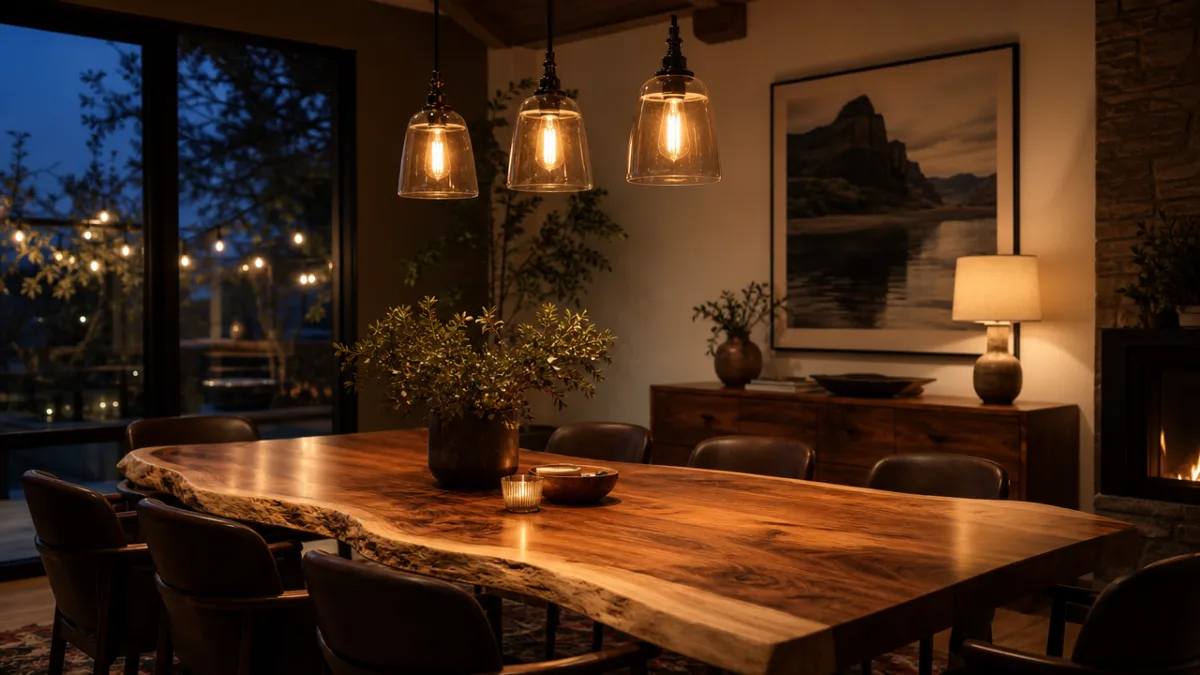
Lighting deserves real thought, especially in a dining setting. Pendant lights hung low over the table create those warm, intimate pools of light that really make the grain come alive. Edison-style filament bulbs, matte brass fixtures, hand-blown glass pendants — any of these complement the handmade quality of the table without upstaging it. And don’t underestimate natural light: a River Rye Table near a window will reward you differently at 8am in January than it does at 6pm in July, and that shifting quality is honestly one of the best things about owning a piece like this.
Caring for and Maintaining Your River Rye Table
A River Rye Table is an investment, and like any good investment, it benefits from a little ongoing attention. The reassuring news is that good wood furniture is more resilient than most people give it credit for, and keeping it looking great doesn’t require much time or effort. The most important thing to know upfront is what kind of finish your specific table has, because that determines everything about how you care for it.
If your table has a penetrating oil or hard wax finish — which is common with artisan makers who favor a more natural, matte look — the main task is reapplying that finish once or twice a year. In between, a soft damp cloth for cleaning and drying right away is all you need. Use coasters, placemats, and trivets consistently. Avoid leaving standing water on the surface. A good mental model is to think about how you’d treat fine leather: gentle, regular attention keeps it looking its best for decades.
Tables with a film finish like polyurethane or catalyzed lacquer are more resistant to day-to-day wear and easier to wipe clean, but they’re trickier to repair if the surface gets scratched or chipped — at some point you may be looking at a full refinish. Whatever the finish, keep the table out of direct, sustained sunlight, which causes uneven fading over time. And pay attention to humidity: wood moves with the seasons, expanding and contracting as moisture levels change, so keeping your indoor humidity somewhere between 35 and 55 percent goes a long way toward preventing cracking or warping over the years.
- Wipe spills immediately with a soft, absorbent cloth to prevent moisture from penetrating the finish.
- Use placemats, coasters, and trivets consistently to protect against heat and moisture damage.
- Apply a fresh coat of recommended oil or wax once or twice per year, following the maker’s instructions.
- Avoid placing the table in direct, sustained sunlight or near heating vents and radiators.
- Maintain indoor humidity between 35 and 55 percent to minimize wood movement and cracking.
- Clean with a lightly dampened cloth and mild soap — never harsh chemicals or abrasive scrubbers.
Sourcing and Commissioning a River Rye Table
The first decision you’ll face is whether to buy a ready-made piece or commission something custom. Both are legitimate paths, and which one makes sense really depends on your timeline, budget, and how specific your needs are. Sometimes you see a finished piece from a maker and you just know — the dimensions work, the wood is stunning, and you don’t need to change a thing. But if your space has particular requirements, or you have a clear vision of the wood species, base style, and finish you want, working directly with a craftsman gives you something a ready-made table can’t.
When you’re researching makers, look for transparency. Do they talk openly about where their timber comes from? Can they walk you through their construction and finishing process? Do they have a portfolio that shows consistent quality across multiple pieces, not just one great photo? If you can visit a workshop in person, do it — seeing the materials, the joinery, and the tools up close tells you far more than any website can.
Pricing is all over the map depending on slab size, wood species and grade, base complexity, and the maker’s reputation. A quality dining table from an established artisan typically starts somewhere in the low thousands and can climb into the tens of thousands for an exceptional slab or a particularly complex commission. That’s a significant step up from mass-market furniture, but the value case is real: a well-made River Rye Table isn’t something you replace every ten years. It’s something you pass on.
Finding makers has never been easier, thankfully. Artisan marketplaces, woodworking communities on Instagram, and design-focused Pinterest boards have created a genuinely thriving ecosystem where talented craftspeople can connect directly with buyers who are looking for exactly what they make. Social media in particular has become central to how makers like the people behind the River Rye Table concept build their reputations — so if you dig into those communities a little, you’ll find more options than you’d expect, wherever you happen to live.

The Cultural and Emotional Significance of Handcrafted Tables
There’s something deeply human about gathering around a table. It’s one of those things that holds true across every culture and every era of recorded history — the table is where we share food, mark the big occasions, work through hard conversations, and settle into the ordinary rhythms of daily life. A handcrafted table like the River Rye Table brings something extra to all of that, because it’s an object made by human hands, from a material that was once alive, with skill and care that no machine can replicate.
When you sit down at a River Rye Table, you’re not just connecting with the people across from you. You’re connecting in some small way with the tree that gave the timber, the craftsman who shaped it, and the long, unbroken tradition of making and gathering that runs through human history. That’s not just a romantic idea — researchers who study material culture have actually documented how the objects we live with shape how we feel and behave, and it turns out that things made with genuine care and natural materials tend to bring out exactly the warmth and presence most of us are hoping to feel at home.
At its best, the River Rye Table is more than a surface. It becomes an anchor for a household — the place where the kids spread out their homework, where adults wind down over dinner, where guests feel welcomed and milestones get marked. Choosing a piece of furniture with this kind of depth isn’t a grand statement, but it is a meaningful one. It’s an investment in wood and craft, yes, but it’s also an investment in the quality of the time you spend in your own home — and that’s really what it comes down to.








What do you think?
It is nice to know your opinion. Leave a comment.