










Retro-Style Fabric Bag Ideas – Free for All Uses
There is something endlessly captivating about the aesthetic of retro-style fabric bags. Whether you are drawn to the bold geometric prints of the 1960s, the earthy macramé textures of the 1970s, or the neon-kissed nylon patterns of the 1980s, vintage-inspired bag design has experienced a remarkable renaissance in modern craft culture. These bags are not simply accessories — they are wearable art pieces that carry stories, memories, and a distinct sense of personality. Their growing popularity across social media platforms like Pinterest reflects a collective hunger for handmade, meaningful objects in an increasingly disposable world.
What makes retro fabric bags particularly compelling is their versatility. A single design concept can yield dozens of variations — different fabrics, handles, closures, and embellishments transform a basic silhouette into something entirely unique. Whether you are an experienced sewist with a fully equipped studio or a beginner cutting your first pattern on a kitchen table, the world of retro bag-making welcomes you with open arms. The community surrounding this craft is generous, sharing ideas and free patterns freely, embracing the spirit that good design should be accessible to everyone, regardless of budget or experience level.
In this article, we will explore the most exciting retro-inspired fabric bag ideas available for free use, diving deep into historical influences, fabric choices, construction techniques, creative embellishment strategies, and practical tips for making your bags functional as well as beautiful. Whether you want to sew a market tote, a structured handbag, or a whimsical crossbody pouch, the following sections will give you the inspiration and foundational knowledge to bring your retro bag vision to life with confidence and creativity.
The History and Appeal of Retro Bag Design
To truly appreciate retro-style fabric bags, it helps to understand the eras and movements that shaped their visual language. The 1950s introduced structured handbags with clean lines and ladylike proportions, often crafted from sturdy cotton or brocade fabrics in pastel hues or bold black-and-white combinations. These bags were designed to complement the nipped-waist silhouettes of the era, carrying a sense of polished elegance that felt aspirational and refined. When we recreate these styles today in cotton canvas or quilting fabric, we pay homage to an era when craftsmanship was deeply valued and every stitch mattered enormously.
The 1960s and early 1970s brought a radical departure from those structured sensibilities, embracing free-form shapes, psychedelic prints, and natural materials. Bags became larger, louder, and more expressive — a reflection of a generation questioning social norms and celebrating individual identity. Fringe, patchwork, and hand-stitched embroidery became hallmarks of the era’s bag designs. Bohemian shoulder bags and woven bucket totes from this period remain among the most beloved retro bag archetypes, influencing contemporary designers in everything from high fashion runways to independent Etsy shops and fabric craft communities around the world.
By the 1980s, bags had evolved again — becoming bolder, bigger, and more theatrical. Quilted fabrics, animal prints, and metallic accents defined the decade’s signature style, while the rise of DIY culture meant more people were making their own accessories at home using commercial patterns and craft store materials. Today’s retro revival draws from all of these decades simultaneously, mixing and matching elements to create bags that feel both nostalgic and freshly original. Understanding this layered history allows makers to approach their projects with intentionality, choosing design elements that speak to specific eras or blending multiple influences into something entirely their own.
Choosing the Right Fabrics for a Retro Aesthetic
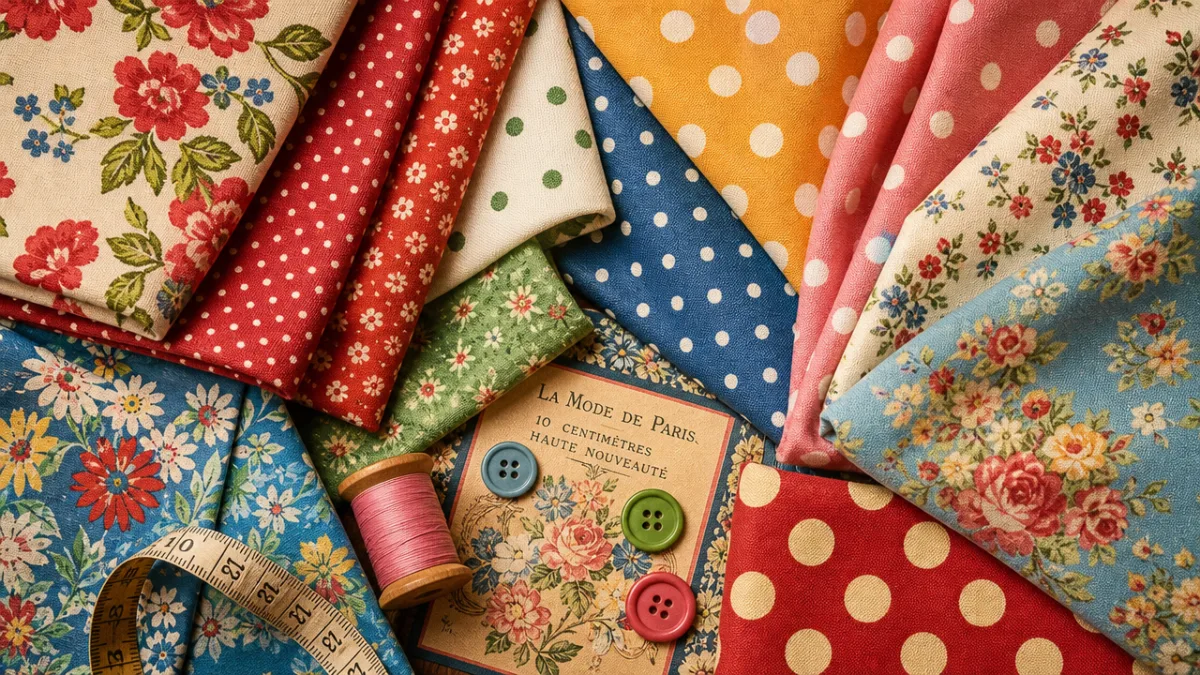
Fabric selection is perhaps the single most important decision in creating a convincing retro-style bag, and the good news is that excellent options are widely available at accessible price points. For a 1950s-inspired look, consider medium-weight cotton in polka dot, gingham, or toile prints — these patterns immediately evoke that era’s charm and work beautifully with structured bag silhouettes that feature box bottoms and rigid interfacing. Look for fabrics with a slightly matte finish rather than a shiny surface, as this tends to feel more authentic to the handmade aesthetic of mid-century craft traditions and vintage notions culture.
For bags inspired by the 1960s and 1970s, your fabric palette should lean toward warmth and texture. Corduroy in mustard, rust, olive, or burnt orange reads immediately as vintage without being costumey. Woven fabrics featuring bold geometric or floral patterns — particularly those with an ethnic or tapestry-like quality — are perfect for bohemian shoulder bags and large tote silhouettes. Consider pairing these with natural leather or faux suede handles and fringe trim to reinforce the era’s connection to natural materials and artisanal craft. Canvas is another excellent choice: sturdy, paintable, and embroiderable, it functions as both a structural material and a blank creative canvas simultaneously.
For the maximalist 1980s vibe, embrace the unexpected. Quilted fabrics, especially in jewel tones or bold color-blocked combinations, immediately signal that decade’s aesthetic. Laminated cotton gives a PVC-like sheen that reads as retro-chic rather than cheap when paired with the right hardware. Velvet, brocade, and tapestry upholstery fabric can transform even a simple tote pattern into something opulent and eye-catching. When sourcing materials, thrift stores and estate sales are goldmines for vintage fabric yardage, while online retailers offer reproduction prints that perfectly capture the color sensibilities of any given decade. The key is to choose fabrics that feel intentional and considered rather than randomly assembled.
Free Pattern Ideas and Silhouettes Worth Exploring
One of the most exciting aspects of the retro fabric bag community is its culture of generosity — talented designers and experienced makers regularly share free patterns and tutorials online, making it possible for anyone to start sewing without spending a fortune. The classic market tote is perhaps the most universally beloved free pattern type, and dozens of retro-inspired variations exist featuring contrast handles, exterior pockets, and interfaced bases that give structure while maintaining a relaxed, vintage charm. A simple rectangular tote becomes a retro statement piece the moment you choose a bold vintage-style print and add contrast binding or a painted stencil design to the exterior panels.
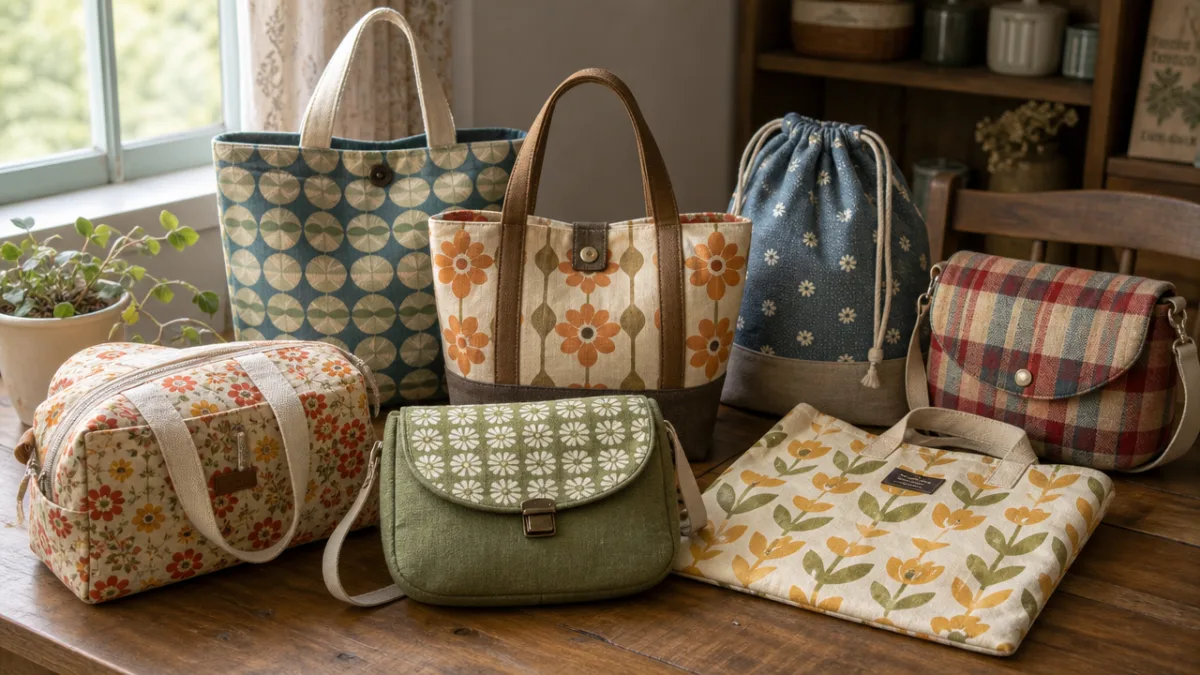
Beyond the basic tote, several other silhouettes lend themselves beautifully to retro treatment. The bucket bag, with its cylindrical shape and drawstring closure, recalls the bohemian bags of the late 1960s and early 1970s. The structured box clutch, reminiscent of 1950s evening bags, can be made from quilting cotton with a fusible interfacing system that requires no special equipment. The slouchy hobo bag, the crossbody pouch with a long adjustable strap, the boxy frame bag with a vintage metal clasp — all of these silhouettes are well-represented in the free pattern libraries available through sewing blogs, craft websites, and downloadable PDF resources shared freely across the crafting community.
When working with free patterns, it is worth taking time to trace and adjust the pattern pieces before cutting into your good fabric. Seam allowances vary between free patterns from different designers, and a quick read-through of the instructions will save significant frustration later. Many retro bag patterns also include helpful modifications — adding a zippered interior pocket, swapping the strap configuration, or adjusting the depth of the bag base — that allow you to personalize the design without altering the fundamental construction logic. Treat each free pattern as a starting point rather than a rigid prescription, and you will find yourself developing your own design vocabulary naturally over time as your skills and confidence grow.
Some particularly rewarding retro bag types to explore include the following categories, each offering distinct creative and structural challenges that will build your skills progressively:
- Patchwork Tote Bags: These bags use small fabric squares or hexagons sewn together to create a quilt-like exterior panel. They are perfect for using up scrap fabric from other projects and create a wonderfully textured, artisanal surface that looks deliberately vintage and lovingly handmade.
- Frame Purses: These structured bags use metal flex frames or kiss-lock clasp frames that can be purchased inexpensively online. The frame gives the bag a distinctly vintage silhouette that works beautifully with floral or geometric printed fabrics and contrast lining materials.
- Drawstring Bucket Bags: Simple in construction but endlessly variable in appearance, these bags suit beginners and advanced makers alike. A lined version with an interior pocket takes less than two hours to sew and makes a wonderful gift or market-stall item.
- Structured Box Bags: These require careful interfacing and precise cutting but reward the maker with a polished, professional result that closely resembles the mid-century handbag aesthetic. Many free tutorials exist for these online, walking through every step in accessible detail.
Embellishment Techniques That Define the Retro Look
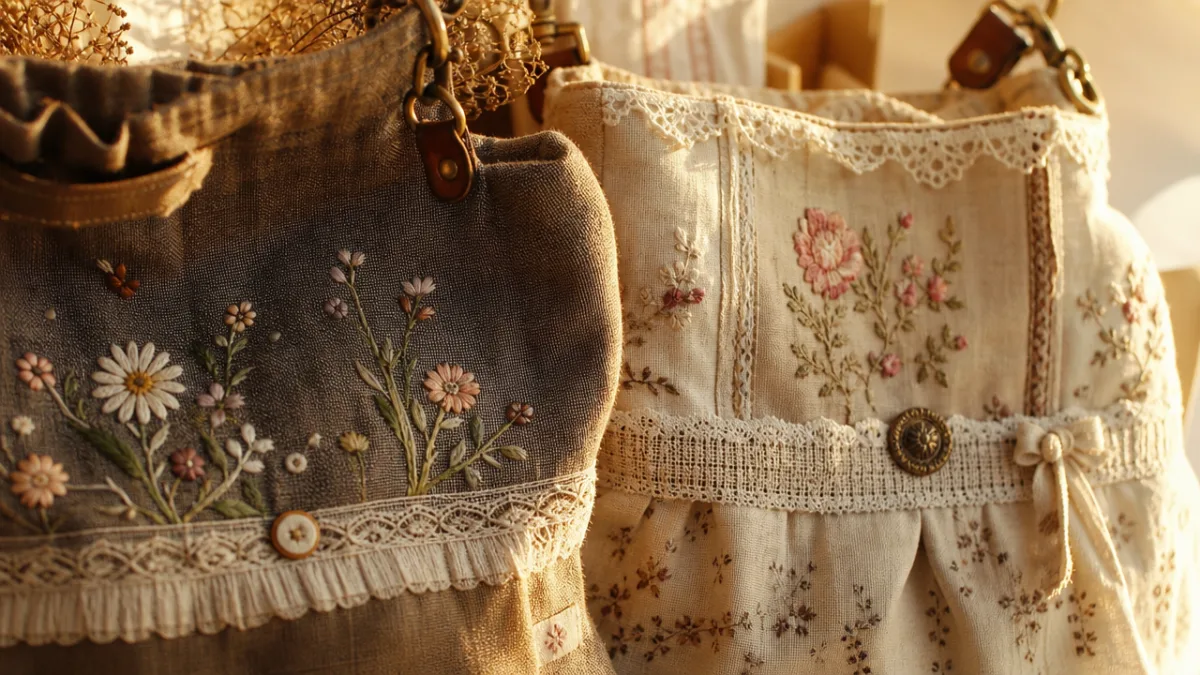
A retro fabric bag is elevated from simply vintage-inspired to truly memorable through the thoughtful application of embellishment. Hand embroidery is perhaps the most authentically retro of all decorative techniques, with chain stitch floral motifs, cross-stitch borders, and satin stitch lettering all having strong roots in the craft traditions of the 1950s through 1970s. You do not need to be an accomplished embroiderer to add meaningful hand-stitched details to your bag — even simple running stitch outlines worked in contrasting thread around a printed motif can dramatically enhance the handmade quality and visual interest of the finished piece.
Appliqué is another powerful and accessible embellishment technique with strong retro credentials. Iron-on fusible appliqué allows you to layer fabric shapes onto your bag exterior before construction, creating bold graphic effects that recall the pop art aesthetics of the 1960s or the cheerful novelty prints that were popular throughout the 1950s. Hand-stitched appliqué, secured with blanket stitch or satin stitch around the edges, creates a softer, more artisanal effect that suits the bohemian aesthetic of 1970s-inspired designs particularly well. Both techniques are forgiving and highly adaptable, making them excellent choices for makers who want to add a personal artistic signature to an otherwise standard bag pattern.
Beyond embroidery and appliqué, a range of trims and hardware choices can powerfully reinforce the retro mood of your bag. Rickrack trim — the wavy braid that was ubiquitous in mid-century American sewing — immediately signals vintage charm when applied along seams, handles, or flap edges. Fringe, whether cut from suede, leather, or fabric itself, creates an unmistakably 1970s boho effect. Vintage-style metal hardware such as swivel clasps, D-rings, roller buckles, and bag feet in antique brass or antique silver finishes are widely available and instantly professionalize the appearance of a handmade bag while reinforcing its period aesthetic. Choosing the right hardware is as important as choosing the right fabric, and both decisions should be made together from the very beginning of your design process.
Making Your Retro Bag Functional for Everyday Use
A beautiful bag that fails at its practical function is ultimately a frustration rather than a joy, and this is why construction quality matters as much as aesthetic vision in fabric bag making. The foundation of a functional retro bag is proper interfacing — the hidden layer of stabilizing material that gives the bag its structure, prevents sagging, and ensures that the fabric exterior holds its shape through daily use. For bags that will carry books, groceries, or everyday essentials, a firm sew-in interfacing or a fusible foam interfacing (such as Soft and Stable) provides the ideal combination of structure and lightweight flexibility that makes a bag both sturdy and comfortable to carry.
Interior organization is another critical functional consideration that many beginning bag makers underestimate. A well-designed bag interior should include at minimum one zippered pocket for small valuables and two or three slip pockets of varying sizes for phones, pens, and other frequently accessed items. These pockets can be sewn into the lining fabric before the lining is assembled, adding only an hour or two to the overall construction time while dramatically improving the bag’s everyday usability. When planning your pocket layout, think about how you actually use a bag day to day — what do you reach for most frequently, and where would it be most natural and convenient to keep each item?
Strap and handle construction is the third major functional element to address thoughtfully. Handles that are too narrow concentrate weight uncomfortably over time, while handles that are too long create a bag that swings awkwardly and is difficult to control in crowded spaces. For tote bags designed to carry heavy loads, consider making handles from webbing rather than self-fabric, as webbing is significantly stronger and more resistant to stretching. For shoulder and crossbody bags, an adjustable strap with a slide adjuster allows the wearer to customize the drop length to suit their body and the occasion. Reinforcing all strap attachment points with bar tacks or box-and-cross stitching is essential for any bag that will receive regular, heavy use in real-world conditions.
Sharing, Selling, and Celebrating Retro Bag Creativity
The phrase “free for all uses” in retro bag design represents a philosophy as much as a licensing statement — it embodies the belief that creative knowledge should circulate freely, inspiring and enabling as many makers as possible rather than being locked away behind paywalls or proprietary restrictions. When experienced makers share their patterns, tutorials, and design ideas openly, they contribute to a living tradition of craft that strengthens entire communities. This generosity creates a virtuous cycle in which beginners who learn from free resources become confident makers who eventually share their own innovations in turn, continuously enriching the collective knowledge pool available to everyone.
If you want to share your own retro bag creations with a wider audience, platforms like Pinterest, Instagram, and dedicated sewing communities offer wonderful opportunities for connection and inspiration exchange. When photographing your finished bags, natural light and simple, uncluttered backgrounds allow the design and fabric choices to speak for themselves most effectively. Including process photos — shots of your pattern pieces laid out, your embroidery in progress, your lining being assembled — creates a more complete and compelling story around the finished object that resonates deeply with fellow makers who appreciate understanding the full creative journey from concept to completion.
For those interested in selling their retro-style fabric bags, whether at craft markets, through online platforms, or via social media, it is worth developing a consistent visual identity that clearly communicates your design sensibility and the quality of your construction. Pricing handmade bags fairly — accounting for fabric, interfacing, hardware, pattern costs, and your time at a living wage — is an ongoing conversation in the handmade community, and it is one worth engaging with honestly. Beautiful, well-constructed retro bags made from quality materials offer genuine value that mass-produced alternatives cannot match, and customers who understand and appreciate handmade goods will recognize and celebrate that difference willingly and enthusiastically.
Ultimately, retro-style fabric bag making is about far more than producing a functional accessory. It is a practice of slowing down, of making deliberate choices, of connecting with a long lineage of makers who believed that everyday objects deserve beauty and care. Each bag you make carries your creative fingerprint — your color intuitions, your stitch choices, your sense of proportion and detail. Whether you share your work widely or make bags purely for the quiet pleasure of the craft itself, you are participating in something genuinely worthwhile: the ongoing human project of making the world more beautiful, one handstitched seam at a time.








What do you think?
It is nice to know your opinion. Leave a comment.