










Multipet Scandinavian Style Elevated Dog Bed Pet Sofa: The Ultimate Guide to Stylish Pet Furniture
Introduction: Where Pet Comfort Meets Scandinavian Design
Pet furniture has come a long way. Gone are the days when a dog bed meant a sad foam mat shoved in the corner — today’s pet owners want something that actually fits into their home without looking like an afterthought. The Multipet Scandinavian Style Elevated Dog Bed Pet Sofa hits that sweet spot perfectly, bringing together the clean, understated elegance of Nordic design and the kind of genuine comfort your dog actually needs. It’s not just a place for your pup to sleep — it’s a piece that says you care about your space and your pet in equal measure.
Scandinavian design — think the Danish idea of “hygge” — is all about warmth, simplicity, and a natural connection to honest materials. It turns out those principles translate beautifully to pet furniture, where the whole point is creating a cozy spot without visual noise. The Multipet sofa gets this right with its clean lines, solid wood legs, and gently curved bentwood back that feel right at home alongside classic Nordic interiors. Set it in a modern living room and it doesn’t stick out — it just belongs.
But beyond how it looks, there’s a practical case for this kind of bed that more pet owners are waking up to: where your dog sleeps genuinely matters for their long-term health. Sleeping off the floor keeps joints warmer, encourages better alignment, and helps prevent the pressure sores that can creep up on dogs who spend night after night on hard surfaces. The fact that this sofa handles all of that while looking genuinely lovely is exactly what makes it worth talking about.
Design Features: A Closer Look at the Scandinavian Aesthetic
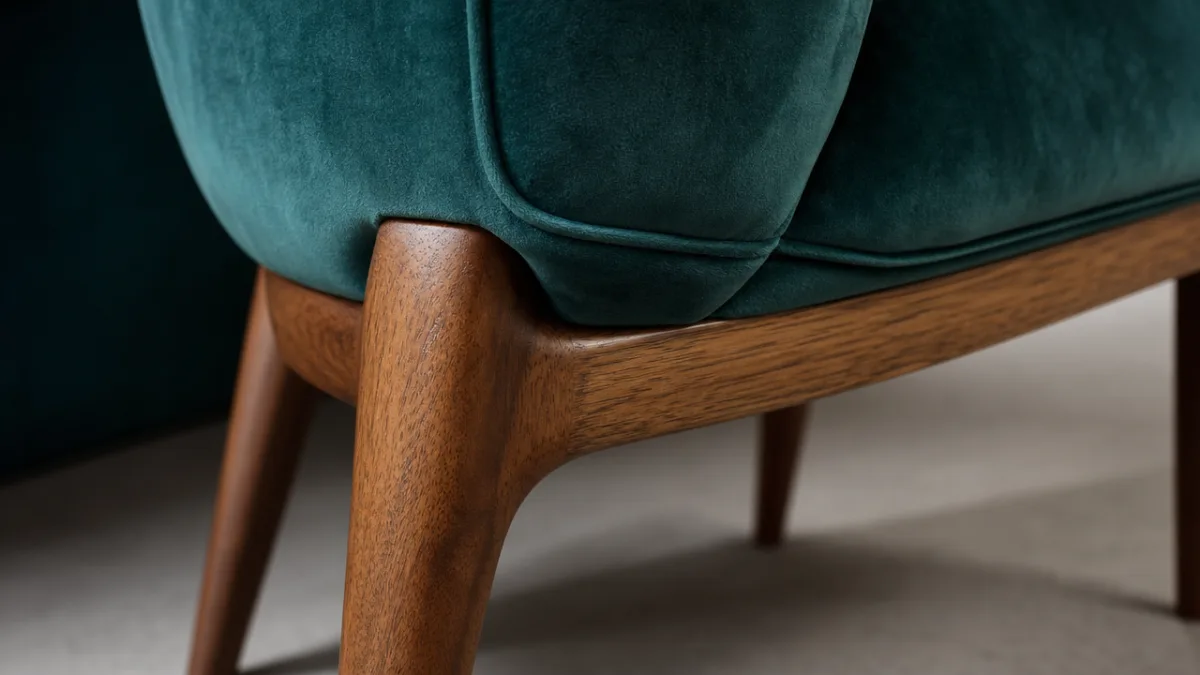
What makes this sofa look the way it does comes down to a handful of really intentional design decisions. The solid wood legs are the first thing you notice — and for good reason. Wood is central to Nordic furniture traditions because it’s durable, naturally warm, and gets better with age. Compared to hollow metal or plastic legs, solid wood just has a weight and permanence to it that you feel as much as see. Every time you glance over at your dog napping, those legs are quietly telling you this is a well-made thing.
The bentwood back is honestly the most striking part of the whole piece. Bending wood into curves — traditionally done by steaming or laminating it — has been a signature move of Scandinavian and Modernist furniture makers since the mid-twentieth century. Alvar Aalto built a career on it. On this sofa, that curved back does two jobs at once: it keeps your dog from rolling off in their sleep, and it introduces this flowing, organic shape that softens what could otherwise be a very boxy silhouette. It’s a small detail that makes a big visual difference.
Then there’s the velvet cushion, which really ties everything together. Velvet has a richness to it — the way it catches light, the way it feels — that bumps the whole piece up a level. Dogs love to sink into it, and from a design standpoint, it brings the warm wood tones and neutral frame together into something that actually looks considered and complete. The color options are well-chosen for Scandinavian palettes, so it’s easy to find one that works with what you already have.

Material Quality and Construction: Built to Last
When you’re buying pet furniture, the obvious question is: how is this going to hold up? Dogs chew things, scratch things, shed constantly, and sometimes have accidents. Something that looks great on day one but starts falling apart after a few months isn’t worth your money. The Multipet sofa makes a real case for itself here, starting with those solid wood legs. Solid wood shrugs off the kind of incidental bumps and scrapes that come with daily pet life far better than engineered alternatives, and if the surface does get scratched over time, it can be refinished. That’s not something you can say about most pet furniture.
The bentwood back looks delicate but is actually quite tough. The layering and bonding involved in bent wood construction often makes the finished piece stronger than a straight-cut section of wood of the same size. So if you have a bigger dog who leans into the back or pushes off it when they’re getting up, it’s built to handle that kind of repeated stress without cracking or losing its shape. The way the back connects to the frame matters too — quality joinery here is what keeps the whole sofa feeling solid after years of use rather than wobbly and worn.
The velvet cushion is worth thinking about carefully as well. Good pet-grade velvet is usually treated for stain resistance, which you’ll be grateful for. More importantly, the cushion insert needs to hold its density over time — a cushion that flattens out quickly doesn’t just become less comfortable, it can actually put more stress on your dog’s joints than a firm surface would. Look for a cushion that maintains its loft, and appreciate that a removable, washable cover (a standard feature in quality pet furniture) makes keeping everything fresh much less of a chore.
Health Benefits of Elevated Pet Beds: Why It Matters
The elevated design isn’t just a style choice — it reflects something vets and animal physiotherapists have been saying for years. Sleeping on the floor exposes dogs to cold and damp conditions that can make joint pain significantly worse, especially in older dogs or breeds that are already prone to hip dysplasia, arthritis, or other musculoskeletal problems. Raising the sleeping surface creates a thermal buffer that helps dogs stay comfortably warm through the night, which means less stiffness and less of that uncomfortable shuffling around you sometimes see in the morning after a dog’s been on a cold floor all night.
There’s also the issue of pressure. When a dog lies on a hard floor, their weight concentrates on bony spots — hips, shoulders, elbows, hocks. Over time, that can lead to calluses, pressure sores, or aggravated joint conditions. A well-cushioned elevated bed spreads that weight more evenly, so no single point takes too much of the load and muscles can actually relax properly during sleep. For large dogs, senior dogs, and dogs recovering from surgery, this isn’t a minor perk — it can meaningfully affect how well and how quickly they recover and how comfortable their daily life feels.
The psychological side matters too, and it’s easy to overlook. Dogs are instinctively den animals — they do better when they have a space that’s clearly theirs. A dedicated elevated bed gives your dog that sense of ownership and security, which tends to reduce anxiety and improve sleep quality. And sleep quality shows up in behavior: dogs who rest well are calmer, easier to train, and generally more settled. A slight elevation also satisfies some dogs’ instinct to have a small vantage point, which contributes to that sense of safety that encourages genuinely deep, restorative sleep.
- Keeps dogs off cold or damp floor surfaces, reducing joint stiffness and temperature-related discomfort
- Distributes body weight evenly to reduce pressure on joints, hips, elbows, and other bony points
- Provides a defined personal space that reduces anxiety and promotes restful, deep sleep
- Supports recovery from surgery or injury by encouraging proper rest posture and relaxation
- Reduces the formation of calluses and pressure sores, particularly in larger or older dogs

Integrating the Sofa into Your Home: Styling Tips and Placement Ideas
One of the best things about this sofa is how adaptable it is. It’s most obviously at home in Scandinavian or Nordic-inspired rooms — the light wood, neutral tones, natural textures kind of spaces — but it works just as well in mid-century modern settings, contemporary minimalist rooms, and transitional spaces that mix old and new. The trick is leaning into what the sofa already brings to the table: warm wood, a curved silhouette, and that rich velvet texture. Work with those qualities rather than around them and it’ll fit naturally into almost any room.
Where you put it matters both for your dog and for the room. Dogs generally like to be where they can see what’s going on while still feeling a bit sheltered, so tucking the sofa against a wall or into a corner tends to work well — and it looks better than floating awkwardly in the middle of a floor. In a living room, placing the dog sofa near your own sofa creates a natural seating grouping that includes your pet without making the room feel like a kennel. It’s a small gesture that reflects a real shift in how people think about their homes and their animals.
Styling around it can make a real difference too. A small side table next to the sofa creates a composed little corner and gives you somewhere handy to keep leashes or treats. Layering in nearby textures — a wool throw draped over a chair, a jute rug underneath — reinforces that cozy Nordic feel and pulls the whole area together. Plants work beautifully near pet furniture (just double-check they’re non-toxic to dogs first). The goal is to make the sofa feel like something you chose deliberately, not something you’re tolerating — and with a little thought, it genuinely can.
Choosing the Right Size and Care Instructions
Getting the size right is more important than people sometimes realize. Too small and your dog will hang off the edges, which defeats the whole point. Too large and a smaller dog might find it feels insecure and prefer somewhere cozier. The simple rule is that your dog should be able to lie in their natural sleeping position — curled up, stretched out, on their side, whatever they prefer — with a few inches of room to spare on each side. Measure nose to tail and shoulder to ground before you buy, and you’ll have the numbers you need to pick the right fit.
Day-to-day care is pretty manageable once you get into a routine. The velvet cushion cover should come off for washing every one to two weeks — more often if your dog sheds a lot or spends time outside. A gentle cycle with mild detergent keeps the velvet looking good without wearing it out prematurely. Between washes, a lint roller or a slightly damp rubber glove wiped across the surface picks up pet hair quickly and easily. For the wood, just wipe it down with a barely damp cloth when needed and dry it right away so moisture doesn’t sit on the surface.
For longer-term upkeep, treating the wood with a natural oil or beeswax polish a couple of times a year keeps it nourished, restores its sheen, and gives it a bit of protection against minor scratches and moisture. It takes maybe ten minutes and genuinely makes a difference in how the sofa looks and lasts. It’s also worth checking the hardware connections every few months — normal use and vibration can gradually work joints loose, and catching that early is much easier than dealing with a wobbly frame later. A quick look at the legs, the back, and the cushion support is all it takes.
- Measure your dog carefully before purchasing to ensure the sofa size accommodates their natural sleeping position comfortably.
- Remove and launder the velvet cushion cover every one to two weeks using a gentle cycle and mild detergent.
- Use a lint roller between washes to manage pet hair accumulation on the velvet surface.
- Wipe wooden components with a slightly damp cloth periodically and dry immediately to prevent moisture damage.
- Apply a natural wood oil or beeswax polish two to three times per year to nourish and protect the wood.
- Inspect and tighten hardware connections every few months to maintain structural stability and safety.
Conclusion: An Investment in Both Style and Wellbeing
The Multipet Scandinavian Style Elevated Dog Bed Pet Sofa gets at something that’s been frustratingly rare in pet furniture: it doesn’t ask you to choose between something that looks good and something that’s actually good for your dog. For a long time, those felt like competing priorities. This sofa makes a convincing argument that they don’t have to be — that thoughtful design, real materials, and an understanding of what dogs actually need can all coexist in one piece of furniture.
And the value case holds up over time. Quality pet furniture that keeps its looks, stays structurally sound, and continues genuinely supporting your dog’s health year after year is a much better deal than the endless cycle of buying cheap beds, watching them fall apart, and replacing them. The solid wood, the bentwood back, the quality velvet cushion — these aren’t just selling points, they’re signs of a product built to last. For households where the dog is genuinely part of the family, that kind of commitment to quality means something.
At the end of the day, choosing beautiful, health-conscious pet furniture is a reflection of something simple: your dog deserves the same care and thoughtfulness you bring to the rest of your life and home. The Multipet Scandinavian sofa makes that visible every single day — turning what could have been just a dog bed into a small but genuine expression of how much you care. If you’re someone who believes practical and beautiful can coexist, this sofa isn’t just a furniture purchase. It’s a piece of the home you’re building, and the life you want to share with your dog.








What do you think?
It is nice to know your opinion. Leave a comment.