










How to Thrift Housewares & Home Decor: The Complete Guide
Why Thrifting for Your Home Is Worth Your Time
Thrifting for housewares and home decor has gone from a budget necessity to a full-on lifestyle for a lot of people — and honestly, it makes total sense. Walk into a thrift store with some intention and a little know-how, and you’re in a completely different world than any big-box retailer can offer. Unique ceramics, vintage glassware, solid wood furniture, handcrafted textiles — all of it just sitting there waiting for someone with a good eye to notice it. And the savings are real. Things that would run you hundreds of dollars new can show up at a thrift store for pocket change.
Beyond the money, thrifting is one of the more genuinely sustainable choices you can make as a consumer. The home goods industry produces a staggering amount of waste — fast furniture that falls apart in a few years, mass-produced decor that ends up in a landfill the moment the trend shifts. When you buy secondhand, you’re extending the life of things that already exist, cutting down on demand for new production, and keeping perfectly usable stuff out of the trash. Every ceramic bowl you pull off a thrift shelf is one fewer bowl that had to be manufactured, packaged, shipped, and eventually thrown away.
There’s also something genuinely fun about the hunt itself. It’s nothing like scrolling through an algorithm-curated shopping feed — thrifting rewards curiosity, patience, and a little creativity. You never really know what you’re going to find on any given day, which means every trip has that low-key excitement of potential discovery. Over time, your home starts to feel like a collection of stories. Pieces with history, with character, with a warmth that comes from objects that already had a life somewhere before they found their way to you.
Building Your Thrifting Eye: What to Look For
Developing a good thrifting eye is a skill, and it genuinely gets better every time you go out. When you’re starting out, it helps to focus on a few key quality indicators rather than trying to assess every single thing at once. For housewares and home decor, the most important thing to look at is construction and material. Solid wood furniture, for instance, is almost always worth a closer look — even if the surface is scratched or the hardware is dated. Those things are cosmetic and totally fixable. The underlying structure of good wood is hard to replicate cheaply, and that’s what you’re actually buying. The same goes for heavy ceramics, hand-blown glass, and natural textiles like linen and cotton. These will almost always outshine their lightweight, synthetic counterparts.
Training your eye around color and pattern is its own thing, too. It’s really easy to get thrown off by how something looks right now when what you actually need to evaluate is the form and the potential underneath. A lamp with a terrible shade might have a gorgeous weighted base that would look stunning with a different shade. A table with an ugly stain might have beautiful lines and great bones that would shine after a light sand and refinish. The thrift shoppers who consistently find the best stuff have learned to mentally strip away the surface clutter and look at what’s actually there.
It also helps a lot to have a rough mental inventory of your home before you shop. Know your general color palette, have approximate measurements for any key pieces you’re looking for, and have some sense of the direction you’re working toward aesthetically. You don’t need a rigid design plan — some of the best thrift finds are total surprises that teach you something new about your own taste — but having a general baseline helps you make faster, more confident decisions on the floor of a store where the selection changes daily and hesitation often means someone else walks away with exactly what you were eyeing.
The Best Categories to Thrift for Your Home
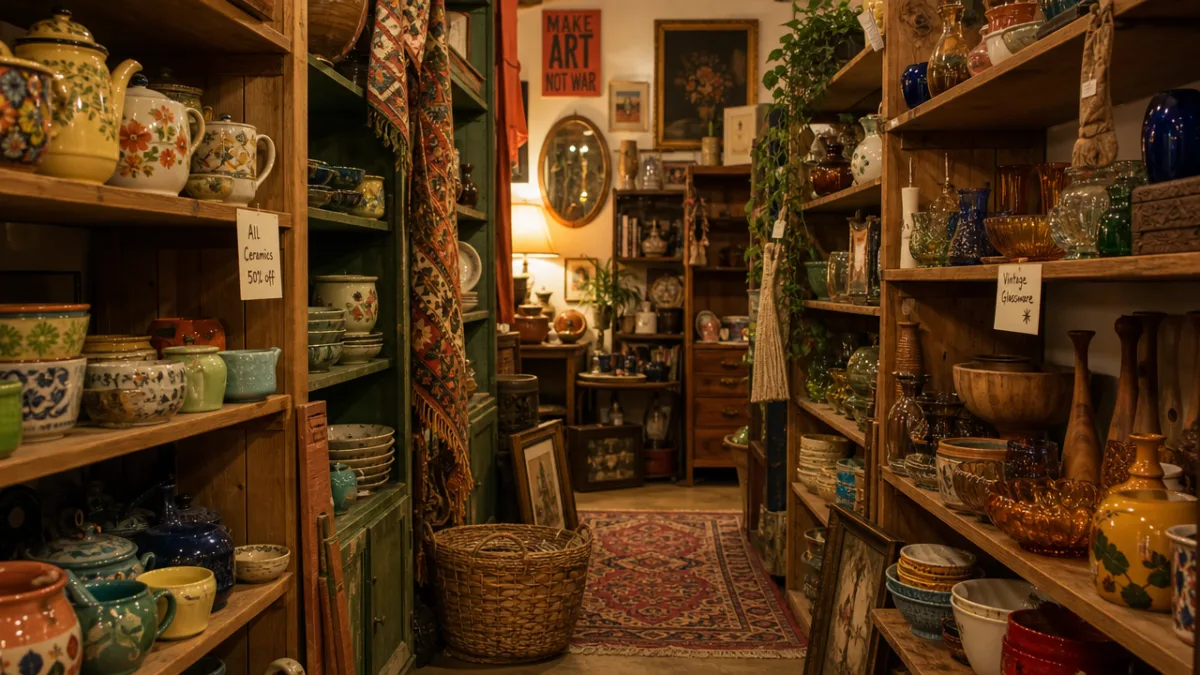
Not every home goods category is equally worth your time at a thrift store, and knowing where to focus makes every trip more productive. Ceramics and pottery are consistently one of the best areas to dig into. Thrift stores get donations of handmade mugs, bowls, platters, and vases all the time — pieces that were bought as gifts, picked up on trips, or just quietly accumulated over the years. Because a lot of people aren’t familiar with studio pottery or artisan ceramics, these items often get priced at a dollar or two even when they’re genuinely beautiful and well-made. It’s one of the better deals in the whole store.
Glassware is another category that really rewards consistent thrifting. Vintage glasses, carafes, vases, and candleholders made from thick, quality glass have a presence and weight that modern mass-produced versions just can’t touch. Keep an eye out especially for hand-blown glass with slight irregularities — tiny bubbles in the glass, subtle variations in wall thickness, a little asymmetry — all of which signal that a person made it rather than a machine. These pieces often cost almost nothing at a thrift store and look incredible on a table or shelf at home.
Linens, textiles, and soft goods can be some of the best thrift finds out there, though they need a bit more scrutiny. Vintage linen tablecloths, cotton napkin sets, handwoven blankets, wool throws — all of these can show up in excellent condition because they’re genuinely durable goods that often outlast the homes they were bought for. Always check for staining, thinning fabric, or smells that might not wash out, but don’t write off a textile just because it looks a little worn. A lot of vintage linens respond beautifully to a hot wash with good detergent and come out looking fresh and full of character.
Some additional categories worth keeping an eye out for on every thrift run include:
- Framed art and mirrors, which can be rehung as-is or reframed entirely for a fresh look
- Wicker and rattan baskets and furniture, which remain perennially popular in interior design
- Wooden cutting boards, serving platters, and utensils that develop beautiful patina with use
- Candlesticks and candleholders in brass, silver, ceramic, or wood
- Books with beautiful spines or vintage covers that work as decorative objects on shelves
- Planters and pots of all sizes, which are chronically overpriced at garden centers
Practical Tips for a More Successful Thrift Trip
Having even a loose strategy before you walk through the door makes a real difference in what you find and how long it takes to find it. The most consistent advice from experienced thrifters is simple: go often, and go early. Most thrift stores receive and process donations on a rolling basis, so new stock hits the floor regularly rather than all at once. Stores that get busy on weekends tend to get restocked throughout the week, which means a Tuesday or Wednesday morning visit can turn up dramatically different — and often much better — finds than a Saturday afternoon trip when everything good has already been picked over.
It’s also genuinely worth building a relationship with the stores you visit most. Staff who see you regularly tend to get friendly with information — letting you know when an interesting donation came in, pointing you toward sections you might have missed, or giving you a heads-up about upcoming sales. A lot of thrift stores run color-tag discount systems where specific tag colors are marked down by fifty percent or more on a rotating schedule. Learning your favorite store’s discount calendar and timing your visits accordingly can stretch your thrifting budget quite a bit.
Bring a few things with you to make the whole process smoother. A soft tape measure in your bag means you can check dimensions against the measurements you’ve memorized from home. A small flashlight or your phone’s torch is useful for examining items in poorly lit corners of the store. A few large reusable bags or boxes in your car give you a way to transport fragile finds without worrying. And most importantly, go in with a clear sense of your budget so you can make confident calls instead of agonizing — the prices are already very reasonable, and hesitating too long often means watching someone else pick up exactly what you were thinking about.
Cleaning, Restoring, and Styling Your Thrifted Finds
What you do after you bring something home is often just as important as finding it in the first place. Most thrifted housewares really benefit from a thorough cleaning before they go into regular use or get displayed anywhere. Ceramics and glassware can usually go in the dishwasher as long as they don’t have metallic gilding or hand-painted decoration that might not hold up — when you’re not sure, just wash by hand with hot water and a good dish soap. Wooden items should be washed quickly if at all, then conditioned with a food-safe oil like mineral oil or beeswax, which revives dried-out surfaces and brings out the grain in a way that’s honestly a little transformative to watch.
With furniture and larger decorative pieces, a good cleaning alone often reveals that something is in much better shape than it looked in the store. Years of grime can completely hide beautiful wood tones, interesting hardware, and elegant lines that become obvious the moment you wipe everything down. And beyond cleaning, a lot of small restoration projects are well within reach even if you have no DIY experience whatsoever. Swapping out hardware on a dresser takes a screwdriver and an afternoon. Repainting a dated lamp base is a can of spray paint and an hour of your time. Reupholstering a simple chair seat is something most people can knock out in a weekend with basic tools and fabric from a craft store.
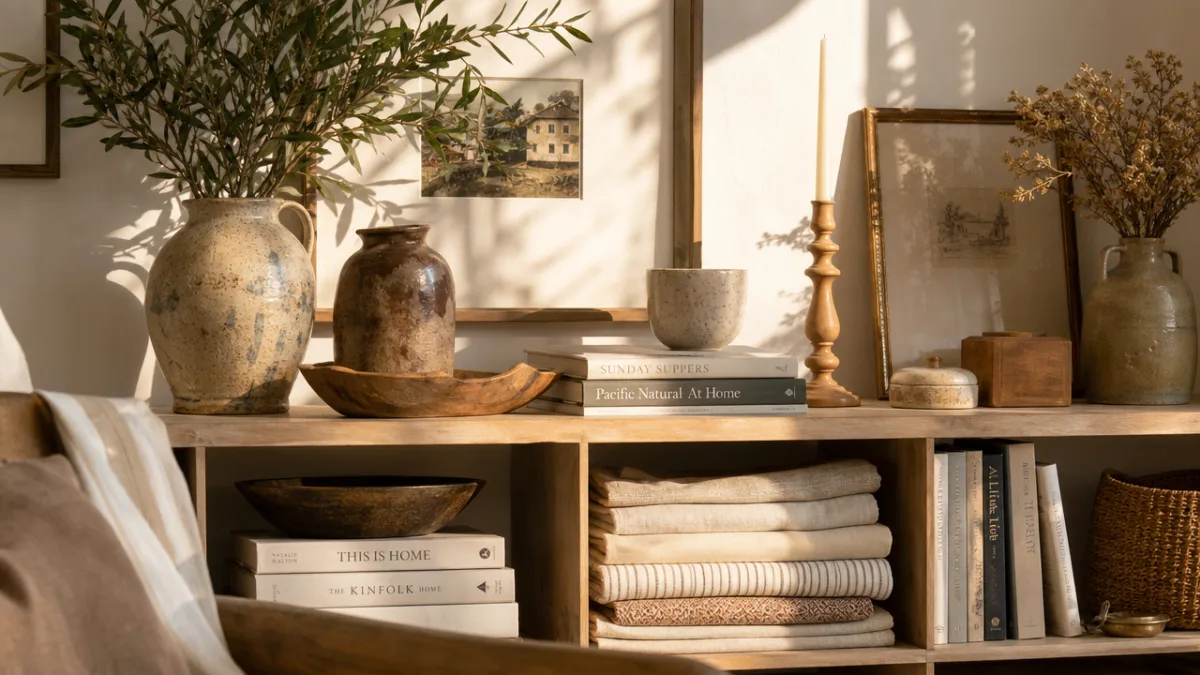
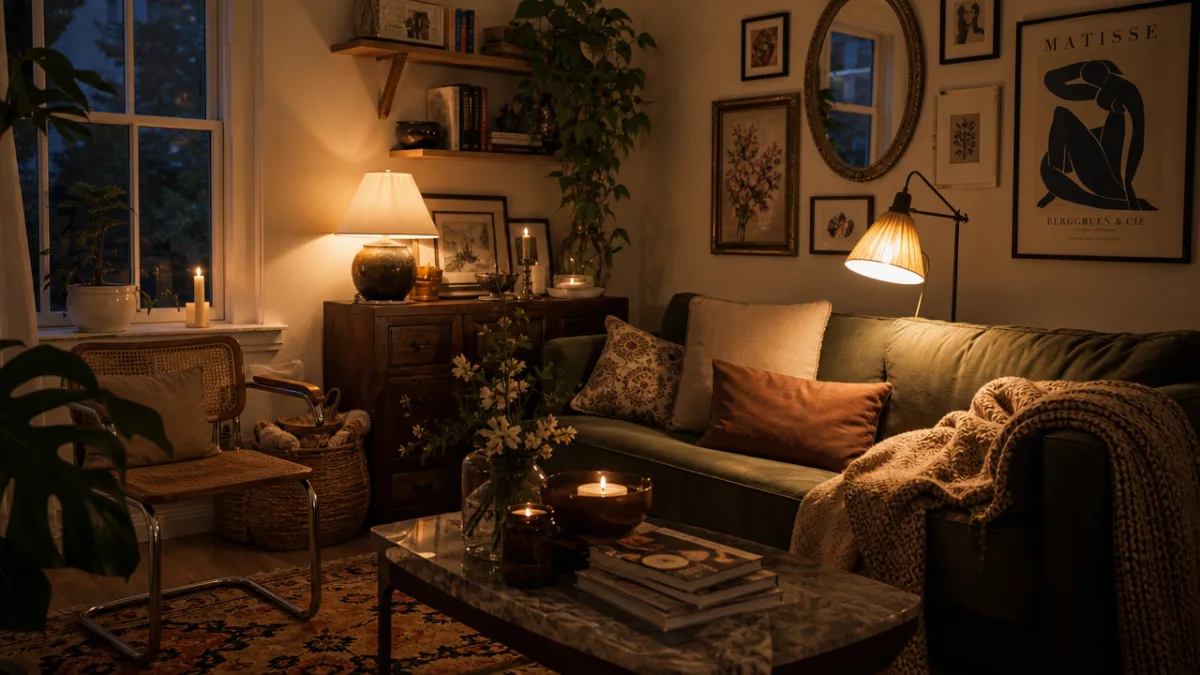
When it comes to styling your finds at home, the core principle is to mix rather than match. A home filled wall-to-wall with thrifted pieces can tip into visual chaos if there’s nothing tying it together — but a home that weaves thrifted finds in among a few well-chosen new pieces feels curated, personal, and layered in the best possible way. Put your thrifted ceramics next to simple modern vessels. Pair a vintage wooden table with clean-lined contemporary chairs. Display your collection of thrifted glassware on open shelves where the varied shapes and textures create an interesting visual rhythm. The goal is a home that looks like it was collected over time rather than assembled all at once, and thrifting is one of the most natural ways to get there.
Common Mistakes to Avoid When Thrifting for Home Decor
Even people who have been thrifting for years fall into certain traps, and knowing about them ahead of time can save you real money and frustration. One of the most common is buying things simply because they’re cheap. The “it was only three dollars” logic can quietly fill your home with objects that don’t do anything for the space, don’t fit what you’re going for, and don’t actually bring you any joy. Everything you bring home takes up space — physical space on surfaces and shelves, and mental space in your daily visual environment. Hold a three-dollar thrift find to the same standard you’d apply to a thirty-dollar purchase anywhere else. Does it fit? Do you love it? Are you actually going to use it?
Another common mistake is not checking things over carefully before you buy. In the excitement of a good find, it’s easy to miss a hairline crack in a ceramic piece, a wobble in a furniture joint, a stain that’s been cleverly hidden on the shelf, or a smell that only becomes obvious once you get it home. Make a habit of inspecting every potential purchase thoroughly before you commit. Turn ceramics over and look at the bottom. Lift furniture slightly to test the joints. Unfold textiles completely and hold them up to the light. Give things a sniff if they might have been in storage. A few seconds of careful attention saves you the frustration of bringing something home and realizing it’s unusable.
And finally, try not to thrift without a concrete plan for where something will actually go. It’s very easy to fall hard for a large piece — a beautiful armchair, an oversized mirror, a substantial ceramic vessel — without a clear picture of where it’ll live. Oversized or redundant pieces quickly make a space feel cluttered and overstuffed, which is the opposite of what most people are going for when they put real time and care into their home. Keep a note on your phone with the key measurements and needs of each room, and check it before committing to anything significant. Buying only what you actually have room for is what separates a beautifully curated thrifted home from one that just feels like a lot of secondhand stuff.
Making Thrifting a Sustainable Long-Term Habit
The people who get the most out of thrifting for home decor aren’t the ones who make one big exciting haul and stop — they’re the ones who build it into a regular rhythm. Visiting thrift stores consistently, even when you don’t have a specific thing in mind, trains your eye over time and makes sure you’re around when something truly exceptional comes through the door. Think of it less like shopping and more like tending a garden — regular, unhurried attention produces far better results than frantic, sporadic trips driven by sudden urgent need.
Part of keeping thrifting sustainable long-term is also being willing to edit your collection as it grows. The same values that lead you to bring things home — a commitment to quality, beauty, and purpose — should guide you in letting things go when they’ve stopped serving those criteria. As your taste develops and your home evolves, pieces that once felt perfect can start to feel out of place. Rather than hanging onto them out of guilt or inertia, donate them back into the thrift ecosystem where they’ll find someone for whom they’re exactly right. That circulation of goods is honestly one of the most satisfying parts of the whole thrifting world.
It’s also worth tapping into the broader thrifting community, both online and in person. Social media hosts massive communities of people sharing their finds, their styling ideas, restoration projects, and tips for specific stores and regions — and they’re remarkably generous with both knowledge and encouragement. Following along even casually will speed up the development of your eye and your confidence more than you’d expect. Thrifting for home decor is ultimately more than a shopping strategy. It’s a creative practice, a sustainability commitment, and for a lot of people, a genuine source of joy that makes both the process and the end result of building a home feel richer and more meaningful than just about any other approach.








What do you think?
It is nice to know your opinion. Leave a comment.