










The Ultimate Guide to Homemade Lemon Vinegar Cleaning Spray
There is something deeply satisfying about cleaning your home with a product you made yourself, especially when you know exactly what is in it. Homemade lemon vinegar cleaning spray has become one of the most beloved DIY household staples for good reason: it is affordable, effective, and made entirely from ingredients you likely already have in your kitchen. This guide will walk you through everything you need to know, from the science behind why it works to the best ways to use it throughout your home.
Why Homemade Cleaning Sprays Are Worth Making
The commercial cleaning product industry is a multi-billion dollar market built largely on convincing consumers that only specialized, chemically engineered formulas can properly clean a home. In reality, many of these products contain harsh synthetic chemicals, artificial fragrances, and compounds that can irritate skin, eyes, and the respiratory system. When you make your own cleaning spray at home, you take back control over what you expose yourself and your family to on a daily basis. For households with children, pets, or people with allergies or asthma, this shift can make a meaningful difference in overall air quality and health.
Beyond the health benefits, the financial case for homemade cleaners is compelling. A bottle of commercial all-purpose spray can cost several dollars and runs out faster than you might expect. By contrast, a batch of lemon vinegar cleaning spray costs only a fraction of that amount per bottle, using white vinegar, which is one of the cheapest pantry staples available, and lemon peels that would otherwise go in the trash. Over the course of a year, a household that switches to DIY cleaning products can save a surprising amount of money without sacrificing cleanliness or hygiene.
There is also an environmental dimension to consider. Commercial cleaning products come in plastic bottles that contribute to landfill waste, and many of their chemical ingredients end up in waterways after being washed down drains. Homemade lemon vinegar spray is biodegradable, and you can store it in reusable glass spray bottles indefinitely, dramatically reducing plastic consumption. Making this one small change in your cleaning routine connects to a larger ethic of sustainability and mindful consumption that many people are working to cultivate in their daily lives.
The Science Behind Lemon and Vinegar as Cleaners
Understanding why lemon and vinegar work so well as cleaning agents helps you use them more effectively and gives you confidence in their power. White vinegar is a dilute form of acetic acid, typically containing about five percent acetic acid by volume. This mild acidity makes it highly effective at dissolving mineral deposits, soap scum, and hard water stains, which are all alkaline in nature. The acid breaks down the chemical bonds that hold these deposits together, allowing them to be wiped away effortlessly. It also disrupts the cell membranes of many common bacteria and viruses, giving it genuine disinfecting properties for everyday household germs.
Lemons contribute in several important ways beyond just making the spray smell pleasant. Lemon juice and lemon peels contain citric acid, which works alongside acetic acid to enhance the spray’s ability to cut through grease and grime. The peels in particular are rich in limonene, a naturally occurring compound found in the essential oils of citrus fruits. Limonene is a powerful degreaser that is widely used in industrial and commercial cleaning products, and infusing your vinegar with lemon peels extracts this compound directly into your homemade spray. It is both a functional cleaner and a fragrant one.
Together, the acids in both ingredients create a synergistic cleaning solution that tackles a wide range of household messes. The combined formula excels at cutting through kitchen grease, removing soap buildup in bathrooms, eliminating mildew odors, and leaving glass and stainless steel surfaces streak-free with minimal effort. It is worth noting that while lemon vinegar spray has genuine antimicrobial properties, it is not a hospital-grade disinfectant and should not be relied upon for sanitizing surfaces that have been exposed to raw meat or other serious biological hazards. For everyday household cleaning, however, it performs exceptionally well.
How to Make Your Lemon Vinegar Cleaning Spray
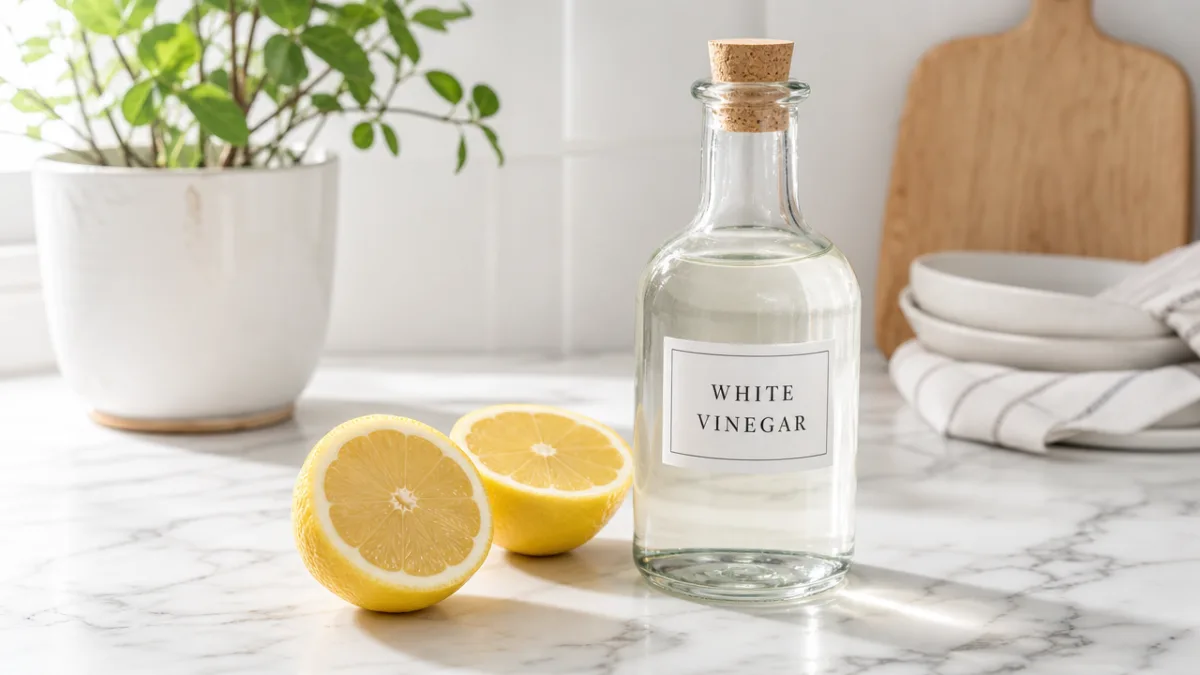
Making lemon vinegar cleaning spray is one of the easiest DIY projects imaginable, requiring almost no equipment and very little active effort. The most time-consuming part is the infusion process, during which the lemon peels steep in white vinegar and slowly release their oils and acids into the liquid. This results in a much more potent and fragrant cleaner than simply mixing lemon juice with vinegar, and it is a wonderful way to make use of peels that would otherwise be composted or discarded. You can start collecting peels over several days or weeks if needed, storing them in a sealed bag in the freezer until you have enough.
Here is what you will need to get started:
- Peels from 4 to 6 lemons, roughly chopped or torn into pieces
- 2 cups of distilled white vinegar (5% acidity)
- A clean glass jar with a tight-fitting lid, such as a mason jar
- A fine mesh strainer or cheesecloth
- A clean spray bottle, preferably glass or BPA-free plastic
- Optional: a few sprigs of fresh rosemary, thyme, or lavender for added fragrance
- Optional: distilled water for diluting the finished spray
To make the spray, place your lemon peels into the glass jar and pour the white vinegar over them, making sure the peels are fully submerged. Seal the jar tightly and place it in a cool, dark location such as a pantry or cabinet. Allow the mixture to infuse for a minimum of two weeks, though four weeks will produce a noticeably stronger and more fragrant result. Once the infusion period is complete, strain out the peels using your mesh strainer or cheesecloth and pour the golden, citrus-scented liquid into your spray bottle. You can use it at full strength or dilute it with an equal part of distilled water for a gentler formula suitable for more delicate surfaces.
A few helpful tips will ensure your batch comes out perfectly every time. Always use distilled white vinegar rather than apple cider vinegar, as the latter has a much stronger odor and can leave behind a brownish tint on light-colored surfaces. Make sure your glass jar and spray bottle are thoroughly clean before use, since any residue could interfere with the infusion or introduce unwanted bacteria into your cleaner. Label your spray bottle with the date it was made and a list of its ingredients, especially if other members of your household might not recognize it as a cleaning product. Properly stored, lemon vinegar cleaning spray will remain effective for up to six months.
How to Use Lemon Vinegar Spray Around Your Home
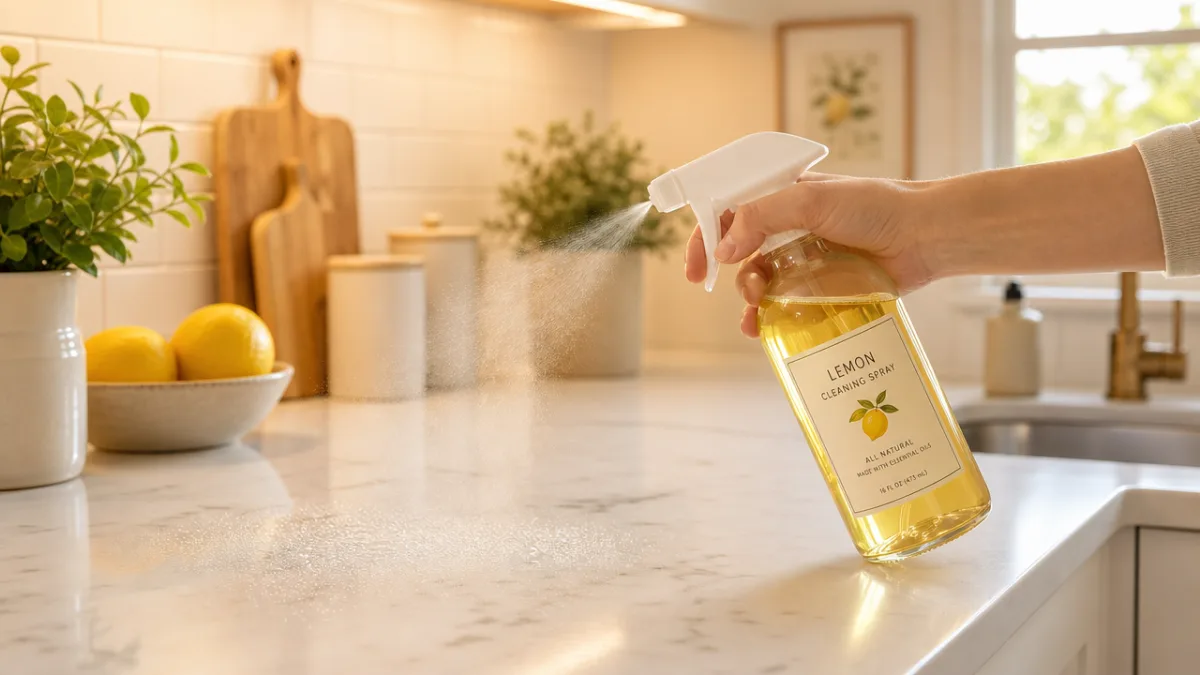
One of the greatest strengths of lemon vinegar cleaning spray is its versatility. A single bottle can handle cleaning tasks across virtually every room in your home, replacing a cabinet full of single-purpose commercial products. In the kitchen, it is particularly outstanding. Spray it directly onto stovetop surfaces, countertops, and cabinet fronts to cut through grease and cooking residue with minimal scrubbing. It works beautifully on stainless steel appliances, leaving them gleaming without the streaks that paper towels and commercial sprays often leave behind. A quick spray and wipe is all it takes to freshen up the sink and make the whole kitchen smell clean and bright.
In the bathroom, lemon vinegar spray tackles soap scum, toothpaste splatters, and hard water deposits on faucets and shower fixtures with ease. Spray generously onto glass shower doors and let it sit for a few minutes before wiping away for dramatically clearer glass. It also works well on tile grout, particularly when paired with a small scrub brush to agitate and lift staining. Many people find that a regular routine of spraying and wiping bathroom surfaces with lemon vinegar keeps mildew and soap buildup from accumulating in the first place, reducing the need for intensive deep cleaning sessions.
Beyond the kitchen and bathroom, here are some other excellent uses for your lemon vinegar spray throughout the home:
- Windows and mirrors: Spray lightly and buff with a microfiber cloth or crumpled newspaper for streak-free shine.
- Cutting boards: Spray onto wood or plastic cutting boards after washing to neutralize odors and help sanitize the surface.
- Trash cans: Spray and wipe the inside and outside of bins to eliminate odors and surface bacteria.
- Refrigerator shelves: Wipe down with the spray to remove food spills and keep the interior fresh-smelling.
- Light switches and door handles: These high-touch surfaces benefit from regular spraying and wiping to reduce germ transmission.
- Outdoor furniture: Diluted lemon vinegar spray can help clean patio chairs and tables at the start of outdoor season.
There are also a few surfaces where you should avoid using lemon vinegar spray to prevent damage. Natural stone surfaces such as marble, granite, and travertine are acid-sensitive and can be etched or dulled by repeated exposure to vinegar or citric acid. Cast iron cookware should never be cleaned with acidic solutions, as this strips away the protective seasoning layer. Waxed wood furniture and floors can lose their finish if regularly treated with acid-based cleaners. When in doubt, test your spray on a small, inconspicuous area first and wait to see how the surface responds before proceeding with a full clean.
Customizing Your Spray with Herbs and Essential Oils
While the basic lemon vinegar formula is wonderfully effective on its own, one of the pleasures of making your own cleaning products is the freedom to customize them to your personal preferences. Adding fresh or dried herbs to the infusion jar alongside your lemon peels is one of the simplest and most enjoyable ways to alter the fragrance and enhance the cleaning properties of your spray. Different herbs offer different benefits, so you can tailor your formula to suit different rooms or purposes throughout the house. Experimenting with combinations is half the fun, and it turns a simple cleaning task into a sensory experience you might actually look forward to.
Rosemary and thyme are excellent additions for their antimicrobial properties and their clean, herbal scent that pairs naturally with lemon. Lavender adds a calming floral note and has been shown to have mild antibacterial effects of its own, making it a popular choice for bedroom and bathroom cleaners. Mint leaves introduce a sharp, invigorating freshness and can help neutralize particularly strong odors in areas like the kitchen or bathroom. Simply add a small handful of your chosen herbs to the jar along with the lemon peels before pouring in the vinegar, and allow everything to infuse together for the full two to four weeks.
Essential oils are another popular way to customize your cleaning spray, and they are added after the infusion and straining process rather than during it. Ten to twenty drops of an essential oil per cup of finished spray is generally sufficient to add fragrance without overwhelming it. Tea tree oil is one of the most popular choices due to its well-documented antimicrobial properties, which complement the natural disinfecting power of the vinegar. Eucalyptus oil has a clean, medicinal scent and similar antimicrobial benefits. Peppermint oil can also help deter ants and other common household insects, making it a smart addition to kitchen sprays used in areas where pests might be a concern.
Building a Sustainable Cleaning Routine Around Your Spray
Having a powerful homemade cleaning spray is most effective when it is part of a thoughtful and consistent cleaning routine. Rather than waiting for surfaces to become visibly dirty before cleaning them, a daily or every-other-day habit of wiping down key surfaces with your lemon vinegar spray can prevent the buildup of grime, bacteria, and unpleasant odors altogether. This approach is far less labor-intensive in the long run because you are never allowing messes to accumulate to the point where they require serious scrubbing or soaking. A quick two-minute wipe of the kitchen counters and stovetop each evening, for example, keeps the space perpetually ready and reduces your total weekly cleaning time significantly.
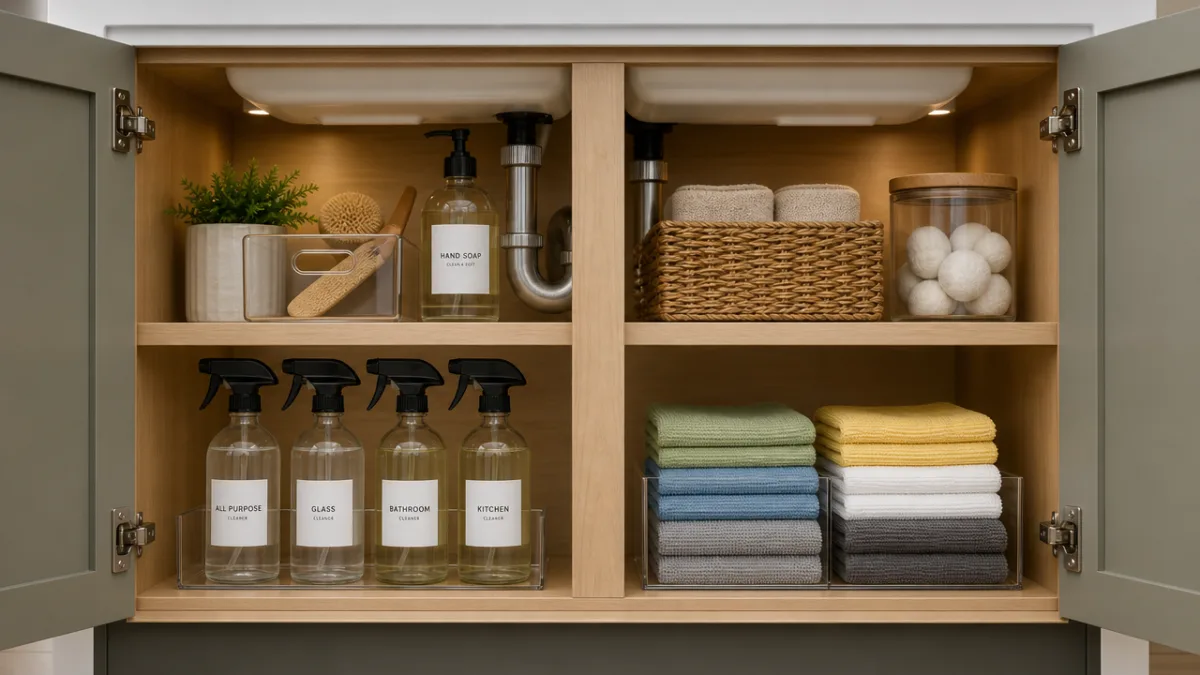
Pairing your spray with the right tools also makes a meaningful difference in how effective it is. Microfiber cloths are the ideal companion for lemon vinegar spray because their fine fibers trap and lift particles more efficiently than paper towels, and they work beautifully on glass and reflective surfaces without leaving lint or streaks. Keeping a stack of clean microfiber cloths in an accessible location, such as a drawer under the kitchen sink, makes it easy to grab one for a quick wipe whenever needed. Washing your cloths regularly in hot water without fabric softener maintains their effectiveness, as softener coats the fibers and reduces their absorbency and cleaning power over time.
As you become more comfortable making and using your lemon vinegar spray, consider expanding your DIY cleaning repertoire to include other homemade products that complement it. A baking soda paste made from baking soda and a small amount of dish soap works in tandem with your spray for tougher scrubbing tasks, as the mild abrasive action of baking soda combined with the acidic spray creates a gentle fizzing reaction that loosens stubborn deposits. A simple mixture of water and rubbing alcohol in a spray bottle makes an effective glass cleaner for situations where you want something that evaporates more quickly than vinegar. Together, these three simple formulas can handle virtually any household cleaning challenge without ever reaching for a commercial product.
Encouraging other members of your household to participate in the process of making and using homemade cleaners can transform it from a solitary chore into a shared household value. Children in particular often enjoy helping to collect lemon peels and watching the infusion darken and develop over time, turning what could be a mundane kitchen task into a small science experiment. When people understand why they are using a product and have a hand in making it, they are far more likely to use it consistently and care about using it correctly. A household that cleans together with products it made together develops a sense of collective ownership over its own cleanliness and environmental impact that is genuinely worth cultivating.
Storing, Shelf Life, and Frequently Asked Questions
Proper storage of your lemon vinegar cleaning spray is straightforward but worth doing thoughtfully to preserve its effectiveness and fragrance for as long as possible. Glass spray bottles are the preferred storage vessel for several reasons: glass does not absorb or react with the acidic solution, it does not leach any chemicals into the cleaner, and it is far more durable and reusable than plastic over the long term. Dark or amber glass bottles offer the additional benefit of protecting the spray from light exposure, which can degrade the aromatic compounds extracted from the lemon peels over time. If you use clear glass or plastic bottles, storing them in a cabinet or pantry rather than on a sunny countertop will help extend their shelf life.
Your finished lemon vinegar spray should last comfortably for up to six months when stored properly in a cool, dark location. The acidity of the vinegar acts as a natural preservative, inhibiting the growth of bacteria or mold within the bottle. However, the fragrance contributed by the lemon peels and any added herbs or essential oils may fade somewhat over time, even if the cleaning power remains intact. If your spray starts to smell more sharply of straight vinegar than of lemon, that is a sign that the aromatic compounds have diminished, and it may be time to start a fresh batch. The base vinegar component itself never truly expires.
Here are answers to some of the most commonly asked questions about homemade lemon vinegar cleaning spray:
- Can I use lemon juice instead of lemon peels? You can add a small amount of lemon juice for extra acidity, but peels are more valuable because they contain limonene-rich oils that juice alone does not provide in significant quantities.
- Will my house smell like vinegar after I clean? The vinegar smell dissipates quickly as the spray dries, typically within fifteen to thirty minutes, and is replaced by the pleasant scent of lemon.
- Is this spray safe around pets? Diluted vinegar is generally safe around most pets once it has dried. However, cats in particular are sensitive to citrus compounds, so avoid spraying in areas where cats sleep or eat and ensure surfaces are fully dry before pets access them.
- Can I use this on food prep surfaces? Yes, diluted lemon vinegar spray is safe for use on countertops and cutting boards used in food preparation. Allow the surface to air dry before placing food directly on it.
Making the switch to homemade lemon vinegar cleaning spray is one of those rare decisions that benefits virtually every aspect of your household: it saves money, reduces exposure to synthetic chemicals, cuts down on plastic waste, and produces a cleaner that genuinely works beautifully across a wide range of surfaces and tasks. The process itself is simple enough to be effortless once you have done it once, and the result is a fragrant, golden spray that makes cleaning feel less like a chore and more like a small act of care for your home and your family. Start your first batch today, and within a few weeks you will wonder how you ever reached for anything else.








What do you think?
It is nice to know your opinion. Leave a comment.