










Smart Small Space DIY: Budget-Friendly Makeovers That Actually Work
Why Small Space Living Is an Opportunity, Not a Limitation
There is a persistent myth that small spaces are somehow lesser spaces — cramped, inconvenient, and perpetually cluttered no matter what you do. But experienced interior designers and resourceful homeowners have long known the opposite to be true. A small space is a concentrated canvas, one where every decision carries real weight and every smart choice pays dividends in both function and beauty. When you embrace the constraints of a smaller home or apartment, you stop fighting against the space and start working with it, which is when the real transformation begins.
Budget-friendly makeovers in small spaces actually have an enormous advantage over large-room renovations: the cost of materials is naturally lower. Painting a 200-square-foot studio apartment costs a fraction of what it would cost to paint a sprawling suburban living room. A single well-chosen area rug can visually anchor an entire open-plan micro-apartment without breaking the bank. This proportionality means that even a modest budget of a few hundred dollars can yield genuinely dramatic results when the space you are working with is compact and carefully considered.
The psychological shift required for successful small space design is moving away from the idea of “making it look bigger” as the primary goal. While visual expansion tricks are certainly useful tools, the deeper aim should be making the space feel right — intentional, personal, and fully alive. A cozy nook that feels deliberately intimate is far more satisfying than a sparse room that merely pretends to be something it is not. When you approach your small space with that mindset, the entire DIY process becomes more creative, more enjoyable, and ultimately more successful.
Understanding Your Space Before You Start
Before purchasing a single can of paint or a single shelf bracket, take a full inventory of your space and its specific challenges. Walk through each area at different times of day, paying close attention to how natural light moves, where traffic flows most naturally, and which areas feel congested. Sketch a rough floor plan on paper, noting where electrical outlets are located, where doors swing open, and which walls receive the most sunlight. This initial assessment costs nothing and saves enormous amounts of time and money down the line by helping you avoid expensive mistakes.
Measuring accurately is one of the most underrated steps in any small space DIY project. In a large room, a piece of furniture that is six inches wider than expected might barely be noticeable. In a small space, that same six inches can block a walkway entirely, prevent a door from opening, or make the room feel completely suffocating. Always measure your space in multiple directions, account for baseboards and trim, and then measure again before committing to any purchase. The rule of “measure twice, cut once” applies equally well to buying furniture and choosing storage solutions.
Identifying the primary function of each area within your small space is equally critical. Many compact apartments serve multiple purposes in a single room — sleeping, working, entertaining, and dining may all happen in the same square footage. Before you can design effectively, you need to decide which functions are most important and how to create visual or physical boundaries between them. This analysis shapes every decision that follows, from furniture selection and storage solutions to lighting choices and color palettes, making it the essential foundation of any successful small space makeover.
Paint, Color, and Light: The Free-est Transformations
Paint is unquestionably the highest-return investment in any budget DIY project, and in small spaces, its impact is magnified considerably. A single gallon of quality interior paint typically covers around 400 square feet and costs between 30 and 50 dollars, making it one of the most cost-effective transformations available to any homeowner or renter. Beyond cost, paint gives you complete creative control over the mood, perceived size, and personality of a room. The difference between a dingy beige wall and a freshly painted warm white or deep moody green is nothing short of miraculous.
Color theory offers several well-established principles for small spaces that are worth understanding before you choose your palette. Light, cool colors like soft whites, pale blues, and muted greens tend to recede visually, making walls feel farther away than they are. Warm, saturated colors like terracotta, mustard, and forest green create a sense of intimacy and coziness that can make a small room feel intentionally designed rather than accidentally cramped. Contrary to popular advice, dark colors can actually work beautifully in small spaces when applied consistently — a room painted entirely in deep navy or charcoal reads as dramatic and deliberate rather than small and dark.
Beyond wall color, the strategic use of light can transform a small space at minimal cost. Layered lighting — combining ambient overhead light with task lighting and accent lamps — creates depth and dimension that a single ceiling fixture simply cannot achieve. Battery-powered LED puck lights under shelves, clip-on reading lamps, and inexpensive floor lamps placed in dark corners can completely change how a room feels in the evening hours. Mirrors, particularly large ones placed opposite windows or light sources, bounce natural and artificial light throughout the space and create a genuine sense of expanded volume without requiring any structural changes.
DIY Paint Techniques for Added Dimension
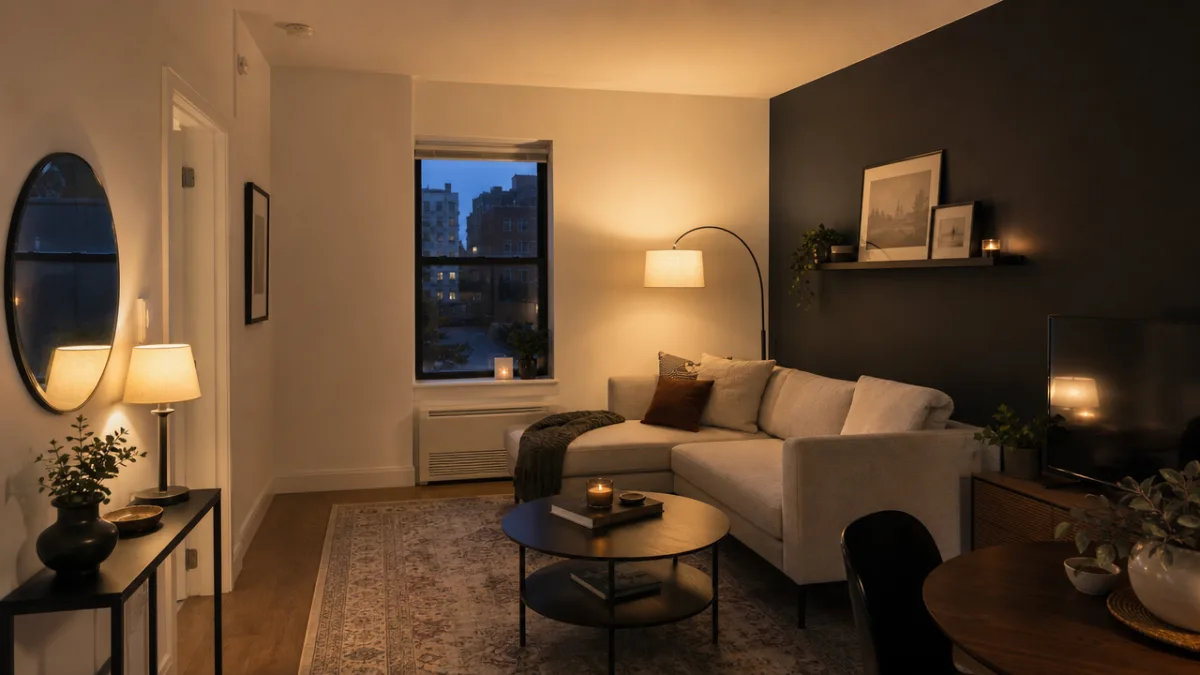
Beyond solid color walls, several DIY paint techniques can add texture, pattern, and visual interest to small spaces without requiring professional skill or expensive materials. Color blocking — painting geometric sections of a wall in two or three complementary colors — creates a bold, modern look that draws the eye and makes a room feel purposefully designed. An accent wall painted in a contrasting color or a deep, rich tone anchors the room visually and gives it a focal point, which helps the space feel more organized and intentional even when furniture and storage are minimal.
Painted ceilings are one of the most underutilized tools in small space design, and they cost almost nothing extra if you are already purchasing paint for the walls. Painting the ceiling a slightly lighter shade than the walls creates an airy, expansive feeling that draws the eye upward and makes the room feel taller. Conversely, painting the ceiling the same color as the walls in a deep or saturated tone creates a cocooning effect that feels luxurious and intentional. Some designers even paint the ceiling a complementary but contrasting color for a more dramatic, jewel-box effect that turns the small room into a deliberate statement rather than an apology.
Stenciling and tape-based geometric patterns are accessible DIY techniques that can mimic the look of expensive wallpaper at a fraction of the cost. Painter’s tape applied in chevrons, stripes, or diamond patterns before a second coat of paint creates clean, graphic designs that add tremendous personality to a small space. Foam rollers and pre-cut stencils from craft stores make repeat patterns achievable for beginners, and the investment in materials is typically under 20 dollars. These techniques work particularly well on accent walls, in small hallways and entryways, or behind open shelving where the pattern peeks through rather than overwhelming the entire room.
Furniture Selection and Multi-Functional Pieces
In small space design, every piece of furniture must earn its place. The days of buying a matching set because it looks nice in a showroom are over when square footage is limited — instead, each item needs to justify its footprint by serving at least two purposes or fitting precisely within the spatial logic of the room. This ruthless selectivity might sound limiting, but it actually frees you from the clutter of unnecessary furniture and creates an environment where everything feels curated, intentional, and beautifully edited. The result is almost always more visually pleasing than a larger room filled with furniture chosen without the same careful consideration.
Multi-functional furniture is the cornerstone of smart small space living, and the market for these pieces has expanded enormously in recent years, bringing prices down considerably. A storage ottoman serves as a coffee table, extra seating, and hidden storage simultaneously. A daybed with drawers underneath functions as a sofa during waking hours and a bed at night while providing significant storage. Murphy beds mounted on hinged wall units fold away to reveal a workspace or dining area when not in use. Nesting tables that stack compactly when not needed expand to provide generous surface area when guests arrive. Each of these solutions eliminates the need for multiple single-purpose pieces, saving both money and space.
Buying secondhand furniture for small space makeovers is not just a budget strategy — it is often the best way to find the specific pieces your space actually needs. Thrift stores, Facebook Marketplace, estate sales, and Craigslist regularly offer solid wood furniture, vintage storage pieces, and unexpected finds that can be repainted, reupholstered, or refinished to fit your exact vision. A secondhand dresser painted in a fresh color and fitted with new hardware becomes a custom piece of furniture at a fraction of retail cost. This approach also gives small spaces genuine character and individuality that no amount of big-box furniture shopping can replicate.
Vertical Space and the Power of Going Up
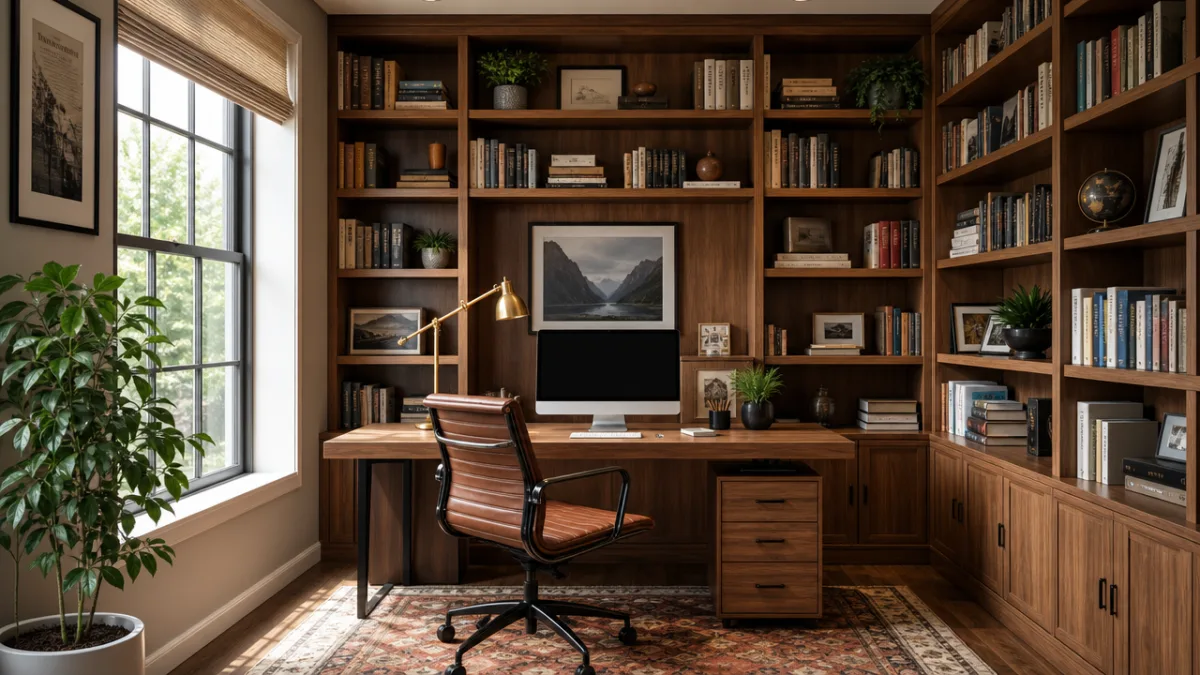
One of the most consistently underutilized dimensions in small space design is vertical space — the area above eye level that remains empty while floor space is desperately competed for. Installing shelving that extends all the way to the ceiling takes advantage of every available inch while keeping the floor clear and the room feeling open. Tall bookshelves, wall-mounted floating shelves stacked from baseboard to ceiling, and custom built-ins that reach the full height of the wall all create tremendous storage capacity without consuming any additional floor area. The visual effect of tall shelving also draws the eye upward, making ceilings feel higher than they are.
Wall-mounted storage solutions are among the most cost-effective DIY projects available for small spaces, and they are generally well within the skill range of even beginner home improvers. A simple set of floating shelves requires only a stud finder, a drill, a level, and materials that typically cost between 15 and 40 dollars per shelf. Pegboards, originally designed for garages and workshops, have become popular kitchen and home office storage solutions because they are infinitely customizable and can hold a remarkable variety of items using inexpensive hooks and brackets. Even hanging pots and pans from a ceiling-mounted rack in a small kitchen frees up cabinet space while creating a charming, professional aesthetic.
Hooks, rails, and hanging organizers mounted on the back of doors represent some of the most overlooked storage real estate in any small home. The back of a bathroom door can hold a full over-door organizer stocked with toiletries, hair tools, and cleaning supplies. The back of a pantry or kitchen cabinet door can hold cutting boards, measuring cups, and small containers. Bedroom doors can hold jewelry organizers, shoe pockets, or accessory storage. These solutions typically cost between five and twenty dollars, require no drilling when using over-door hooks, and collectively add up to a genuinely significant amount of organized storage space.
Storage Solutions and Organization Hacks
Effective organization in a small space is not simply about having enough storage — it is about having the right kind of storage in the right locations, making it easy to put things away and easy to retrieve them. The best storage systems are ones that people actually use consistently, which means they need to be intuitive, accessible, and reasonably attractive. A beautifully organized small space is not one where everything is hidden away at any cost, but one where frequently used items are within easy reach while infrequently used things are stored efficiently out of sight. This distinction guides every storage decision in a smart small space makeover.
Transparent storage containers are a small investment with disproportionate organizational benefits. When you can see what is in a container at a glance, you avoid the time-consuming process of opening and searching through multiple boxes, which means you are more likely to put things back where they belong. Clear acrylic bins, glass jars for pantry staples, transparent shoe boxes, and see-through drawer organizers all contribute to a space that functions more smoothly on a daily basis. Labeling these containers with a label maker or even hand-lettered tags adds a satisfying, intentional quality to the organization system while making it accessible to everyone who uses the space.
Seasonal rotation is one of the most powerful strategies for managing possessions in a small space without actually getting rid of anything you genuinely use. Clothing items, linens, sports equipment, and holiday decorations that are only needed during certain parts of the year can be packed into vacuum-seal bags and stored under beds, on high closet shelves, or in labeled bins in a storage unit. This rotation keeps only currently relevant items in accessible storage, dramatically reducing the feeling of clutter and making it easier to find what you need day to day. The vacuum-seal bags themselves are inexpensive, widely available, and capable of compressing bulky items to a fraction of their normal volume.
DIY Built-Ins and Custom Storage on a Budget
Custom built-in storage is one of the most desirable features in any home, and the good news for small space DIYers is that convincing built-ins can be achieved at surprisingly low cost using standard IKEA cabinetry, prefabricated shelving units, or simple plywood construction. The secret is in the finishing details: adding crown molding to the top of a freestanding bookshelf makes it look architecturally integrated. Painting storage units the same color as the walls causes them to recede visually and read as built-ins. Adding consistent hardware throughout a series of cabinets creates a unified, intentional appearance regardless of how the pieces were originally purchased.
Under-stair storage, if your home includes stairs, represents one of the most substantial untapped storage opportunities in residential design. The triangular void beneath a staircase can be converted into drawers, cabinets, open shelving, a compact home office nook, or even a reading alcove with cushioned seating and built-in bookshelves. This type of conversion typically requires some carpentry skill and a modest budget for materials, but the transformation it creates is extraordinary — converting otherwise wasted dead space into genuinely functional and often beautiful storage that becomes a highlight of the home.
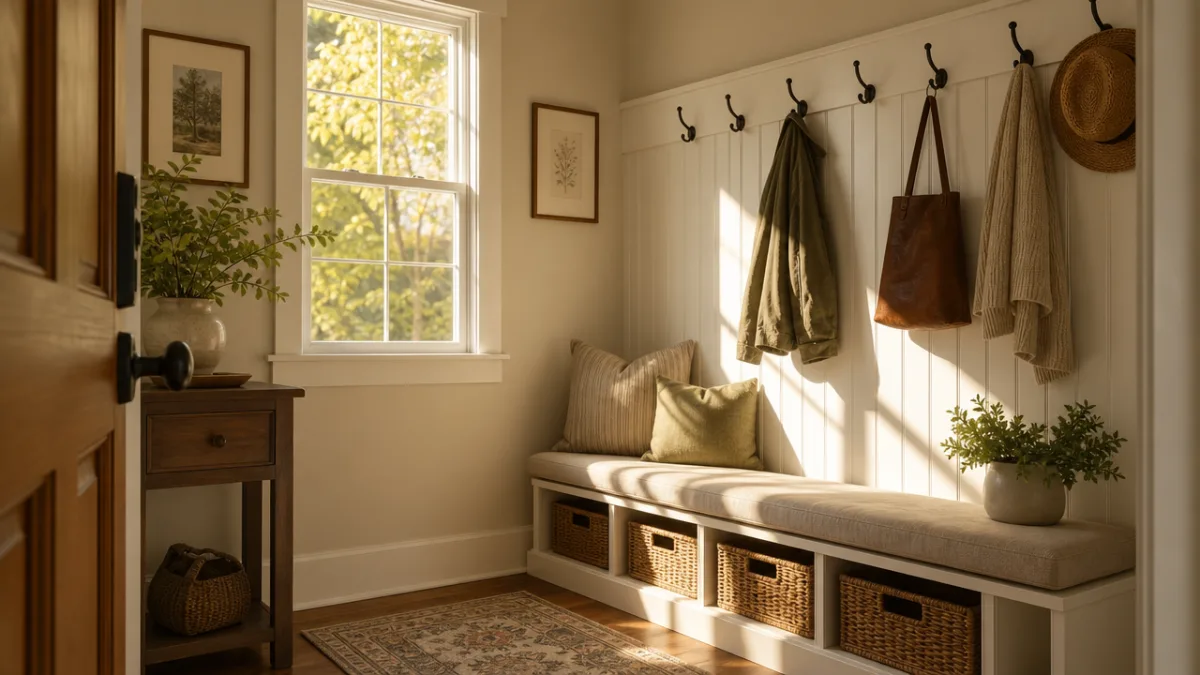
Mudroom-style entry organization is particularly valuable in small homes and apartments where the entryway might be nothing more than a few square feet near the front door. Installing a row of wall-mounted hooks at consistent heights, adding a narrow bench with storage underneath, and mounting a small shelf for keys, mail, and small items transforms even the most minimal entryway into a functional drop zone. These systems can be assembled from basic hardware store components for well under 100 dollars and dramatically reduce the daily chaos of misplaced keys, scattered bags, and shoes left in the middle of the floor.
Finishing Touches: Textiles, Plants, and Personal Style
Once the structural elements of a small space makeover are in place — the fresh paint, the thoughtful furniture, the organized storage — it is the finishing touches that transform a functional room into a genuinely beautiful and personal home. Textiles are among the most affordable and impactful of these finishing elements, capable of adding color, texture, warmth, and softness in ways that furniture and paint alone cannot achieve. A well-chosen area rug anchors a seating arrangement and defines zones within an open-plan space. Throw pillows in complementary colors and varying textures add depth and personality to a sofa or daybed. Curtains hung high and wide — mounted at ceiling height and extending beyond the actual window frame — make windows appear larger and rooms feel taller.
Plants bring life, color, and even improved air quality to small spaces at very low cost, and they have the remarkable ability to make even a sparse room feel inhabited and cared for. Trailing plants like pothos and string of pearls are particularly well suited to small spaces because they grow vertically and downward, adding visual interest without consuming floor space. Mounted wall planters allow for genuine greenery without using any shelf or floor real estate. A single large-leafed plant like a fiddle-leaf fig or monstera can serve as an organic focal point that anchors a corner and brings the energy of the outdoors inside, adding tremendous visual impact for the cost of a single plant purchase.
Personal style and meaningful objects are what ultimately make a small space feel like home rather than simply a well-organized storage unit. Displaying a curated collection of books with their spines facing outward, hanging a gallery wall of framed photographs and prints, or incorporating inherited objects and travel souvenirs into the decor gives a space genuine character that no interior design magazine can fully prescribe. In small spaces, the discipline required to be selective about what is displayed actually works in your favor — every object on display is a deliberate choice, giving the room a considered, gallery-like quality that larger spaces often lack despite their abundance of surface area.
Bringing It All Together: The Cohesive Small Space Aesthetic
The difference between a small space that feels chaotic and one that feels intentionally designed almost always comes down to cohesion — the sense that all the elements belong together and were chosen with a consistent vision in mind. You do not need an expensive interior designer or a large budget to achieve this cohesion; you need a simple set of design principles that you apply consistently across all your choices. Selecting two or three anchor colors and using them throughout the space in varying proportions ties together furniture, textiles, and accessories into a unified whole. Repeating materials — wood tones, metal finishes, fabric textures — across multiple pieces creates visual harmony without requiring matching sets.
The concept of negative space — areas deliberately left empty or undecorated — is particularly important in small space design. The temptation when working with limited square footage is to use every inch as efficiently as possible, but visually, a room needs breathing room to feel calm and intentional rather than cluttered and overwhelming. Leaving some wall space bare between framed art, keeping a surface clear of objects, or allowing a corner to remain simply lit rather than filled creates the visual pauses that make the rest of the room’s content feel more impactful. Restraint, in small space design, is not absence — it is a positive design choice that elevates everything around it.
The most important principle in any small space makeover is that the space should serve the life of the person living in it, not the other way around. Budget-friendly DIY transformations are most successful when they emerge from a genuine understanding of how you actually live — what you need to access daily, what brings you joy to look at, and what functional challenges make everyday life harder than it needs to be. When you solve real problems with creative, affordable solutions and decorate with things that genuinely matter to you, the result is a small space that feels not like a compromise, but like a home that is perfectly, precisely yours.








What do you think?
It is nice to know your opinion. Leave a comment.