










Home Upgrades Worth It: Smart Improvements That Last
Why Strategic Home Improvements Pay Off in the Long Run
Not every home upgrade is worth the money — some pay for themselves many times over while others go out of style before you’ve even finished paying the contractor. Knowing the difference between a smart, lasting improvement and a trendy splurge is genuinely one of the bigger financial decisions you’ll make as a homeowner. A little research upfront can easily save you thousands of dollars and a whole lot of second-guessing down the road.
What “worth it” actually means depends a lot on where you’re at. Planning to sell in the next few years? You’ll want upgrades that boost market appeal and hold up well at appraisal. Staying put for the long haul? Then comfort, lower energy bills, and less maintenance are probably what matter most to you. Either way, the upgrades that consistently deliver tend to have a few things in common — they fix real problems, make daily life better, and don’t require constant babysitting or replacement five years later.
The homeowners who seem to always come out ahead treat improvements like a plan, not a reaction. They take stock of what their home actually needs, talk to the right professionals, get a few quotes, and tackle the structural and functional stuff first before worrying about how things look. Cosmetic updates can always come later once the bones are solid. That kind of discipline is what separates people who grow real wealth through their home from those who feel like it’s perpetually draining their savings with nothing to show for it.
Energy Efficiency Upgrades That Save Money Every Month
Energy efficiency upgrades might be the closest thing there is to a guaranteed win in home improvement, because they start paying you back the day they go in. Swapping out an old HVAC system for a modern high-efficiency unit, for instance, can slice your heating and cooling costs by 20 to 40 percent every year. When you consider that climate control eats up nearly half the average household’s energy bill, those savings add up fast over five or ten years — and that’s before you factor in any federal tax credits or utility rebates that are often available for energy-efficient equipment.
Insulation doesn’t get nearly enough credit, but it’s one of the best-returning investments you can make in a home. A lot of houses — especially anything built before the 1990s — are badly under-insulated in the attic, walls, and crawl spaces. It’s not a glamorous upgrade by any stretch, but properly insulating those areas keeps your conditioned air where it belongs, takes pressure off your HVAC system, muffles outside noise, and helps prevent the kind of moisture problems that quietly cause expensive structural damage over time. The upfront cost is pretty reasonable compared to what you save over decades of ownership.
Smart thermostats, LED lighting, Energy Star windows, and high-efficiency water heaters round out a solid energy efficiency overhaul. These technologies have all matured to the point where they’re reliable and pay for themselves in years rather than decades. Triple-pane windows, for example, can make a real dent in drafts and condensation, improving both comfort and air quality while cutting down on heating and cooling losses. Put it all together and you can genuinely transform an energy-hungry, drafty home into one that’s comfortable to live in and noticeably cheaper to run — every single month.
Kitchen Renovations That Add Real Value Without Overspending
The kitchen is almost always the first room buyers zero in on, and a well-done kitchen renovation consistently ranks at the top for both personal enjoyment and resale value. But here’s something experienced homeowners and real estate agents tend to agree on: a full gut renovation is rarely necessary to make a big impression. Refacing the cabinet doors, swapping out the hardware, upgrading to stone or quartz countertops, and adding a new backsplash can completely change the feel of a kitchen for a fraction of what starting from scratch would cost. The sweet spot is making it feel fresh and functional without sinking more money into it than the home can actually support.
Appliances are worth taking seriously during any kitchen project. Replacing tired, mismatched, or inefficient appliances with a coordinated energy-efficient set pulls double duty — it sharpens the look of the kitchen while trimming your energy and water bills at the same time. Stainless steel has proven it has staying power in the resale market, though panel-ready integrated appliances are becoming more popular in higher-end homes for that seamless, built-in appearance. Whatever direction you go, betting on reliability and efficiency over whatever finish is trending right now will serve you much better over the long run.
Honestly, functional improvements to the kitchen’s layout and storage are often where the real payoff lives. Pull-out shelving in lower cabinets, deep drawer organizers, a thoughtfully designed pantry, and an island that gives you both work space and storage can completely change how enjoyable the kitchen is to use every day. Buyers tend to respond strongly to kitchens that feel organized and livable, not just pretty. Before you commit to a renovation plan, spend some time thinking about what actually frustrates you about your current kitchen and let that drive your decisions.
Bathroom Upgrades That Combine Luxury With Longevity
Bathroom renovations reliably deliver on both daily comfort and resale appeal, making them one of the more well-rounded home improvements you can take on. A master bathroom update in particular can dramatically shift how a home is perceived. Converting a dated tub-and-shower combo into a roomy walk-in shower with quality tile, a frameless glass enclosure, and a rainfall showerhead is the kind of change buyers consistently get excited about. The key is choosing materials and fixtures that are genuinely built to last — porcelain or natural stone tile, solid brass hardware, quality grout that won’t turn into a mold problem a few years down the line.
Flooring is one of the most important calls you’ll make in any bathroom renovation. Heated floor systems, once firmly in luxury-home territory, have gotten much more affordable and are surprisingly cost-effective when you’re already having tile installed. The feeling of stepping onto a warm floor on a cold morning is hard to overstate, and it elevates the feel of even a fairly modest bathroom. Pair that with a well-designed double vanity, decent storage, and updated lighting and you end up with something that genuinely feels like a spa retreat — without necessarily spending like one, if you’re thoughtful about where the money goes.
It’s also worth working water efficiency into any bathroom renovation. Low-flow toilets, water-saving showerheads, and sensor-activated faucets cut water use noticeably without making the experience any worse. In areas with high water rates or water supply concerns, these fixtures can pay for themselves in just a few years. They also signal to future buyers that the home has been managed responsibly — something more and more buyers actually care about. A bathroom that’s beautiful, works great, and runs efficiently checks every box, which is exactly why it’s one of the strongest investments a homeowner can make.

Outdoor and Curb Appeal Improvements That Make a Lasting First Impression
Your home’s exterior sets the tone before anyone even steps inside, and curb appeal improvements are among the highest-returning investments in the whole home improvement world. Replacing a worn front door with a quality fiberglass or steel entry door in a classic style consistently returns over 70 percent of its cost at resale, according to industry data — while also improving security, insulation, and the simple daily pleasure of coming home. Fresh exterior paint or updated siding like fiber cement can make a tired home look practically brand new, adding meaningful perceived value at a pretty reasonable cost per square foot.
Landscaping and outdoor living spaces have become increasingly valuable as more people work from home and actually spend time in their yards. A well-designed deck, patio, or outdoor living area genuinely extends the usable square footage of your home. When you build it with durable materials — composite decking, natural stone pavers, powder-coated aluminum framing — it holds up for years with minimal upkeep. Add thoughtful landscaping with native plants that don’t demand constant watering, solid drainage, and some landscape lighting, and you end up with an outdoor space that’s as enjoyable and functional as anything inside the house.
Driveways and garages tend to get overlooked, but they make more of an impression than most people realize. Resurfacing a cracked or stained concrete driveway, upgrading to stamped concrete or pavers, or even just pressure washing and sealing what’s already there can noticeably improve the look of the whole property. Garage door replacement is similarly impactful and often surprisingly affordable. A new door that actually fits the style of the home can be one of the single most cost-effective improvements you make — both for everyday curb appeal and for what it returns when you eventually put the home on the market.
Smart Home Technology That Adds Convenience and Future-Proofs Your Investment
Smart home technology has moved well past the novelty phase and into genuine value-add territory, and the best time to weave these systems in is during a renovation when walls are already open and wiring can be done right. A whole-home automation setup that handles lighting, climate, security, and entertainment from one platform adds real convenience — and real appeal. Younger buyers in particular are increasingly factoring smart home capability into their decisions, and homes that are properly wired for future tech integration tend to stand out in competitive markets.
Security is probably the most compelling piece of the smart home puzzle. Video doorbells, smart locks with keypad or app-based entry, exterior cameras, and integrated alarm systems give genuine peace of mind while making the home more attractive to buyers and potentially lowering your homeowner’s insurance premiums. These systems have gotten remarkably affordable and simple to install, and their presence sends a clear message that the home has been well cared for. Many insurers now offer discounts for monitored security systems, which means the financial benefits go beyond just resale value — they show up in your monthly costs too.
Whole-home water monitoring is worth a special mention as an emerging smart upgrade with serious protective potential. Systems that track water flow throughout the house and automatically shut off the main supply when a leak is detected can prevent the kind of catastrophic water damage that runs into tens of thousands of dollars to fix. Smart smoke and carbon monoxide detectors that push alerts to your phone when you’re not home offer a level of protection that a standard detector simply can’t match. These less flashy but highly practical upgrades represent something close to the ideal home improvement: one you hope you never actually need, but will be incredibly grateful for if you do.
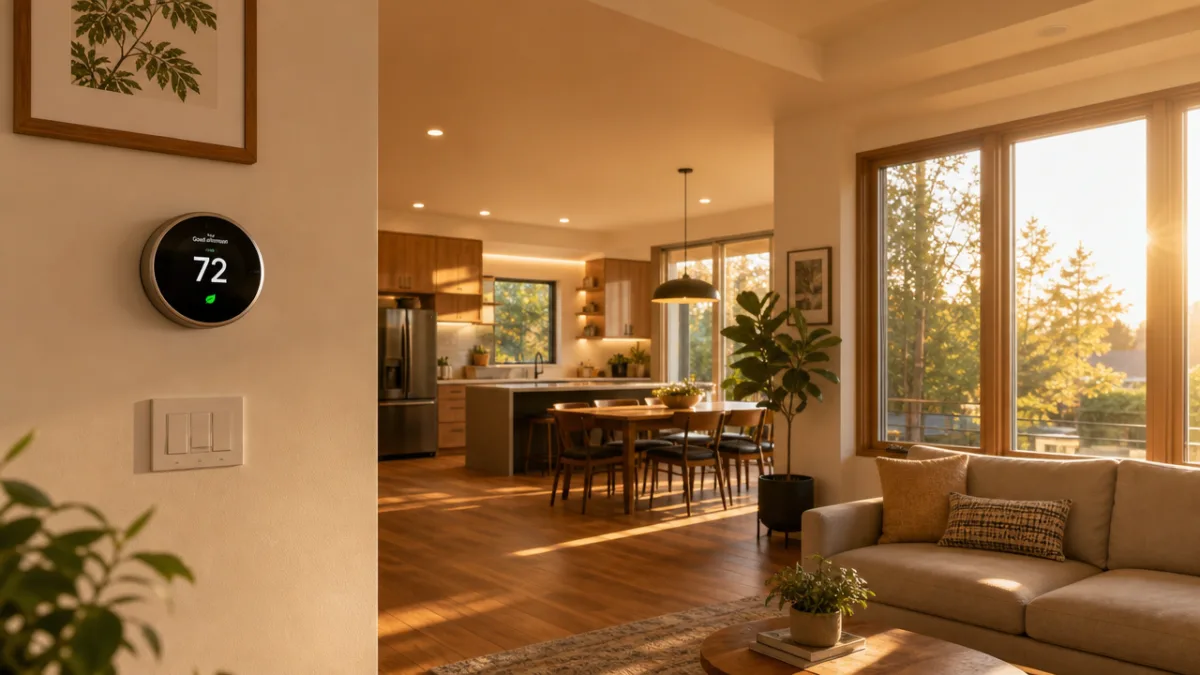
- Smart thermostat systems – Reduce energy costs by learning your schedule and optimizing temperature automatically throughout the day and night.
- Whole-home water leak detectors – Protect against catastrophic water damage by monitoring flow and shutting off the supply at the first sign of a problem.
- Video doorbell and smart lock systems – Enhance security, enable remote access management, and add significant buyer appeal at resale.
- Integrated lighting control – Set scenes, automate schedules, and reduce energy waste with smart bulbs or wired lighting control systems throughout the home.
- Smart garage door openers – Monitor and control garage access remotely, receive alerts when the door is left open, and integrate with broader home automation platforms.

Planning Your Home Improvement Strategy for Maximum Return
The most successful home improvement projects don’t start at the hardware store — they start with an honest look at what the home actually needs, what the neighborhood market supports, and what you personally care about most. One of the most common and costly mistakes homeowners make is overspending on upgrades that push past the value ceiling of the surrounding homes. A real estate agent or appraiser who knows your area well can save you a lot of money by telling you upfront which improvements are likely to come back to you at resale and which ones probably won’t, regardless of how well they’re done.
Budgeting for contingencies isn’t optional — it’s essential. Home improvement projects, especially in older homes, have a well-earned reputation for turning up surprises once the work gets started. Outdated wiring, asbestos, water damage lurking behind walls, foundation issues — any of these can dramatically change the scope and cost of a project mid-stream. Experienced homeowners typically set aside 15 to 20 percent of the project budget for exactly this kind of thing, because the unexpected really isn’t all that unexpected once you’ve been through a renovation or two. That cushion lets you finish the job properly rather than cutting corners when something pops up.
Finally, picking the right contractors matters every bit as much as picking the right projects. How well the work gets done is what determines whether an improvement holds its value for decades or becomes a recurring headache. Checking licenses and insurance, asking for references, looking at past work, and getting everything in writing before a single nail goes in — these aren’t optional extras, they’re the baseline for protecting your investment. The lowest bid almost never represents the best value, and the gap between a skilled, reputable contractor and a careless one usually doesn’t show up in the initial price — it shows up over years of reliable performance versus years of callbacks, fixes, and redone work. Put as much thought into who does the work as you put into what the work actually is.








What do you think?
It is nice to know your opinion. Leave a comment.