










DIY Room Decor Ideas 2026: Aesthetic, Budget-Friendly Hacks for a Cozy Bedroom Makeover
Why DIY Room Decor Is the Smartest Choice in 2026
The way we think about our living spaces has changed a lot over the past few years, and 2026 feels like the year people are really leaning into intentional, personal interiors. Instead of dropping thousands on mass-produced furniture and generic decor from big-box stores, more and more people are going the DIY route — making things that actually reflect who they are without blowing their budget. And honestly? The results can be incredible. Between the tutorials, affordable materials, and endless inspiration available right now, there’s never been a better time to get creative with your space.
There’s something really satisfying about walking into a room you put together with your own hands. Beyond saving money, DIY gives you total control — over the colors, the textures, the scale, all of it. You’re not stuck with whatever happens to be in stock at your nearest home goods store. Want a gallery wall that actually tells your story? A headboard in exactly the fabric you’ve been picturing? Floating shelves built to fit your specific wall? DIY makes all of that happen without any compromise, and without a price tag that makes you wince.
The aesthetic trends coming up in 2026 are all about warmth, organic materials, layered textures, and that cozy, lived-in feeling sometimes called “new hygge” — a modern spin on the Scandinavian idea of comfort and contentment. Think soft lighting, natural wood tones, dried botanicals, and handmade textiles. The great news is that basically every part of this trend is tailor-made for DIY. So if you’ve been waiting for the right moment to roll up your sleeves and turn your bedroom into the retreat you’ve always wanted, this is it.
Budget-Friendly Materials That Look Expensive
A lot of people assume that creating a high-end, polished look means spending a lot on materials — but that’s really not the case. Some of the most stunning bedroom makeovers start with incredibly affordable finds from craft stores, dollar stores, thrift shops, and even recycling centers. With the right technique and a little paint or fabric, these humble materials can look like they came straight out of a luxury interior design studio. Learning to see the potential in something ordinary is honestly one of the best skills you can develop as a DIY decorator.
Peel-and-stick wallpaper has been a fan favorite for a few years now, and in 2026 the options are better than ever. You can find incredibly realistic textures — linen weaves, marble veining, subtle geometric patterns — for a fraction of what traditional wallpaper or actual stone tiling would cost. One accent wall behind your bed, dressed in the right pattern, can completely anchor your room’s aesthetic and make the whole space feel put-together and intentional. It’s also totally renter-friendly since it comes off cleanly, which is a huge bonus if you’re in an apartment.
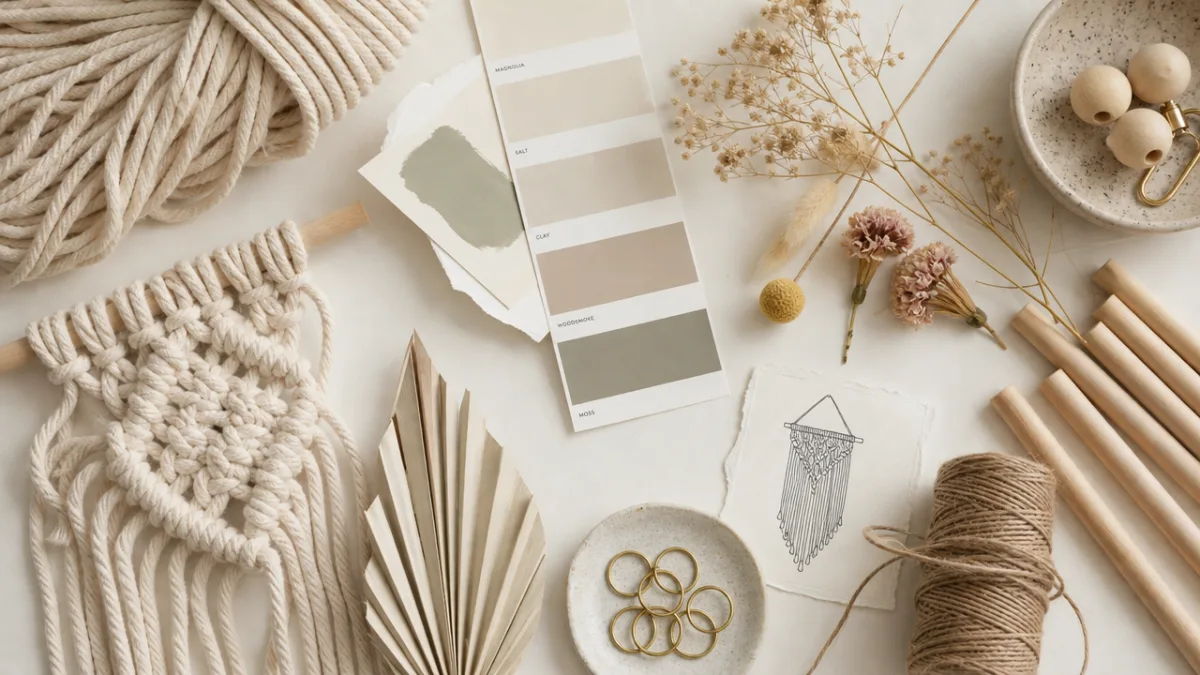
Other budget materials worth keeping on hand include air-dry clay for sculptural decor pieces, macrame cord for wall hangings and plant hangers, wooden dowels and birch branches for DIY curtain rods and decorative touches, and basic canvas in various sizes for original artwork. Fabric remnants from local sewing stores can become pillow covers, draped canopies, or table runners. Even plain brown kraft paper, when layered and styled thoughtfully, can work as wrapping for objects or as a backdrop for a styled shelf. The trick is to look at every material not for what it is, but for what it could become.
Step-by-Step: Creating a Cozy Aesthetic Bedroom on a Budget
You don’t have to transform your bedroom all at once — and honestly, doing it in stages usually leads to better results anyway. When you take your time, you can evaluate each change before layering the next thing on top of it. Start with the walls, since they’re the largest surface in the room and make the biggest visual impact. Whether you paint an accent wall in a deep, moody terracotta or dusty sage, hang a large DIY textile, or apply peel-and-stick wallpaper, nailing down your wall treatment early gives you a clear color palette to build from as you add furniture and accessories.
Lighting is something a lot of people overlook, and it’s one of the easiest and most affordable things you can upgrade. Simply swapping a harsh overhead bulb for warm-toned Edison bulbs changes the entire feel of a room. String lights draped along a canopy frame, behind sheer curtains, or along a bookshelf create a soft, ambient glow that no ceiling fixture can replicate. DIY table lamps made from thrifted bottles, vintage tins, or even stacked books with a simple lamp kit from the hardware store add warmth and personality at the same time. The goal is to layer light at different heights throughout the room rather than depending on one overhead source to do all the work.
Textiles are your fastest, most affordable tool for adding coziness to a bedroom. A space that feels cold and bare can feel completely different almost overnight with a chunky knit throw, layered pillow covers in different textures, a patterned area rug under the bed, and floor-length curtains in a soft, flowing fabric. A lot of these can be made at home for very little — knit or crochet a throw from thick yarn, sew simple envelope pillow covers from fabric you love, or hem inexpensive drop cloth from the hardware store into beautiful floor-length curtains. All those soft layers together create a room that feels genuinely warm and welcoming.
Top DIY Decor Projects for a 2026 Bedroom Aesthetic
Once you’ve got the bones of your room in place, it’s time to get into the specific projects that give your space real personality and charm. The ideas below cover a range of skill levels — from total beginners to people with a bit more crafting experience — and all of them can be done on a tight budget with easy-to-find materials. Each one was picked not just for the visual payoff, but for that sense of connection you get from making something yourself. Handmade things carry a meaning that bought things just can’t match.
A DIY gallery wall is one of the most powerful and flexible bedroom projects you can take on. The best part is that you can build it slowly — start with three or four pieces and add to it over time. Mix frame styles and sizes for an eclectic, collected look, or stick to matching frames for something more curated. Fill them with your own photos printed at home, pages from old books or magazines, pressed botanical specimens, simple abstract paintings, or affordable digital art. Lay everything out on the floor before you start hammering so you can get the spacing right without ending up with a wall full of unnecessary holes.
Here are some of the most impactful DIY bedroom projects to try in 2026:
- Dried flower arrangements and botanicals: Collect or buy dried pampas grass, eucalyptus, lavender, and wildflowers. Bundle them in thrifted vases or handmade clay pots for a natural, organic centerpiece that needs zero maintenance and costs almost nothing.
- DIY macrame wall hanging: Using basic knots you can learn from free online tutorials, create a large-scale wall textile that adds real texture and warmth above a bed or dresser. Cord is cheap, and the whole project can realistically be finished in a weekend.
- Painted furniture transformation: A coat of chalk paint can turn a thrifted dresser or nightstand into a genuine showpiece. Matte finishes in dusty pinks, sage greens, or deep charcoal are especially on-trend for the 2026 aesthetic.
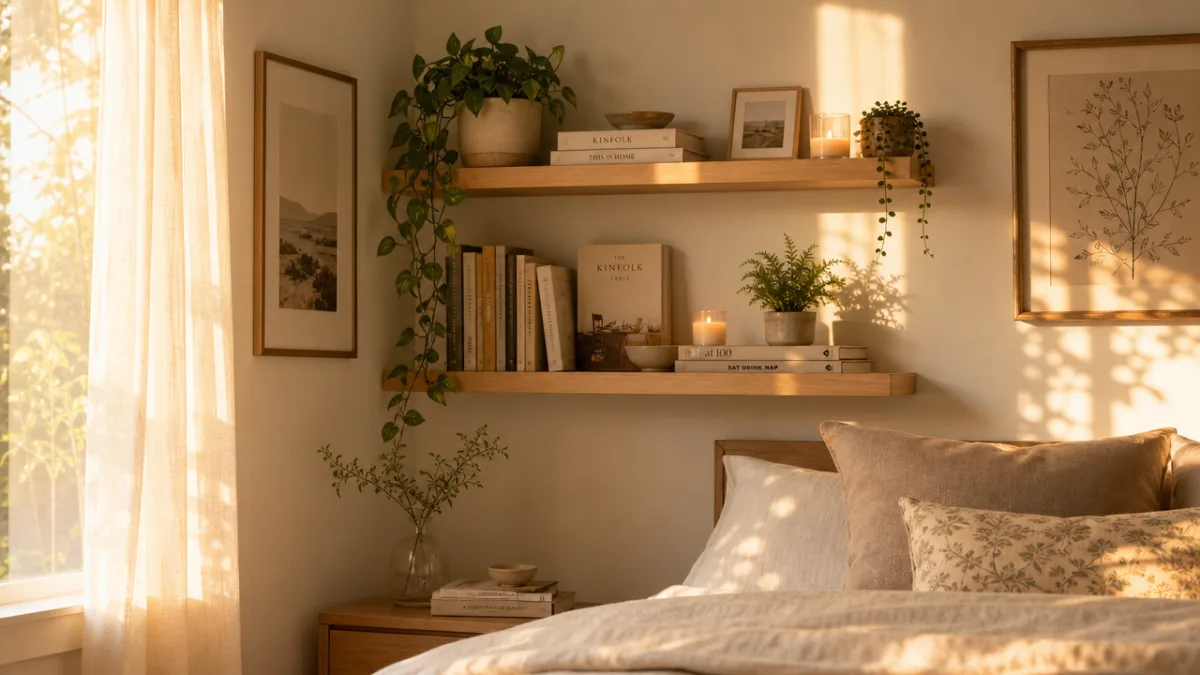
- Floating shelf display: Put up a set of simple floating shelves and style them with a curated mix of books, candles, small plants, and handmade objects. Vary the heights and depths to create visual interest rather than a flat, uniform look.
- DIY canopy bed frame: Mount a simple wooden dowel to the ceiling above your bed and hang sheer fabric panels from it. You get the romantic, dreamy look of a canopy bed without buying a new frame or spending more than a few dollars.
How to Style Your DIY Decor Like a Professional Interior Designer
Making beautiful individual pieces is only half the battle. The other half is knowing how to arrange and style them so the room feels cohesive and intentional rather than cluttered or random. Interior designers use a set of principles that anyone can learn and apply to any space, no matter the size or budget. The most fundamental one is visual balance — distributing visual weight around the room so no single area feels overwhelmed while another feels bare. This doesn’t mean everything has to be symmetrical. In fact, asymmetrical balance often looks more dynamic and interesting. But it does mean being aware of how your eye moves through the space.
The rule of three is a styling principle that works in almost any context. When you’re arranging objects on a shelf, nightstand, or dresser, grouping things in odd numbers — especially threes — tends to look more natural and visually pleasing than even groupings. Within each group, vary the height, texture, and scale. A tall dried floral arrangement next to a medium stack of books beside a small ceramic dish, for example, creates exactly the kind of layered, editorial styling you see in magazine spreads. Apply this consistently throughout your room and the overall effect will feel polished and deliberate without looking stiff.
Color cohesion is another essential tool. You don’t need to match everything perfectly, but picking two or three anchor colors and pulling them through the room creates a real sense of harmony. For 2026’s trending aesthetic, those anchor colors might be warm terracotta, creamy off-white, and muted sage green. Once you’ve committed to a palette, look for chances to echo each color in multiple spots around the room — a terracotta pillow on the bed, a small terracotta pot on the shelf, a terracotta-toned print in your gallery wall. Those repeated touches connect all the elements visually and tie the whole room together in a way that feels considered and intentional.
Maintaining Your Aesthetic: Keeping Your DIY Bedroom Fresh Year-Round
One of the best things about a room filled with DIY and handmade elements is how easy and inexpensive it is to refresh when you want a change. Unlike expensive furniture or built-in fixtures, most DIY decor can be swapped out, updated, repainted, or repurposed with very little effort or cost. Getting into the habit of doing small seasonal refreshes — adjustments that reflect the time of year and keep the space feeling alive — is one of the most effective ways to stay genuinely happy in your room over the long run.
For autumn and winter, lean into deeper, richer tones and heavier textures. Swap out light linen pillow covers for velvet or chunky knit versions. Add more candles and warm-toned lighting to make up for shorter, darker days. A faux fur throw or woven wool blanket adds warmth and a cozy, sensory feel. Dried botanicals like pine cones, cinnamon sticks bundled with twine, or branches of dried eucalyptus bring in seasonal scents and natural textures that just feel right during the colder months. If you store and rotate your textile and decor collection thoughtfully, these seasonal swaps require almost no money at all.
Spring and summer refreshes go in the opposite direction — lighter fabrics, brighter botanicals, a general sense of airiness. Swap heavy curtains for sheer panels that let in more light. Bring in small potted plants or fresh flowers from a farmers market to replace the dried winter arrangements. Rotate artwork in your gallery wall to include lighter, breezier pieces. Beyond the aesthetic benefits, this habit of regular, intentional refreshing does something important: it keeps you genuinely engaged with your space. Your bedroom stays a living, evolving expression of who you are right now rather than a static backdrop to daily life — and that, more than any single decor project, is what makes a home feel truly like yours.








What do you think?
It is nice to know your opinion. Leave a comment.