










DIY Aroma Stones – Natural Fragrance with Style
What Are Aroma Stones and Why You Should Make Your Own
Aroma stones are small, porous decorative objects that absorb and slowly diffuse essential oils into the surrounding air, creating a gentle, lasting fragrance without the need for heat, electricity, or open flames. Unlike candles or plug-in diffusers, aroma stones work entirely passively — you simply add a few drops of your favorite essential oil and let the stone do the rest. They are one of the most elegant and low-maintenance ways to bring natural scent into your home, car, closet, or workspace.
Making your own aroma stones at home is surprisingly simple and requires only a handful of inexpensive materials. The DIY approach gives you complete control over the shape, color, texture, and fragrance of each stone, allowing you to tailor them perfectly to your personal taste or to create thoughtful handmade gifts. Many store-bought versions are made with synthetic fragrances and artificial dyes, so crafting your own ensures a cleaner, more natural product you can feel good about using around your family and pets.
Beyond their practical benefits, DIY aroma stones are also a genuinely enjoyable creative project. Whether you are an experienced crafter or a complete beginner, the process is forgiving, relaxing, and deeply satisfying. You can experiment with different molds, mix custom essential oil blends, and add botanicals or colorants to produce stones that are as beautiful as they are functional. Once you make your first batch, it is very difficult to stop at just one.
Gathering Your Materials – Everything You Need to Get Started
The foundation of most DIY aroma stones is either air-dry clay, baking soda clay, or a plaster-based mixture, and each material produces a slightly different result. Air-dry clay is widely available at craft stores and offers a smooth, workable texture that holds detail well, making it ideal for decorative molds. Baking soda clay — made from baking soda, cornstarch, and water — is an excellent budget-friendly option that dries to a brilliant white finish. Plaster of Paris creates a more rustic, stone-like appearance and is highly porous, which means it absorbs and releases fragrance exceptionally well.
In addition to your chosen base material, you will want to gather the following supplies before you begin:
- Essential oils of your choice (lavender, eucalyptus, bergamot, and lemon are popular starting points)
- Silicone molds in shapes you love — flowers, geometric forms, shells, or simple circles all work beautifully
- Natural colorants such as mica powder, activated charcoal, or dried botanicals like rose petals and dried herbs
- A mixing bowl, measuring cups, and a silicone spatula or wooden spoon
- Sandpaper (fine grit) for smoothing edges once dry
- A skewer or toothpick if you want to add hanging holes for wardrobe sachets
Quality matters most when it comes to your essential oils, since they are the heart of the entire project. Look for 100% pure, therapeutic-grade essential oils from reputable brands, and avoid fragrance oils, which are synthetic and do not carry the same aromatherapeutic properties. A small bottle goes a long way — you only need a few drops per stone — so investing in good quality oils is worthwhile and cost-effective over time. Store your oils in a cool, dark location to preserve their potency.
Choosing your molds is one of the most enjoyable parts of the planning stage. Silicone ice cube trays, soap molds, candy molds, and purpose-made craft molds all work wonderfully and can be found inexpensively online or at kitchen supply stores. For a more organic, freeform look, you can simply shape the clay by hand into smooth ovals, small spheres, or textured discs pressed against natural objects like leaves or lace fabric. The versatility of this craft is one of its greatest joys.
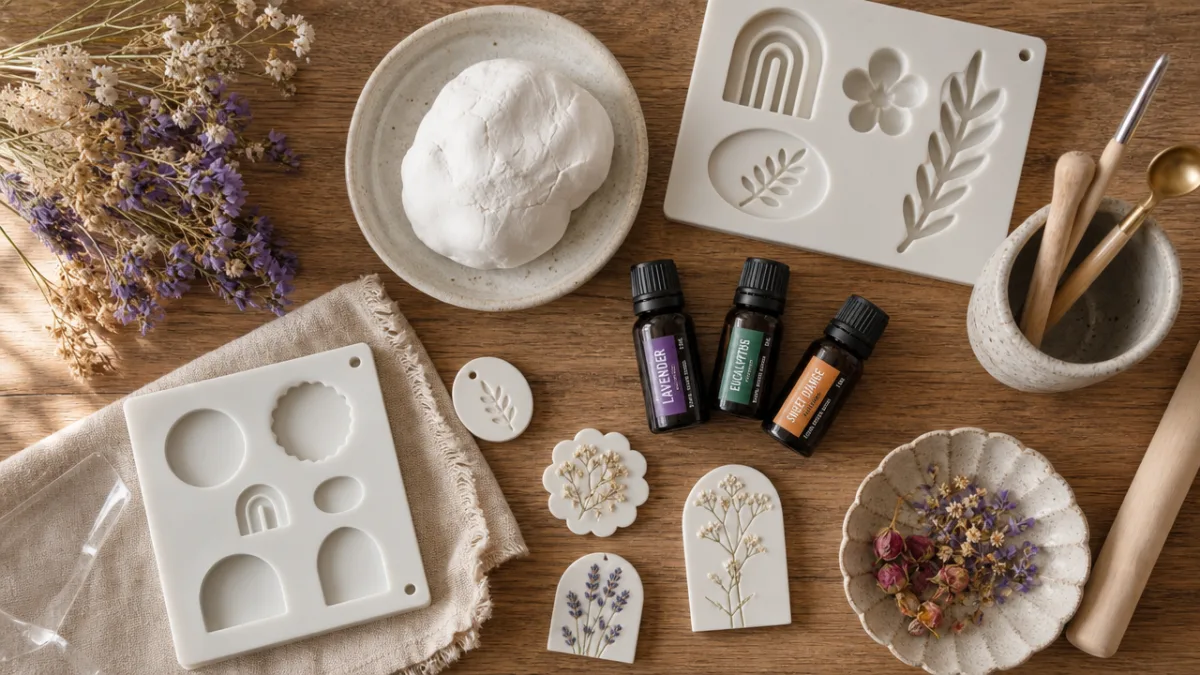
Step-by-Step Instructions for Making Baking Soda Aroma Stones
Baking soda aroma stones are a wonderful starting point for beginners because the ingredients are inexpensive, the mixing process is straightforward, and the final result is a clean, white canvas that takes color and fragrance beautifully. To make a basic batch, you will need one cup of baking soda, half a cup of cornstarch, and approximately half a cup of water. Combine the dry ingredients in a small saucepan first, then slowly stir in the water over medium-low heat, mixing continuously to prevent lumps from forming.
Continue stirring the mixture over gentle heat for roughly five to eight minutes until it thickens to the consistency of soft mashed potatoes. At this point, remove the pan from the heat and turn the dough out onto a silicone mat or parchment paper to cool for about ten minutes. Once it is cool enough to handle comfortably, you can knead it gently with your hands. If the dough feels sticky, dust your hands and the work surface with a little extra cornstarch. If it feels too stiff, dampen your hands slightly with water and knead until smooth.
Now comes the creative part. Divide your dough into portions and add your chosen colorants — a pinch of mica powder or a small amount of natural pigment worked thoroughly through each portion. Do not add essential oils at this stage, as the heat from the cooking process would diminish their potency. Press the colored dough into your silicone molds firmly, smoothing the backs flat with your fingers or a spatula, then allow the stones to air dry for 24 to 48 hours. Once fully dry, pop them out of the molds and sand any rough edges gently with fine-grit sandpaper.
Once your stones are completely dry and smoothed, it is time to add the fragrance. Place your finished stones on a clean surface and add two to four drops of essential oil directly onto each stone, allowing the oil to absorb fully before adding more. The porous surface will draw the oil in quickly, and within a few minutes your stones will begin releasing a gentle, continuous fragrance. Reapply essential oil every one to two weeks, or whenever the scent begins to fade. This refreshing process takes only seconds and keeps your stones performing beautifully for months or even years.
Creative Design Ideas – Making Your Stones Truly Beautiful
One of the most rewarding aspects of making aroma stones is that they sit at the intersection of function and art. A well-made aroma stone is not just a fragrance tool — it is a decorative object worthy of a place on your coffee table, bathroom shelf, or bedside drawer. Taking a little extra time with the design phase elevates your stones from simple craft projects into genuinely lovely home accessories that guests will notice and admire.
Embedding dried botanicals into the surface of your stones before they dry is one of the most striking design techniques available. Tiny lavender buds, rose petals, sprigs of dried rosemary, or chamomile flowers can be pressed gently into the surface of the damp clay, where they will remain fixed as the stone dries and adds incredible natural texture and visual interest. Coordinate your botanicals with your chosen fragrance — lavender buds paired with lavender essential oil, dried citrus peel with a citrus blend — for a cohesive, intentional result that appeals to both the eyes and the nose.
Color layering and marbling are other techniques worth exploring once you are comfortable with the basic process. To create a marbled effect, prepare two or three differently colored portions of dough and twist or fold them loosely together before pressing into molds, being careful not to over-mix and muddy the colors. For a gradient look, layer different shades within the mold, pressing each layer down firmly before adding the next. Metallic mica powders in gold, bronze, or silver can be dry-brushed onto the surface of finished, dried stones for a luxurious, high-end finish that looks far more expensive than it actually is.
Consider also the presentation of your finished stones, particularly if you are making them as gifts. A small cluster of matching stones arranged in a shallow ceramic dish or a linen-lined box makes an extraordinarily thoughtful and personalized present for housewarmings, birthdays, holidays, or thank-you gestures. Pair them with a small bottle of the coordinating essential oil so the recipient can refresh the stones themselves, and include a simple handwritten card explaining what the stones are and how to use them. This small extra effort transforms a simple craft project into a genuinely memorable, meaningful gift.

Essential Oil Blending – Choosing the Right Fragrance for Every Space
The essential oil you choose for your aroma stones dramatically shapes not only the scent of a room but also the mood and atmosphere it creates. Aromatherapy research consistently shows that different scents have measurable effects on our emotional and physiological states, making your choice of fragrance a genuinely meaningful decision rather than simply an aesthetic one. Understanding the basic principles of essential oil blending will help you create stones that do more than smell pleasant — they will actively support the wellbeing of everyone in the space.
For bedrooms and relaxation spaces, calming, grounding scents work best. Lavender is the classic choice, widely studied for its ability to reduce anxiety and promote restful sleep. Roman chamomile, vetiver, and cedarwood are equally effective and offer a slightly earthier, more complex character. A beautiful bedtime blend might combine four drops of lavender with two drops of cedarwood and one drop of vetiver — deep, warm, and profoundly soothing. These heavier base notes linger longer than lighter citrus or floral notes, which means your bedroom stones will continue working quietly through the night.
For kitchens, bathrooms, and workspaces where you want energy, clarity, and a sense of freshness, brighter top notes are the better choice. Lemon, grapefruit, peppermint, eucalyptus, and rosemary are all excellent options that feel invigorating and clean. A focus-enhancing blend for a home office might include three drops of rosemary, two drops of lemon, and one drop of peppermint — crisp, stimulating, and surprisingly effective at keeping the mind sharp during long work sessions. Refresh these stones more frequently than your bedroom stones, as lighter oils tend to evaporate more quickly.
For living rooms and shared spaces, you might want something universally appealing and slightly more complex — a scent that is interesting without being polarizing. Warm, spiced blends using cinnamon, clove, and orange work beautifully in autumn and winter, while fresh floral blends featuring ylang-ylang, geranium, and bergamot suit spring and summer perfectly. Do not be afraid to experiment and trust your nose — there are no strict rules in personal aromatherapy, and discovering a blend that makes your home feel distinctly and wonderfully yours is one of the true pleasures of this craft.
Caring for Your Aroma Stones and Troubleshooting Common Issues
With proper care, a well-made set of aroma stones can last for many years, continuing to absorb and diffuse fragrance reliably through dozens of refresh cycles. The most important aspect of stone maintenance is keeping them dry between oil applications, since prolonged exposure to moisture can cause certain clay-based stones to soften or crack over time. Store them in open dishes rather than sealed containers so that air can circulate freely, and avoid placing them directly in areas where they might be splashed with water, such as next to a sink or in a steamy shower.
If you find that your stones have absorbed a scent that no longer appeals to you and you want to change the fragrance, there are a few approaches worth trying. Placing the stones in direct sunlight for several hours can help accelerate the evaporation of the existing oil. Alternatively, leaving them uncovered in a well-ventilated area for a few days allows the scent to naturally dissipate. For plaster-based stones, a very gentle warm rinse followed by thorough drying in the sun or a warm oven at a low temperature can help reset the stone. Once the previous scent has largely faded, you can introduce a new essential oil without significant interference.
Common issues that new makers encounter include stones that crack during drying, surfaces that feel too rough, or stones that do not seem to absorb oil effectively. Cracking during drying is usually caused by drying too quickly — try covering your molds loosely with plastic wrap for the first twelve hours to slow the process down. Rough surfaces are easily addressed with fine-grit sandpaper after the stones are fully dry. If a stone seems reluctant to absorb oil, it may have a slightly glazed surface from handling during shaping — a very light sanding will open up the pores and restore absorbency immediately.
It is also worth noting that while aroma stones are generally very safe, a few precautions are worth keeping in mind. Some essential oils, particularly citrus oils and certain florals like ylang-ylang, can be irritating to pets, particularly cats and dogs, in high concentrations. If you have animals in the home, research pet-safe essential oils before use and always ensure that rooms with aroma stones are well-ventilated. Keep stones out of reach of small children, as they can be swallowed, and avoid using essential oils that are known skin sensitizers in spaces where vulnerable individuals spend significant time. With these simple precautions in mind, aroma stones are a wonderfully safe and natural alternative to synthetic air fresheners.

The Bigger Picture – Sustainable Living and the Joy of Slow Craft
DIY aroma stones fit beautifully into a broader philosophy of mindful, sustainable living that is gaining momentum across the world as people seek to reduce their environmental footprint and reconnect with the simple pleasures of making things by hand. Unlike aerosol air fresheners, which release volatile organic compounds and come in single-use plastic packaging, aroma stones produce zero waste beyond the essential oil bottle itself. They do not require batteries, electricity, or any ongoing consumable materials beyond the oils you already love, making them one of the most environmentally responsible home fragrance options available.
The act of making aroma stones is itself a form of mindfulness practice that many crafters find deeply restorative. Mixing, kneading, shaping, and decorating requires your full attention in a gentle, non-demanding way that quiets mental chatter and brings you fully into the present moment. In a culture saturated with screens and digital stimulation, working with your hands to create something beautiful and useful from raw materials is a profoundly grounding experience. Many people who begin making aroma stones as a simple home fragrance project find that the craft itself becomes a beloved regular ritual.
Sharing this craft with others multiplies its joy considerably. Hosting a small aroma stone making workshop with friends or family members is a wonderfully sociable activity that requires minimal preparation and produces tangible, lasting results everyone can take home. Children as young as five or six can participate with simple clay shaping and are thrilled to contribute to a finished product they can display in their own rooms. Elderly relatives who enjoy gentle creative activities often find the process engaging and manageable, and the finished stones make wonderful, personal additions to their living spaces.
As you develop your skills and confidence with this craft, you may find yourself looking at it from an entrepreneurial angle as well. Handmade aroma stones sell consistently well at farmers markets, craft fairs, and on online marketplaces, particularly when presented beautifully and paired with thoughtful branding. The material cost per stone is remarkably low, making the margins attractive for a small home-based business. More importantly, selling something you have made yourself with care and intention — something that brings daily sensory pleasure to its owner — is a deeply satisfying experience that goes well beyond the financial reward. Start small, stay creative, and let the craft evolve naturally in whatever direction inspires you most.








What do you think?
It is nice to know your opinion. Leave a comment.