










8 Home Decor Hacks to Make Your Space Cozy & Beautiful | Easy Room Makeover
Why Coziness Is the Foundation of a Beautiful Home
There is a reason why certain rooms make you want to curl up with a blanket and never leave, while others feel cold and uninviting no matter how expensive the furniture is. The difference almost always comes down to intentionality — the small, thoughtful choices that layer warmth, texture, and personality into a space over time. Understanding what makes a room feel cozy is the first step toward transforming any space, regardless of your budget or the size of your home.
Coziness is not a style reserved for rustic cabins or Scandinavian-inspired interiors. It is a quality that can exist in a modern apartment, a minimalist studio, or a maximalist Victorian townhouse. The secret lies in balancing comfort with visual interest, ensuring that every corner of a room has something inviting to offer — whether that is a soft throw draped over an armchair, a cluster of candles on a windowsill, or a bookshelf filled with well-loved volumes and small meaningful objects.
Before diving into specific hacks, it helps to adopt a new way of seeing your space. Walk through each room and ask yourself honestly: does this feel welcoming? Does it reflect who I am? Does it invite me to slow down and breathe? If the answer is no, the good news is that you do not need a complete renovation to change that. The eight hacks explored in this article are practical, accessible, and remarkably effective at turning an ordinary room into a place you genuinely love coming home to.
Hack 1 — Layer Your Lighting for Instant Warmth
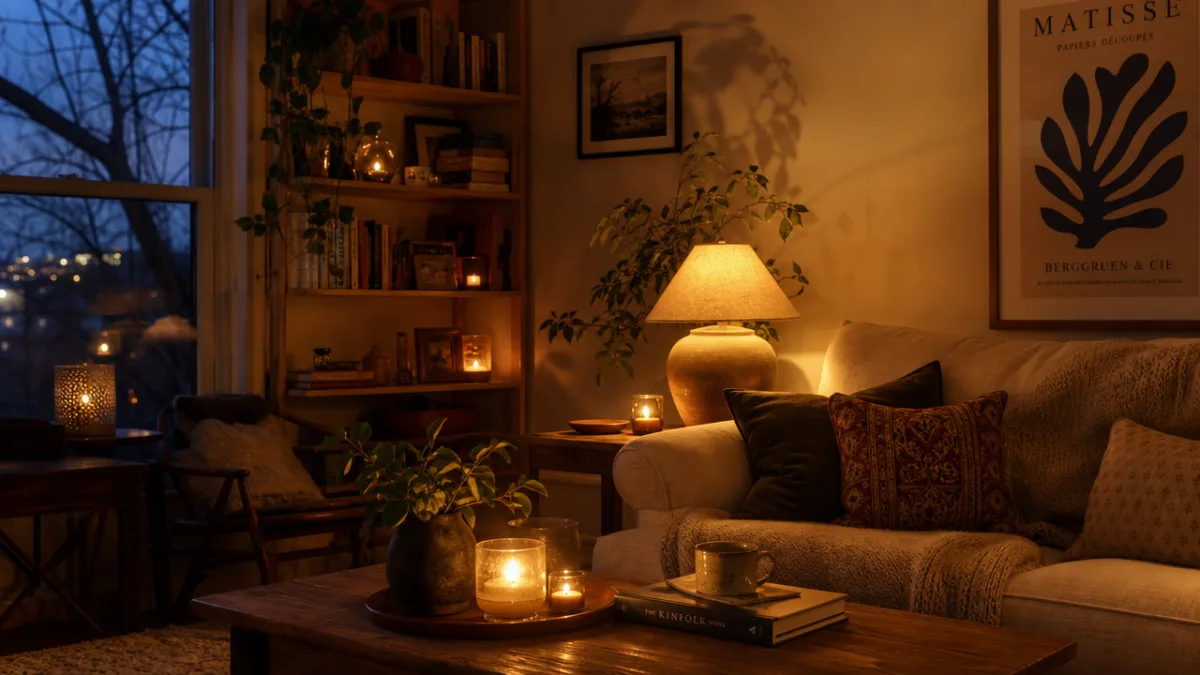
Nothing undermines a cozy atmosphere faster than a single harsh overhead light flooding an entire room with flat, unflattering brightness. Lighting is arguably the most powerful and most overlooked tool in home decorating, and learning to layer it properly can transform a space almost instantly. The goal is to create multiple light sources at varying heights, each serving a different purpose and contributing a different mood to the room as a whole.
Start by thinking in three layers: ambient lighting for general illumination, task lighting for specific functional areas like reading nooks or kitchen countertops, and accent lighting to highlight architectural features, artwork, or decorative vignettes. Floor lamps with warm-toned bulbs (look for bulbs rated between 2700K and 3000K) create pools of soft golden light that make a room feel intimate and inviting. Table lamps on side tables or dressers add another layer closer to eye level, drawing the gaze downward and making ceilings feel less imposing in taller rooms.
Do not underestimate the transformative power of candles, string lights, and plug-in sconces. These inexpensive additions can completely change the evening atmosphere of a room without any electrical work. A cluster of pillar candles on a fireplace hearth, fairy lights draped behind a headboard, or a battery-operated wall sconce beside a reading chair — these are the kinds of details that make guests pause and say, “this room just feels so good.” Dimmers are worth investing in wherever possible, giving you full control over the mood at any time of day.
Hack 2 — Master the Art of Textile Layering
Textiles are the single fastest way to inject warmth, comfort, and personality into any room, and the best part is that they require no tools, no expertise, and very little financial investment. The art of textile layering involves combining fabrics of different textures, weights, and patterns in a way that feels deliberately curated rather than chaotic. Think chunky knit throws alongside smooth linen cushions, a jute rug layered over a larger flat-woven area rug, or velvet curtains framing a window next to lightweight sheer panels.
When choosing textiles, consider a simple rule: vary the texture before you vary the color. Keeping your palette relatively controlled — perhaps two or three complementary tones — while introducing a wide range of tactile experiences (smooth, nubby, fluffy, woven, embroidered) creates a look that feels rich and layered without becoming overwhelming or visually cluttered. A neutral sofa becomes dramatically more inviting when it is dressed with a linen cushion, a velvet cushion, and a chunky wool throw, all in varying shades of the same warm family.
Rugs deserve special mention because they are foundational to a room’s sense of warmth and definition. A common mistake is choosing a rug that is too small, which makes furniture appear to float and disconnects the seating area from the rest of the room. As a general rule, all the front legs of your main seating pieces should sit on the rug. Layering a smaller, patterned rug over a larger natural-fiber rug is a budget-friendly trick that adds enormous visual depth and makes the space feel deliberately styled rather than assembled by accident.
Hack 3 — Curate Your Walls with Intention and Personality
Bare walls are one of the most common reasons a room feels unfinished, cold, or like it belongs in a temporary rental rather than a real home. Your walls represent an enormous canvas of opportunity, and filling them thoughtfully — not haphazardly — is one of the highest-impact changes you can make to any space. The key word here is “thoughtfully.” A single oversized piece of art hung correctly can anchor an entire room; a random collection of mismatched frames scattered at inconsistent heights will always feel chaotic and disconnected.
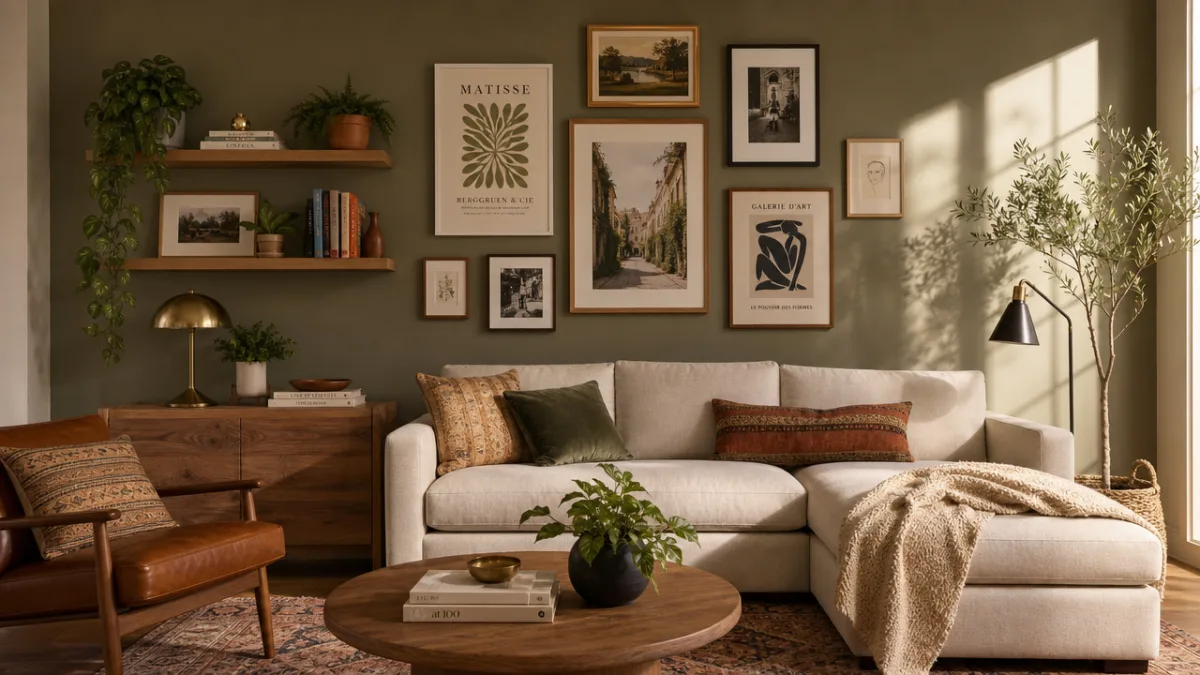
Gallery walls remain one of the most beloved home decor trends because, when executed well, they tell a story. The trick to a gallery wall that looks intentional rather than improvised is to establish a unifying element before you hang a single nail. This could be a consistent frame color (all black, all gold, all natural wood), a cohesive color palette across the artwork itself, or a consistent subject matter such as botanical prints, family photographs, or abstract works. Lay your arrangement out on the floor first, photograph it, and use that as your guide when transferring it to the wall.
Beyond traditional framing, consider the full range of wall decor available to you. Woven wall hangings add texture and warmth in a way that flat artwork cannot. Floating shelves allow you to combine art with three-dimensional objects like plants, books, and ceramics, creating dynamic vignettes that change and evolve over time. Mirrors are especially powerful tools — a well-placed mirror reflects light back into a room, making it feel larger and brighter while also serving as a statement piece in its own right. Choose a mirror with an interesting frame and position it where it will reflect something beautiful, like a window, a lamp, or a particularly well-styled corner.
Hack 4 — Bring Nature Indoors with Plants and Natural Elements
Few things make a home feel more alive, more grounded, and more beautiful than the presence of living plants. Incorporating greenery into your interiors is one of the most effective home decor hacks precisely because plants do so many things simultaneously — they add color, texture, and organic shape to a room, they improve air quality, and they introduce an element of life and growth that no inanimate object can replicate. Even the most reluctant plant parent can find success with low-maintenance varieties that thrive on minimal attention.
If you are new to indoor plants, consider starting with some of the most forgiving species available. Pothos, snake plants, ZZ plants, and peace lilies are all extraordinarily tolerant of irregular watering and low light conditions, making them ideal for people who are still learning to read a plant’s needs. Fiddle leaf figs and monsteras have become popular for good reason — their bold, architectural leaves make a significant visual statement and work beautifully in corners where a floor lamp alone would feel insufficient. For smaller spaces, a collection of succulents or small cacti on a windowsill adds texture and greenery without overwhelming the room.
Beyond live plants, natural elements in general have a remarkable ability to bring warmth and organic beauty into a home. Consider incorporating some of the following to complement your greenery:
- Wooden accents such as a raw-edge coffee table, carved bowls, or bamboo blinds that introduce grain and warmth at various heights throughout the room.
- Stone and ceramic objects including candle holders, vases, and decorative bowls that add weight and earthiness to tabletop arrangements and shelf vignettes.
- Dried botanicals like pampas grass, dried lavender, or eucalyptus branches, which last indefinitely and bring beautiful muted color and texture to any space.
- Woven baskets in natural rattan, seagrass, or water hyacinth, which serve double duty as both storage solutions and decorative elements with wonderful organic texture.
- River stones, driftwood pieces, or shells collected from meaningful places, displayed simply in a bowl or on a shelf to add a personal, collected quality to the decor.
The philosophy behind bringing nature indoors is rooted in the concept of biophilia — our innate human need for connection with the natural world. Studies consistently show that exposure to natural elements, even within an interior space, reduces stress, improves mood, and increases overall feelings of wellbeing. When you style your home with plants and natural materials, you are not just making it look better; you are actively making it feel better to live in, day after day.
Hack 5 — Declutter Strategically to Let Beauty Breathe
One of the most counterintuitive truths in home decor is that less truly is more — but only when the “less” is achieved strategically rather than arbitrarily. Decluttering is not about removing everything and living in a sparse, sterile environment. It is about creating enough visual breathing room that the things you love and the details you have carefully chosen can actually be seen and appreciated. A room crowded with too many objects of equal visual weight feels chaotic and exhausting; a room with intentional negative space feels calm, curated, and genuinely beautiful.
The most effective approach to strategic decluttering is to think in terms of vignettes — small, intentionally arranged groupings of objects that tell a story or create a focal point. Rather than spreading your decorative objects evenly across every surface, consolidate them into composed arrangements of three to five items varying in height, texture, and material. A tall vase, a medium stack of books, and a small ceramic dish create a much more satisfying composition than those same objects scattered across three different surfaces. The empty space around the vignette gives your eye a place to rest and makes the grouping itself more impactful.
Practical storage is your greatest ally in the battle against visual clutter. The goal is to make everyday necessities invisible without making them inaccessible. Consider the following organizational approaches that combine function with aesthetics:
- Use decorative baskets and boxes to corral remote controls, charging cables, and other small items that tend to accumulate on surfaces, keeping them within easy reach but visually tidy.
- Invest in furniture with built-in storage — ottomans with interior compartments, beds with under-frame drawers, and coffee tables with lower shelves or hidden compartments.
- Designate a “landing zone” near the entrance of your home — a small bench with hooks above it and a basket below — to prevent bags, coats, and miscellaneous items from migrating into living spaces.
- Adopt a “one in, one out” rule for decorative objects, ensuring that your curated collections stay manageable over time rather than gradually expanding beyond their intentional boundaries.
Hack 6 — Use Color Thoughtfully to Set the Emotional Tone
Color is the most emotionally powerful tool available to any home decorator, and yet it is also one of the most intimidating — largely because the stakes feel high once you are standing in front of a painted wall you no longer love. Understanding a few foundational principles about how color works in interior spaces demystifies the process considerably and empowers you to make confident choices that you will enjoy living with for years. The most important thing to understand is that colors behave differently on walls than they do on paint chips, and they shift dramatically depending on the light in your specific room.
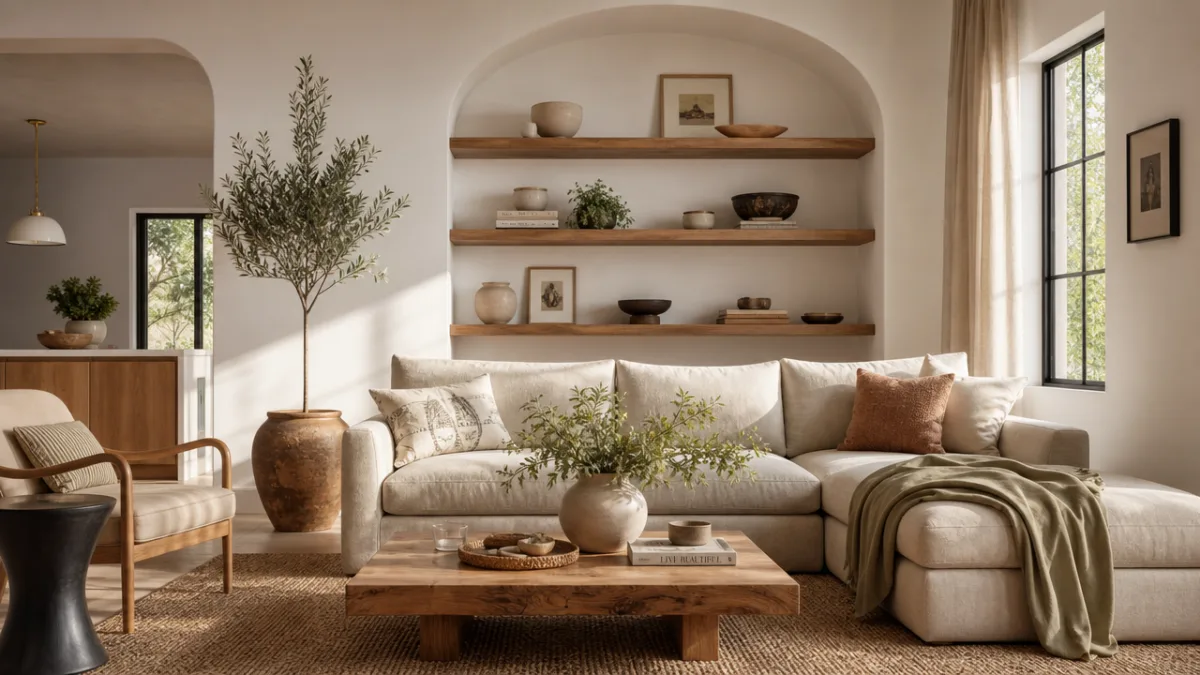
Warm tones — terracotta, rust, ochre, warm white, creamy beige, and dusty rose — are universally associated with comfort, intimacy, and welcome. They work particularly well in living rooms and bedrooms where the goal is to feel enveloped and at ease. Cool tones — soft sage, dusty blue, cool grey, and lavender — create a sense of calm and spaciousness, making them excellent choices for bathrooms, home offices, and rooms that receive abundant natural light. Neither palette is inherently superior; the right choice depends entirely on the feeling you want to cultivate and the light conditions your room experiences throughout the day.
If committing to a wall color feels too permanent, there are many ways to introduce color through more reversible means. Cushions, throws, curtains, rugs, and artwork all carry significant amounts of color and can be swapped seasonally or as your tastes evolve. A deep jewel-toned velvet sofa, a collection of terracotta pots in varying shades, or a set of warm amber glass vases catching the afternoon light can introduce as much color as a painted wall — sometimes more — while remaining entirely flexible. Start with what resonates with you emotionally before worrying about rules, and trust that the colors you are naturally drawn to are usually the ones that will make you happiest to live with every day.
Hack 7 — Style Your Shelves Like a Visual Artist
Shelving is one of the most underutilized opportunities in home decor. Most people treat shelves as pure storage — a place to put books and objects until space runs out — without recognizing that a well-styled shelf is one of the most striking design features a room can have. The difference between a shelf that looks cluttered and one that looks curated almost always comes down to a few simple principles: varying height, balancing visual weight, incorporating negative space, and mixing categories of objects so the arrangement tells a layered, interesting story.
Begin by thinking of your shelf as a series of zones rather than one long horizontal surface to fill. Anchor each zone with a taller element — a stack of hardcover books stood upright, a tall vase, or a framed print leaned against the back — and then build around it with medium and smaller objects. Books can be styled both vertically and horizontally; a horizontal stack of three or four books creates a pedestal for displaying a small object on top, adding another layer of height variation to the composition. Leave at least one deliberately empty section in each zone to prevent the arrangement from feeling overcrowded.
The most compelling shelves combine objects from multiple categories: books, plants, art, ceramics, personal mementos, and natural elements. This mix prevents the shelf from feeling like a store display or a library catalog and instead gives it the warm, collected quality of a space that has been lived in and loved. When you do not know where to start, try the “odd number rule” — groups of three or five objects almost always look more dynamic and natural than groups of two or four. Step back frequently as you work to assess the overall balance, and do not be afraid to edit ruthlessly; removing one object often makes the remaining arrangement significantly stronger.
Hack 8 — Create a Signature Scent for Your Home
Of all the sensory elements that contribute to a home’s atmosphere, scent is perhaps the most powerful and most frequently overlooked. A beautiful room that smells stale, musty, or of nothing at all will always feel slightly incomplete. Conversely, a room that carries a consistent, pleasant, and distinctive fragrance registers as deeply inviting and well-cared-for at a subconscious level before the eye has even registered what the room looks like. Developing a signature scent for your home is one of the subtlest but most impactful decorating hacks you can implement.
There are many approaches to home fragrance, each with its own character and application. Soy candles in warm, grounding scents like sandalwood, cedarwood, vanilla, and amber are popular for good reason — they fill a room with gentle fragrance while also contributing to the visual ambiance with their soft flickering light. Reed diffusers offer a consistent, set-and-forget option that maintains a steady background fragrance without requiring active attention. For a more natural approach, simmering a pot of water on the stove with cinnamon sticks, orange peel, cloves, and vanilla extract creates an extraordinarily warm and welcoming scent that fills an entire home within minutes.
The key to a successful home fragrance strategy is consistency and restraint. Choose one or two complementary scents for each area of your home rather than mixing too many competing fragrances, which can quickly become overwhelming. A citrus or herbal scent works beautifully in kitchens and bathrooms, while warmer, woodier notes feel more appropriate in living rooms and bedrooms. Over time, your chosen scents will become associated in the minds of everyone who visits with the feeling of being in your home — which is precisely why fragrance is such a powerful and personal dimension of home decor. It is the invisible layer that ties everything else together and makes a house feel unmistakably, memorably like a home.








What do you think?
It is nice to know your opinion. Leave a comment.