










48 DIY Home Decoration Ideas With Seashells: Transform Your Space With Coastal Charm
The Timeless Appeal of Seashell Décor
There is something deeply soothing about bringing the ocean indoors. Seashells carry with them the memory of salt air, gentle waves, and sun-warmed sand, and when thoughtfully incorporated into your home décor, they can evoke that same sense of calm and wonder year-round. Whether you collected your shells during a family vacation or purchased them from a craft store, these natural treasures offer an incredible range of decorating possibilities that suit every style, from breezy coastal cottages to modern minimalist interiors.
The beauty of seashell decoration lies in its accessibility and affordability. Unlike many other decorating trends that require significant investment, working with shells is a craft that welcomes beginners and experienced DIY enthusiasts alike. You do not need specialized tools or expensive supplies to create stunning pieces. A handful of shells, some basic adhesive, and a little imagination are often all it takes to produce décor that looks professionally curated and thoughtfully designed.
Beyond aesthetics, there is also a meaningful, personal dimension to seashell décor. Each shell tells a story — the beach where it was found, the person who picked it up, the tide that delivered it to shore. Incorporating these natural objects into your home transforms your living space into a gallery of memories and experiences. This emotional resonance is something that no mass-produced decoration can replicate, which is precisely why handmade seashell projects continue to captivate homemakers and interior design enthusiasts around the world.
Gathering, Cleaning, and Preparing Your Shells
Before diving into any decorating project, it is essential to properly prepare your seashells. Shells gathered from the beach often carry sand, salt, organic residue, and occasionally small organisms that can cause unpleasant odors if not thoroughly cleaned. The preparation process is straightforward but should not be skipped, as clean shells are far more attractive and will last much longer as decorative items in your home without deteriorating or smelling musty over time.
To clean your shells effectively, start by soaking them in a mixture of warm water and bleach, typically using one part bleach to three parts water. Allow the shells to soak for about an hour, then scrub them gently with an old toothbrush to remove any stubborn debris from grooves and ridges. Rinse them thoroughly under clean water and allow them to dry completely in a sunny spot outdoors. Once dry, you can enhance their natural luster by rubbing them lightly with mineral oil or baby oil, which brings out rich colors and adds a beautiful, polished sheen.
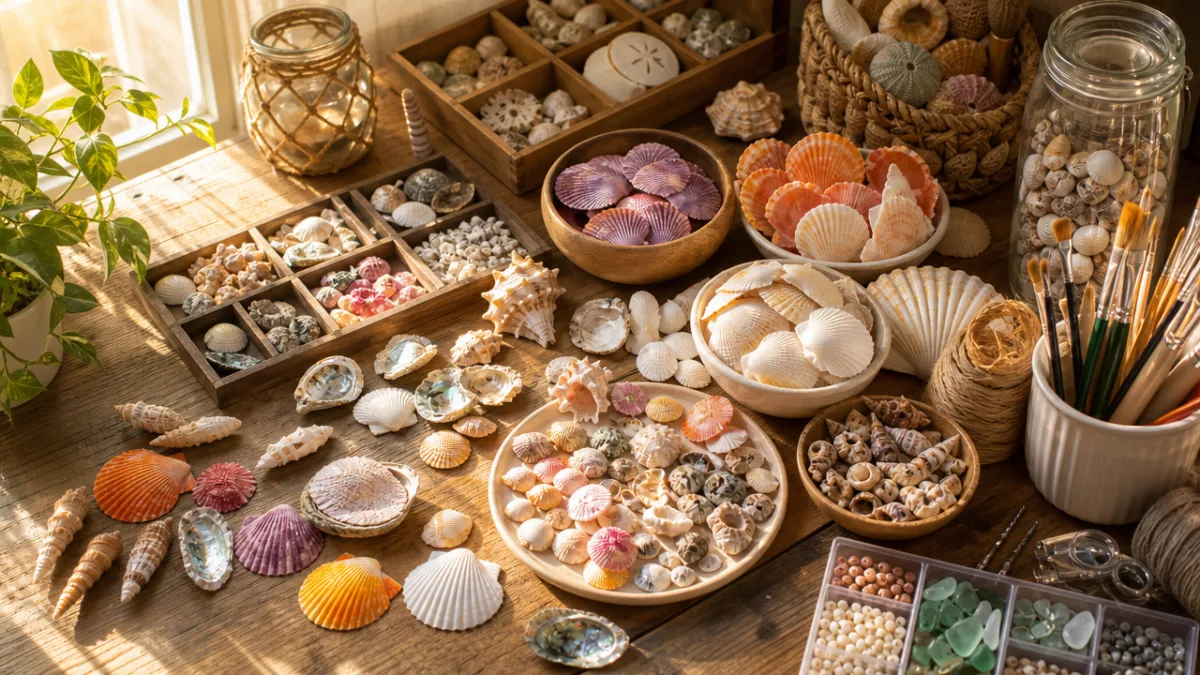
Organization is equally important before beginning your projects. Sort your shells by size, shape, color, and type. Grouping similar shells together makes it much easier to visualize and plan your designs. Tiny shells work beautifully for intricate mosaic work and jewelry, medium shells are ideal for wreaths and mirror frames, and large, dramatic shells make striking standalone display pieces. Having a well-organized collection means less frustration during the creative process and better results in the finished product.
Wall Art and Mirror Frame Projects
One of the most popular and visually impactful ways to use seashells in home decoration is by creating or embellishing wall art. A plain wooden frame purchased from any craft or thrift store can be completely transformed by gluing an assortment of shells across its surface. The key to making this project look polished rather than amateur is to vary the sizes and types of shells while maintaining a consistent color palette. Neutral creams, tans, and whites create a refined coastal look, while mixing in shells with pink and purple tones adds a more vibrant, tropical energy.
Mirror frames adorned with seashells are particularly sought-after pieces because they combine function with artistry. A large, shell-encrusted mirror placed in an entryway or bathroom immediately becomes a focal point that draws the eye and sparks conversation. To create one, choose a round or rectangular mirror and work outward from the edges using a strong waterproof adhesive such as E6000. Layer different shell varieties — conch fragments, auger shells, sand dollars, and scallops — for texture and depth. Filling gaps with smaller shells, pebbles, or glass beads prevents the finished frame from looking sparse.
Beyond frames, you can create entirely freestanding shell wall art by arranging shells into patterns on canvas, driftwood panels, or even directly onto a painted wooden board. Shadow boxes offer another wonderful format, allowing you to build three-dimensional compositions behind glass for a museum-quality presentation. Consider arranging shells to suggest a nautical theme — a ship’s wheel, an anchor, or a compass rose — or keep things abstract and let the natural beauty of the shells themselves be the composition’s driving force.
Candle Holders, Lanterns, and Lighting Accents
Seashells and candlelight are a natural pairing, both evoking a sense of gentle, flickering warmth that encourages relaxation and intimacy. Creating seashell candle holders is one of the most beginner-friendly DIY projects in this genre and produces results that are genuinely impressive. Large clamshells and abalone shells serve beautifully as natural candle dishes — simply pour melted wax directly into a cleaned and dried shell to create a stunning organic candle that burns with a soft, golden glow and fills the room with subtle fragrance if scented wax is used.
For a more elaborate project, consider wrapping glass hurricane lanterns or mason jars with an outer layer of shells. Working with a glue gun or strong craft adhesive, attach shells in an overlapping pattern around the exterior of the glass, leaving the top open for a candle or tea light inside. When lit, the light filters through the gaps between shells, casting beautiful, intricate patterns across nearby walls and ceilings. These lanterns make exceptional centerpieces for dining tables and create an enchanting atmosphere during evening gatherings or quiet nights at home.
Shell-adorned fairy light installations are another creative option that has gained enormous popularity in recent years. Drill small holes through larger shells using a rotary tool, thread string lights through the holes at intervals, and drape the completed strand across a mantel, headboard, or window frame. The warm glow emanating from within each shell creates a soft, magical effect that feels simultaneously rustic and elegant. This type of installation works wonderfully in bedrooms, reading nooks, and outdoor patios where a relaxed, dreamy ambiance is desired.

Wreaths, Centerpieces, and Table Decorations
A seashell wreath is a stunning alternative to the more commonly seen floral or seasonal wreaths and can be displayed year-round without looking out of place. To make one, start with a foam or grapevine wreath base purchased from a craft store. Using a hot glue gun, begin layering shells from the outside edge inward, overlapping each piece slightly to create a lush, full appearance. Mixing different shell types adds visual interest, and adding accents such as starfish, dried coral, pieces of sea glass, or even small pieces of driftwood elevates the finished wreath to something truly spectacular.
For table centerpieces, the options are wonderfully varied. A simple and elegant approach involves filling a large glass bowl or apothecary jar with an assortment of shells and placing it at the center of your dining or coffee table. You can layer sand at the bottom and arrange shells on top for a miniature beach scene effect. For more formal occasions, create individual place settings by using a large scallop or clam shell as a name card holder or a small dish for condiments and salts. These thoughtful touches delight guests and demonstrate genuine attention to detail.
Seashell-decorated table runners and charger plates are additional DIY ideas that bring coastal character to your dining experience. Glue shells along the edges of a burlap or linen runner for a bohemian, beachy look, or paint plain ceramic charger plates and press small shells into wet paint for a one-of-a-kind table setting. Below are some popular centerpiece styles to inspire your next project.
- Beach Terrarium: Layer sand, small pebbles, and assorted shells inside a glass terrarium or cloche for a sculptural centerpiece that requires no maintenance and always looks beautiful.
- Driftwood and Shell Arrangement: Combine pieces of weathered driftwood with starfish and conch shells in a wide, low bowl for a naturally organic display that brings genuine coastal texture indoors.
- Shell-Filled Lanterns: Place shells inside oversized glass lanterns alongside pillar candles and dried sea lavender for a layered, sophisticated centerpiece suitable for dining rooms and living areas.
- Apothecary Jar Vignette: Group three varying-height glass jars filled with different shell varieties on a tray with a piece of coral and a few pillar candles for a classic coastal vignette.
Functional Décor: Shelves, Hooks, and Storage Solutions
Seashell decoration does not have to be purely ornamental. Some of the most creative and satisfying DIY projects involve integrating shells into functional household items, turning everyday objects into pieces of art that serve a genuine purpose. Coat hooks mounted near an entryway, for example, can be transformed entirely by embedding shells into a wooden mounting board and using large conch shells or nautilus shells as the hook bases themselves. The result is a conversation piece that greets visitors at the door while fulfilling a practical household need.
Decorative shelves and shadow box frames offer another avenue for functional shell décor. A set of floating wall shelves with shell-embellished brackets brings coastal personality to any room without sacrificing the ability to display books, plants, or other decorative objects. You might also consider lining the interior back panel of a shadow box shelf with painted wood and arranging a curated collection of special shells inside — perhaps those gathered from meaningful trips or given as gifts — creating a deeply personal display that doubles as a keepsake box.
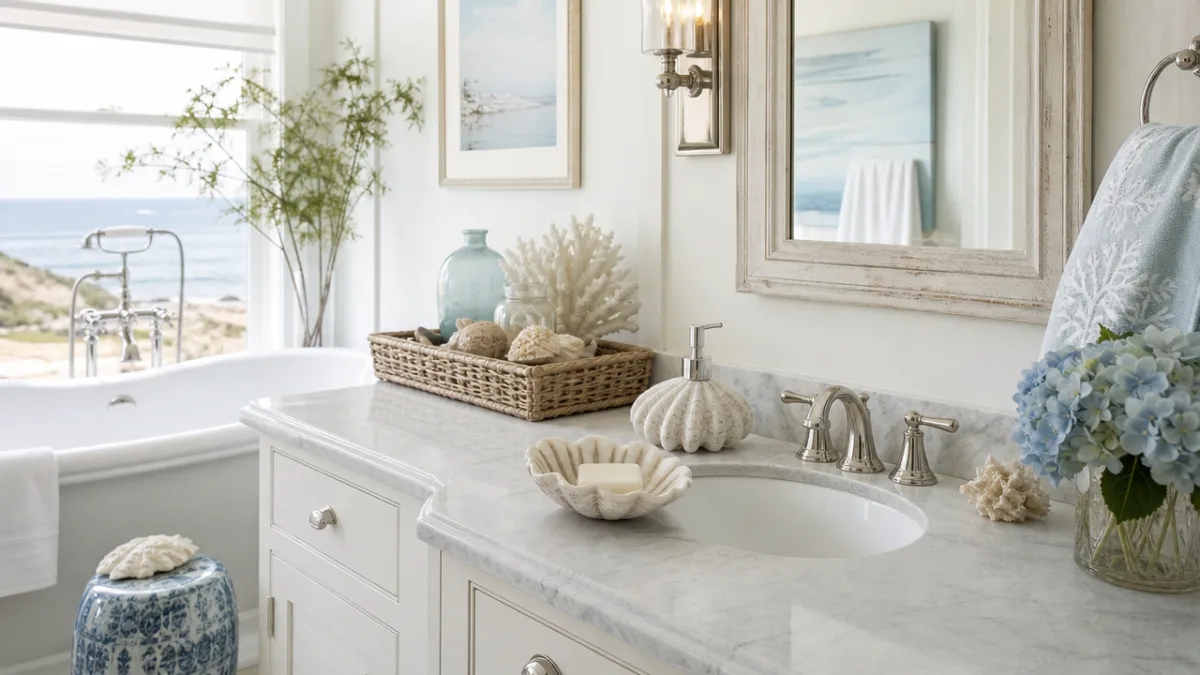
Even bathroom accessories benefit enormously from a seashell makeover. Soap dishes made from large abalone or clam shells are both beautiful and functional, and their natural curved shapes are perfectly suited to holding bars of soap. Toothbrush holders, tissue box covers, and small storage trays can all be wrapped or embellished with shells using waterproof adhesive to create a cohesive, spa-like bathroom aesthetic. The key in wet environments is to use fully waterproof materials throughout to ensure your creations remain beautiful and structurally sound for years to come.
Jewelry, Mobiles, and Outdoor Garden Décor
The versatility of seashells extends well beyond interior home decoration into wearable art and garden design. Shell jewelry — necklaces, earrings, bracelets, and hair accessories — has been crafted by coastal cultures for thousands of years and remains deeply fashionable today. Using a rotary tool to drill small holes through shells, you can string them onto wire, leather cord, or fishing line to create lightweight, beautiful pieces. Combining shells with beads, sea glass, and small pieces of driftwood results in jewelry that feels artisanal and deeply connected to the natural world.
Wind chimes and hanging mobiles made from shells are ideal outdoor projects that add both visual and auditory beauty to a porch, garden, or sunroom. To create a basic shell wind chime, attach shells of varying sizes to lengths of fishing line or twine at different intervals and secure the strings to a piece of driftwood used as a crossbar. As the breeze moves through the shells, they collide gently and produce a soft, clicking sound that many people find deeply soothing. Drilling holes and adding small brass rings or jump rings to the shells before stringing them makes the assembly process far easier and produces a more professional result.
In the garden, seashells find a multitude of applications that blend seamlessly into natural outdoor environments. Lining garden bed borders with large shells creates a charming coastal aesthetic while also helping to deter certain insects and slugs. Crushed shells can be used as mulch around acid-loving plants, releasing calcium into the soil as they slowly break down. Large, distinctive shells placed among plants serve as sculptural focal points, and painted shells hidden among foliage create a delightful surprise for observant visitors. Whether your garden is a formal English-style space or a wild, naturalistic haven, seashells can find a beautiful and purposeful place within it.
Tips for Styling and Displaying Your Seashell Creations
Creating beautiful seashell décor is only half the journey — knowing how to style and display your finished pieces is equally important for achieving a cohesive, well-curated look throughout your home. The most common mistake people make with shell décor is over-cluttering their spaces, placing too many pieces in too many locations until the overall effect becomes chaotic rather than calm. The best coastal-inspired interiors exercise restraint, allowing each piece of shell décor room to breathe and be appreciated individually while still contributing to an overall nautical or beachy narrative.
Color coordination plays a significant role in ensuring your shell décor looks intentional rather than scattered. Building your palette around the natural colors of the shells themselves — creamy whites, warm taupes, soft grays, sandy beiges, and the occasional blush or dusty mauve — and then echoing those tones in your textiles, wall colors, and other decorative objects creates a harmonious, layered look. Driftwood, linen, rattan, and whitewashed wood are materials that complement seashells beautifully and help reinforce the coastal aesthetic without feeling overly thematic or kitschy.
Finally, do not underestimate the power of grouping and vignette styling when displaying your seashell pieces. Rather than spreading single items across multiple shelves and surfaces, cluster several complementary pieces together on a tray, a stack of books, or a decorative plate. Vary the heights within the grouping using candlesticks, small pedestals, or stacked books to create visual interest and dimension. Below is a quick reference guide to styling your shell collections effectively.
- Edit ruthlessly: Choose your very best, most visually striking pieces for display and store the rest. Fewer, better pieces always make a stronger impact than an overwhelming quantity of items competing for attention in the same space.
- Create height variation: Group shells and shell-adorned objects at different heights to guide the eye upward and create a sense of movement and energy within your arrangement.
- Mix textures deliberately: Pair the smooth surfaces of polished shells with rough driftwood, nubby linen, or the cool transparency of glass to create tactile contrast that makes each element more visually interesting.
- Use odd numbers: Decorating principles consistently support groupings of three or five objects rather than pairs or even numbers, as odd groupings feel more natural and dynamic to the human eye.
- Anchor with a hero piece: Every vignette benefits from one dominant focal point — a large conch shell, an oversized shell mirror, or a dramatic shadow box — with smaller complementary items arranged around it in support.
With these principles in mind, your seashell DIY creations will not only reflect your personal connection to the ocean but will also elevate the overall design quality of your living spaces. The beauty of coastal décor made from natural shells is that it ages gracefully, grows richer with each new piece you add, and carries with it the irreplaceable warmth of something made with care and intentionality. Whether you start with a single shell-framed mirror or commit to a full room transformation, the journey of creating with seashells is as rewarding as the stunning results it produces.








What do you think?
It is nice to know your opinion. Leave a comment.