










29 Easy DIY Home Decor Projects for Beginners: Transform Your Space Without Breaking the Bank
Why DIY Home Decor Is Perfect for Beginners
Honestly, there’s never been a better time to get into DIY home decor — especially if you’re just starting out. Craft stores, dollar shops, and thrift markets have made materials more affordable and accessible than ever, so there’s really no barrier to entry anymore. Whether you’re renting a tiny apartment or settling into your first home, adding handmade touches creates a vibe that you simply can’t buy off a shelf. There’s something genuinely special about hanging something on your wall and knowing you made it yourself.
A lot of beginners picture DIY and immediately think of elaborate woodworking setups or tools they don’t own — but the reality is so much more approachable than that. Most beginner-friendly projects need nothing more than scissors, glue, some paint, and a little patience. And honestly? When your first attempt isn’t perfect, that’s not a flaw — it’s part of the charm. Handmade decor has a warmth and personality to it that mass-produced pieces just don’t have, and that slight imperfection is usually what people notice and love most.
The best advice for getting started is to keep it simple. Pick one accent piece for one room, get comfortable with the process, and let your confidence grow from there. Before long you’ll be layering handmade touches all over your home without even thinking twice about it. The 29 projects gathered here cover a wide range of styles, techniques, and skill levels, so no matter where you’re starting from, there’s something in this list that’s the right fit for you.
Wall Decor Projects That Make a Big Impact
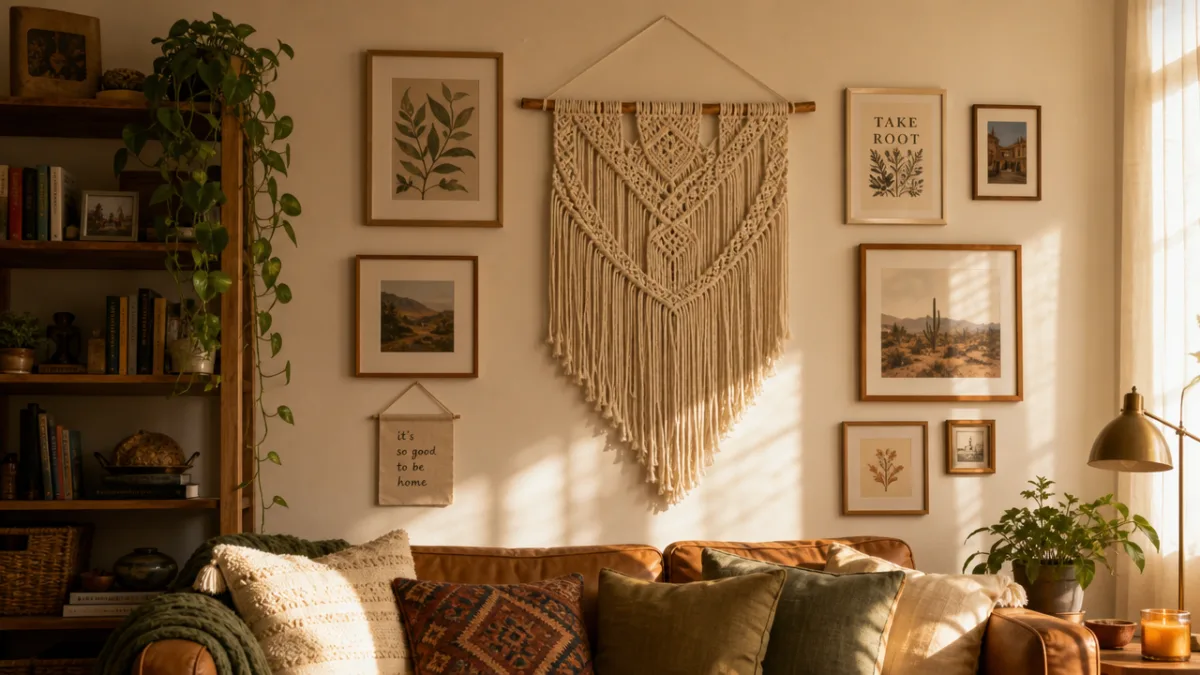
Walls are one of the most underused opportunities in home decorating, and they’re also one of the easiest places to make a dramatic change. A gallery wall is a great starting point — you don’t need to spend a lot on matching frames. Grab mismatched vintage frames from thrift stores, give them all a coat of the same color paint, and suddenly they look like a deliberate, curated collection. One tip that saves a lot of headaches: lay the whole arrangement out on the floor first to figure out your spacing before you pick up a single nail.
Macrame wall hangings are having a real moment right now, and for good reason — they look impressive but they’re surprisingly beginner-friendly. All you need is a few meters of cotton rope and a wooden dowel, and you can have a beautiful bohemian wall piece done in an afternoon. There are tons of free tutorials online that walk you through the basic knots like the square knot and spiral knot, and once those click, the design possibilities really open up. Best of all, macrame doesn’t require any holes in your walls, which is a huge bonus if you’re renting.
If you want something even simpler, try painting your own canvas. Blank canvases are cheap and easy to find, and abstract art genuinely requires zero artistic background. Pick two or three colors that work with the rest of your room, grab a wide brush or a palette knife, and just go for it — let the colors mix and blend naturally. Every canvas turns out differently, which means what you end up with is a completely one-of-a-kind piece of art made by you. They always look way more intentional and polished than people expect.
Upcycling and Repurposing Projects for Sustainable Style
Upcycling might be the most satisfying corner of the whole DIY world, because you’re creating something beautiful while keeping things out of the trash. Old furniture, glass jars, wooden pallets, worn-out clothes — with a coat of paint, some new hardware, or a bit of creative thinking, any of these can become a home accent you’re genuinely proud of. It really starts with a mindset shift: before you throw something away, just pause and ask yourself what it could become.
Glass jars are honestly one of the most versatile materials you’ll ever work with as a beginner. Old pasta sauce jars, mason jars, used candle containers — all of them can become vases, candle holders, desk organizers, or herb planters with very little effort. Wrap them in twine for a rustic farmhouse feel, paint them with chalk paint for a matte vintage look, or try glass etching cream for something more elegant and translucent. Arrange a few together at different heights on a shelf or windowsill and they look like something out of a lifestyle magazine.
Wooden pallets are another treasure that’s often completely free — many businesses will happily give them away. Sand one down, stain it, and mount it on a wall and you’ve got a rustic floating shelf, a bedroom headboard, or an outdoor vertical garden with built-in planter boxes. The natural imperfections in pallet wood are part of what makes the finished piece look so good — it has a character and authenticity that polished store-bought shelving just can’t compete with. One important note: always check that your pallets are stamped HT (heat-treated) rather than MB, which means they were chemically treated and aren’t safe to use indoors.
Easy Textile and Soft Furnishing Updates
If you want to refresh a room fast, textiles are your best friend — and the good news is that a lot of textile DIY projects don’t require any sewing at all. No-sew curtain panels are a perfect example. With fabric glue and iron-on hem tape, you can turn basically any fabric you love into curtains, instead of being limited to whatever the store has in stock. Fabric outlets and even repurposed bed sheets are great places to find interesting patterns at low prices, and you can completely transform the mood of a room for a fraction of what ready-made curtains would cost.
Throw pillow covers are another no-sew win. Using a simple envelope-style design, you can turn any piece of fabric into a stylish pillow cover with just scissors, fabric glue, and an existing pillow insert. It’s a great way to switch things up seasonally without buying new pillows every time. Keep an eye out for velvet remnants, linen scraps, vintage scarves, or even tea towels — any of these can become a genuinely one-of-a-kind accent piece that people will ask you about.
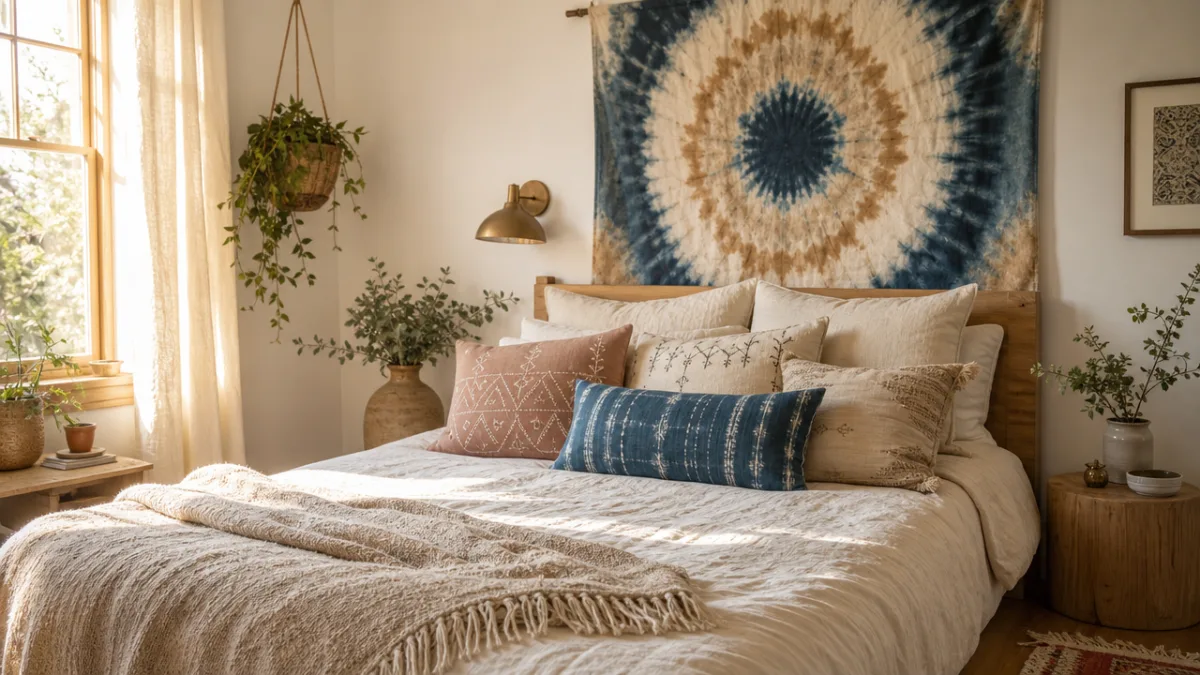
Tie-dye and block printing have made a real comeback in home decor lately, and they’re both very beginner-accessible ways to create custom textile art. Use them to liven up plain white tea towels, make tote bags you can hang as wall art, or create a table runner that adds a handmade focal point to your dining space. Block printing with carved rubber erasers or even potato stamps gives you repeating geometric patterns that look surprisingly professional, while fiber reactive dyes produce bold, lasting color on natural fabrics. These are also great projects to do with kids on a weekend — you end up with something functional and beautiful that the whole family had a hand in making.
Plant-Based and Natural Decor Projects
Bringing nature indoors is one of the most effective things you can do to make a space feel alive and inviting, and DIY plant-based decor is incredibly satisfying to put together. Terrariums are a brilliant starting point — all you need is a glass container, some pebbles for drainage, activated charcoal, potting soil, and a few small plants like succulents, air plants, or ferns. Layer everything in carefully, tuck in your plants, and finish with a little decorative moss or some small stones. The whole thing takes under an hour and the result looks like something you’d find in a boutique home store.
Pressed flower art is another project that feels much more impressive than the effort involved. Pick your flowers, press them flat between the pages of heavy books, wait a few weeks, and then arrange them under glass in simple frames. The result is beautiful botanical prints with a timeless, elegant quality to them. You can use flowers from your own garden or forage them responsibly from local parks and hedgerows. Group a few pressed flower frames together for a botanical gallery wall effect, or scatter individual ones across shelves, a mantlepiece, or bedside tables throughout your home.
And then there’s the simplest approach of all: dried pampas grass, eucalyptus bundles, and seasonal branches. These have become a staple of contemporary home styling, and the craft skill required is essentially zero. Gather a loose bouquet of stems, tie them with twine, and pop them in a simple vase or a wide-mouthed bottle. Hang dried herb bundles from kitchen hooks for something rustic and fragrant, or put together a seasonal wreath using foraged materials and a wire frame. Natural elements like these bring a warmth and texture to a room that synthetic decorations genuinely can’t replicate.
Lighting Projects That Transform the Atmosphere
Lighting has a bigger impact on how a room feels than almost anything else, and there are some really simple DIY projects that can completely change the atmosphere of a space. Fairy lights are the obvious starting point — they’re cheap, easy to work with, and endlessly versatile. Drape warm white strings in a curtain pattern across a bedroom wall, tuck them into large glass jars to make improvised lanterns, or hang them inside a sheer canopy above a bed for something that feels genuinely dreamy. It’s one of those projects where the effort-to-impact ratio is almost unfairly good.
Paper lanterns and origami-style pendant shades take a little more hands-on work, but they’re still very accessible for beginners. Using thick crafting paper or card stock, you can fold, cut, and glue geometric lantern shapes that throw gorgeous patterned shadows across your walls and ceiling when they’re lit. Just make sure you use LED tea light candles or low-heat LED bulb fittings with any paper shade — safety first. The look of a cluster of handmade paper pendants hanging at different heights above a dining table or reading nook is genuinely stunning, and completely customizable to match any style.
Candle making is one of those projects that feels like a treat even while you’re doing it. Soy wax, fragrance oils, cotton wicks, and a collection of reused containers are all you need to get started, and the process of melting, scenting, and pouring is surprisingly meditative. Try layered colors, press dried botanicals into the surface of the wax, or use unusual vessels like vintage teacups or concrete pots for something really distinctive. Handmade candles also make incredible gifts, so your new hobby does double duty — beautifying your own space and solving your gifting needs at the same time.
Essential Tools and Supplies for Your DIY Toolkit
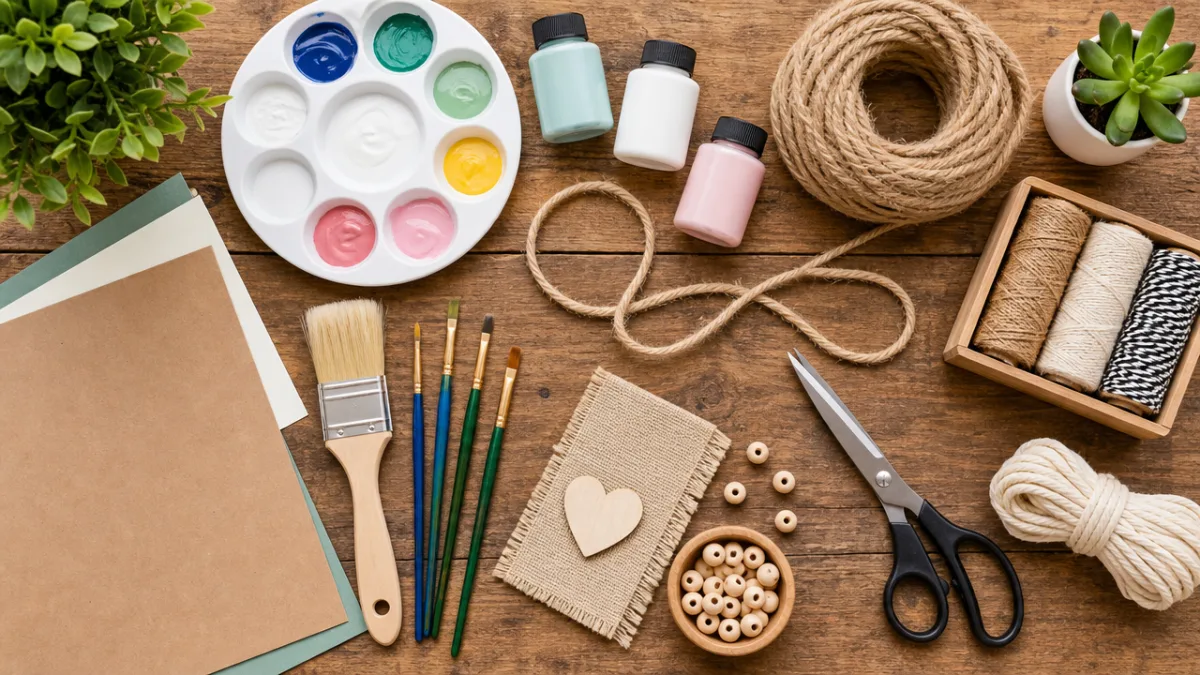
Having a small collection of reliable basics on hand will make every project smoother and more enjoyable. You really don’t need to spend a lot to get started — these essentials will carry you through dozens of different projects.
- A hot glue gun with extra glue sticks for quick and strong adhesion across a wide variety of materials
- A set of basic acrylic paints in primary colors plus black and white for mixing any shade you need
- Sharp crafting scissors and a box cutter or craft knife with extra blades for clean, precise cuts
- A self-healing cutting mat to protect your work surfaces and ensure accurate measurements
- Painter’s tape for clean paint edges and to protect surfaces during projects
- A collection of different brush sizes from wide flat brushes to fine detail brushes
- Sandpaper in various grits from rough to fine for preparing and finishing wood surfaces
- A basic power drill if your budget allows, as it opens up a huge range of woodworking and installation projects
Where to Find Affordable Materials and Inspiration
Knowing where to source materials cheaply is genuinely half the battle when it comes to keeping DIY as a sustainable hobby rather than an expensive one. Dollar stores and discount craft retailers are gold mines for basics like frames, jars, canvases, rope, and paint. Thrift stores turn up unique vintage pieces just waiting to be painted and reimagined. And for things like wax, rope, and fabric, buying in bulk through online marketplaces is almost always significantly cheaper than retail craft stores — especially for projects you plan to do more than once.
As for inspiration, it really is everywhere once you start looking for it. Beyond Pinterest, platforms like Instagram, YouTube, and dedicated crafting blogs offer an almost overwhelming number of free tutorials for every skill level and aesthetic. Joining a local crafting group or an online DIY community is also well worth it — you’ll find people who share tips, troubleshoot problems together, and genuinely cheer each other on when a project comes together. That sense of community is one of the things that keeps people hooked on this hobby, because it’s a good reminder that everyone starts as a beginner, and every imperfect project is just practice for the next one.








What do you think?
It is nice to know your opinion. Leave a comment.