










20 Natural Home Remedies for Abscess Tooth
Understanding a Tooth Abscess: What You Need to Know
A tooth abscess is exactly as unpleasant as it sounds — a painful bacterial infection that creates a pocket of pus inside or around a tooth. The infection can start deep within the tooth’s pulp chamber, or it can develop in the gum tissue nearby. Usually, it gets there because of untreated decay, a cracked tooth, or gum disease that’s progressed far enough to let bacteria work their way into the tooth’s inner structures. Your immune system kicks in trying to fight back, and the result is that uncomfortable buildup of pus.
The symptoms are hard to miss. Most people deal with a severe, throbbing toothache that has a way of radiating into the jaw, ear, or neck. You might also notice sensitivity to hot and cold, pain when chewing, puffiness in your face or cheek, and swollen lymph nodes under your jaw. Some people run a fever too. If the abscess ruptures on its own, you may get a rush of foul-tasting fluid in your mouth — and while that might bring some temporary pain relief, don’t be fooled. The infection is still very much there.
Here’s the most important thing to understand before diving into any of these remedies: a tooth abscess is a real medical condition, and it needs real dental treatment. None of the approaches below will cure the infection. What they can do is take the edge off the pain and discomfort while you’re waiting for your appointment, or give you a little extra support alongside whatever your dentist has prescribed. Think of them as helpers, not healers.
Saltwater and Herbal Rinses for Immediate Relief
If there’s one home remedy that’s stood the test of time for oral infections, it’s a simple saltwater rinse. Salt naturally fights bacteria and calms irritated tissue, which makes it a great first line of comfort. Just dissolve half a teaspoon of table salt in eight ounces of warm water, swish it gently around the affected area for about thirty seconds, and spit it out. Doing this two or three times a day — especially after eating — can make a noticeable difference.
Baking soda is another surprisingly useful pantry staple here. Mixing it with a little water to form a paste and dabbing it on the affected area can help neutralize the acids that bacteria produce and calm inflamed gum tissue. You can also stir some baking soda into your saltwater rinse to double up the benefits. Rinsing once or twice a day this way helps create a healthier environment in your mouth while you’re waiting on that dental appointment.
Herbal teas are another gentle option worth trying, particularly chamomile, peppermint, or green tea. Chamomile contains anti-inflammatory compounds — apigenin and alpha-bisabolol — that can help with swelling and pain. Brew a strong cup, let it cool down to a comfortable temperature, and use it as a mouth rinse. Green tea is especially worth mentioning because it’s packed with antioxidants and natural antibacterial compounds called polyphenols, making it a solid choice for supporting gum health while your body works to fight the infection.
Essential Oils and Their Powerful Antimicrobial Properties
Clove oil has been a go-to dental remedy for centuries, and once you’ve tried it, it’s easy to see why. Its active compound, eugenol, acts as both a natural painkiller and an antiseptic — it numbs the area and kills bacteria at the same time. To use it safely, dilute one or two drops in a carrier oil like coconut or olive oil, then apply it to the affected tooth and gum with a cotton ball. Alternatively, you can gently chew a whole clove near the sore spot. The numbing effect usually kicks in within a few minutes, and while it won’t last forever, it can give you a real break from the pain.
Oregano oil is another essential oil that punches well above its weight when it comes to fighting bacteria. It contains carvacrol and thymol, both of which have shown strong antibacterial activity in research. That said, oregano oil is very concentrated and can irritate your mouth’s delicate tissues if you use it straight, so always mix it into a carrier oil first. A few drops in coconut oil, applied with a clean finger or cotton swab to the affected spot, is a good approach. It works best as a supporting player alongside professional treatment, not as a standalone fix.
Tea tree oil, which comes from the Melaleuca alternifolia plant, is well known for being tough on a wide range of bacteria and fungi. You can use a very diluted version as an antibacterial mouth rinse — but the keyword here is diluted. Add just one or two drops to a full cup of warm water, swish for about thirty seconds, and spit it all out completely. Tea tree oil is toxic if swallowed, so this one requires careful handling. When used correctly, though, it can help lower the bacterial load in your mouth and give your immune system a bit more backup.
Garlic, Turmeric, and Food-Based Remedies
Garlic might not do your breath any favors, but it’s one of the most powerful natural antibacterials around. When you crush or chop a garlic clove, it releases a compound called allicin, which has been shown to fight a broad range of bacteria — including the kinds that show up in dental infections. To use it, crush a fresh clove into a paste and apply it directly to the affected area for a few minutes before rinsing. You can also slowly chew a raw clove near the abscessed tooth. Yes, it’s pungent, but it’s worth it for the temporary relief.
Turmeric, that bright golden spice you might know from curries or golden milk, has been a staple in Ayurvedic medicine for ages. Its active ingredient, curcumin, is a triple threat — anti-inflammatory, antioxidant, and antimicrobial. Mix turmeric powder with a little water or coconut oil to make a paste and apply it to the sore area to help with swelling and discomfort. Adding a pinch of black pepper can actually help your body absorb the curcumin more effectively. You can also make a warm turmeric-water rinse for a more soothing, bacteria-fighting option.
Raw honey — especially Manuka honey — is another food-based remedy with some real science behind it. Its natural composition (high sugar content, low moisture, and hydrogen peroxide production) makes it genuinely inhospitable to many bacteria. Dabbing a small amount on the affected gum tissue can help soothe irritation and offer mild antibacterial support. Manuka honey in particular, which comes from bees feeding on New Zealand’s Manuka bush, is prized for its especially high concentration of methylglyoxal — a compound with notable antibacterial strength that makes it a favorite in integrative health circles.

Cold Compresses, Oil Pulling, and Additional Supportive Remedies
Sometimes the simplest remedies are the most satisfying, and a cold compress is a perfect example. Pressing something cold against the outside of your cheek near the swollen area causes blood vessels to constrict, which reduces inflammation and temporarily numbs the pain. Wrap a bag of ice or a frozen gel pack in a cloth and hold it gently against the affected cheek for fifteen to twenty minutes at a time, taking breaks in between. This works best in the first day or two, when swelling tends to peak, and you can repeat it several times throughout the day.
Oil pulling might sound a little unusual if you haven’t come across it before, but it’s actually an ancient Ayurvedic practice that’s still popular today. The idea is simple: you swish a tablespoon of edible oil around your mouth for fifteen to twenty minutes. Coconut oil is the go-to choice because it’s high in lauric acid, which has shown antimicrobial properties in research. The extended swishing is thought to draw out bacteria and toxins from the gum tissue — a bit like a deep cleanse for your mouth. The evidence specifically for tooth abscesses is limited, but many people find it helps with overall oral hygiene and inflammation.
Hydrogen peroxide diluted with equal parts water is another useful antibacterial rinse to have in your toolkit. The fizzing action helps loosen debris and can assist in cleaning around the infected area. Stick to the standard three percent concentration you’d find at any pharmacy, mix it fifty-fifty with water, swish for about thirty seconds, and spit it out completely — don’t swallow it. Once or twice a day is plenty; using it too often can irritate the soft tissues in your mouth. If the abscess has already started to drain, this rinse can be especially helpful for keeping the area clean and reducing the chance of bacteria spreading.
Important Safety Considerations and When to Seek Emergency Care
It’s worth saying one more time, clearly and directly: the remedies in this article can make you more comfortable, but they cannot cure a tooth abscess. The bacteria causing your infection have taken hold inside the tooth or in the surrounding tissue, and getting rid of them requires professional dental care. Depending on how severe things are, that might mean draining the abscess, doing a root canal, extracting the tooth, or taking a course of antibiotics — often some combination of these. There’s no home remedy that replaces any of that.
Some symptoms are a sign that things have gone beyond a regular dental appointment and into emergency territory. If you’re having trouble swallowing or breathing, your facial swelling is spreading rapidly, you have a fever above 101°F, you’re feeling confused or unusually exhausted, or the swelling has extended down to your neck or the floor of your mouth — go to an emergency room right away. These can be signs that the infection is spreading into the surrounding tissues, which can become life-threatening very quickly. This is sometimes called Ludwig’s angina, and it’s not something to wait out at home.
When you’re using any of these home remedies, a few safety rules are worth keeping in mind. Always dilute essential oils before putting them anywhere near your mouth or gums — undiluted, they can cause chemical burns. Never swallow essential oils, hydrogen peroxide, or anything else that isn’t food-safe. Pay attention to how your body reacts, especially if you have known allergies to natural ingredients. And if you’re pregnant, caring for a child with a tooth abscess, or managing a chronic health condition, it’s worth checking in with a healthcare provider before trying some of these. These are short-term comfort measures, full stop — they’re meant to accompany dental care, not replace it.
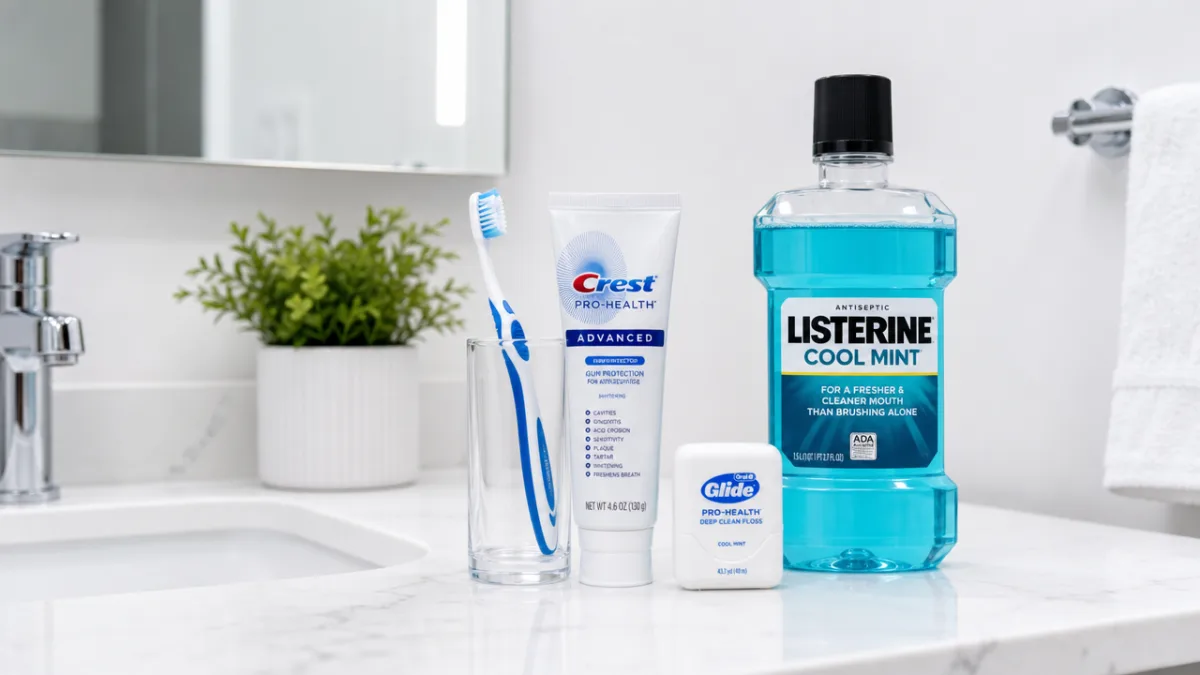
On the prevention side, good daily habits go a long way toward keeping abscesses from forming in the first place. Brushing twice a day with fluoride toothpaste, flossing regularly to clear out what your toothbrush can’t reach, and using an antimicrobial mouthwash as your dentist recommends all make a real difference. Cutting back on sugary and acidic foods helps too, since tooth decay is one of the most common roads that leads to an abscess. And regular checkups — ideally every six months — give your dentist the chance to catch early decay or infection before it turns into something much more painful and costly to treat.
- Saltwater rinse: Dissolve half a teaspoon of salt in warm water and rinse two to three times daily to reduce bacteria and soothe inflammation.
- Clove oil: Apply diluted clove oil to the affected area for natural pain relief using eugenol’s numbing properties.
- Garlic paste: Crush fresh garlic and apply directly to the gum for its powerful allicin-based antibacterial benefits.
- Turmeric paste: Mix turmeric with water or coconut oil and apply to reduce swelling and fight bacteria with curcumin.
- Cold compress: Hold a wrapped ice pack against the cheek for fifteen to twenty minutes to reduce swelling and numb pain.
- Oil pulling: Swish coconut oil for fifteen to twenty minutes daily to reduce bacterial load in the oral cavity.
- Hydrogen peroxide rinse: Use a diluted three percent solution to clean the infected area and reduce bacterial activity.
- Oregano oil: Apply diluted oregano oil topically for its carvacrol-driven antimicrobial support.
- Baking soda paste: Apply baking soda mixed with water to neutralize oral acids and reduce gum inflammation.
- Raw Manuka honey: Apply a small amount to the affected gum for its potent antibacterial and soothing properties.
At the end of the day, a tooth abscess is serious and it needs a dentist — but that doesn’t mean you have to just white-knuckle it until your appointment. From a basic saltwater rinse you can throw together in sixty seconds to the more targeted relief of clove or oregano oil, there are plenty of natural options that can genuinely take the edge off while you get your dental care sorted. Use them thoughtfully, follow the safety guidelines, and treat them for what they are: helpful allies in your recovery, not a substitute for the professional care that’s going to actually fix the problem.








What do you think?
It is nice to know your opinion. Leave a comment.