










The Garden Trick Everyone Is Talking About: Crystal Bowl Meets Vase
Sometimes the most brilliant DIY ideas are the ones that seem almost too simple to believe. When a crafty homeowner shared her discovery of gluing a crystal bowl upside down onto a vase to create a stunning garden ornament, the internet collectively stopped scrolling. Within days, the post had been saved, shared, and recreated thousands of times across Pinterest, Instagram, and gardening forums around the world. It is the kind of project that makes you look at every thrift store shelf differently, imagining the sculptural possibilities hiding in plain sight.
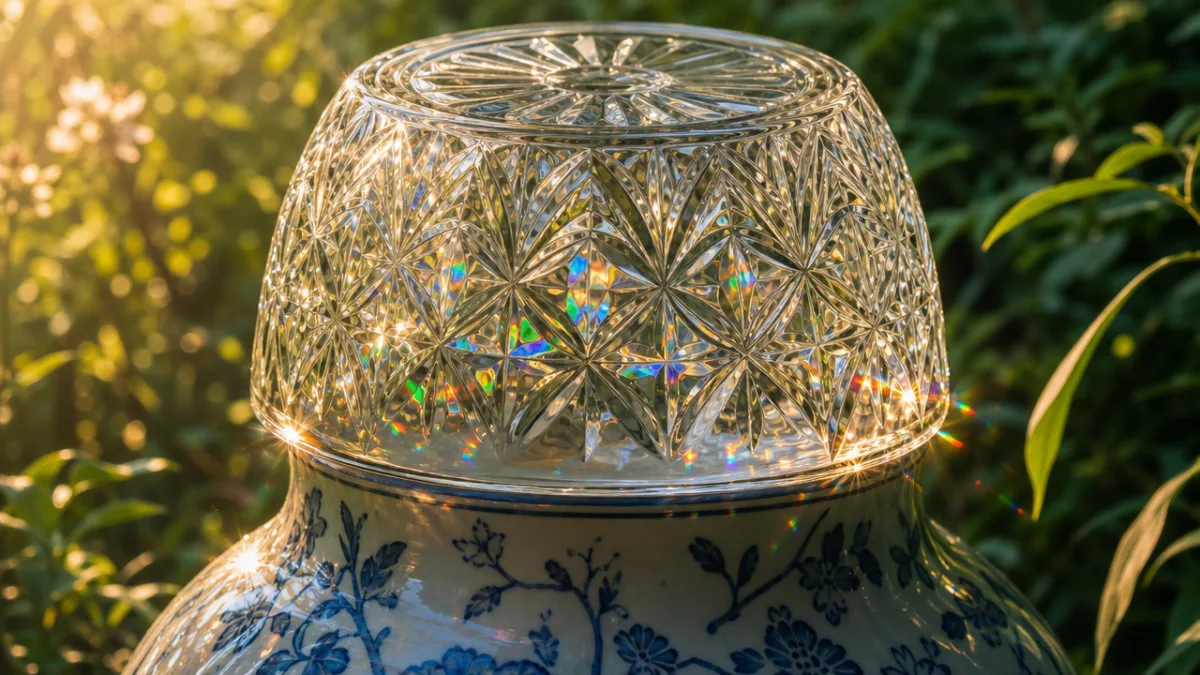
What makes this particular trick so compelling is the way it transforms two unremarkable objects into something that looks deliberately designed and surprisingly expensive. A crystal bowl turned upside down catches and refracts sunlight in ways that mimic the effect of a fancy garden gazing ball or an ornate birdbath topper. Placed on a sturdy vase or pedestal, it creates a layered, architectural silhouette that adds genuine elegance to any outdoor space, from a formal English garden to a casual cottage patio.
The obsession is completely understandable once you see the results. Unlike many viral DIY projects that look polished in photographs but disappointing in real life, this one genuinely delivers. The combination of the curved vase base and the inverted dome of the crystal bowl creates a balanced, fountain-like form that looks intentional and artistic. Best of all, it costs almost nothing if you already have the pieces, or just a few dollars if you source them from estate sales or charity shops.
Why This Works So Well Visually
The secret behind the visual success of this garden trick lies in a design principle called visual weight balance. When the bowl is placed right-side up, it reads as an open, functional container. Flipped upside down, it becomes a dome, a crown, a jewel. The eye reads it as a decorative finial rather than a vessel, and the brain instantly associates that dome shape with grandeur, architecture, and intentional design. This small perceptual shift is what elevates the whole piece from craft project to garden sculpture.
Crystal or cut glass bowls are particularly effective for this purpose because of the way they interact with natural light. The faceted surfaces act like prisms, scattering small rainbows and sparkles across surrounding plants, pathways, and walls as the sun moves through the day. This dynamic light play means the piece never looks the same twice, giving your garden a living, shimmering focal point that changes with the hours and seasons. On overcast days it glows softly; on bright days it dazzles.
The proportions matter enormously here, and that is part of why the project rewards a little patience in the sourcing stage. A bowl that is too small relative to the vase will look like an afterthought, while one that is too large will feel top-heavy and precarious. The sweet spot is a bowl whose diameter is roughly equal to or slightly wider than the widest point of the vase, creating a seamless visual flow from base to crown. When those proportions click into place, the result genuinely looks like something you might find in a high-end garden boutique.
How to Choose the Right Vase and Bowl
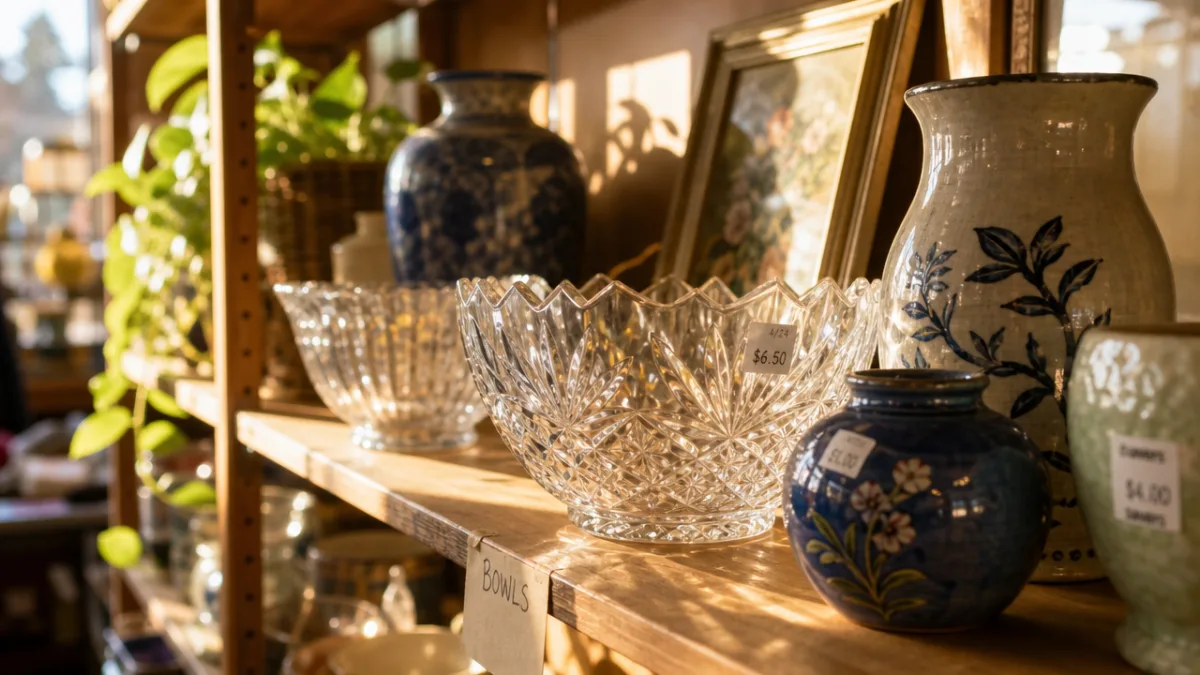
Finding the perfect pairing is half the fun of this project, and thrift stores are genuinely the best hunting ground. You are looking for a vase that has some height and a stable, weighted base, because it will need to bear the load of the bowl above it and remain upright in outdoor conditions including wind. Ceramic and heavy glass vases work beautifully. Avoid anything thin-walled or lightweight, as these tend to tip in a breeze and may not bond as securely with the adhesive. Vintage ceramic urns, stout flower vases, and old pottery crocks are all excellent candidates.
For the bowl, crystal is ideal but not strictly necessary. Any glass bowl with some texture, faceting, or decorative detailing will catch the light interestingly when inverted. Pressed glass bowls from the mid-twentieth century, often found in abundance at estate sales, are perfect. Look for bowls with a flat enough rim that they will sit stably when turned upside down, and make sure the rim itself is not chipped or cracked, as that is the surface that will be bonded to the vase and needs to be structurally sound.
Color is another dimension worth considering. Clear crystal gives a classical, timeless look that suits almost any garden palette. Tinted glass bowls in amber, green, cobalt, or pink add a more whimsical, stained-glass quality to the finished piece and can be chosen to complement specific planting schemes. Some crafters have even combined two or three different colored bowl-and-vase assemblies to create a coordinated cluster of garden ornaments, which looks particularly striking arranged in a tiered grouping on steps or along a garden wall.
Sourcing on a Budget
The true beauty of this project from a practical standpoint is how inexpensive it can be when you approach sourcing strategically. Charity shops and thrift stores regularly receive donations of both glassware and vases, and items that do not match any obvious purpose often sit on shelves for weeks before being discounted further. Shopping midweek, when new donations have been processed, gives you the best selection. Many experienced thrifters also recommend checking the housewares sections of estate sales, where entire sets of crystal glassware sometimes go for just a few dollars because no buyer wants a partial set.
Garage sales in established residential neighborhoods are another excellent source, particularly for the kind of heavy ceramic vases and crystal bowls that were popular home décor items in the 1970s through 1990s. These pieces were made to last and are often in perfect condition despite their age. Flea markets and antique fairs can also yield beautiful finds, though prices there tend to be somewhat higher than pure thrift stores. Online marketplaces like Facebook Marketplace and local buy-nothing groups are worth checking too, especially for larger vases that might be difficult to transport from a physical sale.
Step-by-Step Instructions for the Assembly
Once you have your vase and bowl selected, the assembly process itself is refreshingly straightforward. Begin by cleaning both pieces thoroughly with warm soapy water and allowing them to dry completely. Any grease, dust, or moisture on the bonding surfaces will compromise the adhesive’s effectiveness, so this step is more important than it might seem. Give the pieces at least several hours to air dry after washing, or use a clean lint-free cloth to dry them manually before proceeding.
The adhesive choice is critical for an outdoor application. Standard craft glues and even many epoxies will fail when exposed to prolonged moisture, temperature fluctuation, and UV light. The best option for this project is a clear waterproof silicone adhesive or an outdoor-rated epoxy specifically formulated for bonding glass and ceramic. Products designed for aquarium or marine use are particularly reliable, as they are engineered to remain flexible and bonded in continuously wet and changing conditions. Two-part epoxy adhesives also work very well and tend to create an exceptionally strong bond.
Apply a generous but controlled bead of adhesive around the rim of the bowl, which will become the bonding surface. Place the bowl upside down onto the top of the vase and press firmly, centering it carefully. Hold it in place for at least sixty seconds to allow the initial bond to form, then set the assembled piece somewhere level and undisturbed for the full curing time specified by your adhesive manufacturer, which is typically twenty-four to forty-eight hours. Resist the temptation to move or test the bond before it has fully cured, as premature stress is the most common cause of failure.
Tips for a Long-Lasting Result
Beyond the adhesive choice, a few additional steps will significantly extend the life of your garden ornament. If you live in a region with hard winters and significant freeze-thaw cycles, consider bringing the piece indoors or into a sheltered garage during the coldest months. Water that seeps into any micro-gaps in the adhesive bond can freeze and expand, stressing the joint over time. Even a sturdy outdoor-rated adhesive will last longer with a little seasonal protection.
Positioning the finished ornament in a spot that offers some shelter from the worst weather will also help. A location that receives full afternoon sun but is somewhat protected from prevailing winds is ideal. Not only does wind protection reduce physical stress on the piece, it also means that on breezy days the light reflections stay more controlled and the ornament does not become a distraction or hazard if it were ever to tip. For extra security, especially with taller, heavier assemblies, some crafters fill the base vase with sand or gravel before assembly to lower the center of gravity.
Cleaning is straightforward and should be done gently. A soft cloth or sponge with plain water is usually sufficient to keep the crystal looking brilliant. Avoid abrasive cleaners or harsh chemicals, which can etch the glass surface over time and reduce the clarity of those beautiful light refractions. Gentle cleaning two or three times per season will keep your ornament looking as striking as the day you made it, and the investment of effort is minimal compared to the ongoing visual reward.
Creative Variations and Styling Ideas
Once you have made your first crystal bowl and vase ornament, it is almost impossible not to start imagining variations. One of the most popular adaptations is to create a whole family of different sizes and place them in a clustered grouping, varying the heights of the vases to create a layered, sculptural display. This approach works especially well on a patio, deck, or along the edge of a garden path, where the group of ornaments creates a cohesive focal point that rewards close inspection while also reading beautifully from a distance.
Another popular variation involves introducing elements between the bowl and the vase. Some crafters place a small decorative ball, a large glass marble, or even a cluster of flat glass gems on top of the vase opening before pressing the bowl down, creating an additional visual layer and sometimes improving the height proportions of the piece. Floral arrangements can also be incorporated by placing a small waterproof floral foam insert inside the vase before assembly, allowing fresh or dried flowers to appear to bloom from within the sculptural form.
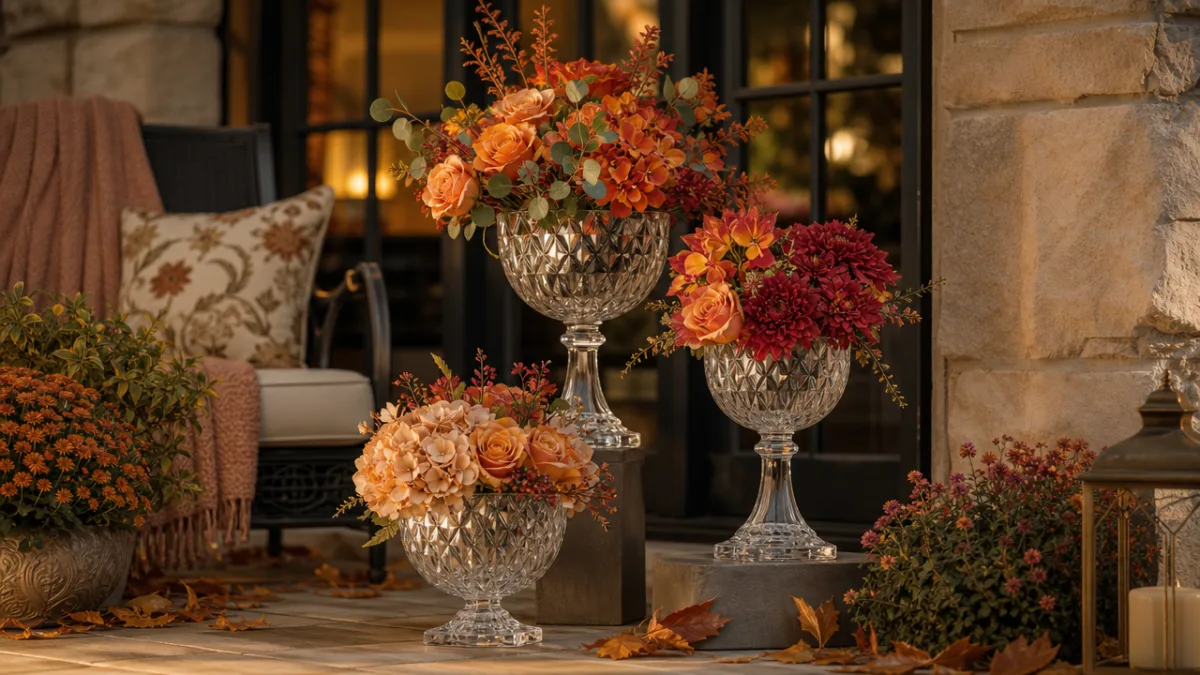
For a more dramatic effect, consider using a tall, elegant candlestick base instead of a traditional vase. This gives the finished piece a distinctly different silhouette, taller and more slender, that suits formal garden settings particularly well. Candlestick-based versions look stunning flanking a garden gate or doorway, or lining the edges of a formal parterre. The candlestick base also raises the crystal dome higher off the ground, allowing it to catch more light and making it more visible from across a larger garden space.
Seasonal Decorating with Your Ornament
The versatility of this garden ornament extends through the seasons, making it a genuinely year-round decorative investment rather than a single-season purchase. In spring and summer, the crystal dome catches and scatters the abundant sunlight, creating dynamic light effects that complement blooming flowers and lush foliage. Placing the ornament near water features or in a border where plants reflect in the curved glass surface adds an extra layer of visual interest that changes daily as plants grow and bloom around it.
As autumn arrives, the crystal dome takes on a warmer tone in the lower-angled sunlight, complementing the golds and russets of the season beautifully. Some gardeners place their ornaments among ornamental grasses or late-season sedums, where the textural contrast between the crisp geometric facets of the crystal and the soft, feathery plant textures creates a particularly appealing composition. A light frost on the surrounding garden can actually make the ornament look even more spectacular, the crystal gleaming against the silver-touched landscape.
In winter, even in cold climates where the piece has been brought partially undercover, the ornament can be used as a decorative element on a covered porch or in a conservatory. Some crafters take the opportunity during winter months to swap out the vase base for a different color or style, refreshing the look of the ornament for the new season. This modularity is only possible if you use a reversible or re-soluble adhesive, so it is worth considering at the planning stage whether you want a permanent bond or the flexibility to experiment with different combinations over time.
Why This Trend Reflects a Broader Crafting Movement
The viral success of the crystal bowl and vase garden trick is about more than just one clever craft project. It speaks to a much broader cultural shift in how people approach home and garden decoration, one that prizes creativity, resourcefulness, and personal expression over expensive ready-made solutions. In an era when home décor can feel homogenized and algorithmically predictable, there is something deeply satisfying about making something beautiful from objects that other people overlooked. The thrill of the thrift store find, transformed into something enviable, taps into a very human pleasure in ingenuity and self-sufficiency.
Social platforms like Pinterest have played a major role in accelerating the spread of ideas like this one, creating communities of crafters who refine, adapt, and improve on each other’s ideas at remarkable speed. What began as one person’s garden experiment becomes, within weeks, a genre with dozens of variations, tutorials, and inspirational galleries. This collaborative creative ecosystem is genuinely exciting, and it means that even simple ideas like this one continue to evolve and surprise. Following the hashtags and boards associated with a trending project often reveals interpretations and innovations that the original creator never imagined.
There is also something meaningful about the choice to make rather than buy, especially in a gardening context where the relationship between effort and reward is already deeply understood. Gardeners know better than anyone that the things you grow and make yourself carry a different kind of value than things purchased ready-made. A crystal bowl ornament that you assembled yourself, that you found the pieces for at a Saturday morning estate sale, that you placed in exactly the right spot to catch the evening light, carries a story and a satisfaction that no catalog purchase can replicate. That, perhaps more than anything, is why everyone is so obsessed with this garden trick.
Getting Started Today
If this project has sparked your imagination, the best advice is simply to start looking. Begin visiting your local thrift stores and charity shops with fresh eyes, specifically scanning the glassware and ceramics sections for promising bowl and vase combinations. Do not worry about finding the perfect pair immediately. Part of the joy of this project is the serendipitous discovery, the moment when two unrelated objects suddenly reveal their potential together. Keep an open mind about colors, sizes, and styles, because sometimes the most unexpected combinations produce the most striking results.
While you are gathering materials, pick up your adhesive of choice so that you are ready to assemble as soon as inspiration strikes. Having the right supplies on hand means you will not lose momentum between the thrill of the find and the satisfaction of the finished piece. Clear waterproof silicone or outdoor epoxy are both widely available at hardware stores and home improvement centers, and neither is expensive. A tube or small kit of either will be more than sufficient for several ornament projects.
Once your first ornament is complete and positioned in the garden, take a photograph in the golden hour light and share it. Not because viral approval is the goal, but because sharing genuinely good ideas is how communities of makers grow and inspire each other. Someone else will see your particular combination, your specific placement, your individual twist on the idea, and it will spark something new in them. That chain of inspiration, from one creative person to the next, is how a single upside-down crystal bowl becomes a movement that transforms gardens everywhere.








What do you think?
It is nice to know your opinion. Leave a comment.