










What Is a Garden Room and Why Everyone Is Talking About It
A garden room is a dedicated, fully insulated structure built in your outdoor space that functions as a comfortable, usable living area year-round. Unlike a basic shed or a simple greenhouse, a garden room bridges the gap between your home and your garden in the most elegant way possible. It can serve as a home office, an art studio, a yoga retreat, a reading nook, or even an entertainment space — the possibilities are genuinely limited only by your imagination and the footprint of your outdoor area.
The concept has surged in popularity over the past several years, largely accelerated by the shift toward remote and hybrid working. When millions of people suddenly found themselves working from home, the walls of a traditional house quickly started to feel claustrophobic. Garden rooms offered a solution that felt both practical and luxurious — a separate space that allowed for focus and productivity without the need for a lengthy commute. Since then, the idea has evolved far beyond the home office, becoming a lifestyle statement as much as a functional addition.
What makes garden rooms particularly compelling from a design perspective is the way they invite the outside in. Floor-to-ceiling glass panels, bifold doors that open entirely to the garden, and generous skylights mean that even when you are seated inside, you feel immersed in the natural surroundings. This connection to nature is not merely aesthetic; research consistently shows that exposure to greenery and natural light improves mood, reduces stress, and increases cognitive performance. A well-designed garden room offers all of this without ever asking you to put on a coat.
Design Principles That Make Garden Rooms Feel Truly Special
The finest garden rooms share a set of core design principles that elevate them from a simple outbuilding to a genuinely beautiful space. The first of these is the principle of visual continuity — the idea that the interior design of the room should feel like a natural extension of both the home and the garden simultaneously. This means choosing materials, colours, and textures that echo what already exists in your outdoor planting schemes and your interior décor, creating a harmonious flow that feels intentional rather than accidental.
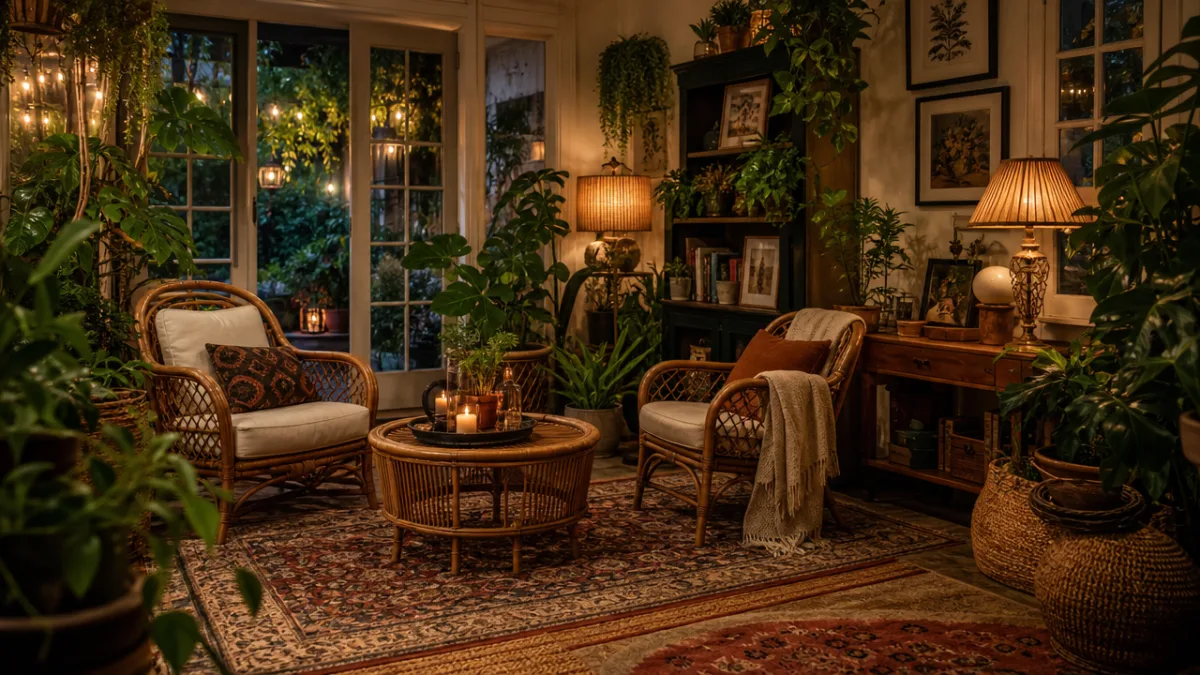
Lighting is another fundamental pillar of great garden room design. Natural light should be maximised through considered window placement, with south-facing orientations often being preferred in the Northern Hemisphere. However, artificial lighting choices matter just as much, particularly during the shorter days of autumn and winter. Layered lighting that combines ambient ceiling fixtures with task lighting and atmospheric accent pieces — think sculptural pendant lights or warm LED strips along shelving — ensures the space remains inviting and functional at any hour of the day.
Texture and material selection carry enormous weight in a garden room context. Because the space occupies an intermediate zone between indoors and outdoors, it benefits enormously from materials that blur that boundary: rattan furniture, linen cushions, weathered timber shelving, stone or terrazzo surfaces, and ceramic pots filled with trailing plants. Wall treatments deserve special mention here too. A statement wallpaper on one or more walls can transform the entire character of the space, adding pattern, depth, and personality that painted walls simply cannot achieve. Companies like Wallsauce UK have made it easier than ever to introduce large-scale, photographic, or illustrated murals into garden rooms, turning a blank wall into a genuine focal point.
The layout of a garden room must be planned with the same rigour as any interior space. Traffic flow, the relationship between different furniture zones, and the positioning of electrical outlets, heating elements, and data connections all need to be considered holistically. A room that looks beautiful in a mood board but proves frustrating to live and work in is ultimately a missed opportunity. Consulting an interior designer or a specialist garden room supplier during the planning phase can pay significant dividends in the finished result.
Wallpaper and Wall Murals: The Secret Weapon of Garden Room Interiors
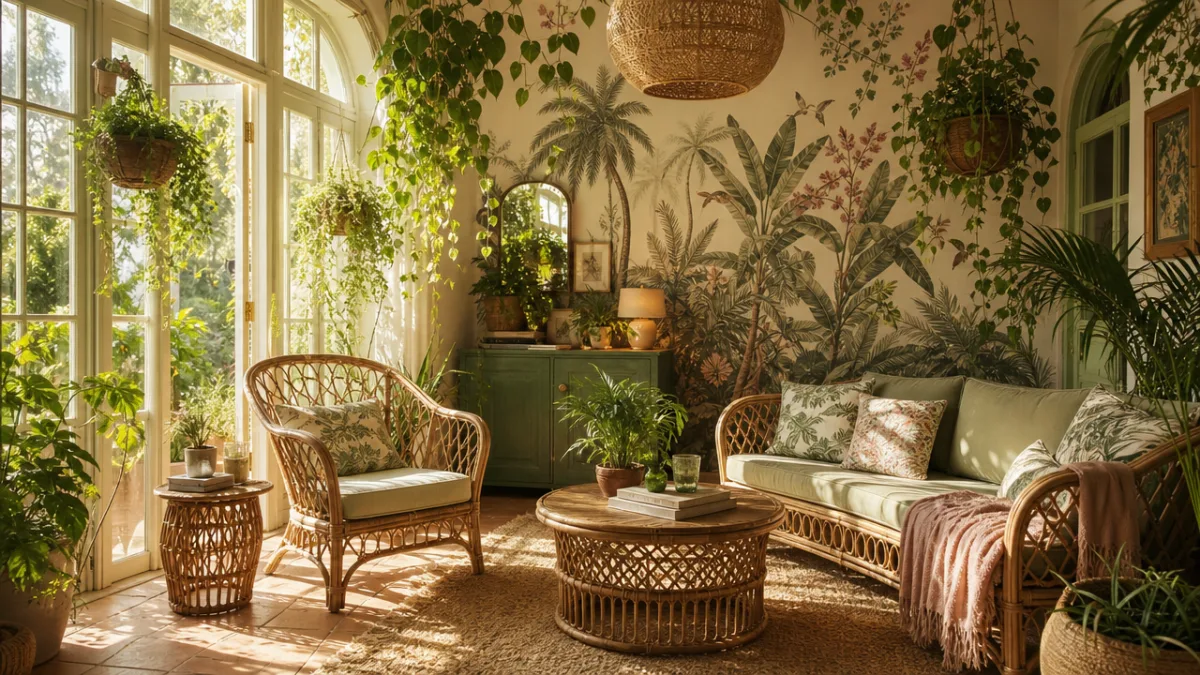
If there is one design decision that consistently separates a good garden room from a spectacular one, it is the treatment of the walls. Because garden rooms tend to be smaller than the main rooms of a house, every surface carries proportionally more visual weight. A thoughtfully chosen wallpaper or wall mural has the ability to expand a space visually, define its character immediately, and provide a backdrop against which all other design choices can sing. The wall, in short, is not a neutral backdrop — it is the most powerful design tool at your disposal.
Botanical and nature-inspired wallpapers are an obvious and perennially popular choice for garden rooms, and for good reason. Designs featuring oversized tropical leaves, delicate wildflower meadows, climbing wisteria, or dense jungle canopies reinforce the connection between the interior and the exterior world that garden rooms exist to celebrate. When chosen well, a botanical mural can make it feel as though the garden itself has stepped inside the walls, creating a seamless visual narrative that enchants visitors and sustains the occupant throughout the working day.
However, the options extend far beyond the botanical. Abstract murals in earthy, natural tones — terracotta, sage, warm ochre, and stone — can bring a contemporary edge to the space while still maintaining that sense of organic warmth. Architectural trompe l’oeil designs that suggest arched colonnades, library shelving, or Moroccan tile-work can introduce drama and depth without the need for structural alterations. Even a simple linen-effect or raw plaster-effect wallpaper can add enormous textural richness to an otherwise paired-back scheme, proving that subtlety and impact are by no means mutually exclusive.
When sourcing wallpaper for a garden room, it is worth considering the specific environmental conditions that these spaces experience. Temperature fluctuations can be more pronounced than in a fully insulated domestic room, and humidity levels may shift with the seasons. Opting for high-quality, durable wallpaper that has been professionally manufactured — such as the custom-printed murals offered by Wallsauce UK, which are produced on robust substrates suitable for various conditions — ensures that your investment looks as beautiful in five years as it does on installation day. Proper preparation of the wall surface before application is equally essential for a flawless, long-lasting result.
Furniture and Styling: Curating a Space That Feels Lived In and Loved
Furniture selection for a garden room requires a slightly different approach to that taken for a conventional interior room. The guiding principle should always be comfort paired with personality. Because garden rooms are often spaces of retreat — places people go to decompress, to create, or to find a quiet moment away from the bustle of family life — the furniture must communicate ease and invitation from the very first glance. Overly stiff, formal arrangements will work against the spirit of the space.
Natural materials dominate the most successful garden room furniture schemes. Rattan and wicker chairs provide that effortless indoor-outdoor quality that is so coveted in this type of space. Solid timber tables and benches bring warmth and an artisanal quality that mass-produced pieces often lack. Upholstered seating in performance fabrics — materials that resist fading, moisture, and general wear while still feeling luxurious to the touch — offers the best of both worlds for a space that may experience heavier use than a conventional living room. Linen, velvet, and bouclé all work beautifully in this context, particularly in muted, nature-adjacent palettes.
Layering is a concept borrowed from fashion that applies with tremendous effect to garden room interiors. A single armchair sitting on bare floorboards is a starting point; that same armchair placed on a textured jute rug, accessorised with a chunky knit throw and a stack of coffee table books, positioned beside a rattan side table holding a ceramic vase of dried pampas grass — that is a vignette. The act of layering objects, textiles, and plants in this way creates the sense that the space has been genuinely inhabited and loved over time, rather than staged for a photoshoot and then immediately dismantled.
Plants deserve their own moment of consideration in the styling conversation. For a garden room, they are not optional accessories — they are structural elements of the design. A mix of scales works best: a large fiddle leaf fig or olive tree anchoring a corner, medium-sized trailing pothos or heartleaf philodendrons spilling from shelves, and small succulents or air plants tucked into unexpected places. This layered approach to planting echoes the complexity of a real garden and reinforces the foundational ethos of the garden room: that nature and comfort are not in opposition, but in perfect collaboration.
Heating, Insulation, and Year-Round Usability
One of the most common misconceptions about garden rooms is that they are seasonal spaces — pleasant in summer but impractical during the cooler months. This need not be true at all. With the right approach to insulation and heating, a well-built garden room can be as warm and comfortable in the depths of January as it is during a balmy August afternoon. The key is to address thermal performance during the planning and construction phase, rather than trying to retrofit solutions after the structure is already in place.
Wall, floor, and roof insulation should all meet a standard that is comparable to, or ideally exceeds, typical domestic building regulations. Structural insulated panels (SIPs) are often used in premium garden room construction for this reason — they offer exceptional thermal performance relative to their thickness, allowing the walls to remain slim and the interior footprint to be maximised. Double or triple-glazed windows and doors are non-negotiable for year-round use; the heat loss through single-glazed units in a mostly glass structure would render the space uncomfortably cold and prohibitively expensive to heat from October through to March.
For heating itself, the options are pleasingly varied. Underfloor heating is widely considered the gold standard for garden rooms: it is discreet, efficient, and delivers an even warmth that radiates up from the floor rather than descending unevenly from above. Electric infrared panels are another increasingly popular choice — they heat objects and people directly rather than warming the air, which means the room reaches a comfortable temperature quickly and the energy is used with minimal waste. For those who want atmosphere as well as warmth, a small wood-burning stove or a contemporary bioethanol fireplace can be transformative, turning the garden room into a genuinely covetable retreat even on the greyest winter afternoon.
Ventilation is the counterpart to heating that is sometimes overlooked but proves equally important for comfort and air quality. In summer months, a garden room can overheat rapidly, particularly if it has a significant glazed area facing the sun. Opening windows, roof vents, and bifold doors are the first line of defence. Electric ceiling fans or discreet wall-mounted fans can assist airflow when natural ventilation is insufficient. For the most sophisticated installations, a mechanical ventilation system with heat recovery (MVHR) can maintain a steady supply of fresh, filtered air while recovering warmth that would otherwise be lost — ensuring that the environment remains healthy and pleasant across all four seasons.
Planning, Permissions, and Getting the Project Right
Before committing to a garden room project, it is essential to understand the planning and legal landscape in your specific location. In England and Wales, many garden rooms fall within the category of permitted development — meaning they can be built without a formal planning application, provided they meet certain criteria relating to height, footprint relative to the total garden area, distance from boundaries, and proximity to the main dwelling. However, these rules are subject to exceptions, particularly for properties in designated areas such as national parks, Areas of Outstanding Natural Beauty, or conservation zones, where restrictions tend to be more stringent.
Even where planning permission is not required, building regulations may still apply, particularly if the garden room is to be used as a habitable space — that is, a room intended for sleeping, working, or extended daily occupation rather than purely for storage. Regulations governing structural integrity, fire safety, ventilation, and electrical installations are designed to protect the occupants of the building, and compliance is not merely a bureaucratic formality but a genuine safeguard. Working with a reputable garden room specialist or a qualified architect will ensure that your project navigates these requirements smoothly and that all necessary certifications are obtained upon completion.
Budgeting honestly and thoroughly is another pillar of a successful garden room project. It can be tempting to focus on the headline cost of the structure itself and overlook the many associated expenses that accumulate quickly: groundwork and foundations, electrical connection, data cabling, heating installation, interior fit-out, furniture, soft furnishings, planting, and ongoing maintenance. A comprehensive budget prepared at the outset, with a contingency of at least ten to fifteen percent built in, will reduce the likelihood of unpleasant surprises and allow the project to be completed to the standard you originally envisioned rather than to a compromised version necessitated by cost overruns.
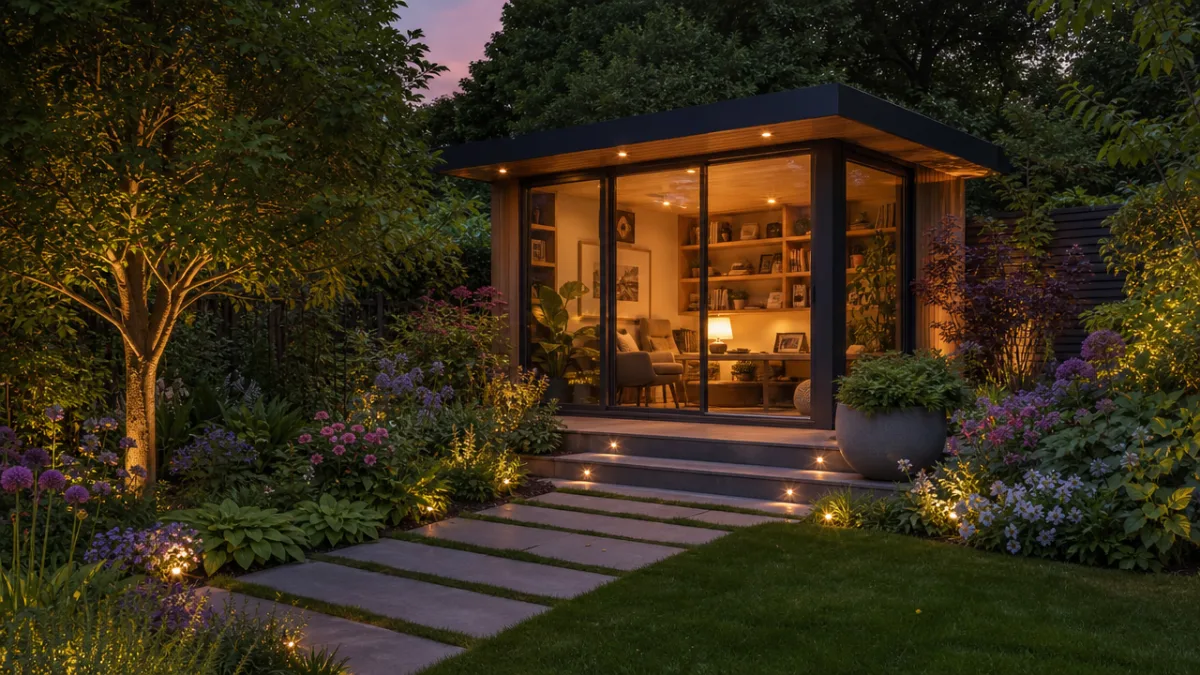
Finally, take the time to think carefully about how the garden room will relate to the rest of your garden and your home. A thoughtful approach to landscaping — creating a path that leads naturally from the back door to the garden room entrance, planting beds that frame the structure attractively, and considering sightlines from both inside the house and from within the garden room itself — will elevate the finished project from a simple outbuilding to a genuine destination within your property. The very best garden rooms do not merely occupy space in a garden; they enhance everything around them and make the entire outdoor area feel more intentional, more beautiful, and more deeply enjoyed.








What do you think?
It is nice to know your opinion. Leave a comment.