










Transform Your Outdoor Space: The Magic of DIY Gardening
There is something deeply satisfying about creating a beautiful garden with your own two hands. Whether you have a sprawling backyard, a modest patio, or even just a sunny balcony, DIY garden projects allow you to express your creativity while connecting with nature in a meaningful way. The best part is that you do not need professional experience, expensive tools, or a large budget to create something truly stunning. With a little imagination and some weekend effort, anyone can transform an ordinary outdoor space into a lush, inviting retreat that reflects their personal style.
DIY gardening has surged in popularity in recent years, and it is easy to understand why. Beyond the obvious aesthetic rewards, growing and designing your own garden offers genuine therapeutic benefits. Studies have shown that time spent gardening reduces cortisol levels, lowers blood pressure, and improves overall mood. When you add the creative dimension of building your own planters, trellises, and decorative features, you layer in additional cognitive engagement and a powerful sense of accomplishment that few hobbies can match.
This article is designed to guide you through some of the most accessible, rewarding, and beautiful DIY garden ideas available to home gardeners of all experience levels. From repurposing everyday objects into charming planters to building raised beds that maximize your growing potential, you will find inspiration and practical guidance every step of the way. So grab your gloves, gather your materials, and get ready to fall in love with your outdoor space all over again.
Why DIY Gardening Is Worth Your Time and Effort
One of the most compelling reasons to embrace DIY gardening is the significant cost savings compared to purchasing professionally designed landscaping or pre-built garden furniture. A single decorative planter from a garden center can cost anywhere from thirty to over a hundred dollars, while building one from reclaimed wood, old tires, or repurposed containers might cost you next to nothing. Over time, these savings add up considerably, allowing you to invest more in quality plants, soil amendments, and the features that matter most to you.
Beyond the financial benefits, DIY garden projects give you complete creative control. You are not limited to what is available in stores or constrained by someone else’s design sensibility. Want a whimsical fairy garden tucked into a mossy corner? A modern geometric planter arrangement in concrete and steel? A cottage-style riot of climbing roses and lavender? All of these are within your reach when you take the DIY approach. Your garden becomes a true reflection of who you are, shaped entirely by your preferences and vision.
There is also an environmental argument worth making here. When you repurpose and upcycle materials for your garden projects, you divert waste from landfills and reduce demand for newly manufactured goods. Turning an old wooden pallet into a vertical herb garden, transforming cracked terracotta pots into a mosaic planter, or using salvaged bricks to edge your flower beds all contribute to a more sustainable lifestyle. Gardening itself is an inherently green pursuit, and taking a DIY approach amplifies those environmental benefits considerably.
Raised Garden Beds: A Beginner-Friendly Foundation
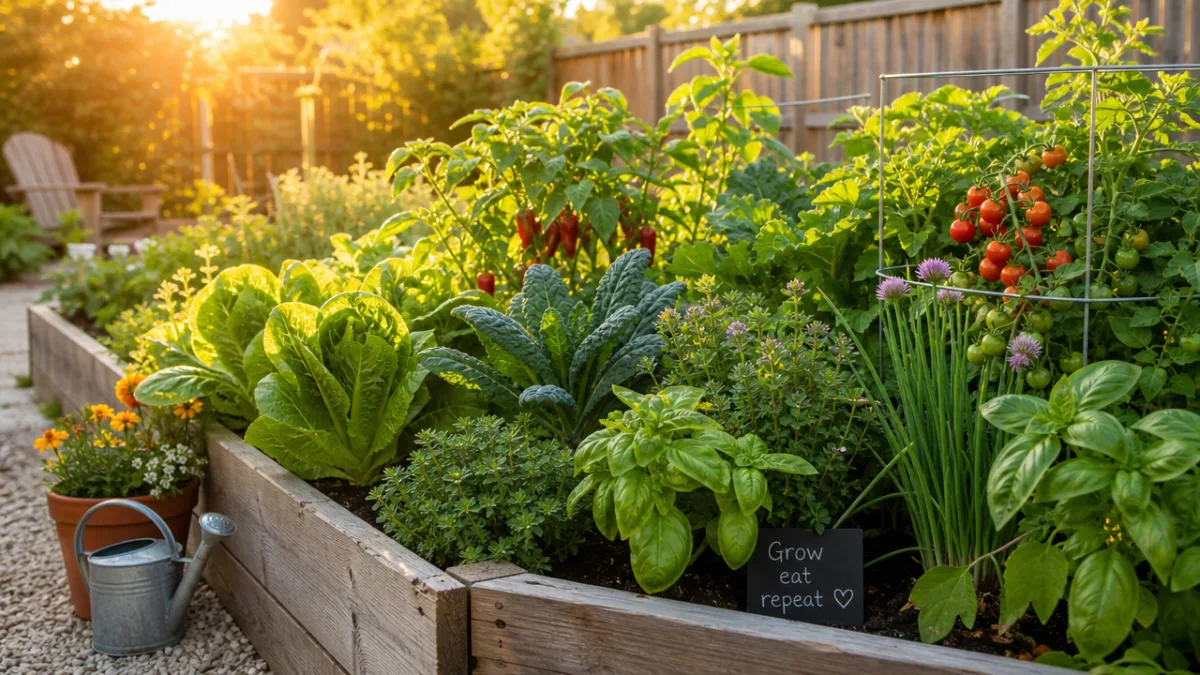
Raised garden beds are arguably the single most impactful DIY project you can undertake for your garden. They solve a host of common gardening problems in one elegant structure. If your native soil is poor, compacted, or contaminated, a raised bed lets you start fresh with a custom growing medium perfectly suited to your plants. They also improve drainage dramatically, warm up faster in spring for earlier planting, and reduce the strain on your back and knees by elevating your work surface to a more comfortable height.
Building a basic raised bed requires only minimal carpentry skills and a modest set of tools. The most common approach uses untreated cedar or pine boards, which are rot-resistant and safe for food crops. A standard 4-by-8-foot bed is widely recommended because it allows you to reach the center from either side without stepping on the soil and compacting it. You will need boards cut to length, corner brackets or simple butt joints secured with galvanized screws, and a layer of landscape fabric on the bottom to suppress weeds while allowing drainage.
Once your frame is in place, filling it with the right growing mix is essential. A popular recipe among experienced gardeners combines one part compost, one part peat moss or coco coir, and one part coarse vermiculite or perlite. This blend is lightweight, moisture-retentive, and exceptionally fertile. After your first season, you will simply top-dress with compost each spring to replenish nutrients. From vegetables and herbs to cutting flowers and strawberries, a well-made raised bed will reward you with abundant harvests for years to come.
Creative Variations on the Classic Raised Bed
Once you have mastered the basic rectangular raised bed, a world of creative variations opens up. Tiered raised beds, which feature two or three stepped levels, add dramatic visual interest to a sloped yard while creating distinct growing zones for plants with different light and moisture preferences. L-shaped configurations can define the corner of a patio or create an attractive focal point, and circular or hexagonal beds make charming centerpieces in a lawn or courtyard setting. The structural possibilities are limited only by your imagination and the space available to you.
Keyhole beds represent another inspired variation borrowed from permaculture gardening traditions. These kidney-shaped or horseshoe-style beds feature a narrow notch cut into one side, allowing the gardener to walk into the center for easy access to every part of the bed without stretching or straining. A compost basket positioned at the center of the keyhole receives kitchen scraps and organic material, which break down and feed the surrounding soil continuously throughout the growing season. It is an elegantly self-sustaining system that rewards minimal effort with maximum productivity.
For gardeners with very limited space, vertical raised beds and wall-mounted planter systems offer a clever solution. Stacked cinder blocks arranged in a staggered pattern create individual planting pockets in their hollow cores while forming a raised wall bed in the central space. Wooden pallets stood on their ends and lined with landscape fabric become instant vertical herb gardens. These approaches let you grow a remarkable variety of plants even when ground space is at an absolute premium, turning bare fences and walls into lush, productive growing surfaces.
Upcycled Planters: Giving New Life to Old Objects
One of the most delightful aspects of DIY gardening is the way it encourages you to look at everyday objects with fresh eyes. That old colander gathering dust in the kitchen cabinet, the worn wooden wine crate in the garage, the chipped enamel bucket that no longer holds water reliably — all of these become potential planters in the hands of a creative gardener. Upcycled containers add instant character and personality to a garden space in a way that uniform, mass-produced pots simply cannot replicate, and they carry with them a story and a sense of history that makes them conversation starters.
The practical requirements for turning any container into a planter are straightforward. First and most importantly, drainage is essential. Any container used for plants must have holes in the bottom to allow excess water to escape, preventing the root rot that kills more houseplants and container gardens than any other cause. If your chosen vessel cannot be drilled — certain ceramics or glass, for example — it can still be used as a decorative outer cache pot with a draining inner container nestled inside. Beyond drainage, most containers simply need to be clean, food-safe if you are growing edibles, and structurally sound enough to hold soil without collapsing.
Some of the most charming upcycled planter ideas you will encounter include old rubber boots planted with trailing nasturtiums, vintage suitcases overflowing with succulents and sedums, wooden drawers pulled from broken dressers and arranged in a stacked tableau, wheelbarrows overflowing with cottage garden annuals, and galvanized metal washtubs brimming with water plants and miniature aquatic gardens. Each of these ideas costs very little to execute but produces a striking visual result that looks intentional, artful, and entirely original. Hunting for interesting containers at thrift stores, estate sales, and flea markets becomes a genuinely enjoyable extension of your gardening hobby.
Vertical Gardens and Living Walls
Vertical garden structures have become enormously popular in recent years, and for excellent reason. They allow gardeners to maximize growing space in small areas, create striking visual features on otherwise bare walls and fences, and grow plants at eye level where their beauty can be fully appreciated. A simple vertical garden can be as straightforward as a series of pockets sewn from felt or canvas and mounted on a wooden board, or as elaborate as a full freestanding modular trellis system supporting dozens of individual plants in an intricate, layered tapestry of foliage and flower.
Pallet gardens represent one of the most accessible entry points into vertical gardening. A single wooden pallet, stood on end and mounted securely against a fence or exterior wall, provides a ready-made grid of horizontal slats that can support rows of small pots, planted directly into pockets of soil secured behind landscape fabric, or used as a trellis for climbing plants. With a coat of weather-resistant paint or wood stain, even a plain pallet becomes an attractive garden feature. Growing strawberries, herbs, succulents, or annual flowers vertically in this way is both practical and visually impressive.
For a more ambitious vertical garden project, consider building a simple wooden frame fitted with horizontal pipes or guttering sections to create a tiered planting system. PVC guttering, available inexpensively at any hardware store, can be cut to length, capped at the ends, fitted with drainage holes, and mounted in a staggered arrangement on a fence or wall. Fill each section with lightweight potting mix and plant with herbs, lettuces, strawberries, or trailing flowers. The result is a genuinely productive growing wall that takes up no ground space whatsoever and adds enormous visual drama to any outdoor area.

Garden Pathways and Decorative Ground Features
A well-designed garden pathway does far more than simply guide visitors from one point to another. It creates structure and flow in the landscape, defines the boundary between planted areas and open spaces, and contributes enormously to the overall aesthetic character of the garden. DIY pathways can be made from an impressive range of materials, each producing a distinct visual effect and offering different practical advantages in terms of cost, durability, and ease of installation. Choosing the right pathway material is one of the most impactful design decisions you will make in your garden.
Stepping stone paths are among the most popular DIY pathway options because they are inexpensive, easy to install, and endlessly customizable. You can purchase pre-made concrete stepping stones, use salvaged flagstone or slate, repurpose old brick in a herringbone or basketweave pattern, or even cast your own decorative concrete pavers using simple molds available at craft stores. Embedding glass pebbles, mosaic tiles, or leaf imprints into cast pavers before they cure adds a beautiful personal touch that makes each stone unique. Setting stepping stones at a comfortable walking pace apart and slightly sunken into the ground ensures they stay level and safe over time.
Gravel and pea shingle paths offer a different aesthetic — one that is informal, low-maintenance, and wonderfully effective at suppressing weeds when laid over a proper weed-suppressing membrane. The satisfying crunch underfoot adds an auditory dimension to the garden experience, and the light-reflecting quality of pale gravel can brighten shaded areas considerably. Edging your gravel path with reclaimed timber, steel edging strips, or large natural stones keeps it contained and prevents migration into adjacent planting beds. Combined with stepping stones set into the gravel, this approach creates a relaxed, cottage garden atmosphere that suits many planting styles beautifully.
DIY Garden Lighting and Nighttime Ambiance
The garden does not have to go dark when the sun sets. DIY lighting projects can transform your outdoor space into a magical evening retreat, extending the hours you spend outdoors and revealing your plantings in an entirely different and often more dramatic light. The most accessible starting point for many gardeners is solar-powered stake lighting, which requires no wiring, installation expertise, or electricity costs. Arranged along a pathway, clustered among planted containers, or used to illuminate a feature tree or sculpture, these simple lights create an immediate and appealing nighttime ambiance.
String lights have become a garden staple for very good reason. Draped between posts, wound through a pergola, wrapped around the trunks of trees, or hung in long curtains from a fence, they create a warm, festive glow that makes any outdoor space feel welcoming and celebratory. Warm white LED string lights are the most versatile choice, complementing almost any planting palette and creating a gentle, flattering illumination that encourages lingering outside on warm evenings. Solar-powered versions are now widely available and perform reliably throughout the growing season in most climates.
For a more creative DIY lighting project, consider making your own lanterns from mason jars, repurposed wine bottles, or tin cans with punched patterns. Mason jar lanterns hung from shepherd’s hooks or tree branches with wire handles create beautiful, rustic focal points. Tin can lanterns with intricate patterns of holes punched through the metal cast gorgeous dappled shadows when lit from within by tea light candles or battery-powered LED candles. These projects are inexpensive, enjoyable to make, and produce genuinely beautiful results that add atmosphere and personality to any garden setting.
Companion Planting and Natural Garden Design
Beyond the structural and decorative projects that shape your garden space, thoughtful plant selection and arrangement can transform the way your garden functions as a living ecosystem. Companion planting — the practice of growing certain plants in close proximity because they benefit one another — is one of the most rewarding strategies available to home gardeners. When you understand which plants support each other’s growth, deter pests, attract beneficial insects, and improve soil health, you begin to design your garden not just as a collection of beautiful things but as a genuinely productive and self-sustaining system.
The classic example of companion planting is the Three Sisters combination, developed by Indigenous peoples of North America over centuries of agricultural practice. Corn, beans, and squash grown together create a remarkable symbiosis: the corn provides a tall structure for the beans to climb, the beans fix atmospheric nitrogen into the soil to feed the corn and squash, and the squash’s broad leaves shade the ground to suppress weeds and retain moisture. This combination produces three nutritious crops in the space of one, illustrates beautifully how plants can work together, and has fed communities for thousands of years.
Other well-documented and easy-to-implement companion planting combinations include growing basil alongside tomatoes to repel aphids and improve fruit flavor, planting marigolds throughout the vegetable garden to deter nematodes and attract hoverflies whose larvae prey on aphids, and interplanting borage with strawberries to attract pollinators and reportedly improve berry size and flavor. Nasturtiums serve as sacrificial trap crops, luring aphids away from more valuable plants. Lavender, catmint, and other aromatic herbs planted along garden borders confuse and deter many common pest species while attracting an abundance of bees and other beneficial pollinators.
Creating a Pollinator-Friendly Garden
A garden designed with pollinators in mind is not only ecologically valuable but also more beautiful, more productive, and more alive than one that ignores the needs of bees, butterflies, hoverflies, and other beneficial insects. Pollinator populations are under significant pressure worldwide from habitat loss, pesticide use, and climate change, and the home garden has a genuine role to play in providing refuge, food, and nesting habitat for these essential creatures. The good news is that creating a pollinator-friendly garden aligns almost perfectly with the principles of beautiful, naturalistic garden design.
Choosing plants that provide nectar and pollen across as long a season as possible is the foundation of pollinator gardening. Early-flowering plants like crocus, hellebores, and pulmonaria provide vital food when little else is available in late winter and early spring. Mid-season stars include lavender, echinacea, salvia, and catmint. Late-season bloomers such as sedums, asters, and heleniums carry pollinators through to the first frosts. By selecting plants from each of these seasonal categories, you ensure that your garden supports pollinators from the earliest days of spring through the final weeks of autumn.
Beyond planting choices, the physical structure of your garden matters enormously for pollinator habitat. Leaving some areas of bare, undisturbed soil provides nesting sites for solitary ground-nesting bees. A simple DIY bee hotel — drilled wooden blocks or bundles of hollow bamboo canes mounted in a weatherproof frame — offers nesting habitat for mason bees and leafcutter bees. A small wildlife pond or shallow water dish gives insects somewhere to drink. Reducing or eliminating pesticide use and allowing some areas of the garden to grow a little wilder creates a refuge where pollinators can truly thrive, completing the transformation of your outdoor space from a decorative garden into a living, breathing ecosystem.








What do you think?
It is nice to know your opinion. Leave a comment.