










15 Whimsical Hippie Garden ideas Full of Color & Charm
Embracing the Free-Spirited Philosophy of Hippie Garden Design
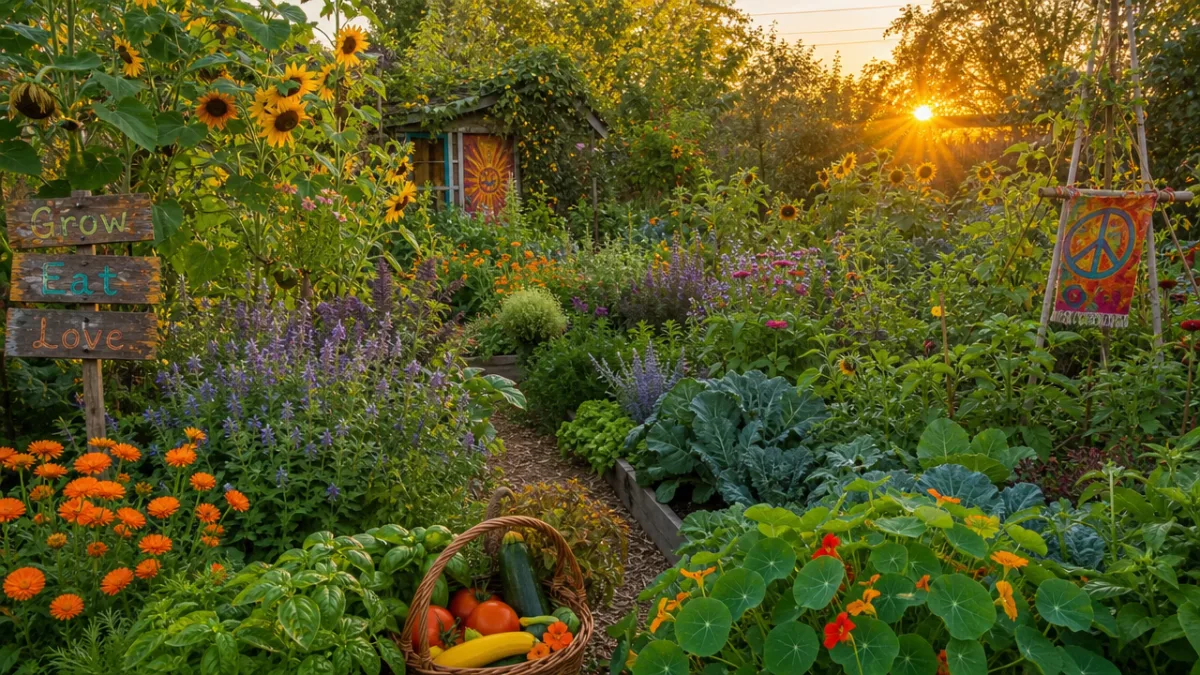
A hippie garden is more than just a collection of plants and decorations — it is a living, breathing expression of personal freedom, connection to nature, and a deep reverence for the beauty found in imperfection. Rooted in the counterculture movements of the 1960s and 1970s, this garden style celebrates color, creativity, and a deliberate rejection of rigid, manicured aesthetics. If you have ever felt that traditional garden design was too stiff or too controlled, a whimsical hippie garden might be exactly the sanctuary your soul has been seeking.
The philosophy behind hippie garden design is wonderfully inclusive. There are no wrong choices, no strict rules about plant placement, and certainly no pressure to maintain perfectly trimmed edges or symmetrical borders. Instead, you are invited to layer textures, mix wildly different colors, repurpose found objects, and allow nature to take the lead in certain areas of your space. This approach results in gardens that feel deeply personal, endlessly interesting, and joyfully alive in a way that more formal garden styles simply cannot replicate.
What makes these gardens truly magical is their storytelling quality. Every wind chime, every hand-painted stone, every unexpected burst of marigolds tumbling over a reclaimed wooden fence tells a piece of the gardener’s story. Visitors who wander through a well-designed hippie garden often describe the experience as entering another world entirely — one where time slows down, colors seem more vivid, and the ordinary pressures of daily life dissolve into the rustling of leaves and the gentle sound of water trickling through a mossy fountain.
Key Principles to Guide Your Design
Before diving into specific ideas, it helps to understand the core principles that give hippie gardens their distinctive character. These principles are not constraints but rather gentle guides that help you make choices with intention and confidence. The most important of these is the idea that every element in your garden should carry meaning or spark joy — nothing should be placed purely for the sake of filling space or meeting a conventional expectation about what a garden should contain.
Sustainability and harmony with the natural world are also central to the hippie garden ethos. This means choosing native plants where possible, composting kitchen scraps, collecting rainwater, and welcoming wildlife such as butterflies, bees, and birds as honored guests rather than inconvenient visitors. The garden becomes a microcosm of the relationship you want to have with the planet — one built on reciprocity, respect, and gratitude for the abundance that nature so generously provides when we learn to work with it rather than against it.
Vibrant Color Palettes and Plant Combinations That Sing
Color is the heartbeat of any hippie garden, and the more adventurous your palette, the more enchanting your outdoor space will become. Unlike traditional cottage gardens that tend toward soft pastels and harmonious color schemes, hippie gardens revel in bold contrasts and unexpected combinations. Think electric purple salvia planted beside blazing orange marigolds, or hot pink cosmos swaying next to deep burgundy dahlias. The goal is not coordination but celebration — each plant should feel like it is contributing its unique voice to a joyful, raucous chorus.
When planning your planting scheme, consider mixing annuals and perennials liberally to ensure you have color interest across all seasons. Sunflowers are an iconic choice for any hippie garden, their towering golden heads symbolizing optimism and connection to the sun. Pair them with sprawling nasturtiums in shades of red, orange, and yellow, which also happen to be entirely edible and make a delightful addition to summer salads. Zinnias, dahlias, coneflowers, and black-eyed Susans all bring bold, saturated color and require relatively little maintenance once established in your garden beds.
Beyond flowers, consider the rich palette that foliage plants can contribute to your garden’s visual composition. Coleus plants in shades of deep wine, chartreuse, and variegated purple add incredible depth to shaded corners. Large-leafed elephant ears create dramatic tropical backdrops against which smaller, more delicate flowers can shine. Ornamental sweet potato vine in both purple and lime green varieties spills beautifully over the edges of raised beds or containers, adding a flowing, organic quality that reinforces the free-spirited nature of your design. Do not overlook the visual power of herbs either — fennel’s feathery fronds, the silvery foliage of artemisia, and the bold purple spikes of anise hyssop all add texture and dimension.
Creating Color Focal Points and Garden Vignettes
Rather than attempting to distribute color evenly throughout your entire garden space, consider creating deliberate focal points or vignettes — small, intensely colorful compositions that draw the eye and reward closer inspection. A single large ceramic pot painted in swirling turquoise and gold patterns, overflowing with trailing petunias and fragrant herbs, can serve as a stunning centerpiece for a patio or pathway junction. These focal points give your garden a sense of intention and curation even within its delightfully chaotic overall aesthetic.
Raised garden beds offer another wonderful opportunity to create striking color compositions. Fill a single raised bed with a single intensely saturated color palette — perhaps an all-orange bed featuring marigolds, calendula, tiger lilies, and nasturtiums — then surround it with beds in complementary colors. This approach creates the visual effect of an abstract painting rendered in living plant material, bringing an artistic sensibility to your garden that feels entirely at home within the hippie design tradition.

Repurposed Treasures and Handmade Decorations
Perhaps nothing captures the hippie garden spirit more perfectly than the art of creative repurposing. In a whimsical garden, an old rubber boot becomes a planter for trailing herbs, a weathered ladder leaning against a fence becomes a trellis for climbing sweet peas, and a collection of mismatched vintage teacups arranged on a mossy stone wall becomes a charming miniature garden that delights every visitor who discovers it. This approach to garden decoration is not only deeply creative but also profoundly sustainable, giving new life to objects that might otherwise end up in a landfill.
Hunting for repurposable treasures can itself become a joyful part of the hippie garden lifestyle. Regular visits to thrift stores, estate sales, flea markets, and architectural salvage yards will consistently yield surprising finds — antique watering cans with romantic patinas, ornate iron gates that could frame a garden entrance, vintage enamelware that makes charming and distinctive planters. The key is to develop an eye for potential rather than simply responding to objects as they currently are. That chipped ceramic mixing bowl might look sad on a thrift store shelf, but nestled among ferns and mosses in a shaded corner of your garden, it could become something genuinely beautiful.
Handmade decorations add another layer of personal authenticity to hippie garden spaces. Wind chimes crafted from seashells, driftwood, and colorful glass beads bring music to your garden on breezy days. Painted river rocks placed along pathways or tucked among plants carry intentional messages — words like “peace,” “grow,” “bloom,” or “breathe” written in flowing script. Macramé plant hangers woven from natural jute rope allow you to display trailing plants at varying heights, creating vertical interest and softening the hard edges of fences and walls. Dream catchers hung from tree branches add a spiritual dimension that many hippie gardeners find deeply meaningful.
DIY Projects to Personalize Your Space
If you enjoy making things with your hands, a hippie garden provides an almost limitless canvas for DIY projects that range from simple afternoon activities to ambitious weekend undertakings. One of the most satisfying projects is creating mosaic stepping stones using broken ceramic tiles, pieces of colored glass, and smooth pebbles set in concrete. These become permanent, personalized elements that make your garden truly one of a kind and can incorporate meaningful symbols, patterns, or colors that resonate with your personal aesthetic and spiritual sensibilities.
Painting garden furniture is another transformative DIY project that can dramatically shift the mood of your outdoor space. An old wooden bench painted in layered shades of teal and purple with hand-painted floral motifs becomes a piece of garden art as much as a functional seating element. Garden fences offer enormous surface area for creative expression — consider painting a mural depicting a fantastical forest, a sun rising over a meadow, or an abstract pattern of flowing shapes and colors that echoes the organic forms of the plants growing in front of it. These painted surfaces create a sense of depth and visual narrative that enriches every corner of your garden.
Sacred Spaces, Meditation Corners, and Spiritual Elements
Many hippie garden enthusiasts incorporate spaces specifically designed for reflection, meditation, and spiritual practice into their garden design, recognizing that outdoor spaces can be profoundly restorative environments for the mind and spirit. A meditation corner might be as simple as a comfortable cushion placed beneath a spreading tree, surrounded by fragrant lavender and rosemary whose scents are known to promote calm and mental clarity. More elaborate versions might include a small altar adorned with crystals, candles in glass jars, and symbolic objects that carry personal meaning.
Water features have a special role in creating sacred garden atmospheres. The sound of moving water is universally recognized as deeply calming, and even a small solar-powered fountain tucked among plants can transform a corner of your garden into a genuine refuge from the noise and stress of modern life. Larger water features such as small ponds can support diverse ecosystems — attracting frogs, dragonflies, and water birds — while also providing a reflective surface that doubles the sky and surrounding foliage, creating a sense of magical depth and expanding the perceived size of your garden space.
Labyrinth paths are a beautiful and spiritually resonant addition to gardens that have sufficient space to accommodate them. Created simply by outlining a winding path with stones, low-growing plants, or rope lights for evening visibility, a garden labyrinth invites slow, mindful walking that serves as a moving meditation practice. Unlike mazes, labyrinths have a single winding path that leads inevitably to the center and back out again, making them a perfect metaphor for life’s journey and a deeply meaningful addition to any garden dedicated to spiritual exploration and personal growth.
Plants with Spiritual and Symbolic Significance
The plants you choose for your spiritual garden spaces can carry layers of meaning that deepen your connection to those areas. Lavender, long associated with calm, protection, and spiritual clarity, is an obvious choice for meditation corners. Mugwort has traditional associations with dreams and intuition, while rosemary represents remembrance and mental focus. Chamomile brings gentleness and peace. Planting these herbs around your meditation space creates an aromatic environment that supports the contemplative purposes of the area and connects your practice to ancient herbal traditions from cultures around the world.
Sunflowers, beyond their visual impact, carry powerful symbolism related to solar energy, optimism, and the spiritual practice of always turning toward the light even in difficult times. Lotus flowers, if you have a water feature, represent spiritual enlightenment and the ability to rise from murky depths into pure beauty. Moonflowers and evening primrose bloom at night, filling your garden with fragrance during evening meditation sessions and connecting your practice to lunar cycles and the often-overlooked magic of the nighttime garden. Choosing plants with intention adds a philosophical richness to your garden that goes far beyond mere aesthetics.

Pathways, Structures, and the Art of Garden Flow
The way you move through a garden fundamentally shapes your experience of it, and in a hippie garden, pathways should feel like invitations to wander rather than direct routes from point A to point B. Curved, winding paths encourage a slower pace and a more exploratory relationship with your garden space. They create mystery by obscuring what lies ahead, so that each turn brings a small sense of discovery — a hidden bench, a sudden burst of color, an unexpected sculpture emerging from the foliage. Even in small gardens, gentle curves in pathways can make the space feel significantly larger and more complex than it actually is.
Materials for hippie garden pathways should reflect the organic, imperfect aesthetic of the overall design. Irregular flagstones with moss or creeping thyme growing between them have a timeless, natural quality that feels entirely at home in this garden style. Paths made from wood slices — cross-sections of tree trunks — have an enchanting, fairy-tale quality that children and adults alike find irresistible. Gravel paths edged with large, smooth river stones are practical, low-maintenance, and beautiful. Whatever material you choose, allow the path to feel slightly imperfect and organic rather than rigidly geometric, because this imperfection is precisely what gives hippie garden paths their warm, welcoming character.
Vertical structures such as arbors, trellises, pergolas, and teepee frames for climbing plants add architectural interest and create opportunities for dramatic planting effects. A simple wooden arbor draped with climbing roses, passion flower, and fragrant honeysuckle creates a threshold experience — passing through it feels like entering a different, more enchanted version of your garden. Teepee frames made from bamboo poles or tall sticks become magical focal points when covered with scarlet runner beans, whose brilliant red flowers attract hummingbirds, or morning glories whose trumpet-shaped blooms open each morning in shades of blue, purple, and pink that are almost impossibly beautiful.
Lighting Your Hippie Garden for Evening Magic
A hippie garden at night, well-lit and filled with the fragrance of night-blooming flowers, is an experience unlike any other. Solar-powered string lights draped through trees and along fence lines create a warm, golden glow that makes the garden feel like a gathering place for fairies and fireflies. Lanterns of all sizes and styles — Moroccan-inspired metal lanterns, recycled glass jar lanterns, colored glass hanging lanterns — placed strategically throughout the garden create pools of warm light that cast beautiful shadows and make every corner inviting after sunset.
Candles placed in hurricane glasses or embedded in sand-filled terracotta pots add a flickering, living quality to evening garden spaces that electric lights simply cannot replicate. Fire pits or chimineas serve as both heat sources and powerful focal points that naturally draw people together, encouraging the kind of deep, unhurried conversation that is one of the greatest pleasures of outdoor living. A well-lit hippie garden extends your enjoyment of your outdoor space deep into the evening hours and transforms it into a venue for the impromptu gatherings, music sessions, and star-gazing evenings that are central to the hippie garden lifestyle.
Wildlife Gardening and the Living Ecosystem
A truly thriving hippie garden is not just a garden for humans — it is a welcoming habitat for the entire community of creatures that make any garden ecosystem function. Pollinators such as bees, butterflies, and hoverflies are essential partners in the garden, and designing specifically to attract and support them is both ecologically important and endlessly rewarding. Plant species chosen for their nectar and pollen value — borage, phacelia, echinacea, verbena bonariensis, and single-flowered dahlias — will bring these vital creatures into your garden in generous numbers, filling summer days with the deeply satisfying sound of busy, content bees at work.
Bird-friendly gardens incorporate a range of features that support avian visitors throughout the year. Berry-bearing shrubs such as elderberry, holly, and viburnum provide food in autumn and winter. Dense shrubs and hedges offer safe nesting sites in spring. Bird baths positioned at varying heights accommodate different species, from ground-feeding robins to higher-perching finches. Leaving seed heads on plants through winter rather than cutting everything back in autumn provides essential food for small birds during the most challenging months of the year, and also adds incredible sculptural beauty to the winter garden.
Welcoming insects beyond pollinators is another dimension of wildlife gardening that hippie garden enthusiasts embrace wholeheartedly. Insect hotels constructed from bundles of hollow stems, stacked pieces of wood with drilled holes, and pinecones provide nesting habitat for solitary bees and other beneficial insects. Log piles in shaded corners create homes for beetles, slow worms, and hedgehogs. A small area of the garden left deliberately unmown and wild gives refuge to grasshoppers, ground beetles, and the caterpillars of many butterfly and moth species. These small acts of wildness within the cultivated garden create a richer, more complex ecosystem that ultimately makes every plant in your garden healthier and more productive.
Edible Plants and the Garden as Provider
Integrating food-producing plants throughout your hippie garden blurs the conventional boundary between ornamental and kitchen gardens in a way that feels both practical and philosophically resonant. Interplanting vegetables and herbs among flowers is a practice known as companion planting, and it offers real horticultural benefits — marigolds deter aphids, nasturtiums attract caterpillars away from brassicas, and the aromatic oils of herbs confuse and repel many common pest species. Beyond these practical benefits, the visual effect of mixing edible and ornamental plants creates a lush, abundant aesthetic that is quintessentially hippie in its generosity and exuberance.
Fruit trees, whether standard-sized or dwarf varieties suited to smaller gardens, bring both beauty and bounty to the hippie garden. An apple tree in blossom is one of spring’s most glorious sights, while the sight of ripe fruit hanging among golden autumn leaves connects you tangibly to the cycles of the seasons and the extraordinary generosity of the natural world. Soft fruit such as raspberries, gooseberries, and currants can be incorporated into mixed border plantings where their attractive foliage and colorful berries contribute to the garden’s visual composition while also providing delicious harvests throughout summer and early autumn.
Bringing It All Together: Your Personal Hippie Garden Manifesto
Creating a hippie garden is ultimately an act of self-expression, and the most important guideline is that your garden should reflect you — your loves, your values, your sense of humor, and your vision of what a beautiful, meaningful outdoor space can be. Do not feel pressured to incorporate every idea presented here simultaneously. Start with the elements that excite you most, add layers gradually over time, and allow your garden to evolve organically in response to what you learn and what brings you joy. A garden is never truly finished, and this is especially true of the hippie garden, which should always be growing, changing, and surprising you.
Community is a beautiful dimension of hippie garden culture that is worth cultivating alongside your plants. Sharing seeds, cuttings, and divisions with neighbors and friends builds a web of connection that extends your garden’s influence far beyond your own fence line. Hosting garden gatherings — simple picnics, plant swaps, solstice celebrations, or moonlit evenings around a fire pit — transforms your outdoor space from a private retreat into a shared resource that enriches the lives of everyone in your circle. The generosity inherent in opening your garden to others is entirely consistent with the hippie tradition of communal living and mutual care.
Perhaps most importantly, a hippie garden is a practice in presence and gratitude. When you step into your garden each morning to check on seedlings, harvest herbs, or simply sit with your coffee and listen to the birdsong, you are practicing a form of mindfulness that is profoundly good for your mental and emotional health. The garden teaches patience, resilience, and the art of paying attention to small, easily overlooked miracles — the first unfurling of a new leaf, the appearance of a chrysalis on a fennel stem, the way morning dew transforms a spider’s web into a jeweled ornament. These are the gifts of the hippie garden, and they are available to anyone willing to dig their hands into the earth and begin.
Starting Small: Your First Steps Toward a Whimsical Garden
If the scope of a full hippie garden transformation feels overwhelming, remember that every great garden begins with a single seed or a single small decision. Choose one corner of your yard, balcony, or patio and commit to transforming just that space with color, personality, and handmade charm. Paint a single pot in bold, joyful colors. Plant a packet of wildflower seeds. Hang a wind chime. Place a crystal on a stone. These small acts accumulate over time into something genuinely magical, and each one teaches you something about your own aesthetic sensibilities and what makes you feel most alive in your outdoor space.
Connecting with the broader community of hippie garden enthusiasts — through social media groups, local gardening clubs, or community garden projects — provides endless inspiration and practical advice. You will discover plants you had never considered, decorating techniques that perfectly suit your space, and kindred spirits who share your passion for creating beauty from the simplest materials. The hippie garden tradition is a living, evolving conversation between generations of people who believe that beauty, creativity, and connection to the natural world are not luxuries but essential components of a life fully and joyfully lived.








What do you think?
It is nice to know your opinion. Leave a comment.