










Types of Edible Flowers & How to Use Them
Introduction to Edible Flowers
Edible flowers have been showing up on human tables for centuries — woven into the food traditions of ancient Rome, imperial China, and all across the Mediterranean. Long before modern chefs started treating them as trendy, herbalists and everyday cooks already knew that many blooms offered real flavor, nutrition, and even healing properties, not just a pretty face. These days, edible flowers are having quite the moment, popping up everywhere from upscale restaurants to backyard gardens and weekend farmers markets.
What actually makes a flower edible comes down to a few things: it can’t have toxic compounds, it needs a flavor that plays nicely with food and drink, and the texture has to work in a culinary context. Not every bloom meets that bar. Some flowers are mild and really shine as a visual element, while others pack a bold, distinctive punch that can become the defining note of a whole dish. Knowing which is which is genuinely useful if you want to cook with these colorful ingredients.
Before getting into specific varieties, there’s one point worth hammering home: where you source your flowers matters more than almost anything else. Flowers meant for eating must be grown without pesticides, herbicides, or any chemical treatments. The flowers you find at a florist or garden center are almost never safe to eat — they’re routinely sprayed with chemicals that have no business being on your plate. Stick to reputable culinary suppliers, certified organic growers, or your own garden where you’re in full control of what goes into the soil and onto the plants.
Popular Varieties and Their Flavor Profiles
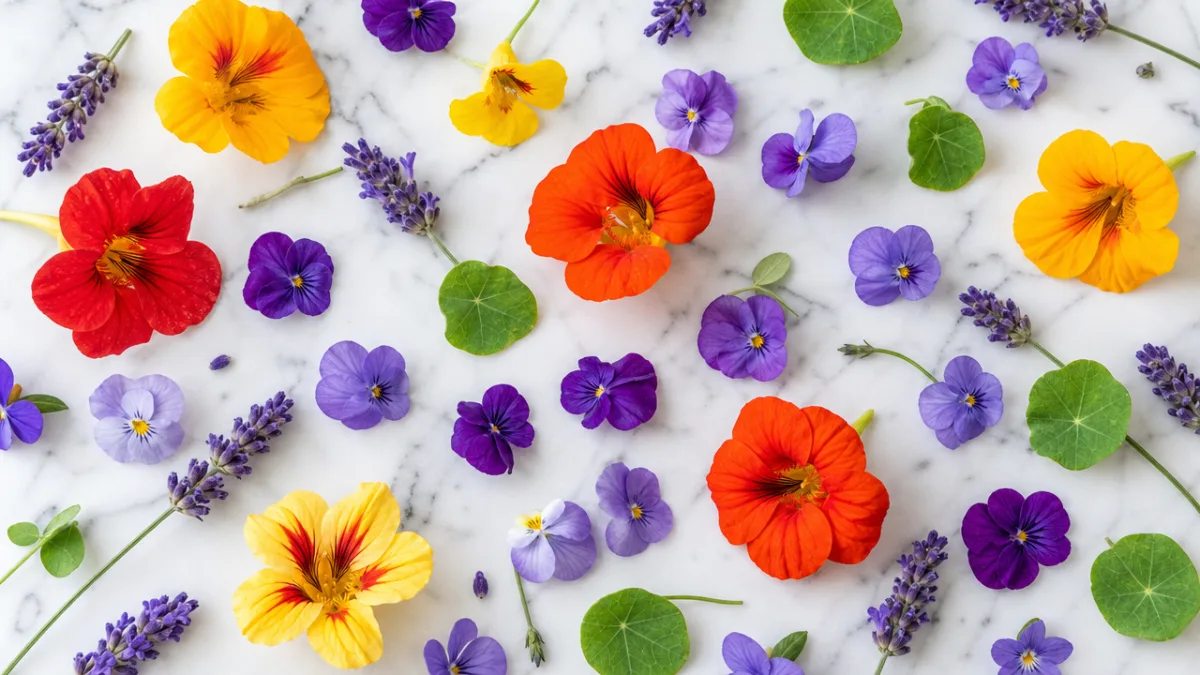
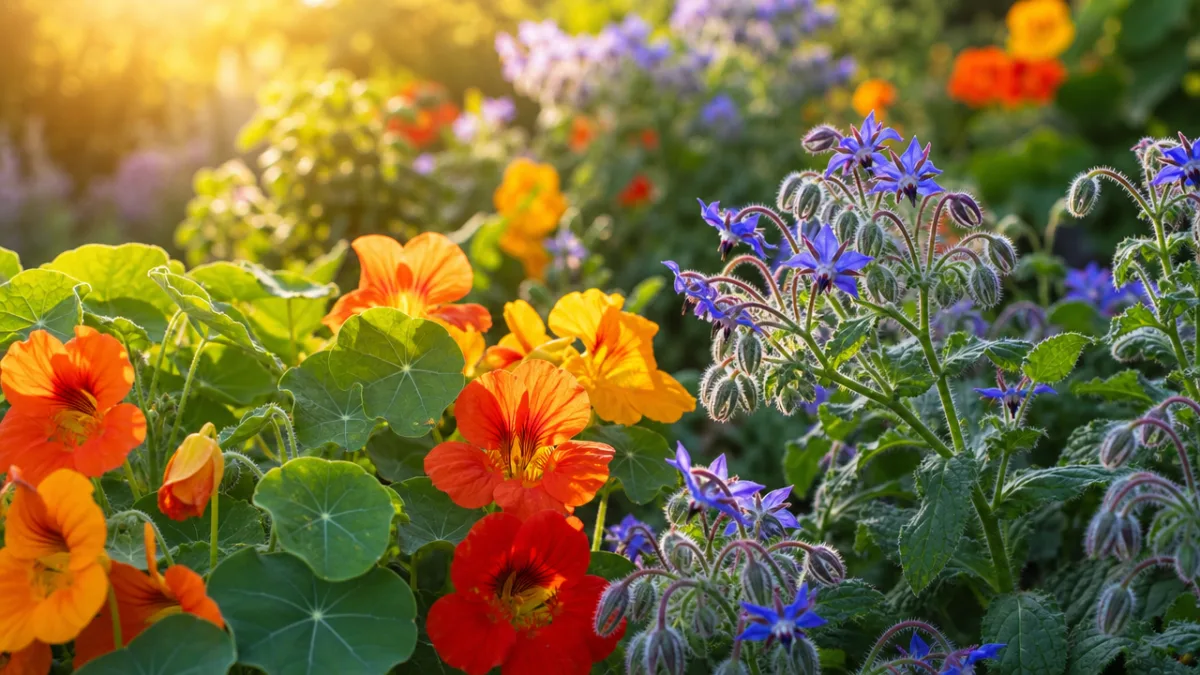
Nasturtiums are probably the most beginner-friendly edible flower out there. Those cheerful orange, red, and yellow blooms have a pleasantly peppery kick — think watercress — that makes them a great fit for salads, compound butters, and savory dishes. The whole plant is edible too: flowers, leaves, and even the seed pods, which you can pickle as a homemade caper substitute. As a bonus, nasturtiums are ridiculously easy to grow. They actually prefer poor soil and don’t need much attention, which makes them the perfect first flower for anyone just getting started.
Lavender brings that unmistakable floral, slightly herbal, gently sweet character to both sweet and savory cooking. For culinary purposes, you want Lavandula angustifolia specifically — it’s milder and sweeter than the ornamental varieties. Used with a light hand, lavender can do wonderful things for shortbread, honey, lemonade, roasted lamb, and cocktails. The catch is that you really do have to hold back. Too much lavender and your dish starts tasting like soap or the inside of a linen closet, which is never the vibe you’re going for.
Violets and pansies — close cousins in the Viola family — have a mild, slightly sweet flavor with soft green undertones, and those gorgeous purple, yellow, and white faces are basically made for decorating cakes, crystallized sweets, and salads. Roses are another classic, with flavor that runs anywhere from faintly sweet in some varieties to intensely perfumed in highly fragrant ones. Rose petals are beautiful in jams, syrups, and desserts, and they feel right at home in Middle Eastern cooking where rose water is already a staple. Then there’s borage, with its striking little star-shaped blue flowers and a surprisingly cool, cucumber-like taste that’s perfect alongside summer drinks or seafood.
Herbs and Their Blossoms
One of the most underrated sources of edible flowers is hiding right in the herb garden. When culinary herbs are allowed to bolt and flower, their blooms carry the flavor of the parent plant in a more delicate, refined form. Chive blossoms are a great example — they taste exactly like chives, just with a gentler, more nuanced onion quality. Those lovely purple pompoms can be pulled apart into individual florets and scattered over potato dishes, scrambled eggs, creamy pastas, or fresh cheese, adding color and flavor without stealing the show.
Basil flowers are tiny and white, clustering at the tips of mature plants, and they bring that same aromatic anise-clove character as the leaves but softer. Most gardeners pinch them off to keep the plant productive, but it’s worth intentionally saving some for the kitchen. Arugula flowers have a gentle version of that signature peppery bite, while dill blossoms taste unmistakably of dill and are wonderful in pickling brines, fish dishes, and yogurt sauces. Thyme, oregano, and rosemary flowers all mirror their parent herbs in miniature — they make lovely, elegant finishing touches on anything Mediterranean-leaning.
Squash blossoms sit in a category of their own, right at the crossroads of vegetable and flower. These big, golden-orange blooms from zucchini and other summer squash have been central to Italian and Mexican cooking for generations. Stuff them with ricotta and herbs, batter and fry them, sauté them simply in butter and garlic, or fold them into quesadillas and frittatas. Squash blossoms don’t keep long — best used within a day of picking — and that’s part of what makes them feel so special. They’re a genuine taste of summer that you simply can’t get any other time of year.
Culinary Techniques for Working with Edible Flowers
Good preparation makes all the difference when you’re working with edible flowers, and it starts long before anything hits the pan. Harvest in the morning after the dew has dried but before the day’s heat sets in and causes wilting. Give each bloom a gentle shake to evict any bugs — small insects love hiding inside petals and need to go before the flowers get anywhere near the table. Rinse gently in cool water, then lay them on a clean kitchen towel to dry completely. Excess moisture makes them deteriorate faster and turns them slippery and hard to handle.
Most edible flowers benefit from a little trimming before use. The green sepals at the base of many blooms tend to be bitter, so pinch them off. The white base of rose petals — where they connect to the flower — has a slightly bitter taste and is worth cutting away. Stamens and pistils from flowers like daylilies should come out too, since they can be bitter and may cause reactions in people who are sensitive to pollen. A few minutes of this kind of careful prep makes a real difference in the final dish and means only the most enjoyable parts of the flower actually reach the plate.
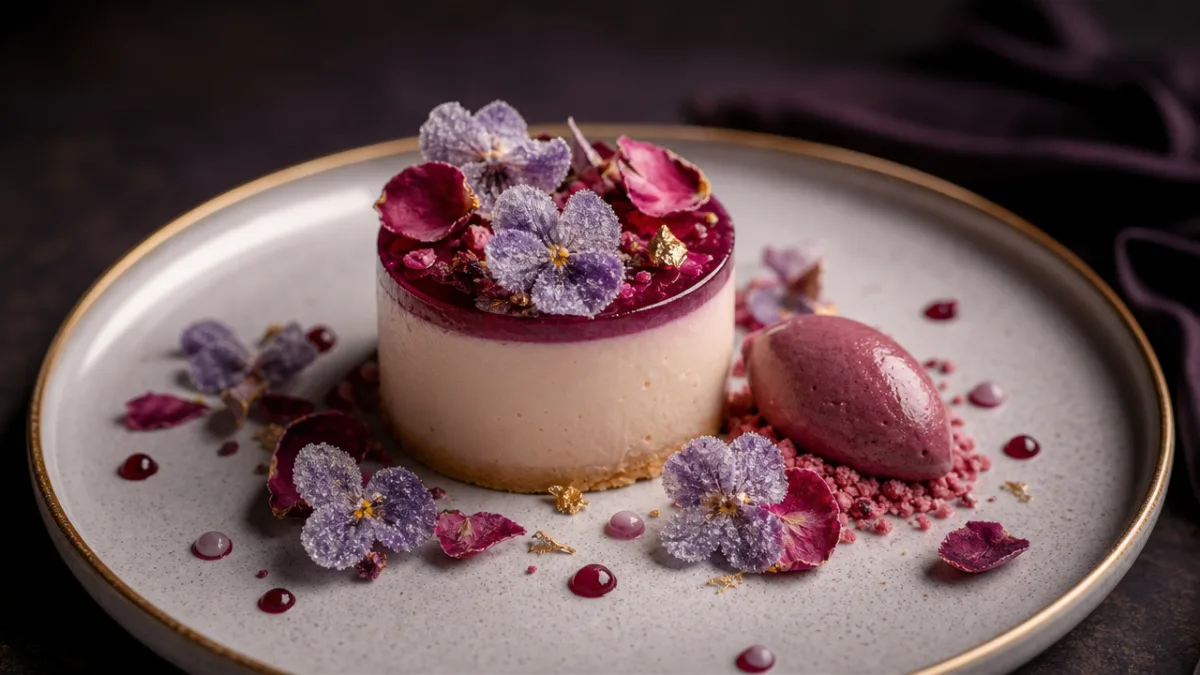
The ways you can use edible flowers in cooking run from beautifully simple to genuinely impressive. At the easiest end, you just scatter fresh flowers over a finished dish — instant color, a hint of flavor, done. Step it up a bit and you can infuse flowers into liquids: steep lavender in cream for panna cotta, simmer rose petals in simple syrup for cocktails, press chamomile into honey. For something truly show-stopping, crystallizing flowers in egg white and superfine sugar turns them into jewel-like cake decorations that last for weeks. Here’s a quick rundown of the most useful techniques:
- Fresh garnish: Scatter whole or torn petals over salads, soups, desserts, and drinks right before serving for maximum visual impact and fresh flavor.
- Infusion: Steep flowers in warm cream, milk, oil, vinegar, or simple syrup to pull out their flavor and aroma for use in dressings, sauces, and drinks.
- Crystallizing: Brush petals with lightly beaten egg white, dust with superfine sugar, and let them dry into beautiful, long-lasting edible decorations.
- Freezing in ice: Suspend flowers inside ice cubes or decorative ice blocks for a stunning touch in punch bowls, cocktails, or a simple water pitcher on the table.
- Stuffing and frying: Fill large blooms like squash blossoms with savory fillings, then batter and fry them for a showstopper of an appetizer or side dish.
- Drying: Air-dry or use a dehydrator to preserve flowers for teas, spice blends, and decorative finishing touches on baked goods.
Edible Flowers in Beverages and Cocktails
The drinks world has taken to edible flowers with real enthusiasm, and honestly, it makes sense. Flowers bring beauty, aroma, and layers of flavor that very few other ingredients can match. Floral beverages are nothing new — rose water has been used in drinks across the Middle East and South Asia for thousands of years, and lavender lemonade has long been a staple of French countryside kitchens — but today’s bartenders and tea makers have taken things much further, experimenting with infusions, syrups, and garnishes that transform both alcoholic and non-alcoholic drinks in unexpected ways.
Hibiscus is probably the most impactful flower in the drinks world. It gives everything it touches a stunning crimson color and a tart, cranberry-like flavor. Agua de Jamaica, the beloved Mexican hibiscus tea served cold with sugar, is one of the most refreshing things you can drink on a hot day. Dried hibiscus also infuses beautifully into cocktails, gin, and rum, pairing especially well with citrus, ginger, and tropical fruits. Elderflower has earned its place in the mainstream through products like St-Germain liqueur and elderflower tonic water, its delicate lychee-like sweetness making it one of the most widely loved floral flavors in modern mixology.
Beyond those two, there’s a whole garden of botanical flavors waiting for the adventurous home drinks-maker. Chamomile makes a soothing apple-honey tea that also converts beautifully into syrups for cocktails and mocktails. Butterfly pea flower is something of a party trick — the dried blue blooms steep into a vivid indigo liquid that shifts to bright purple or pink the moment you add anything acidic, like lemon juice or tonic water. It’s a color-changing drink that genuinely never gets old. Rose, violet, jasmine, and lavender all show up in teas, lemonades, sparkling waters, gins, and artisan sodas, part of a broader love affair with botanical complexity in what we drink.
Safety, Allergies, and What to Avoid
Safety deserves serious attention in any honest conversation about edible flowers, because this colorful world comes with real risks that casual enthusiasm can easily miss. Not every flower that looks gorgeous is safe to eat — plenty of common garden and wild flowers are toxic, sometimes dangerously so. Foxglove, oleander, lily of the valley, daffodil, monkshood, and autumn crocus are among the plants whose blooms should never be consumed under any circumstances. Even some flowers that are fine in small amounts can cause trouble in larger quantities or for people with specific sensitivities.
If you have plant allergies, hay fever, or sensitivities to plants in the daisy and chrysanthemum family (Asteraceae), be especially careful with edible flowers from that botanical group — which includes chamomile, calendula, and echinacea. People with bee pollen allergies should also tread carefully, since pollen-heavy flowers can trigger reactions. Pregnant women should use caution with strongly medicinal flowers like elderflower in large amounts. The sensible approach is to start small when trying any new edible flower, pay attention to how your body responds, and check with a healthcare provider if you have known allergies or any underlying health conditions.
Children and older adults deserve a bit of extra thought when it comes to dishes featuring edible flowers. Beyond allergy concerns, young children can be taught early that only flowers a trusted adult has identified as safe are okay to eat — this fits naturally into broader garden safety conversations. For everyone, the rule is simple and non-negotiable: never eat a flower you can’t positively identify as safe. When in doubt, leave it out. A beautiful dish is still beautiful when garnished with a flower you’re completely certain about, and no garnish is worth an emergency room visit.
Growing Your Own Edible Flowers at Home
Growing your own edible flowers is one of the most satisfying things you can do as a cook, and there’s a real peace of mind that comes from knowing exactly what went into raising them. You don’t need a lot of space to do it well — a sunny balcony, a few large containers on a patio, or a modest backyard plot can produce a surprisingly diverse and beautiful harvest throughout the growing season. The keys are choosing varieties that suit your climate, giving them the right soil and light, and committing to a fully organic approach to pest and disease management from day one.
Great starter varieties for an edible flower garden include nasturtiums, which practically grow themselves in well-drained soil and full sun; violas and pansies, which love cooler weather and thrive in spring and fall; marigolds (look specifically for Tagetes tenuifolia, the signet marigold, for the best flavor); borage, which self-seeds so freely it essentially takes care of itself once established; and calendula, sometimes called pot marigold, which is incredibly tough and keeps blooming over a very long season. Lavender and chamomile can be grown as perennials or annuals depending on your climate zone, and once they’re settled in the right spot, they’ll reward you with harvests year after year.
When it comes to pest management, organic methods are the only option for edible flower production — full stop. Companion planting, physical barriers like row cover fabric, hand-picking pests, and food-safe insecticidal soap are all solid tools. Feed your plants with compost and organic amendments rather than synthetic fertilizers, which can affect flower flavor and undermine the whole point of growing your own. And make sure to harvest regularly — most edible flowers, like cut flowers generally, produce more blooms when you keep picking them. There’s something genuinely special about the loop of tending, harvesting, cooking, and sharing, and that experience is within reach for pretty much anyone willing to give it a try.








What do you think?
It is nice to know your opinion. Leave a comment.