










Nemesia ‘Carnival’ Mixed: A Complete Guide to Growing and Enjoying These Vibrant Blooms
Introduction to Nemesia ‘Carnival’ Mixed
Nemesia ‘Carnival’ Mixed is one of the most cheerful and visually striking annual flowers available to home gardeners and professional horticulturists alike. Known for its incredibly diverse palette of bicolored and multicolored blooms, this cultivar brings an almost festive energy to any garden bed, container, or hanging basket. The flowers are small but produced in such abundance that the effect is nothing short of spectacular, creating cascading waves of color that can transform even the most modest outdoor space into something truly memorable.
Originally bred from Nemesia strumosa, a species native to the sandy coastal regions of South Africa, the ‘Carnival’ Mixed cultivar has been carefully selected and refined over generations to produce its signature riot of color. The flowers typically display two-toned patterns, with combinations including purple and white, yellow and red, orange and cream, and pink and violet. Each individual bloom is small — roughly half an inch to an inch across — but the sheer density of flowering makes the plant appear lush and full from the moment it begins to bloom in late spring or early summer.
One of the most appealing aspects of Nemesia ‘Carnival’ Mixed is its accessibility. Whether you are an experienced gardener with decades of practice or someone who has only recently discovered the joys of growing plants, this cultivar rewards you generously. It grows relatively quickly from seed, responds well to basic care, and thrives in a range of climates, making it a reliable choice for gardeners across temperate zones. Understanding a little more about this plant will help you get the very best out of it throughout the growing season.
The History and Origins of Nemesia
The genus Nemesia belongs to the family Scrophulariaceae, a large and botanically diverse family that also includes foxgloves, snapdragons, and toadflax. The genus itself contains around 50 species, most of which are native to southern Africa, particularly the Western Cape region of South Africa where the climate is characterized by cool, wet winters and warm, dry summers. This Mediterranean-type climate has shaped the growth habits and preferences of Nemesia species in ways that remain highly relevant to how we grow cultivated varieties today.
Nemesia was introduced to European horticulture in the late nineteenth century, where breeders in the Netherlands and the United Kingdom quickly recognized its potential as an ornamental annual. Early breeding efforts focused on extending the color range and improving the uniformity of flowering, laying the groundwork for the extraordinary diversity we see in modern cultivars like ‘Carnival’ Mixed. By the mid-twentieth century, Nemesia had become a staple of the annual bedding plant trade in Britain and northern Europe, prized for its cool-season performance at a time when other colorful annuals had yet to come into their prime.
The ‘Carnival’ name itself evokes the exuberant spirit of the plant’s blooms, drawing a direct comparison to the festive parades and celebrations associated with that word across many cultures. Breeders who developed this particular strain were specifically aiming to maximize color variation and contrast, selecting plants that displayed the most vivid and unexpected color combinations season after season. The result is a seed strain that reliably produces a mix of hues so varied that no two plantings look exactly the same, giving gardeners a unique and pleasantly unpredictable display each year.
Ideal Growing Conditions and Climate Requirements
Nemesia ‘Carnival’ Mixed thrives in cool to moderate temperatures, performing at its very best when daytime temperatures fall between 50°F and 65°F (10°C to 18°C). This cool-season preference makes it particularly well suited to spring and autumn planting in temperate gardens, where it can put on a spectacular show before the heat of summer arrives. In coastal climates with persistent cool and foggy conditions, Nemesia can bloom virtually year-round, becoming a true garden staple rather than a seasonal novelty. In hotter inland areas, it is best treated as a spring annual, planted out as early as the last frost will allow.
When it comes to soil, Nemesia ‘Carnival’ Mixed prefers a well-draining, moderately fertile growing medium. Waterlogged soil is one of the quickest ways to cause problems with this plant, as its roots are susceptible to rot in overly wet conditions. A sandy loam enriched with compost is ideal, providing the nutrients the plant needs while ensuring excess moisture drains away efficiently. A slightly acidic to neutral pH, somewhere between 6.0 and 7.0, is optimal, and while the plant will tolerate slightly alkaline conditions, growth and flowering may be reduced in soils significantly above pH 7.5.
Sunlight requirements are an important consideration when planning where to plant your Nemesia. The plant prefers full sun to partial shade, ideally receiving at least five to six hours of direct sunlight each day. In regions with very intense summer sun, some afternoon shade can help protect the blooms and extend the flowering period. In cooler climates with more moderate sunshine, a fully sunny position will encourage the most prolific flowering. Avoid deep shade entirely, as this will result in leggy, elongated stems, reduced flowering, and an overall less appealing plant.
Planting, Propagation, and Early Care
Nemesia ‘Carnival’ Mixed is most commonly grown from seed, which can be started indoors approximately six to eight weeks before the last expected frost date in your area. The seeds are quite small and should be sown on the surface of a fine, well-moistened seed-starting mix, pressing them gently into contact with the medium without covering them deeply, as they require light to germinate effectively. Germination typically occurs within seven to fourteen days at temperatures between 60°F and 65°F (15°C to 18°C). Providing bottom heat from a propagation mat can help speed and improve germination rates significantly.
Once seedlings are large enough to handle — typically when they have developed their first true leaves — they should be pricked out and transplanted into individual small pots or cell trays. This allows each plant to develop a strong individual root system without competition from neighboring seedlings. Feed with a dilute balanced liquid fertilizer once a week from this stage onward to encourage robust, healthy growth. Harden off the young plants gradually over the course of one to two weeks before planting them out into the garden, exposing them to outdoor conditions for progressively longer periods each day to reduce transplant shock.
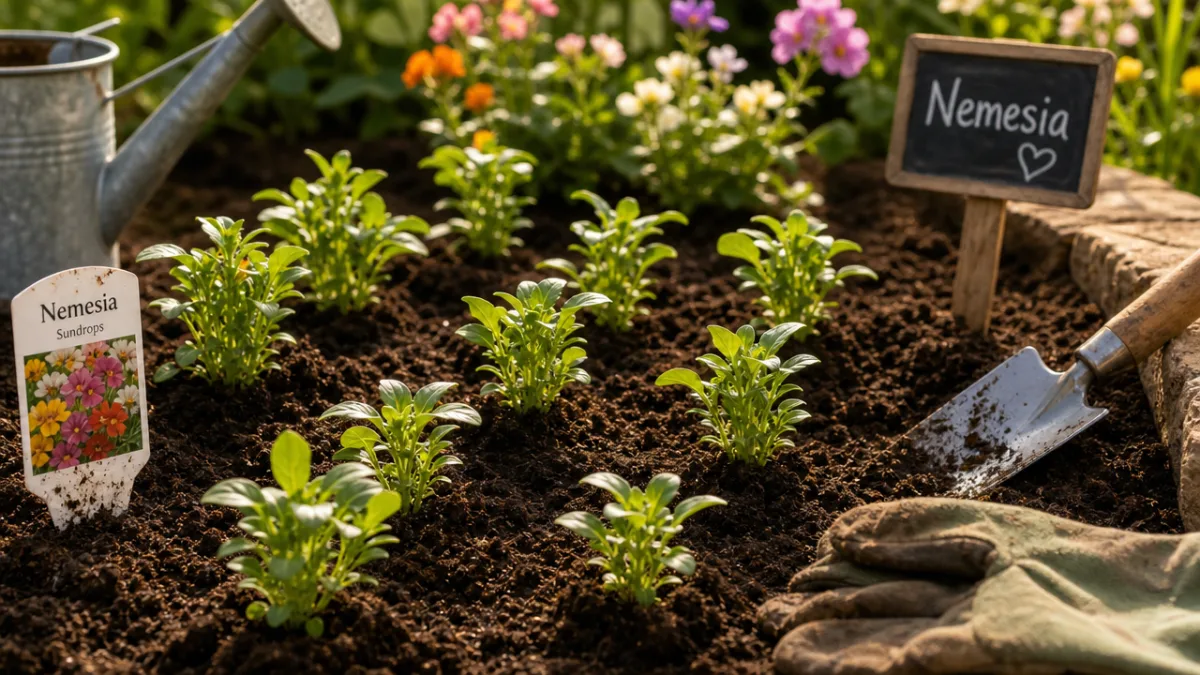
When planting out, space Nemesia ‘Carnival’ Mixed plants approximately six to nine inches (15 to 23 cm) apart to allow for good air circulation, which helps reduce the risk of fungal diseases. Planting can be done in beds, borders, containers, window boxes, or hanging baskets — this cultivar adapts beautifully to all of these situations. Water in well after planting and apply a thin layer of mulch around the base of the plants to help retain soil moisture and suppress weeds. Avoid burying the stem of the plant, as this can encourage rotting at the crown, particularly in wet weather conditions.
- Start seeds indoors six to eight weeks before the last frost date
- Surface-sow seeds and maintain temperatures of 60°F to 65°F for germination
- Prick out seedlings into individual containers once the first true leaves appear
- Harden off gradually over one to two weeks before outdoor planting
- Space plants six to nine inches apart in the garden for best air circulation
- Mulch around the base to conserve moisture and reduce weed competition
Watering, Feeding, and Ongoing Maintenance
Consistent moisture is important for keeping Nemesia ‘Carnival’ Mixed looking its best throughout the growing season, but the balance between adequate watering and overwatering is critical. The soil should be kept evenly moist but never waterlogged. During cooler periods in spring and autumn, watering once or twice a week is usually sufficient, depending on rainfall and soil type. During warmer spells, you may need to water more frequently, especially for container-grown plants, which dry out considerably faster than those planted in the open ground.
Feeding plays a significant role in maintaining strong, continuous flowering. Begin with a general-purpose balanced fertilizer at planting time, incorporated into the soil or potting mix. Once plants are established and beginning to bloom, switch to a high-potassium fertilizer — the type marketed for tomatoes and flowering plants is perfectly suitable — applied every two to three weeks throughout the flowering season. High-potassium feeding encourages more abundant flower production and helps maintain the vibrant colors that make ‘Carnival’ Mixed so appealing. Avoid overfeeding with high-nitrogen fertilizers, as this will promote leafy growth at the expense of flowers.
Deadheading — the removal of spent flowers — is one of the most effective maintenance tasks you can perform to prolong the flowering season. As individual flower clusters fade, pinch them off with your fingertips or snip them away with small scissors to prevent the plant from putting energy into seed production. This signals the plant to continue producing more flowers in order to complete its reproductive cycle. Additionally, if plants begin to look leggy or straggly during the heat of summer, a moderate trim cutting back the stems by roughly one third can rejuvenate growth and encourage a fresh flush of blooms as temperatures cool again in late summer or early autumn.
Companion Planting and Garden Design Ideas
One of the great pleasures of working with Nemesia ‘Carnival’ Mixed in a garden design context is its extraordinary versatility as a companion plant. Its modest height — typically reaching between eight and twelve inches (20 to 30 cm) — makes it ideal for use at the front of mixed borders, where it can spill forward gently without obscuring taller plants behind it. It pairs beautifully with other cool-season favorites such as pansies, violas, alyssum, and diascia, creating richly textured tapestries of color that celebrate the best of spring and autumn planting.
In container gardening, Nemesia ‘Carnival’ Mixed shines as both a thriller and a filler depending on how it is combined with other plants. In a hanging basket, it acts as a cascading filler, softening the edges of the container with its delicate foliage and abundant blooms. In a large pot or window box, it can serve as the primary flowering plant, surrounded by trailing ivy or silvery helichrysum to frame and highlight its colorful flowers. The diversity of the ‘Carnival’ Mixed color range means it is almost impossible to create a combination that clashes badly — the sheer variety of hues in the mix tends to harmonize with just about anything you pair it with.
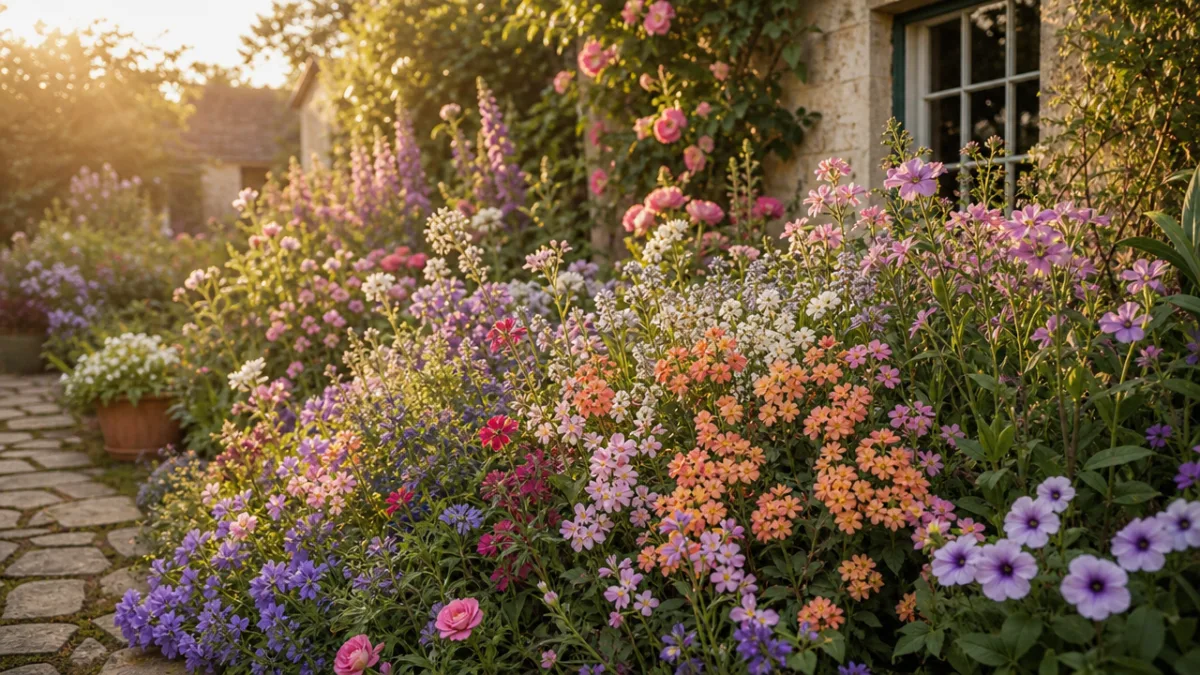
For gardeners interested in creating a cottage garden aesthetic, Nemesia ‘Carnival’ Mixed is an excellent choice. Its informal growth habit and charmingly irregular flowers lend themselves naturally to the relaxed, slightly wild feel that defines this style of gardening. Plant it in generous drifts alongside sweet williams, clary sage, nigella, and cornflowers to create a planting that feels spontaneous and naturalistic, as though it has seeded itself freely across the border. The effect is one of effortless abundance, and because the ‘Carnival’ mix produces such a range of colors, each season will look slightly different, maintaining interest and surprise year after year.
- Front of border planting alongside pansies, violas, and alyssum for spring color
- Hanging baskets with trailing ivy and silvery foliage plants as contrast
- Window boxes combining Nemesia with calibrachoa and trailing bacopa
- Cottage garden drifts paired with sweet williams, nigella, and cornflowers
- Container centrepieces surrounded by compact helichrysum or lobularia
Pests, Diseases, and Common Problems
Nemesia ‘Carnival’ Mixed is generally regarded as a fairly trouble-free plant, but like all garden annuals it can be affected by a range of pests and diseases if conditions are not ideal. Aphids are perhaps the most common insect pest, clustering on new growth and flower buds where they feed on plant sap and can spread viral diseases between plants. Inspect your plants regularly and deal with small infestations by blasting them off with a strong jet of water or applying an insecticidal soap spray. Larger infestations may require a systemic insecticide, though this should always be a last resort given the potential impact on beneficial insects such as bees.
Fungal diseases, particularly powdery mildew and botrytis (gray mold), can become problematic in damp or humid conditions with poor air circulation. Powdery mildew presents as a white, powdery coating on the leaves and stems, while botrytis appears as a fuzzy gray growth on dying or damaged plant tissue. Both can be minimized by ensuring adequate spacing between plants, avoiding overhead watering, and removing dead or dying plant material promptly. If fungal infections do take hold, a copper-based fungicide or a dilute solution of bicarbonate of soda can help slow their spread, though prevention is always preferable to treatment.
Heat stress is probably the most common non-pest problem encountered with Nemesia ‘Carnival’ Mixed. When temperatures rise above 75°F to 80°F (24°C to 27°C) for extended periods, plants can stop flowering, develop yellow leaves, and begin to look generally unhappy. The best response is to cut plants back moderately, reduce feeding temporarily, ensure consistent watering, and wait for temperatures to cool. In many cases, plants that appear to have given up entirely in the height of summer will bounce back impressively in early autumn, providing a welcome second season of flowering before the first frosts finally bring the season to an end.
Collecting Seeds and Planning for Next Season
While Nemesia ‘Carnival’ Mixed is typically treated as an annual and replanted fresh each year from purchased seed, it is entirely possible to collect seeds from your own plants at the end of the season. Allow some of the flower clusters to go to seed rather than deadheading them, and wait until the seed pods have dried and turned brown on the plant before harvesting them. Shake or press the pods gently to release the tiny seeds, and store them in a cool, dry place in labeled paper envelopes until you are ready to sow them the following season. Be aware, however, that seeds saved from a mixed cultivar will not necessarily reproduce the parent plants exactly.
Because ‘Carnival’ Mixed is a hybrid seed strain, seedlings grown from collected seed may display a narrower color range or revert toward the characteristics of one parent over another, resulting in a less varied mix than the original. This is not necessarily a problem — the resulting plants will still be attractive and garden-worthy — but if you want to guarantee the full, exuberant range of colors that defines the ‘Carnival’ strain, purchasing fresh seed from a reputable supplier each season is the most reliable approach. Many seed companies offer Nemesia ‘Carnival’ Mixed as part of their standard annual seed range, making it an affordable and readily accessible choice year after year.
Planning for the next season is also an opportunity to think about where and how to use Nemesia more creatively in your garden. Consider keeping a simple photographic record of your plantings throughout the season so you can look back at what worked particularly well and what you might like to change. Note which companion plant combinations were most successful, which locations produced the best flowering, and how the plants performed in different types of containers. This kind of reflective approach to garden planning will help you get progressively more enjoyment from Nemesia ‘Carnival’ Mixed and make each successive season more rewarding than the last.








What do you think?
It is nice to know your opinion. Leave a comment.