










Lewisia longipetala (Truckee Lewisia): A Complete Guide to One of the Sierra Nevada’s Most Beloved Alpine Gems
Introduction to Lewisia longipetala
Lewisia longipetala, commonly known as the Truckee Lewisia, is a stunning alpine perennial native to the high Sierra Nevada mountains of California and Nevada. Named after the Truckee River region where it was first extensively studied and documented, this small but extraordinarily beautiful plant has captivated botanists, gardeners, and wildflower enthusiasts for well over a century. Its delicate blossoms, which appear in an astonishing range of pink, white, and bicolored forms, belie an underlying toughness that allows it to survive in some of the most demanding mountain environments in North America.
The genus Lewisia itself was named in honor of Meriwether Lewis, the famous explorer who co-led the Lewis and Clark Expedition in the early nineteenth century. Lewis collected specimens of related plants during his historic journey across the American West, and the genus was formally described by Frederick Pursh in 1814. Within this celebrated genus, Lewisia longipetala stands out for its refined proportions, compact growth habit, and the remarkable length of its petals relative to the overall flower size — a characteristic directly referenced in its species name, which translates from Latin as “long-petaled.”
What makes Lewisia longipetala particularly fascinating to plant enthusiasts is the way it straddles the boundary between wild alpine rarity and cultivated garden treasure. In its natural habitat, it grows in rocky subalpine and alpine meadows, often tucked into granite crevices or along stream margins at elevations between roughly 5,000 and 10,000 feet. Yet in cultivation, it has proven far more adaptable than many of its mountain relatives, lending itself beautifully to rock gardens, alpine troughs, and container plantings across a wide range of climates, provided certain fundamental growing conditions are respected.
Botanical Description and Taxonomy
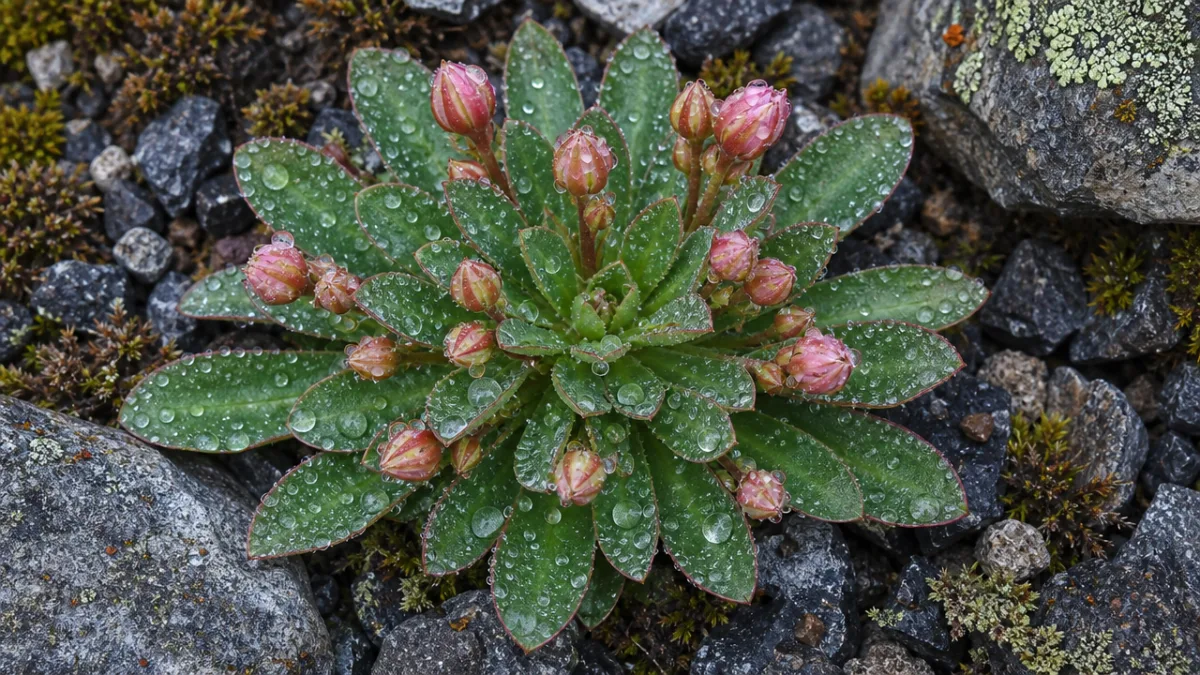
From a botanical standpoint, Lewisia longipetala is a member of the family Montiaceae, a placement that reflects modern phylogenetic research that has reclassified what was once the broader Portulacaceae family. The plant is a herbaceous perennial that forms a compact basal rosette of narrow, somewhat fleshy, strap-shaped leaves. These leaves are typically dark green, slightly succulent in texture, and can reach lengths of three to eight centimeters. The succulent quality of the foliage is not accidental — it represents an important physiological adaptation that allows the plant to store water during the brief growing season of its high-altitude home.
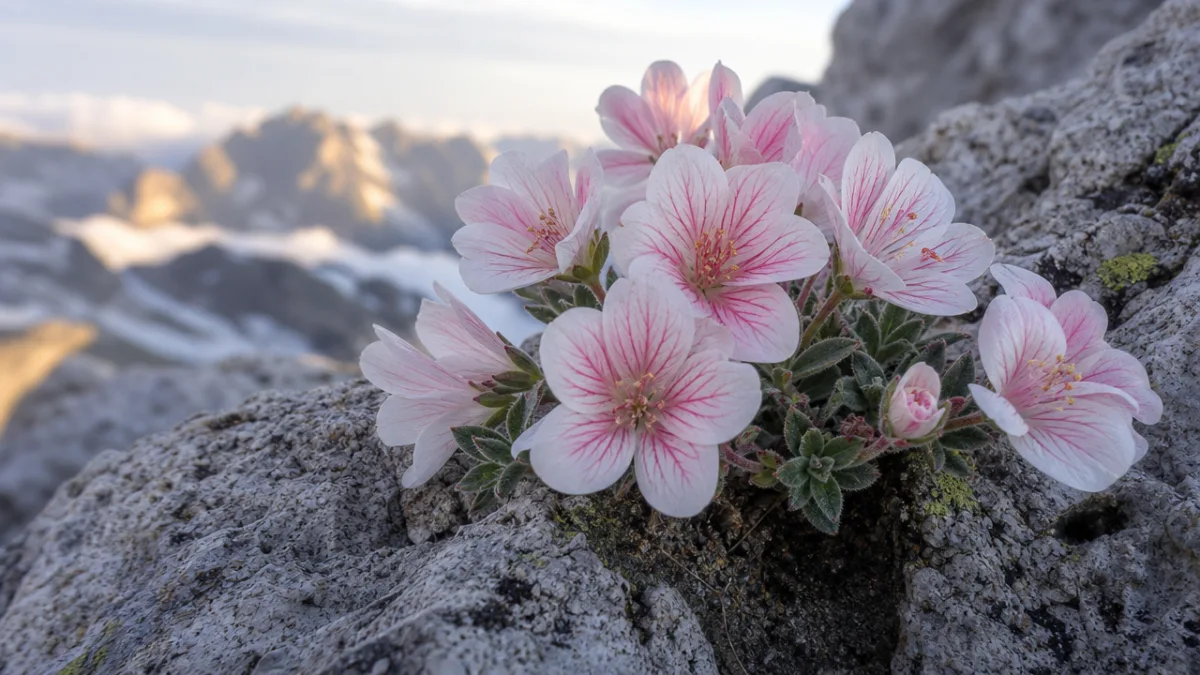
The flowers of Lewisia longipetala are among the most intricate and visually rewarding in the entire genus. Each bloom is borne on a slender, branching stem that rises gracefully above the leaf rosette, typically reaching between eight and fifteen centimeters in height. Individual flowers are characterized by their distinctly elongated petals, usually numbering between eight and ten per flower, which give the blooms a refined, somewhat star-shaped appearance. The petals are commonly white to pale pink at the base, suffused with deeper rose or magenta veining and tips, creating an ombre effect of considerable visual elegance.
Taxonomically, Lewisia longipetala has had a somewhat complex history, having been treated by different authorities as either a distinct species or as a variety or subspecies of related taxa such as Lewisia nevadensis. Modern botanical consensus, reflected in current floras and databases, generally treats it as a valid species in its own right, distinguished from its closest relatives by a combination of its longer petals, more branched flowering stems, and specific ecological preferences. Hybridization between Lewisia longipetala and other species in the genus, both natural and horticultural, has further complicated taxonomic boundaries but has also produced some of the most beautiful and widely grown ornamental lewisias available today.
Natural Habitat and Distribution
The natural range of Lewisia longipetala is concentrated in the central and northern Sierra Nevada mountain range, with the Truckee River watershed in the vicinity of Truckee, California, serving as something of a heartland for the species. It also extends into adjacent parts of Nevada where suitable alpine and subalpine conditions prevail. Within this region, it typically inhabits elevations from approximately 5,000 feet up to around 10,000 feet above sea level, growing in a variety of rocky, open microhabitats that share certain consistent features: excellent drainage, exposure to full or partial sunlight, and soils that are mineral-rich but low in organic matter and fertility.
The specific microhabitats favored by Lewisia longipetala are telling indicators of its ecological requirements. It is most frequently encountered in granite scree and talus slopes, along rocky streamsides and seeps where moisture is present in spring and early summer but drainage remains sharp, and in alpine meadow margins where the soil is thin and gritty. The species shows a marked preference for granitic substrates, which tend to be acidic to slightly acidic in pH and characteristically well-drained even when surface moisture is abundant during snowmelt. This combination of moisture availability during the growing season paired with superb drainage is a recurring theme that gardeners must replicate to grow the plant successfully.
The climate experienced by Lewisia longipetala in its native range is classically Sierra Nevada alpine: winters that are long, cold, and characterized by deep, persistent snowpack; springs that arrive rapidly with intense snowmelt; and summers that are relatively short, warm, and distinctly dry. This climatic pattern is fundamental to the plant’s biology. The deep snow insulates the dormant plant during winter, protecting it from the most extreme temperature fluctuations. The snowmelt provides the moisture trigger for spring growth and flowering, after which the plant experiences increasingly dry conditions through summer and autumn, entering a period of semi-dormancy that protects it from the heat and drought of the mountain summer.
Cultivation and Growing Requirements
Growing Lewisia longipetala successfully in a garden or container setting requires a thoughtful approach that takes its natural ecology as a guide. The single most critical factor in cultivation is drainage. Like virtually all members of the genus, Lewisia longipetala is highly intolerant of standing water around its crown and root zone, particularly during winter and the warmer months of the year. In heavy clay soils or in containers without adequate drainage holes, the fleshy taproot and crown are prone to rot, which is the most common cause of failure with cultivated lewisias. A sharply draining, gritty mix — typically composed of quality loam or compost combined with generous proportions of coarse grit, perlite, or crushed granite — is essential for success.
In terms of light, Lewisia longipetala thrives in full sun to light partial shade. In cooler climates at lower elevations, full sun is generally beneficial and promotes the most compact growth and prolific flowering. In warmer climates or at lower elevations where summer heat can be intense, light afternoon shade can help prevent heat stress and extend the flowering season. The plant is reliably hardy in USDA hardiness zones 4 through 7, and with excellent drainage can sometimes survive in zone 3 conditions, particularly when protected by a covering of mulch or straw during the coldest periods. In warmer zones, it can be grown as a winter annual or protected from summer heat by shading and careful watering management.
When it comes to planting locations, several options work particularly well for Lewisia longipetala in the garden:
- Rock gardens and alpine beds: The classic setting for lewisias, where gritty soil, excellent drainage, and a naturalistic aesthetic all align with the plant’s needs. Planting in vertical crevices between rocks is particularly effective, as it keeps moisture away from the crown.
- Raised beds: A raised bed filled with a freely draining alpine mix allows precise control over soil composition and drainage, making it an excellent choice for gardeners on heavier soils.
- Troughs and hypertufa containers: Alpine troughs, whether antique stone or homemade hypertufa, are ideal for showcasing individual specimens or small collections, and their porous walls aid drainage and aeration.
- Steep slopes and walls: Planting in the crevices of dry stone walls or on steep, south-facing slopes naturally prevents crown rot by directing moisture away from the sensitive basal area.
Watering practices for Lewisia longipetala should mirror the plant’s natural seasonal cycle as closely as possible. During the spring growing and flowering season, regular moderate watering is beneficial and will support vigorous growth and extended bloom. As summer progresses and temperatures rise, watering should be reduced significantly, allowing the plant to enter its natural summer semi-dormancy. Overwatering during the warm months is a common mistake that leads to crown rot. In winter, established plants in the ground are largely self-sufficient under a reasonable snowfall, but container-grown plants should be kept relatively dry and protected from prolonged exposure to freezing rain and saturated soil.
Propagation Methods
Lewisia longipetala can be propagated by two primary means: seed and offsets. Growing from seed is the most common approach for producing larger quantities of plants and is the method by which new color forms and hybrids are typically selected and developed. Seeds of Lewisia longipetala require a period of cold stratification to break dormancy and stimulate germination, reflecting the plant’s need to experience the cold conditions of a mountain winter before spring growth begins. In practice, this means either sowing seeds in autumn and leaving the pots outdoors to experience natural cold stratification over winter, or refrigerating moistened seeds or a seed-sowing mix at temperatures of around 2 to 5 degrees Celsius for a period of four to six weeks before bringing them into warmer conditions to germinate.
Once cold stratification requirements are met, germination typically occurs fairly reliably at temperatures between 12 and 18 degrees Celsius, usually within two to four weeks of being moved to warmth. Seedlings should be grown on in a well-draining alpine mix and handled with care, as the fleshy taproots are sensitive to disturbance. Pricking out seedlings into individual small pots at an early stage reduces the risk of root disturbance and allows each plant to develop without competition. Young plants are typically ready for their final growing positions after one full growing season, though they may not flower until their second or occasionally third year. The genetic variability inherent in seed-grown plants means that flower colors and forms can vary pleasingly, and gardeners often find that raising plants from seed produces unexpected and beautiful results.
Propagation by offsets is the preferred method when the goal is to reproduce a specific plant with known characteristics, such as a particularly fine color form or a named cultivar. Established plants of Lewisia longipetala occasionally produce small offsets or side shoots at the base of the main rosette, particularly after flowering. These can be carefully removed with a sharp, clean knife, allowed to callous briefly in a dry, shaded location, and then inserted into a gritty rooting mix. Keeping the cuttings slightly moist but not wet and providing bottom heat if available will encourage rooting over a period of several weeks. This method is slower than seed propagation and produces smaller numbers of new plants, but guarantees genetic uniformity and is particularly valuable for maintaining named selections and hybrids.
Pests, Diseases, and Common Problems
When grown in appropriate conditions, Lewisia longipetala is a remarkably trouble-free plant. The most significant problem by a considerable margin is crown and root rot, caused by a combination of excess moisture and the activity of various soilborne fungal pathogens, most commonly species of Pythium and Phytophthora. As emphasized throughout this guide, maintaining excellent drainage is the primary preventive measure. If rot is detected early — indicated by a blackening and softening of the base of the rosette — it may be possible to save a plant by carefully cutting away all affected tissue with a clean knife, dusting the wound with a fungicidal powder, allowing it to dry, and replanting in fresh, dry, sterile mix. However, prevention is far preferable to attempted cure.
Beyond the pervasive threat of crown rot, Lewisia longipetala is occasionally troubled by a small number of insect pests. Aphids may colonize young growth and flower stems in spring, particularly in sheltered garden settings. These can generally be controlled by strong jets of water, insecticidal soap sprays, or by encouraging populations of natural predators such as ladybirds and lacewings. Slugs and snails can damage young growth, particularly in moist conditions, and are best controlled through physical barriers, copper tape around containers, or environmentally appropriate baits. In rock garden settings where conditions are drier and more open, slug damage is generally less of a concern than in the moister conditions of a typical herbaceous border.
A less commonly discussed but real challenge in cultivation is the management of summer dormancy in climates that differ markedly from the plant’s native range. In humid summer climates, the combination of heat and atmospheric moisture can predispose lewisias to fungal problems even in well-drained soil. In such conditions, container cultivation with the ability to provide overhead protection — moving pots under an eave or into a cold frame — during the warmest and most humid periods can make a significant difference to plant health and longevity. Ensuring good airflow around plants through appropriate spacing and the avoidance of dense companion planting is also beneficial in humid environments.
Ornamental Value and Garden Uses
The ornamental value of Lewisia longipetala in the garden is exceptional relative to its modest size. A single well-grown plant in full flower, with its crown of delicate, intricately veined blooms held above a tidy, compact rosette of dark green foliage, is a genuinely arresting sight. The flowering period, typically from late spring through midsummer depending on elevation and climate, coincides with a relatively quiet period in the alpine and rock garden, making lewisias particularly valuable as gap-fillers and focal points during this season. Deadheading spent flower stems promptly can extend the blooming period and encourages the production of additional flowering stems from the same plant.
In the broader context of rock garden and alpine plant design, Lewisia longipetala pairs beautifully with a wide range of companion plants that share similar growing requirements. Suitable companions include other cushion-forming alpines such as Phlox subulata, Aubrieta, Armeria maritima, and low-growing sedums and sempervivums. These combinations create visually cohesive plantings that reference the naturalistic aesthetics of mountain flora while remaining manageable and attractive in the garden setting. The contrast between the relatively large, showy flowers of lewisia and the fine-textured foliage of grass-like or mat-forming companions is particularly effective both visually and in terms of creating a sense of botanical authenticity.
Beyond its use as a standalone specimen and rock garden plant, Lewisia longipetala has played a significant role as a parent species in the development of ornamental lewisia hybrids. The famous Lewisia Cotyledon hybrids, which are among the most widely sold alpine plants in the horticultural trade today, owe some of their ornamental qualities to the influence of species like Lewisia longipetala, which contributed refined petal form and color range to hybrid populations. More recently, deliberate hybridization programs have produced compact, free-flowering hybrid forms specifically derived from or closely related to Lewisia longipetala, some of which carry the species’ characteristic petal form combined with enhanced vigor and a broader range of flower colors including deep magenta, apricot, and bicolored white-and-rose forms.
Conservation Status and Ecological Significance
In its native Sierra Nevada habitat, Lewisia longipetala occupies a specific and somewhat restricted ecological niche. While it is not currently listed as threatened or endangered at the federal level in the United States, it is considered a species of conservation interest in California due to its relatively limited natural range and its dependence on intact, undisturbed alpine and subalpine habitats. The specialized conditions it requires — intact granitic alpine ecosystems, appropriate snowpack hydrology, and freedom from invasive species and physical disturbance — make it potentially vulnerable to the habitat changes associated with climate change, increased recreational pressure in the Sierra Nevada, and alterations in snowpack dynamics.
From an ecological perspective, Lewisia longipetala plays a role in its native communities as a nectar source for a variety of native pollinators. Its flowers are visited by small native bees, flies, and occasionally butterflies during the brief alpine summer. The timing of its flowering, closely linked to snowmelt patterns, makes it an important early-season resource for pollinators emerging in the high mountains. Any disruption to the phenological synchrony between flowering time and pollinator emergence — a recognized consequence of climate-driven changes in snowmelt timing — could have cascading effects on both plant reproduction and pollinator nutrition, making the species a useful indicator of broader ecological change in Sierra Nevada alpine systems.
The cultivation of Lewisia longipetala in gardens worldwide, while entirely separate from wild conservation, serves an indirect conservation function by maintaining genetic diversity in cultivated populations, raising public awareness of Sierra Nevada flora, and sustaining horticultural interest that can translate into support for habitat conservation efforts. Botanical gardens, alpine plant societies such as the North American Rock Garden Society and the Alpine Garden Society, and specialist nurseries that maintain and distribute true species plants play a particularly valuable role in this regard. Growing Lewisia longipetala, even in a small container on a sunny windowsill, is in its own quiet way a connection to the wild granite heights of the Sierra Nevada — a reminder of the extraordinary beauty that persists in those cold, clear mountain places.








What do you think?
It is nice to know your opinion. Leave a comment.